The Core Architecture of a Streaming Hub
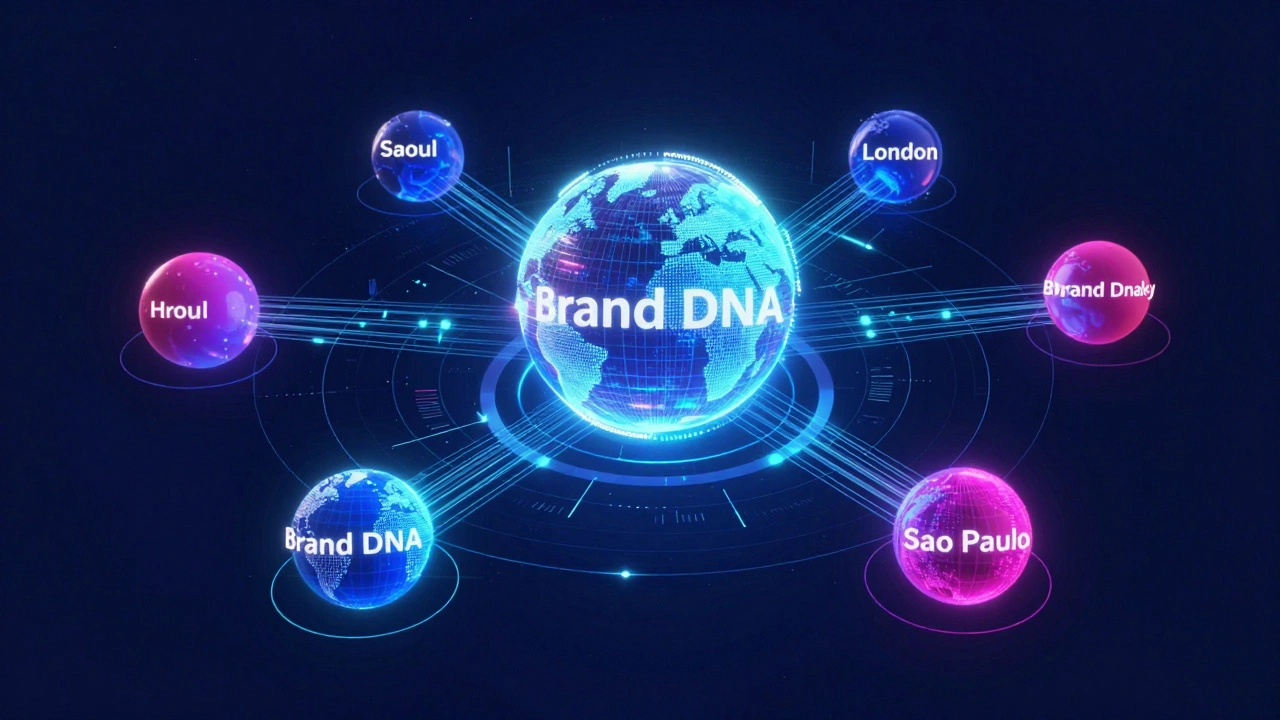
To get a film to trend on social media from Brazil to Japan, streamers use a "Hub-and-Spoke" model. The central hub-usually based in a major production center like Los Angeles, London, or Seoul-defines the core "brand DNA" of the film. They decide the primary theme: Is this a high-octane action flick or a slow-burn psychological thriller? Once the DNA is set, the hub pushes a toolkit to the regional spokes. This isn't just a folder of images; it's a comprehensive set of guidelines. For example, when Netflix launches a global original, the hub provides the "master assets" (trailers, key art, and press kits), but leaves the "last mile" of execution to the local teams. This prevents the common mistake of using a joke in a trailer that only works in North America but falls flat or offends people in France.Localization vs. Translation: The Regional Struggle
There is a massive difference between translating a caption and localizing a campaign. Translation is about words; localization is about culture. A global marketing hub manages this by implementing "cultural sensitivity gates." Take the color palette of a film's promotional art. In some Western markets, red might signify passion or danger. In other regions, it could be tied to luck or political movements. Regional teams review the hub's assets and request pivots. If a film's plot involves a concept that is taboo in the Middle East, the regional team doesn't just edit the trailer-they rethink the entire hook. They might pivot from a romantic angle to a familial one to ensure the film resonates without causing a backlash.| Feature | Centralized Hub Approach | Localized Regional Approach |
|---|---|---|
| Brand Voice | Consistent and unified globally | Adapted to local slang and values |
| Asset Production | High-quality, master-grade assets | Niche, platform-specific content |
| Speed of Execution | Rapid deployment of core materials | Slower, iterative cultural testing |
| KPI Focus | Global viewership numbers | Market share and regional retention |
Coordinating the Global Countdown
Timing is everything. A global release means managing a logistical nightmare of time zones. If a film drops at 12:00 AM PST, it's already morning in Europe and afternoon in Asia. The hub coordinates the "digital blackout" and the subsequent "big bang" release. They use shared project management tools to track every single social media post, billboard unveiling, and press interview. For a major release, you'll see a staggered hype cycle. The hub might trigger a "teaser phase" in the US first to build global curiosity, then lean heavily into Influencer Marketing in India or Indonesia to create a groundswell of organic excitement. By the time the movie actually streams, the regional teams have already primed the local audience using a mix of global assets and homegrown content.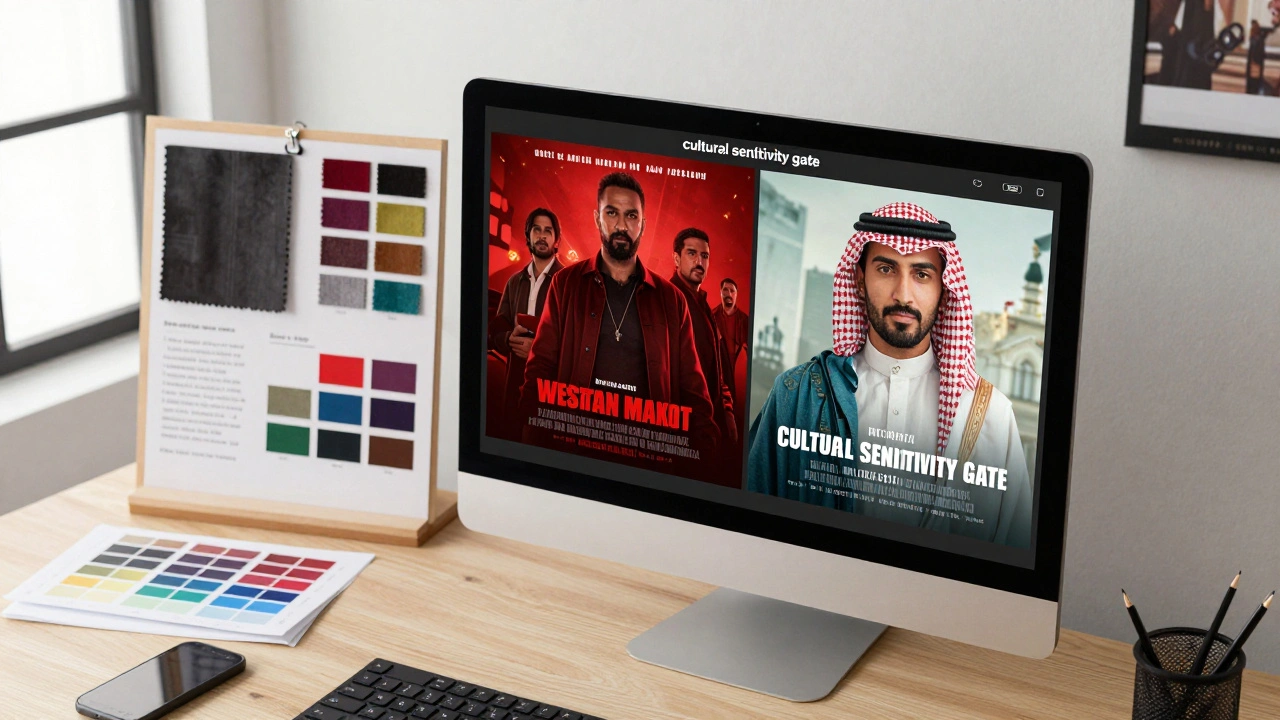
The Role of Data in Regional Pivoting
Streamers don't just guess what works; they use real-time data to shift their spend. If the hub notices that a specific trailer is getting 40% more engagement in Mexico than in Spain, they don't just ignore it. They analyze why. Is it the music? The specific actor featured in that cut? This creates a feedback loop. The regional team reports the data back to the hub, and the hub produces a new set of "variant assets." For instance, if a secondary character is unexpectedly popular in South Korea, the hub will quickly create new promotional clips focusing on that character specifically for the Korean market. This is Dynamic Creative Optimization at a global scale, where the marketing evolves based on how people are actually reacting in different parts of the world.Managing the Talent Bridge
One of the hardest parts of coordinating these campaigns is the talent. A-list stars are expensive and their time is limited. The global hub manages the "press junket" strategy. Instead of flying an actor to ten different countries, they organize virtual press hubs. They'll set up a series of recorded interviews that can be edited into local-language segments. A star might record one general greeting in English, but the hub ensures they also record "hello" and "thank you" in five different languages. This small touch makes the regional audience feel seen and valued, turning a global corporate product into something that feels personal. It bridges the gap between a distant Hollywood studio and a viewer in a small apartment in Jakarta.
Avoiding the 'Global Generic' Trap
The biggest risk for any streaming service is the "global generic" feel-when a movie looks like it was made by an algorithm for everyone and therefore appeals to no one. To fight this, hubs are increasingly empowering "Regional Lead Creatives." These are people who have the authority to override the hub's directions if they believe the global strategy will fail locally. If the hub wants a loud, flashy campaign for a movie in Italy, but the local lead knows that a more sophisticated, minimalist approach will attract the target demographic, they make the call. This tension between global consistency and local authenticity is where the most successful campaigns are born. It's a constant negotiation between the brand's identity and the audience's cultural reality.The Future of Distributed Promotion
As we move further into the 2020s, we're seeing a shift toward "hyper-localization." We are moving past just changing the language of the subtitles. Future hubs will likely use AI-driven tools to automatically swap backgrounds in trailers to match local landmarks or use synthetic voice cloning to make a star's performance sound natural in any language. However, the human element remains the most critical. No matter how good the AI gets, a hub still needs a person in the room who understands why a certain phrase is funny in Sao Paulo but confusing in Lisbon. The goal isn't to erase the differences between regions, but to use those differences to make the film feel inevitable in every market it enters.What exactly is a global marketing hub in the streaming world?
A global marketing hub is a centralized team-usually located at the company's headquarters-that creates the overarching strategy, visual identity, and core promotional assets for a film. Their job is to ensure the movie's brand remains consistent worldwide while providing the necessary tools for regional teams to adapt that message to their local cultures.
How do streamers handle different time zones for a single release date?
Streamers typically use a coordinated "global drop" where the content becomes available at a specific UTC time, or a staggered release based on local midnight. The marketing hub synchronizes social media posts and advertising spends to peak exactly when the content goes live in each specific region, creating a "global event" feel.
Why can't streamers just use one global trailer for every country?
Because humor, emotional triggers, and cultural values vary wildly. A joke that lands in the US might be confusing in India, and a visual cue that represents wealth in one country might represent something else entirely in another. Localizing trailers ensures the film hooks the audience using triggers that actually work in their specific cultural context.
What is the difference between localization and translation?
Translation is the literal conversion of text from one language to another. Localization is the adaptation of the entire experience-including images, colors, cultural references, and tone-to make the content feel as if it were originally created for that specific region.
How does data affect the way a movie is marketed globally?
Streamers track engagement metrics (like click-through rates and watch time) in real-time. If a certain character or plot point is trending in a specific country, the hub can pivot their strategy and create new assets focusing on those elements to maximize viewership in that region.




Comments(8)