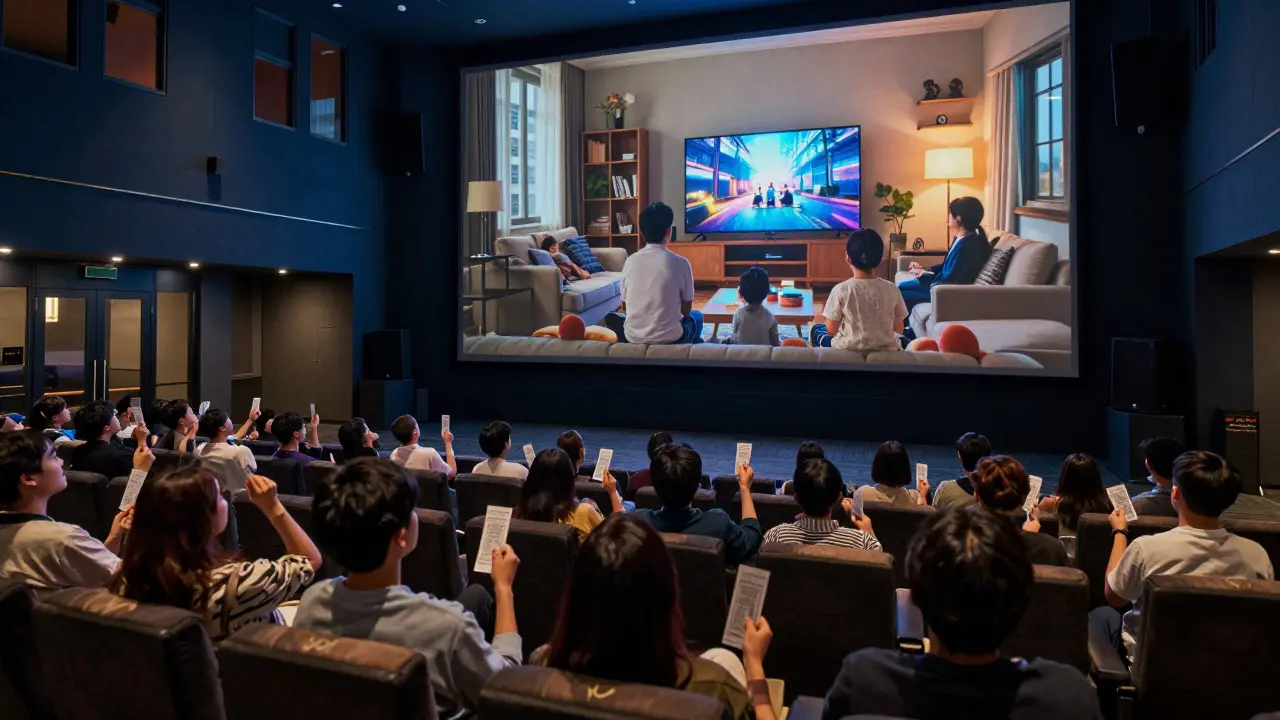
Imagine a movie that hits theaters in New York and lands on your screen in Seoul at the exact same second. No waiting for a "digital exclusive" window. No regional delays. This is the day-and-date model, and by 2026, it has shifted from a niche experiment to a standard strategy for major studios navigating the fragmented landscape of modern entertainment.
The traditional theatrical window-where a film plays exclusively in cinemas for 90 days before hitting streaming-is no longer a one-size-fits-all rule. For many titles, especially those targeting younger demographics or serving as franchise launchers, releasing simultaneously in theaters and on streaming platforms (or vice versa) offers a distinct competitive edge. But how does this actually work? And why are studios betting so heavily on coordinated global drops?
Defining the Day-and-Date Strategy
Day-and-date distribution is a release strategy where a film becomes available in multiple formats-typically theatrical exhibition and digital streaming-at the same time. Unlike the traditional sequential release, which relies on scarcity to drive box office revenue, day-and-date prioritizes accessibility and immediate audience reach. In the context of streaming originals, this often means a title debuts on a platform like Netflix, Amazon Prime Video, or Disney+ while also securing limited theatrical runs in key markets.
This approach isn't new; independent films have used it for decades to maximize visibility without massive marketing budgets. However, the scale has changed dramatically. Major studios now use day-and-date releases to combat piracy, capture attention spans, and gather real-time data on viewer engagement across borders. The core attribute of this strategy is simultaneity: the release date is synchronized globally, minimizing the "time lag" that previously allowed fans in one region to spoil the plot for others elsewhere.
Why Studios Are Embracing Simultaneous Releases
The shift toward coordinated drops is driven by three primary factors: changing consumer habits, economic risks, and technological infrastructure.
- Consumer Behavior: Post-2020 viewing habits have cemented the expectation of instant access. Audiences are less willing to wait weeks or months for a digital copy. A study by the Motion Picture Association noted that over 60% of viewers under 35 prefer watching new releases at home if given the option, making simultaneous availability a critical retention tool.
- Economic Risk Mitigation: Theatrical performance is volatile. By pairing a theatrical run with a guaranteed streaming platform, studios hedge their bets. If box office receipts dip, the streaming subscription base absorbs the cost. Conversely, strong theater numbers boost the prestige of the streaming title, driving subscription sign-ups.
- Global Synchronization: With high-speed internet penetration exceeding 85% in developed nations and rising rapidly in emerging markets, the technical barrier to global simultaneous delivery has vanished. Time zone differences no longer create significant spoilers because the content is available everywhere at once.
For example, when a major superhero sequel launches, it might play in 4K IMAX theaters in Los Angeles while being streamed in 1080p HDR in Tokyo on the same midnight. This creates a unified cultural moment rather than a staggered rollout.
The Mechanics of a Global Coordinated Drop
Executing a day-and-date release is logistically complex. It requires precise coordination between theatrical exhibitors, streaming platforms, and digital distributors. Here’s how the process typically unfolds in 2026:
- Pre-Sale Agreements: Months before release, studios negotiate "simultaneous window" deals with streaming partners. These contracts specify the duration of the theatrical run (often 7-14 days for premium video-on-demand style releases, or longer for hybrid models) and revenue sharing terms.
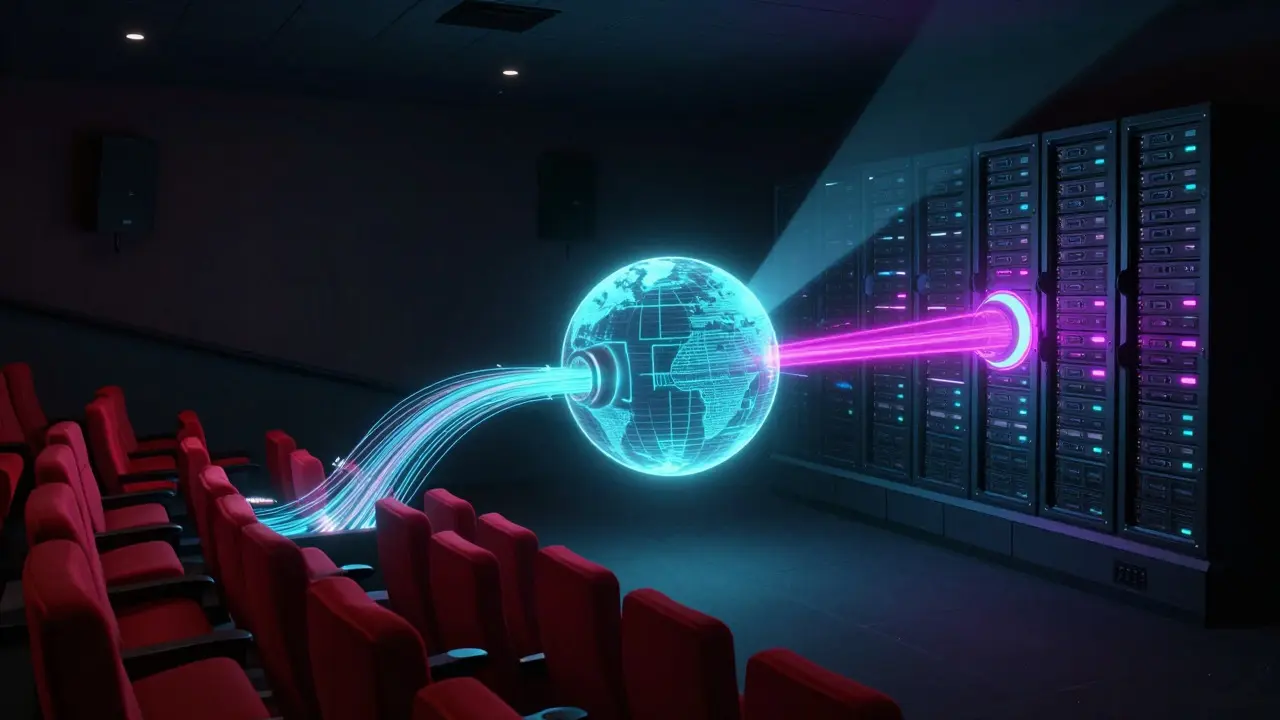
- Technical Delivery: Digital copies of the film are delivered to both cinema servers and streaming Content Delivery Networks (CDNs). Ensuring identical quality standards-such as Dolby Atmos audio and High Dynamic Range (HDR) visuals-across both formats is crucial for brand consistency.
- Marketing Synchronization: Advertising campaigns must highlight both options equally. Trailers end with split-screen CTAs: "In Theaters Now" and "Stream Tonight." Social media teasers avoid revealing specific platform exclusivity until the final week.
- Data Monitoring: On release day, analytics teams track ticket sales against streaming view counts in real-time. If a specific region shows low theater turnout but high streaming engagement, marketing spend can be dynamically shifted to digital channels within hours.
This level of integration requires robust backend systems. Studios rely on cloud-based asset management platforms to ensure that the master file distributed to Netflix in Europe is bit-for-bit identical to the one played in a multiplex in Australia.
Comparing Release Models: Traditional vs. Day-and-Date
To understand the strategic implications, it helps to compare the traditional sequential model with the day-and-date approach. The table below highlights key differences in risk, reward, and audience reach.
| Feature | Traditional Sequential Release | Day-and-Date / Hybrid Release |
|---|---|---|
| Theatrical Window | 90+ days exclusive | 7-30 days (or simultaneous) |
| Primary Revenue Driver | Box Office Ticket Sales | Subscription Retention + Box Office |
| Audience Reach Speed | Slow (weeks to months) | Immediate (global) |
| Piracy Risk | High during long windows | Moderate (reduced incentive to pirate) |
| Best Suited For | Event Films, Franchise Blockbusters | Mid-Budget Titles, Niche Genres, International Markets |
| Marketing Focus | Scarcity and Urgency | Accessibility and Convenience |
The data suggests that day-and-date works best when the film's value proposition is tied to convenience or immediacy rather than the "event" experience of a darkened theater. For instance, a documentary series or a comedy special often performs better with immediate streaming access than a high-budget action spectacle, which still benefits from the communal atmosphere of a large-format screen.
Challenges and Pitfalls of Simultaneous Drops
While the strategy offers clear advantages, it is not without risks. The most significant challenge is cannibalization. If the streaming option is too attractive, theater attendance may plummet, reducing the total revenue pool. Studios must carefully balance the perceived value of the theatrical experience against the convenience of home viewing.
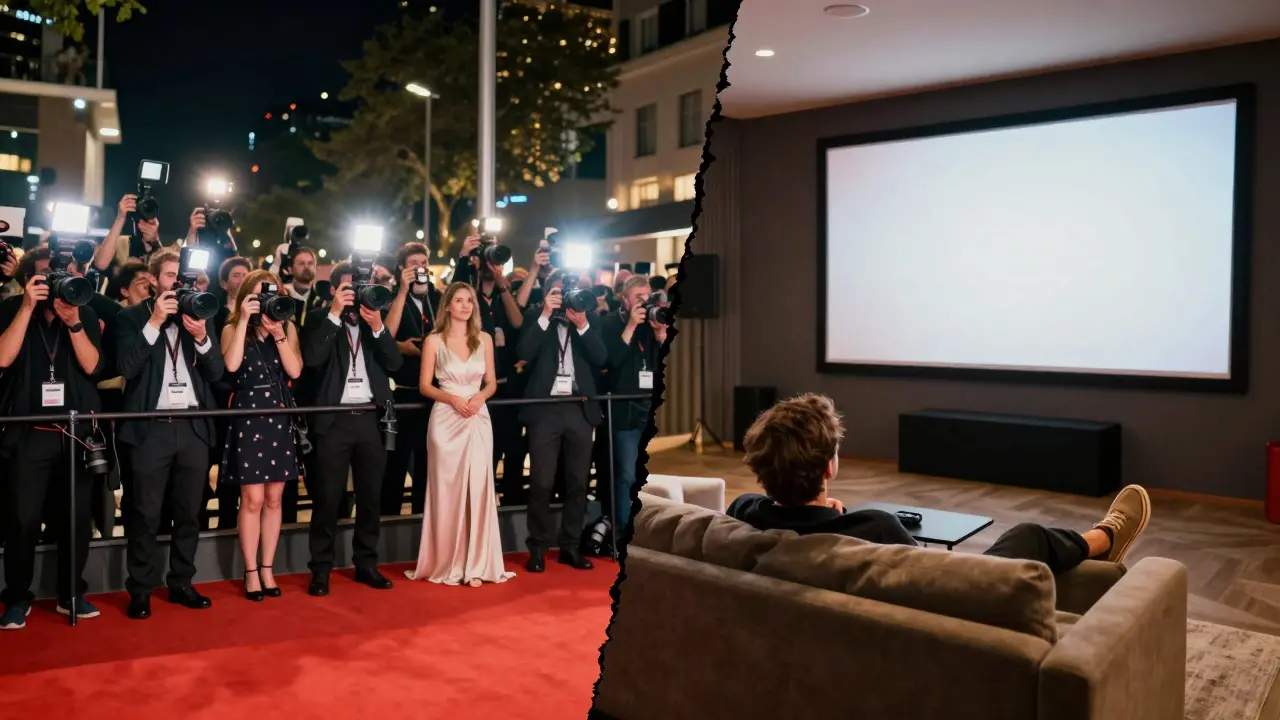
Another pitfall is the dilution of cultural impact. When a film is available everywhere instantly, it lacks the "watercooler effect" that builds over weeks as different groups watch at different times. The conversation happens all at once, which can shorten the lifespan of the buzz. To mitigate this, marketers often schedule staggered promotional events, such as red carpet premieres in different cities, to sustain interest beyond the initial drop.
Regional regulations also play a role. Some countries have legal requirements for minimum theatrical runs before digital release. In these cases, true day-and-date releases are impossible, leading to "quasi-day-and-date" strategies where the digital release occurs just after the local theatrical debut, creating a slight but acceptable delay.
Case Studies: Success Stories in 2025-2026
Recent examples illustrate how effective this strategy can be. Consider the mid-budget sci-fi thriller *Echoes of Tomorrow*, released in early 2026. The studio opted for a 14-day theatrical run alongside a simultaneous streaming launch on a major platform. Within two weeks, the film had earned $45 million in box office and generated an estimated $30 million in attributed subscription growth. The simultaneous release ensured that international audiences in Asia and Europe could watch the film without waiting for a physical disc or delayed digital upload, capturing 40% of its total global revenue in the first 48 hours.
In contrast, a high-profile drama released using a traditional 90-day window struggled to maintain momentum. While it opened strongly in North America, the long wait for international streaming caused a drop in social media engagement. By the time it hit streaming in other regions, the cultural conversation had already moved on. This case highlights the trade-off: traditional windows protect box office revenue but risk losing the broader cultural footprint in a fast-paced digital world.
Future Trends: What’s Next for Distribution?
Looking ahead, the line between theatrical and streaming will continue to blur. We expect to see more "premium day-and-date




Comments(8)