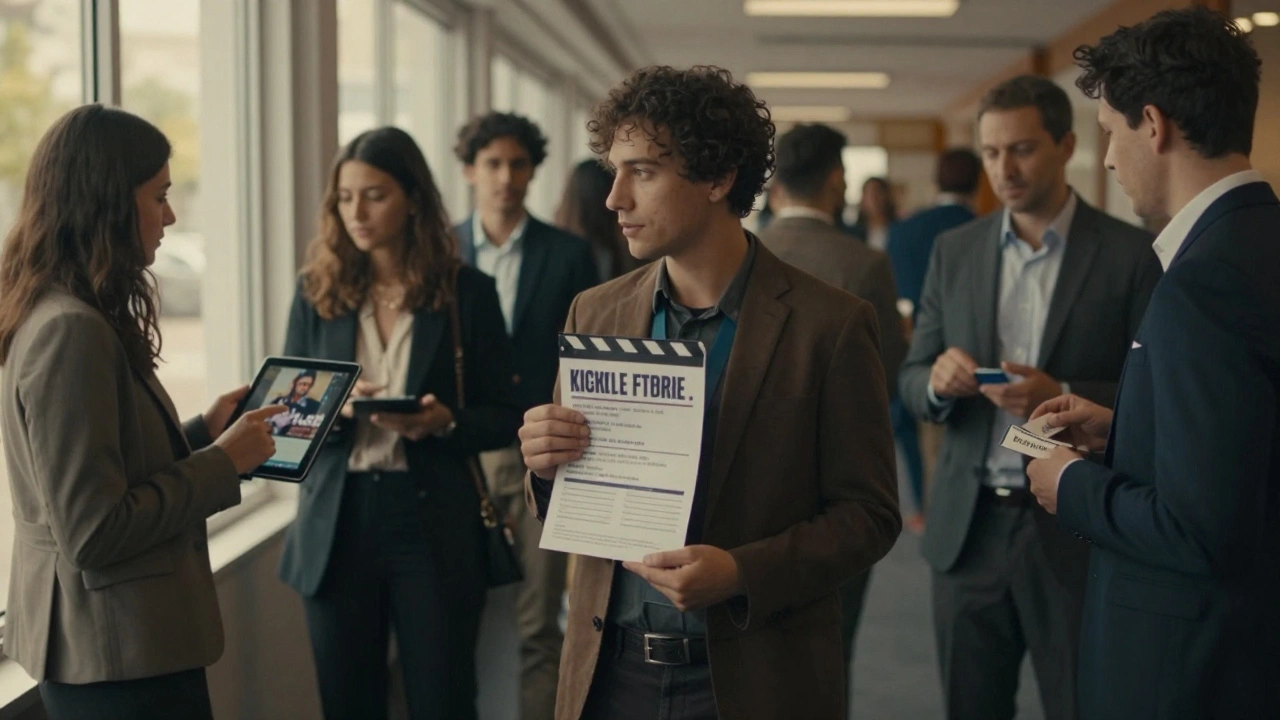
Walking into a film festival market for the first time can feel like showing up to a massive party where everyone knows each other-and you’re holding a single ticket to a room you don’t even know how to find. You’ve made a film. You believe in it. But now what? How do you get someone to watch it, buy it, or even just give you five minutes of their time? The truth is, film markets aren’t just about screenings. They’re about relationships, timing, and knowing where to show up. And if you’re a first-timer, you’re not behind-you’re just starting at a different point than everyone else.
Know What You’re Walking Into
Film markets like Cannes, Sundance, Toronto, and Berlin aren’t the same thing. Cannes is a global marketplace where studios and streaming giants make deals worth millions. Sundance is more about discovery and indie momentum. Toronto is where buyers come to find films with audience buzz. Berlin is where European co-productions thrive. If you think they’re all the same, you’ll waste time and money. Pick one that fits your film’s tone, budget, and target audience. A low-budget horror film doesn’t belong at Cannes. A poetic documentary might get lost at a genre-focused market. Know your fit before you book your flight.
Prepare Your Materials Before You Leave
You don’t need a fancy website. You need three things: a one-sheet, a trailer, and a press kit. That’s it. The one-sheet is a single page with your title, logline, director’s name, key cast, runtime, genre, and a striking image. No fluff. No paragraphs. No quotes from critics you haven’t earned yet. The trailer? It has to grab attention in 60 seconds. If it doesn’t make someone say, “Wait, what’s this?” by the 10-second mark, it’s not working. The press kit includes stills, director’s bio, and one paragraph about why this film matters. No 10-page PDFs. No PDFs at all if you can help it. Buyers scan. They don’t read. Make it easy for them to say yes.
Don’t Just Wait for Meetings
Most first-timers think the key is to get into as many scheduled meetings as possible. That’s backwards. Meetings are rare. You’ll spend 80% of your time walking around, talking to people in line, sitting in the back of a screening, or grabbing coffee with someone who just watched your film. The best deals happen when you’re not pitching. When you’re laughing with a distributor over breakfast. When you ask a sales rep, “What’s the one thing you wish filmmakers did differently?” and actually listen. Film markets are built on trust. You don’t earn trust by handing out DVDs. You earn it by showing up, being real, and remembering names.
Bring the Right People
Don’t go alone. Bring your producer. Bring your lead actor. Bring someone who can handle logistics. But don’t bring your cousin who edits YouTube videos. You need people who understand the business side. Your producer should know how to talk about rights, territories, and advance payments. Your actor should be comfortable talking about the film in interviews. If you bring someone who can’t answer basic questions about distribution, you’re just dragging dead weight. And if you’re a solo filmmaker? Find a mentor. Many festivals have free mentorship programs. Use them. Someone who’s been through this before can save you months of mistakes.
Watch What Sells
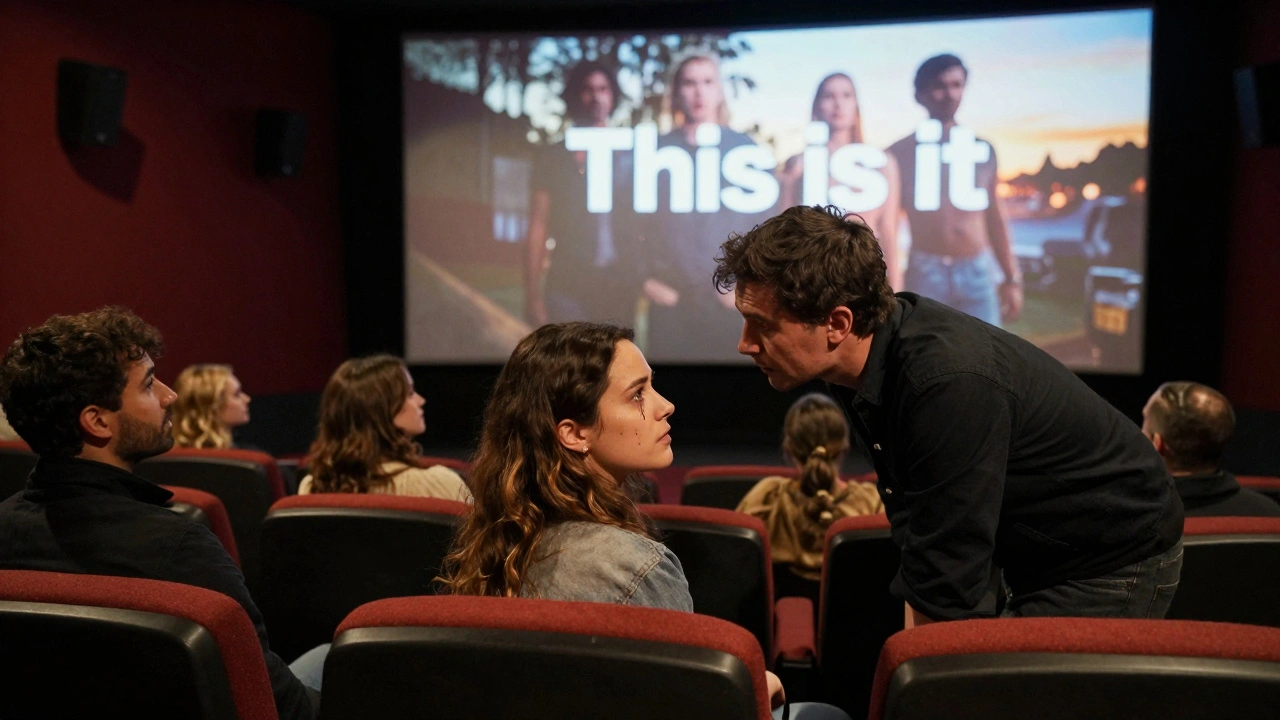
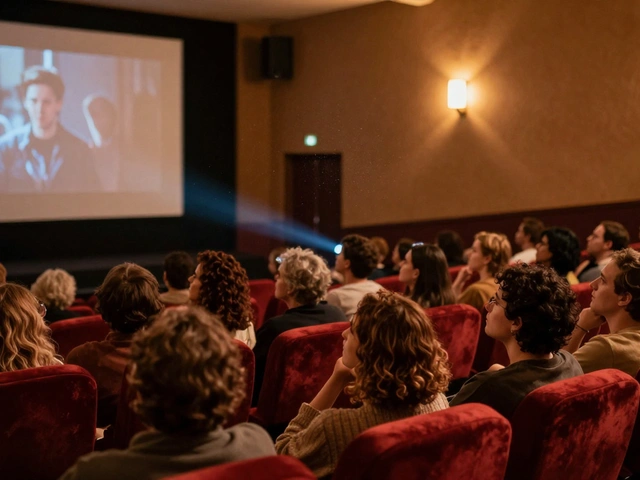
Go to screenings-not just yours. Watch what gets applause. Watch what gets quiet. Watch what people talk about in line afterward. If a film with a $200,000 budget gets a standing ovation and three offers before the credits roll, that’s your signal. That’s the kind of energy buyers look for. If a film with a $2 million budget gets a half-empty room and zero buzz, that’s your signal too. You don’t need to copy it. But you need to understand what makes a film stick. Is it the lead performance? The music? The ending? Figure out what moves people. Then ask yourself: does my film do that?
Track Your Leads, Not Your Contacts
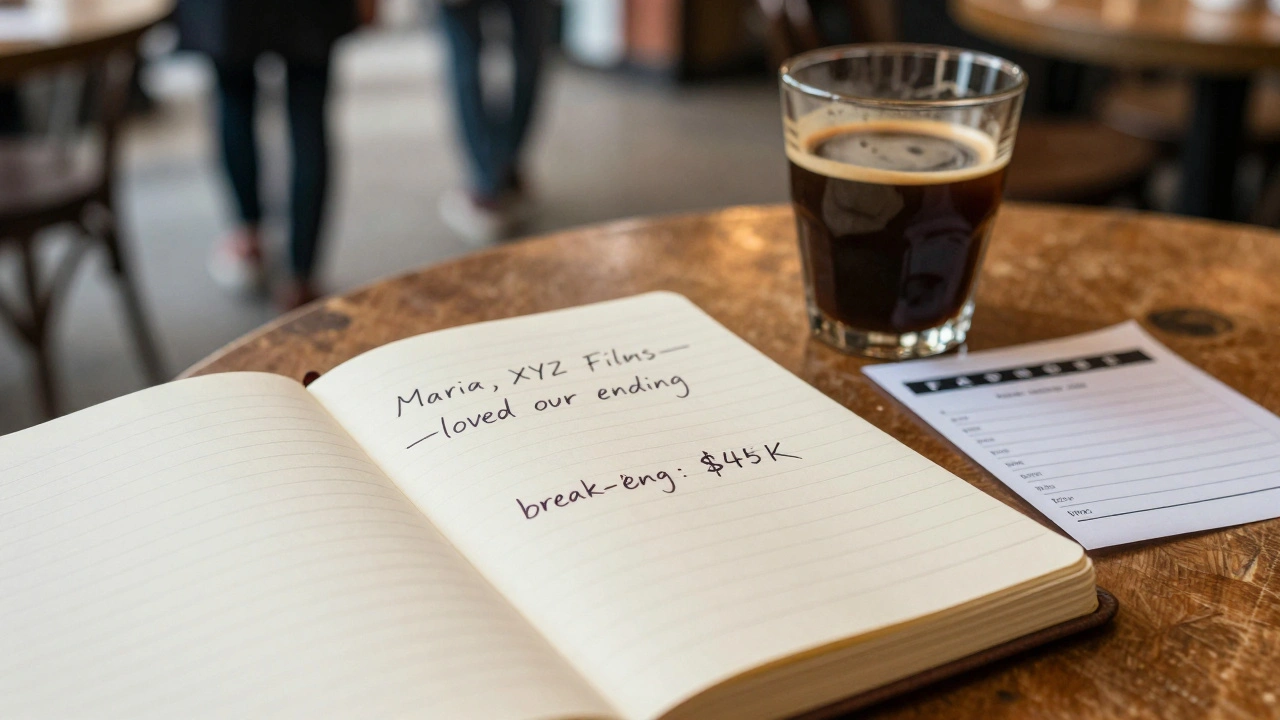
You’ll meet 50 people in three days. You’ll hand out 30 business cards. But only three of them will matter. Don’t collect names. Collect context. Write down: “Maria, XYZ Films-said she’s looking for character-driven dramas with female leads. Loved our ending.” That’s a lead. Not just a name. That’s someone who might email you next week. If you just write “Maria, distributor,” you’ll forget her by Tuesday. Use a simple notebook or a free app like Notion. Tag each contact with what they said, what they’re looking for, and what you promised to send them. Follow up within 48 hours. A quick, personal email. Not a template. Say: “Thanks for watching. I still think about what you said about the third act. Here’s the full script if you want it.” That’s how deals start.
Know Your Numbers
You can’t sell what you don’t understand. What’s your minimum acceptable offer? What’s your break-even point? How much did you spend to make this film? What’s your expected return from streaming, TV, and physical sales? If you don’t know this, you’ll say yes to a bad deal just because someone said “yes.” I’ve seen filmmakers give away 80% of their rights for $10,000 because they were scared to ask for more. That’s not courage. That’s panic. Know your numbers before you go. If your film cost $80,000 to make, and you expect $15,000 from streaming, $20,000 from TV, and $10,000 from physical sales-you need at least $45,000 to break even. Anything less is a loss. Don’t be afraid to say no. A no now is better than a regret in six months.
Don’t Expect a Deal on Day One
Most films don’t sell at their first festival. Not even close. The ones that do? They’re the exceptions. The rule is this: you go to one festival to build relationships. You go to the next to test reactions. You go to the third to close the deal. Your first festival isn’t about selling. It’s about learning. Who’s buying? What’s hot? Who’s quiet? Who’s lying? You’ll figure it out. And next time, you’ll be ready. Don’t go in thinking you need to walk out with a contract. Go in thinking you need to walk out with three real connections.
What Happens After the Festival?
When you get home, don’t just file your notes and forget. Send those follow-up emails. Update your one-sheet with new press quotes. Add your festival awards to your website. Start pitching to smaller markets you missed. If you didn’t get a deal, that’s not failure. That’s data. You now know what works and what doesn’t. Use it. Many successful films were rejected at first festivals and found their home six months later. Your film isn’t done. It’s just getting started.
Do I need a sales agent to sell my film at a festival?
Not always, but it helps. A sales agent has relationships with distributors, knows what’s selling, and can negotiate better deals. But if you’re on a tight budget, you can do it yourself-especially at smaller festivals. Just be prepared to do the legwork: follow up, send materials, answer questions, and understand contracts. Many first-time filmmakers successfully self-distribute their films by being persistent and organized.
What’s the best way to get noticed at a crowded festival?
Don’t try to stand out by being loud. Stand out by being reliable. Show up early to screenings. Stay for Q&As. Ask thoughtful questions. Offer to help other filmmakers with their materials. People remember those who are helpful, not those who are pushy. If you’re friendly, prepared, and consistent, you’ll naturally build visibility. Also, get your film into the official festival app. Many buyers use it to find films. Make sure your listing is complete and accurate.
How much money should I budget for a film market trip?
Plan for at least $5,000-$10,000, depending on the festival. That covers flights, lodging (shared rooms help), festival passes, meals, printing materials, and a small buffer for unexpected costs. Don’t go over budget just to impress people. Most buyers care about your film-not your hotel suite. If you can’t afford it, consider applying for grants, crowdfunding, or partnering with another filmmaker to share costs. The goal is to be there, not to look rich.
Should I screen my film to buyers before the official premiere?
Yes, but only if you can control the environment. Some festivals allow private screenings for buyers before public ones. Use those. It’s your best shot to get honest feedback and serious interest. But don’t screen it to random people in a hotel room. That’s risky. You could leak it. Or worse-someone could copy it. Always use password-protected links and watermarked copies. And never send a full-resolution file unless you have a signed NDA.
What if my film doesn’t get picked up at all?
That’s not the end. Many films find distribution after festivals through direct-to-streaming platforms, educational markets, or niche distributors. You can self-distribute digitally through Vimeo On Demand or Amazon Direct. You can license it to public TV stations, libraries, or film societies. You can even sell it internationally through online marketplaces. The key is to keep promoting it. Your film isn’t dead. It’s just waiting for the right audience. Keep updating your website. Keep submitting to smaller festivals. Keep reaching out. Persistence beats perfection every time.
Final Thought
Film markets aren’t about luck. They’re about showing up, again and again, with something real. You don’t need a famous name. You don’t need a big budget. You just need to be ready. Know your film. Know your numbers. Know your people. And don’t give up after one try. The ones who make it aren’t the loudest. They’re the ones who keep showing up.




Comments(7)