
Walk into a movie theater today, and you might notice something odd. The popcorn isn't as big, the lines aren't as long, and the audience is older than it was five years ago. The global box office is no longer just about who shows up on opening weekend; it's a complex puzzle of shifting habits, new competitors, and changing economics. For decades, the rule was simple: bigger budget means bigger returns. That rule is breaking down.
The core problem facing studios right now is that the traditional revenue model is leaking. Audiences have more options than ever before, and they are spending their money differently. This article breaks down what is actually happening in entertainment markets worldwide, why the numbers look different than they did in 2019, and what this means for the future of cinema.
Key Takeaways
- Streaming services are no longer just a backup plan; they are primary destinations for many viewers, reducing theatrical demand for mid-budget films.
- The "franchise fatigue" effect is real. Audiences are tired of sequels and expecting original stories to compete with established brands.
- International markets, particularly in Asia and Europe, are driving global totals, but local content is gaining strength over Hollywood imports.
- Theatrical releases are becoming more event-driven. Only films with strong social buzz or unique visual experiences are drawing large crowds.
- Pricing strategies are evolving, with dynamic ticketing and premium formats becoming standard to maximize per-customer revenue.
The Shift from Volume to Value
In the past, studios relied on volume. They released dozens of films a year, hoping a few would hit it big. Today, the strategy has shifted toward value. Fewer films are being made, but those that are released need to perform exceptionally well to justify their high production costs. This change is driven by the rise of streaming platforms. Companies like Netflix, Disney+, and Amazon Prime Video offer instant access to thousands of titles. Why wait two weeks for a mid-tier action movie to hit theaters when you can watch it at home for $15 a month?
This convenience has created a bifurcated market. On one end, you have massive blockbusters-think superhero movies, major franchise sequels, and animated hits-that people still want to see on the big screen because the experience is hard to replicate at home. On the other end, you have smaller dramas, comedies, and genre films that go straight to digital or streaming. The middle ground, where most films used to live, has shrunk significantly. This "middle gap" is the biggest structural change in the industry. Studios are betting everything on tentpole titles, which increases risk but also potential reward if the bet pays off.
The Rise of Event Cinema
If a film doesn't feel like an event, audiences stay home. This concept, known as event cinema, relies on factors beyond the plot. It’s about the social aspect, the visual spectacle, and the shared experience. Films with strong marketing campaigns that create hype before release tend to perform better. Social media plays a huge role here. A viral moment on TikTok or Instagram can drive attendance more effectively than traditional TV ads.
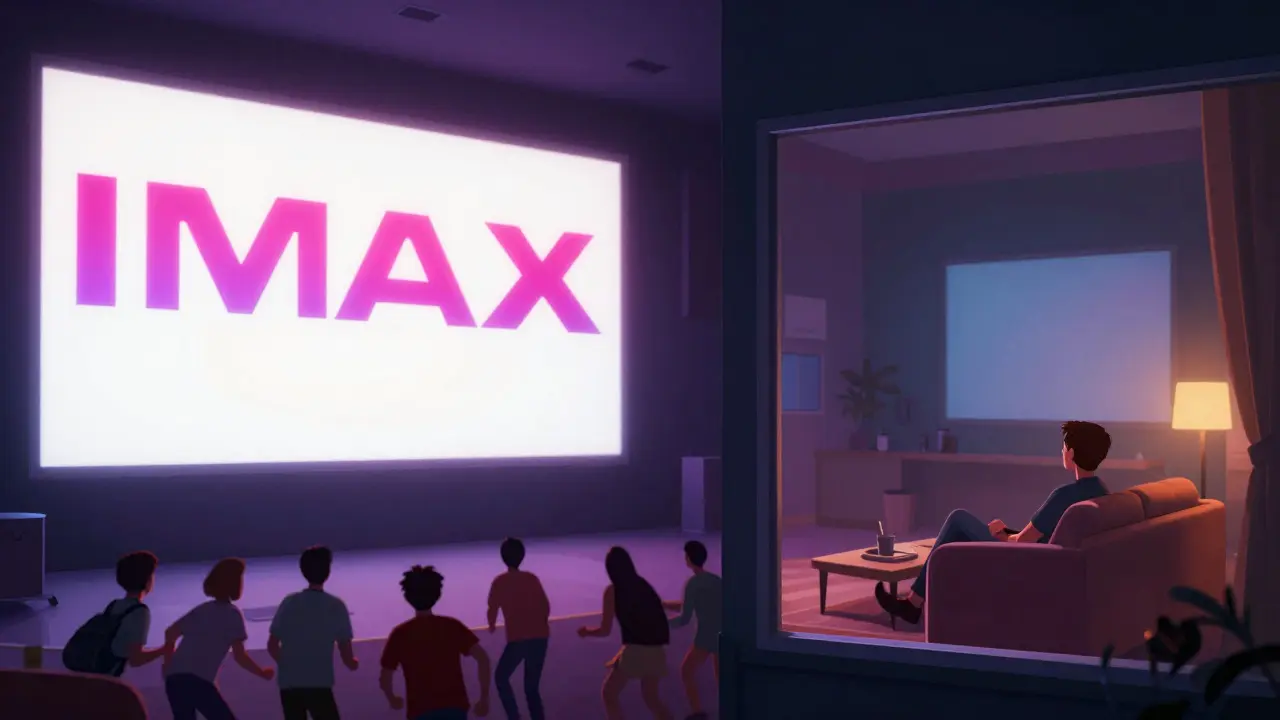
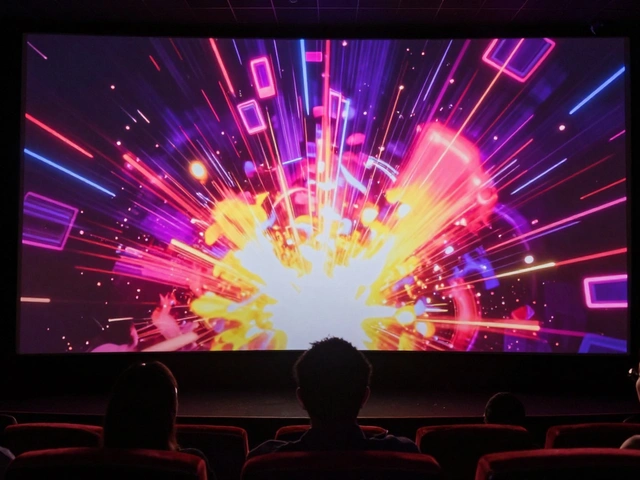
Cinemas are adapting to this trend by offering premium experiences. IMAX screens, Dolby Atmos sound systems, and reclining seats are no longer luxuries; they are expectations. These premium formats allow theaters to charge higher ticket prices, which helps offset lower attendance numbers. For example, a standard ticket might cost $12, but an IMAX ticket can be $25 or more. This price difference matters when attendance drops by even 10%. By focusing on quality over quantity, theaters are trying to make the trip worth the extra cost for the viewer.
International Markets Are Driving Growth
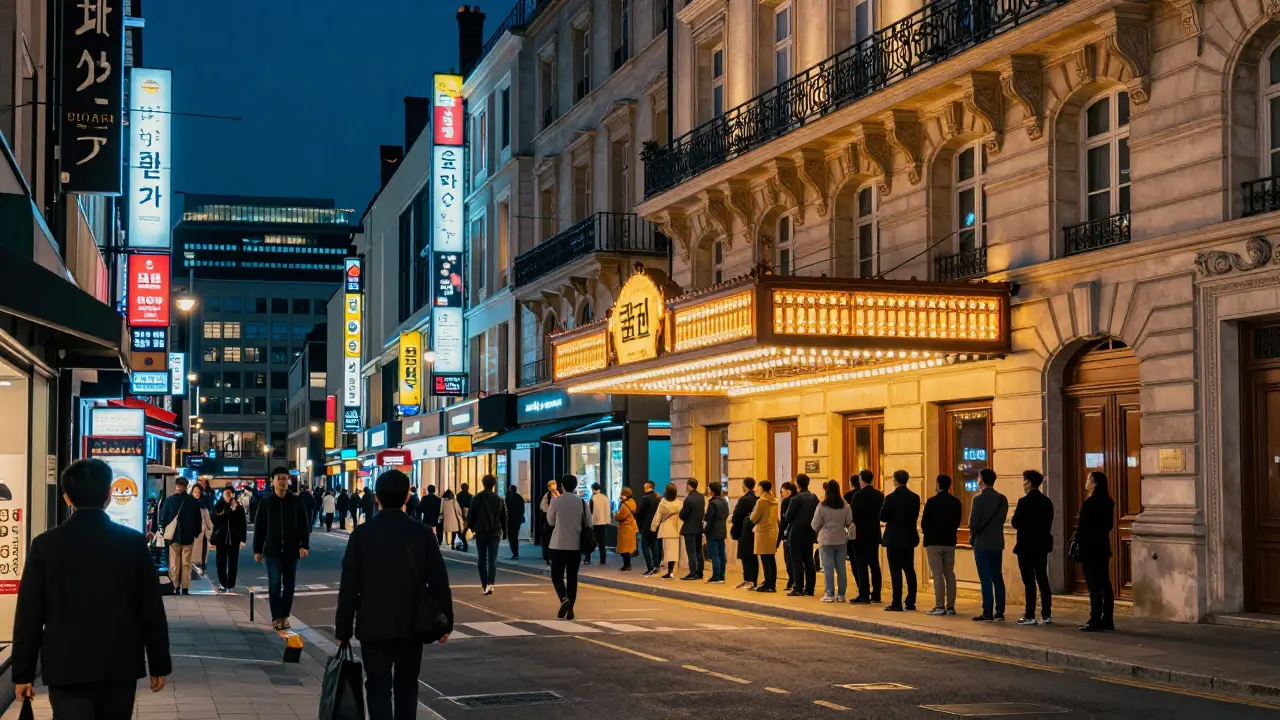
While the United States remains a key market, it accounts for a smaller share of global box office revenue than it did a decade ago. International markets, especially in China, Japan, South Korea, and Europe, are increasingly important. However, these markets are not just passive consumers of Hollywood products. Local films are performing strongly. In South Korea, domestic films often outperform American imports. In India, Bollywood continues to dominate its own market, with limited crossover success for Western films unless they are massive global franchises.
This shift means that studios cannot rely solely on a single global strategy. A film that works in Los Angeles might flop in Seoul. Understanding local tastes, cultural nuances, and release timing is crucial. For instance, release dates in China are heavily regulated and depend on government approval, which can delay launches by months. Studios are now hiring local experts to navigate these complexities. The result is a more fragmented but also more diverse global landscape. Instead of one dominant narrative, we are seeing multiple regional powerhouses competing for attention.
Franchise Fatigue and Original Stories
For the last fifteen years, the box office was dominated by franchises. Marvel, Star Wars, Fast & Furious, Harry Potter-these brands guaranteed a certain level of interest. But lately, audiences are showing signs of fatigue. The novelty is wearing off. When every movie feels like part of a larger continuity, the stakes can feel less personal. This is leading to a resurgence of interest in original stories and standalone films.
We are seeing more directors take risks with unique concepts. Films that focus on character development rather than world-building are finding audiences. This doesn't mean franchises are dead-they are still the safest bets for studios-but the margin for error is shrinking. If a sequel underperforms, the brand damage can be significant. Studios are responding by diversifying their portfolios. They are investing in indie productions, international co-productions, and genre hybrids that don't fit neatly into existing categories. This diversity helps mitigate the risk of relying too heavily on a single type of content.
Economic Factors and Consumer Behavior
You can't talk about box office trends without mentioning the economy. Movie tickets are a discretionary expense. When inflation rises or job security wavers, people cut back on non-essential spending. During economic downturns, attendance tends to dip. However, movies also serve as an escape, so some genres can actually benefit from uncertainty. Horror and comedy films often see spikes in popularity during stressful times because they offer relief without requiring deep emotional investment.
Consumer behavior is also influenced by technology. The average age of a moviegoer is rising. Younger demographics are more likely to stream at home, while older adults prefer the theater experience. This demographic shift affects the types of films that get made. Studios are targeting older audiences with nostalgic content or mature themes, knowing that this group has more disposable income and is more likely to pay premium prices for tickets. Marketing strategies are adjusting accordingly, with more emphasis on trust and reputation rather than pure hype.
Comparison of Market Dynamics
| Aspect | Traditional Model (Pre-2015) | Modern Model (2020s) |
|---|---|---|
| Release Strategy | High volume, wide releases | Low volume, event-driven releases |
| Revenue Source | Theatrical ticket sales primary | Hybrid: Theatrical + Streaming + Digital |
| Audience Target | Broad general public | Niche segments + Premium experience seekers |
| Risk Profile | Diversified across many titles | Concentrated on few tentpoles |
| Marketing Focus | TV ads, print, radio | Social media, influencer partnerships, digital |
What This Means for the Future
The future of the film industry isn't about choosing between theaters and streaming. It's about integration. The line between the two is blurring. Some films will have shorter theatrical windows before hitting streaming platforms. Others will remain exclusive to cinemas for longer periods to protect the theatrical experience. The winners will be those who understand that the goal isn't just to sell tickets, but to build lasting relationships with audiences across all platforms.
For creators, this means telling stories that resonate deeply, regardless of where they are watched. For studios, it means balancing risk with innovation. And for viewers, it means having more choices than ever before. The box office isn't dying; it's evolving. The question isn't whether movies will continue to matter, but how we choose to experience them. As long as there is a desire for shared storytelling, there will be a place for the big screen. The challenge is making sure that place stays relevant in a world full of glowing rectangles in our pockets.
Is the movie theater business dying?
Not exactly. Attendance is lower than peak years, but theaters are adapting by offering premium experiences and focusing on event films. The business is shrinking in volume but growing in value per customer. It is transitioning from a mass-market utility to a niche entertainment option.
Why do fewer movies get released in theaters now?
Studios are consolidating resources on high-potential titles to maximize returns. Mid-budget films that previously had a theatrical window are now going directly to streaming or digital platforms to reduce distribution costs and reach audiences faster.
How does streaming affect box office revenue?
Streaming competes for consumer attention and wallet share. It reduces the urgency to see films immediately upon release. However, it also serves as a discovery tool, where popular streaming titles can generate buzz that drives theatrical interest for similar upcoming releases.
Which regions are currently leading global box office growth?
Asia-Pacific regions, including China, Japan, and South Korea, along with parts of Europe, are driving significant growth. These markets are maturing with stronger local industries and higher per-capita spending on entertainment.
What is 'event cinema'?
Event cinema refers to films that are marketed as must-see experiences due to their scale, social relevance, or technical presentation. These films rely on word-of-mouth and social media hype to drive attendance, often featuring premium formats like IMAX or Dolby Atmos.




Comments(9)