It’s 2026, and you can buy a brand-new VHS tape from a small shop in downtown Asheville-complete with hand-screened covers, custom artwork, and a note from the filmmaker. Not as a joke. Not as a prop. As a real product, sold to people who will play it on a 30-year-old VCR and call it a night. This isn’t nostalgia for nostalgia’s sake. It’s a quiet, stubborn movement: analog film formats are coming back, not because they’re better, but because they’re different.
What’s Really Going On With VHS?
By the early 2000s, VHS was dead. DVDs took over. Then streaming killed the last of it. But around 2018, something strange started happening. Independent filmmakers, underground distributors, and collectors began pressing new movies onto VHS. Not reissues of old classics. Original films. Horror shorts. Experimental documentaries. Even lo-fi indie comedies. Why? Because VHS isn’t just a format-it’s a statement.
Unlike digital files that live in the cloud or on hard drives, a VHS tape is physical. You hold it. You insert it. You watch it with the hiss, the tracking errors, the occasional freeze-frame. That imperfection? That’s the point. In a world where every movie is perfectly rendered in 4K, VHS feels human. It’s messy. It’s warm. It’s alive.
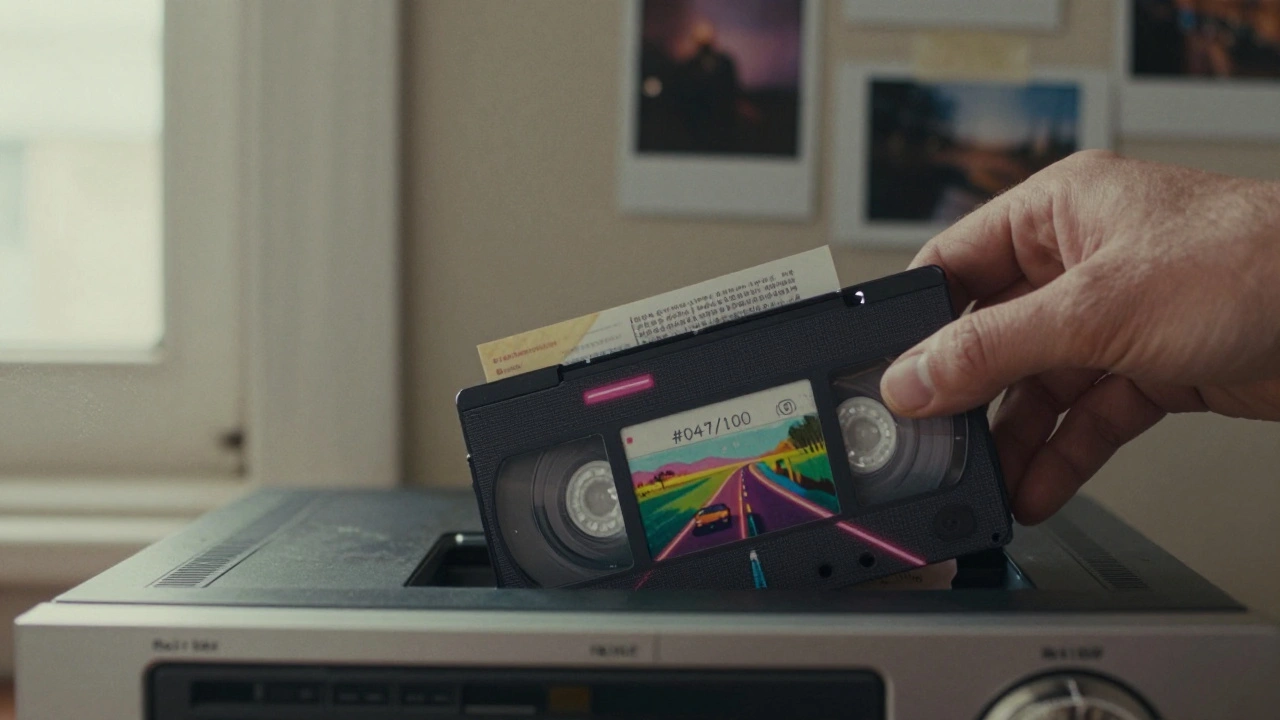
Companies like Tape City is a small-run VHS label based in Portland that releases 50 to 100 copies per title, often hand-numbered and packaged with zines. have built entire businesses around this. One of their most popular releases, Midnight Drive, a 1980s-style synth-horror film, sold out in 72 hours. The creators didn’t even have a website. They sold it through Instagram DMs.
Why Not Just Use Streaming?
Why would anyone pay $25 for a VHS tape when they could stream the same movie for free on YouTube? Because streaming doesn’t give you ownership. It gives you access. And access can vanish overnight. A film gets pulled. A platform shuts down. A copyright claim deletes it forever.
With VHS, you own the object. You can lend it. You can trade it. You can leave it in a drawer for ten years and play it again. There’s no algorithm deciding whether you’re "worthy" of watching it. No recommendation engine pushing you toward the next trending title. You pick it up. You press play. You decide what happens next.
It’s the same reason vinyl records came back. Not because they sound better than Spotify. But because they force you to slow down. To sit. To listen. To turn the record over.
The Rise of Beta, 8mm, and Super 8
VHS isn’t alone. Other analog formats are seeing a quiet resurgence, too. Beta tapes-once considered the loser in the format war-are now prized by collectors for their higher video quality. A few boutique studios are releasing limited-edition Beta copies of experimental films. One filmmaker in Austin, Lena Voss is an independent director whose 2023 film Static Bloom was released on Beta, VHS, and Super 8, with each format offering a different edit. created three versions of her film: one for each format. The Super 8 version was grainier, slower, and included footage shot on her grandfather’s old camera. The Beta version had a cleaner audio track. The VHS version had intentional tracking noise added to mimic a worn-out rental copy.
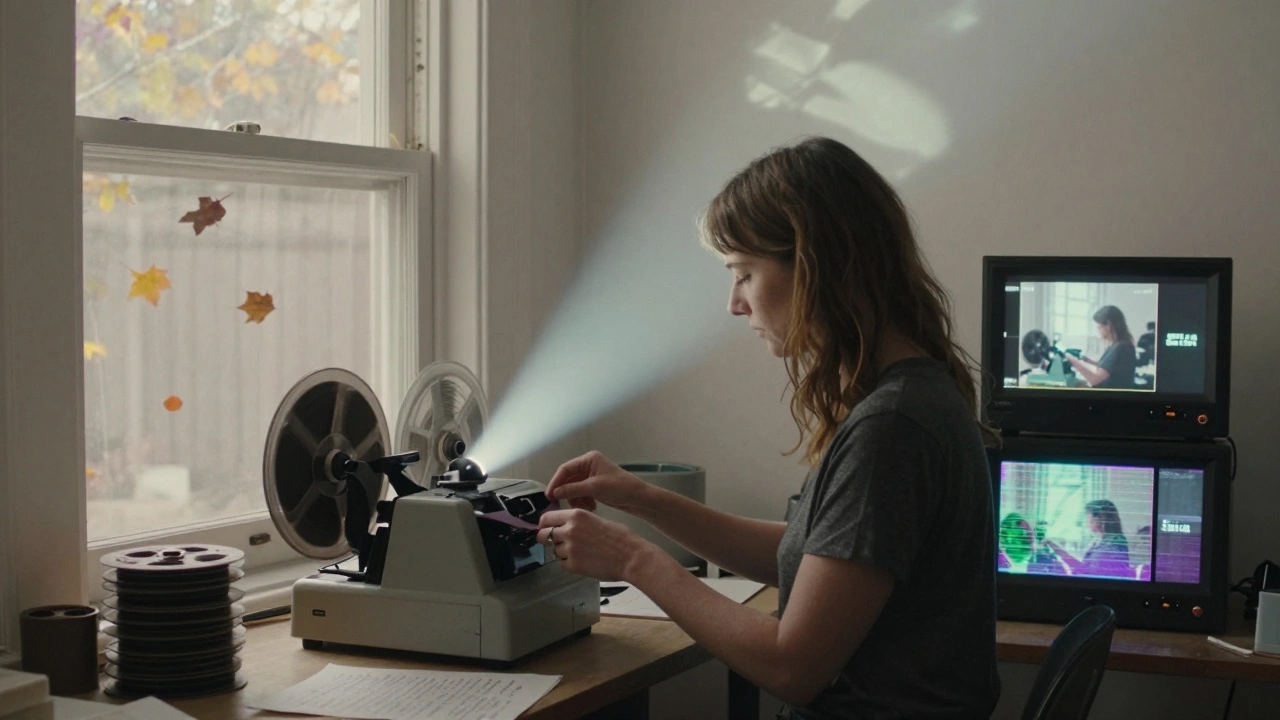
Super 8 film is also making a comeback. Companies like Kodak is the original film manufacturer that resumed production of Super 8 film stock in 2021 after a decade-long pause, citing demand from indie filmmakers and art schools. restarted production in 2021. Film schools in Chicago, New Orleans, and Portland now require students to shoot at least one project on Super 8. Why? Because it teaches patience. You can’t review footage instantly. You have to wait. You have to think. You have to plan.
The Community Behind the Format
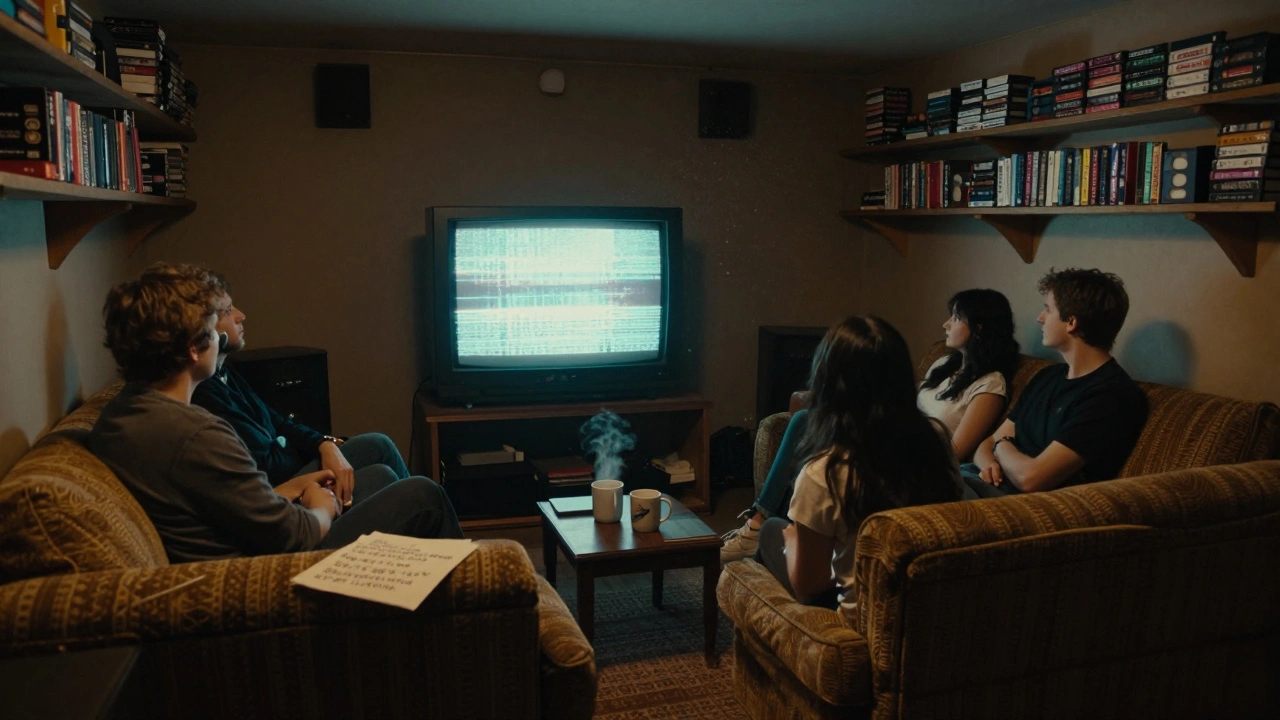
This isn’t just about gear. It’s about community. VHS collectors don’t just hoard tapes-they host screenings. They trade tapes at record stores. They organize midnight viewings in basements and art galleries. In Los Angeles, there’s a monthly event called Reel Noise where people bring their favorite VHS tapes to share. No projector? No problem. They use old TVs with built-in VCRs. The room is dark. The sound is crackly. The energy is electric.
Online forums like VHS Archive is a community-run database with over 12,000 cataloged tapes, including obscure titles from Japan, Eastern Europe, and rural America. have become treasure maps for rare finds. Someone in Ohio might be looking for a 1987 horror film called The Whispering Barn. Someone in Poland has a copy. They mail it. No PayPal. No shipping label. Just a handwritten note tucked inside the case.
Why This Matters for Film Culture
Most movies today are made to be consumed quickly. They’re designed to be scrolled past. To be binge-watched. To be forgotten by the next algorithm update. But analog film forces a different relationship with storytelling. It demands presence. It resists distraction.
When you watch a VHS tape, you’re not just watching a movie. You’re experiencing the history of the medium. You’re seeing how a film was copied, duplicated, rented, worn out, and passed along. You’re seeing the fingerprints of its journey.
For filmmakers, releasing on analog means rejecting the idea that art must be scalable. It’s about intimacy, not reach. It’s about creating something that lasts because it was made to be held, not just viewed.
How to Get Started
Curious about diving into analog film culture? You don’t need a vintage VCR or a collection of 500 tapes to begin. Here’s how:
- Visit a local record store that sells used media. Many now have a small section for VHS.
- Look for independent labels like Tape City is a small-run VHS label based in Portland that releases 50 to 100 copies per title, often hand-numbered and packaged with zines., Cinecopia is a Brooklyn-based distributor specializing in analog film formats including VHS, Beta, and Super 8., or Analog Archives is a UK-based collective that curates and distributes experimental films on analog formats..
- Buy one tape. Just one. Pick something weird. Something you’ve never heard of.
- Watch it on a real VCR. Don’t digitize it. Don’t record it. Just watch it as it is.
- Afterward, write down how you felt. Did it feel slower? Deeper? Stranger? That’s the point.
You don’t need to become a collector. You just need to remember that movies can be more than data. They can be objects. Memories. Artifacts.
The Future of Analog Film
Will VHS replace streaming? No. Will it ever be mainstream? Probably not. But that’s not the goal. This movement isn’t about winning. It’s about preserving an alternative. A way of experiencing film that doesn’t rely on servers, subscriptions, or surveillance.
Every time someone buys a VHS tape, they’re saying: I value the physical. I value the handmade. I value the imperfect. And in a world that’s increasingly digital, that’s not just a choice-it’s a quiet act of resistance.
Why are people paying so much for VHS tapes now?
People aren’t paying for the video quality-they’re paying for the experience. A new VHS release often includes hand-made packaging, custom artwork, and sometimes even a zine or postcard. Limited runs of 50 to 100 copies create scarcity. Plus, many tapes contain films that aren’t available anywhere else. It’s collectible art, not just a movie.
Can I still buy VCRs?
Yes, but not new. Most VCRs sold today are used, refurbished, or vintage. Online marketplaces like eBay and Etsy have thousands of working units. Some specialty shops in cities like Portland, Austin, and Brooklyn even sell refurbished VCRs with new belts and cleaning kits. Expect to pay $50-$150 depending on condition.
Are VHS tapes still being made?
The original manufacturers stopped production decades ago. But today, small companies are producing blank VHS tapes using leftover machinery and recycled materials. Brands like Verbatim and Maxell still have small batches made in Asia for niche markets. These are sold almost exclusively to indie filmmakers and collectors.
Is Super 8 film still being produced?
Yes. Kodak resumed production of Super 8 film stock in 2021 after a decade-long pause. Demand came from film schools, indie filmmakers, and artists who want the unique texture and grain of analog film. The film is more expensive than digital storage-about $15 per 50-foot cartridge-but it’s the only way to capture footage with that unmistakable analog look.
What’s the difference between VHS and Beta tapes?
Beta tapes, developed by Sony, offered better video and audio quality than VHS in the 1980s. But VHS had longer recording time and lower cost, so it won the format war. Today, Beta is rarer and more prized by collectors for its cleaner picture. Some modern releases are pressed on Beta for its superior resolution, especially for experimental films where image clarity matters.


Comments(5)