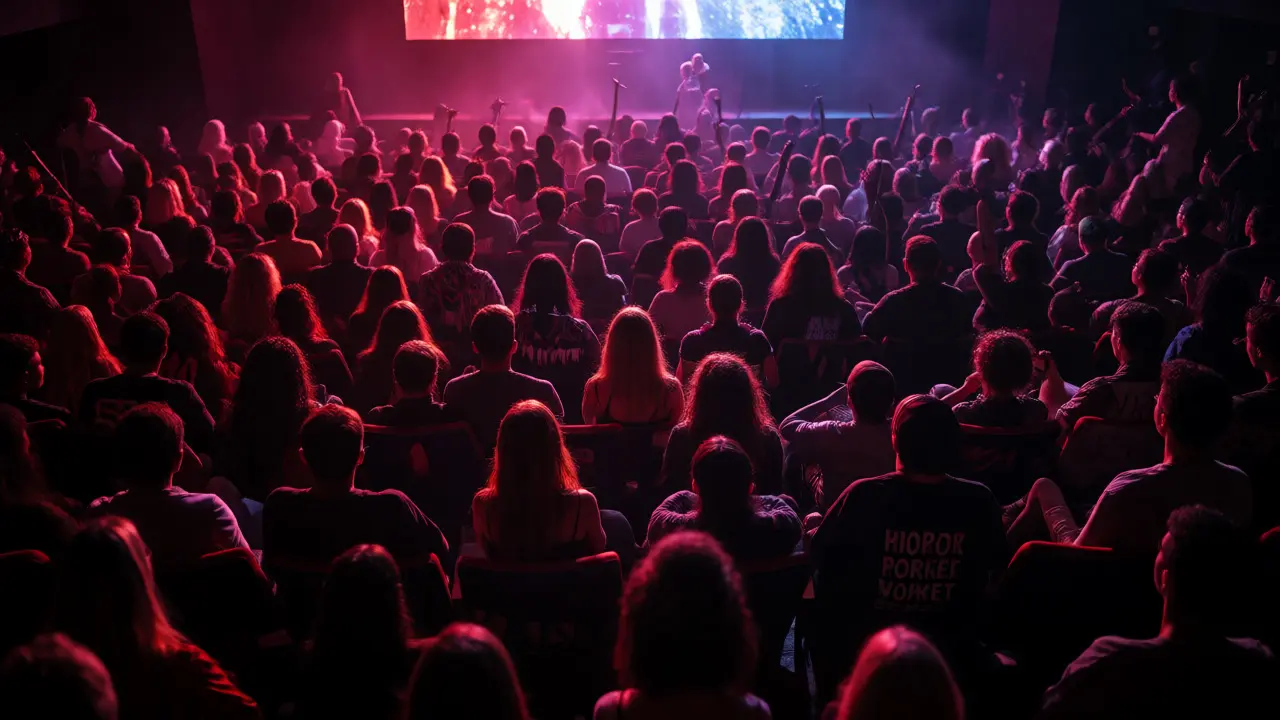
Walk into a mainstream film festival screening of a three-hour political drama on a Tuesday afternoon, and you might hear crickets. Walk into the same venue at midnight for a slasher flick or an animated feature, and the energy is electric. It’s not just about the movies; it’s about the ritual. Genre Nights have become the secret weapon for film festivals looking to broaden their demographic reach beyond the traditional cinephile crowd. These specialized programming blocks-specifically Horror Midnights and Animation Blocks-transform passive viewing into active community events.
If you run a festival or are trying to understand why your ticket sales plateau with older demographics while younger audiences scroll past, look no further than the genre block. This isn't about dumbing down cinema. It's about speaking the language of fandom. When you program a late-night horror slot or a weekend animation showcase, you aren't just selling tickets; you're inviting people into a tribe. Let’s break down how these specific formats work, why they convert casual viewers into loyal attendees, and how you can replicate this success without turning your serious arts festival into a carnival.
The Psychology of the Midnight Slot
There is something inherently communal about fear. Watching a horror movie alone in your living room is fine, but watching it with 500 strangers who gasp, laugh, and scream in unison? That’s an experience. The Midnight Madness tradition, popularized by festivals like Toronto International Film Festival (TIFF) and Fantastic Fest, relies on high-energy engagement. Unlike daytime dramas where silence is golden, horror thrives on noise.
Festivals leverage this by curating Horror Midnights as social hubs. You’ll see attendees dressed in costumes, holding prop weapons, or wearing t-shirts from their favorite indie horror studios. This visual cue signals safety and belonging to newcomers. If you’ve ever felt intimidated by the pretension of art-house cinema, a midnight horror show removes that barrier. No one cares if you didn’t catch the subtle lighting reference in Act Two; they care that the jump scare at minute 45 made everyone spill their popcorn.
| Metric | Daytime Drama Screening | Horror Midnight Screening |
|---|---|---|
| Average Audience Age | 45-65 years | 18-35 years |
| Social Media Mentions per Hour | Low (Passive posting) | High (Live tweeting/reactions) |
| Merchandise Sales Spike | Negligible | Significant (T-shirts, posters) |
| Post-Screening Discussion Length | Short, polite | Long, heated, enthusiastic |
The data backs up the vibe. While dramatic films attract industry professionals and critics, genre nights attract influencers and content creators. A single viral clip from a midnight Q&A session can drive more ticket sales for next year than a full-page ad in a local newspaper. The key here is authenticity. Don’t force a horror film into a slot if the tone doesn’t match. Audiences smell inauthenticity faster than they smell stale popcorn.
Animation Blocks: Bridging the Generational Gap
For decades, animation was ghettoized as "kids' stuff." If you were an adult attending a major festival, admitting you wanted to see an animated feature often came with a side of shame. That has changed dramatically. Thanks to global hits like Spider-Man: Across the Spider-Verse and the rise of prestige anime, animation is now recognized as a sophisticated artistic medium capable of complex narrative structures.
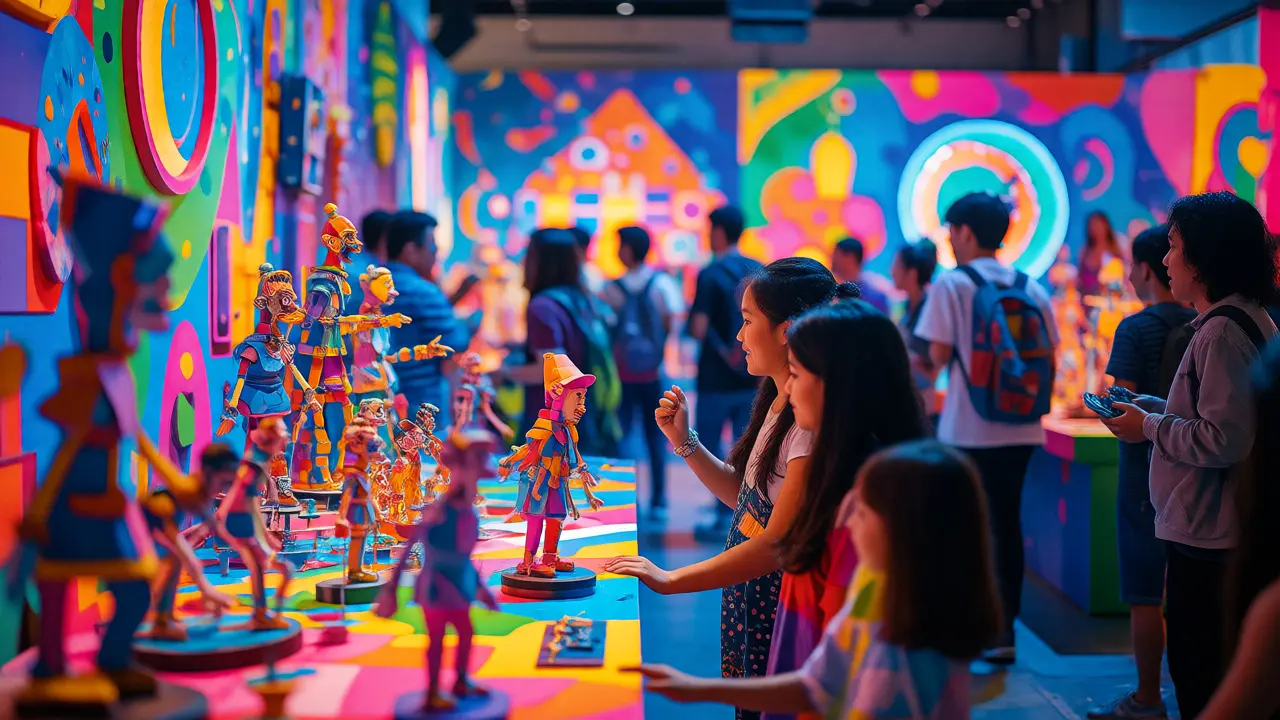
Festivals that introduced dedicated Animation Blocks noticed an immediate shift in family attendance. Suddenly, parents weren’t dragging kids to a compromise film; they were genuinely excited. But the real win wasn’t just families. It was the crossover appeal. Animation blocks attract gamers, comic book fans, and design enthusiasts who might never attend a documentary screening.
Consider the programming strategy. Instead of burying animation in the "Children" category, place it alongside experimental shorts or digital art installations. Frame it as visual storytelling rather than cartoons. Use terms like "motion graphics," "digital painting," and "sound design" in your marketing materials. This reframing invites adults who appreciate aesthetics but don’t consider themselves "movie buffs" in the traditional sense.
- Curate by Style, Not Just Origin: Group stop-motion with CGI if they share a visual theme, rather than separating them by country of origin.
- Host Artist Talks: Invite animators to discuss the technical challenges of their craft. This adds intellectual weight to the event.
- Partner with Local Art Schools: Offer student discounts and host after-parties. Students are hungry for networking and will bring friends.
Creating the "Event" Atmosphere
You can’t just slap a label on a screening and expect magic. The physical environment matters. For Genre Nights, the lobby needs to feel different. During my time organizing smaller regional fests, I found that simple changes yielded massive results. Play themed music before the doors open. Have staff wear genre-specific accessories. Serve themed snacks-blood-red soda for horror, colorful gummies for animation.
These micro-interactions signal that the organizers respect the genre. They aren’t treating it as filler content. They’re celebrating it. This respect breeds loyalty. Attendees return because they feel seen. In a world of algorithmic recommendations, feeling part of a curated human experience is rare and valuable.
Furthermore, leverage the power of the Q&A. In horror and animation, the creator’s process is often as fascinating as the final product. Did the director use practical effects instead of CGI? Was the animation hand-drawn frame-by-frame? These details fuel online discourse. Encourage moderators to ask questions that dig into the "how," not just the "why." This transforms a passive viewer into an informed advocate.
Marketing to the Niche Without Alienating the Core
The biggest fear for any festival director is diluting their brand. Will adding loud horror screenings scare away the patrons who want quiet reflection during the documentary section? Usually, no. Segmentation is key. Keep the main competition slots focused on prestige cinema. Reserve the late nights and weekends for genre explorations.
Your marketing should speak two languages. For the core audience, emphasize the critical acclaim and awards potential of the main lineup. For the new audience, highlight the fun, the visuals, and the community aspects of the genre nights. Use separate social media campaigns if necessary. Instagram Reels showing the crowd reaction at a horror premiere work wonders for attracting Gen Z. LinkedIn posts highlighting the artistic merit of an animated short appeal to professionals.
Don’t underestimate the power of cross-promotion. Sell bundle tickets that include one drama and one genre film. This lowers the risk for the hesitant attendee. "Try one weird thing" is a compelling pitch. Once they step out of their comfort zone, many find they enjoyed it. This expands their definition of what a "good movie" is, making them more likely to buy a full festival pass next year.
Case Study: The Rise of Regional Genre Fests
Look at cities like Austin, Texas, home to Fantastic Fest. It started as a niche event for horror and sci-fi fans. Today, it draws thousands of attendees annually, boosting the local economy significantly. Hotels fill up, restaurants stay open late, and local businesses thrive. The festival created a destination event around a specific interest cluster.
Smaller festivals can mimic this model without the massive budget. Identify a gap in your local market. Is there a lack of Asian cinema representation? A strong anime community? A history of local horror filmmaking? Lean into that. Become the go-to spot for that specific niche. Specialization allows you to punch above your weight class. You don’t need to compete with Cannes or Sundance on everything. Compete on community.
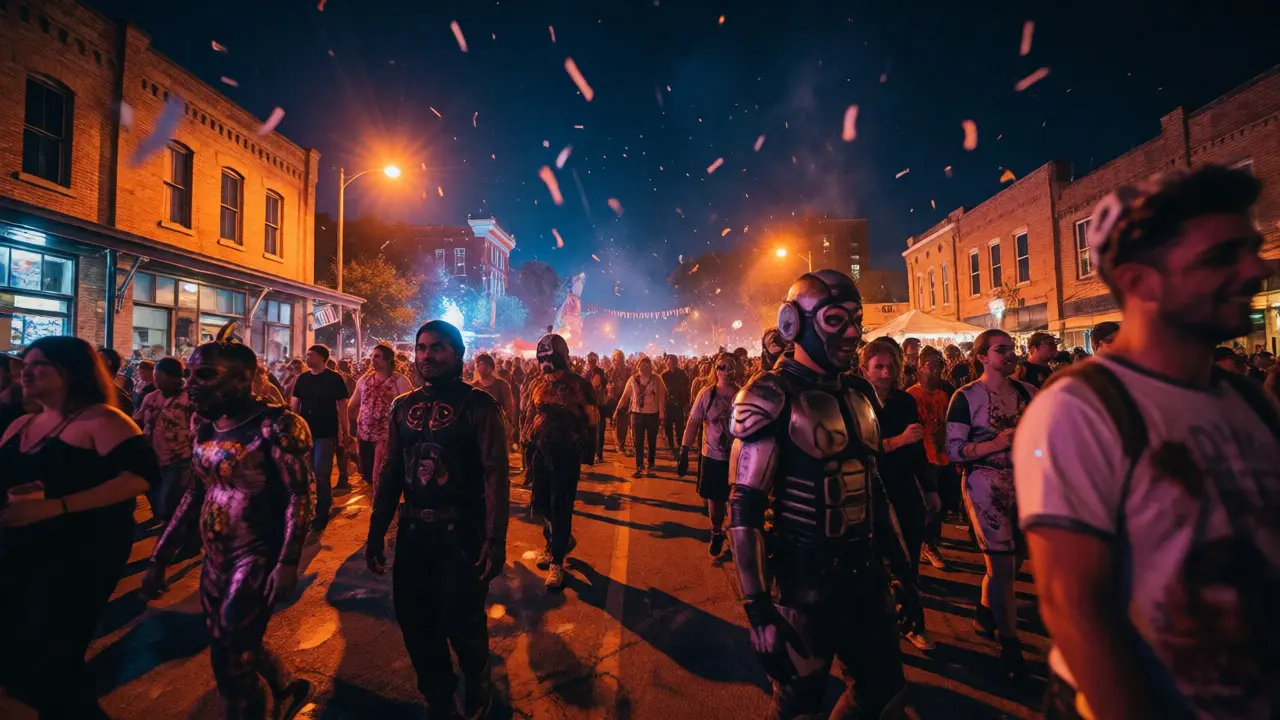
In Asheville, we’ve seen similar trends with our own smaller gatherings. When we hosted a dedicated zombie walk followed by a screening, ticket sales tripled compared to a standard standalone screening. The activity created a reason to gather, which then facilitated the viewing. It’s about building a day-long experience, not just a two-hour movie.
Pitfalls to Avoid
Not every experiment works. Here are common mistakes when integrating genre blocks:
- Underprogramming: One horror film in a sea of dramas feels tokenistic. Commit to a block of 3-5 films to create momentum.
- Poor Scheduling: Don’t schedule the most intense horror film against the closing ceremony gala unless you want empty seats at both.
- Ignoring Accessibility: Loud noises and flashing lights can be triggers. Provide warning labels and offer sensory-friendly options if possible.
- Stale Selections: Showing last year’s big studio release won’t excite hardcore fans. Aim for premieres, cult classics, or obscure gems.
Also, beware of alienating your sponsors. Some corporate sponsors might shy away from graphic horror content. Be transparent about ratings and content warnings early in the sponsorship negotiation process. Often, brands targeting young adults actually prefer the edgy association.
The Future of Festival Programming
We are moving toward hybrid experiences. Virtual reality screenings, interactive gaming zones, and live-scored silent films are becoming more common. But the core principle remains: humans crave shared emotional experiences. Whether it’s terror, joy, or wonder, festivals provide the container for those emotions.
By embracing Genre Nights, festivals future-proof themselves. They acknowledge that cinema is not a monolith. It is a diverse ecosystem of tastes and traditions. Ignoring half of that ecosystem means leaving money and passion on the table. So, light the projector, dim the lights, and let the screams begin. Your new fans are waiting in the wings.
Why are horror films so effective for festival audience expansion?
Horror films rely heavily on communal reactions, creating a high-energy atmosphere that contrasts with the passive nature of typical festival screenings. This encourages social sharing, merchandise sales, and repeat attendance from younger demographics who value the experiential aspect of cinema over pure prestige.
How do animation blocks help festivals attract non-traditional attendees?
Animation blocks bridge the gap between children and adults by showcasing visually stunning and narratively complex works. They attract families, gamers, and design enthusiasts who may not identify as traditional film buffs, thereby diversifying the festival's demographic profile and increasing overall ticket volume.
Do genre nights dilute the artistic credibility of a serious film festival?
Generally, no. When programmed correctly, genre nights complement the main lineup by offering variety. Many modern festivals view genre cinema as equally valid artistically. Proper segmentation ensures that prestige dramas remain the focus of competitions, while genre slots serve as community-building events.
What is the best way to market genre screenings to new audiences?
Use visual-heavy platforms like Instagram and TikTok to highlight crowd reactions and behind-the-scenes footage. Emphasize the social aspect and unique experiences (like costume contests or Q&As) rather than just the plot. Partner with local fan groups and universities to tap into existing communities.
How can small festivals implement genre blocks on a limited budget?
Focus on curation rather than acquisition costs. Partner with distribution companies for free or low-cost screeners. Leverage volunteer staff and local businesses for sponsorships. Create themed events that add value without requiring expensive production, such as guest speakers or collaborative art displays.