Music biopics aren’t just about singing and stage lights anymore. In 2026, they’re bigger, louder, and more complicated than ever. Audiences don’t just want to see a rock star’s rise-they want to feel the weight of their fall, the silence between the notes, the real human mess behind the legend. And yet, too many of these films still fall into the same old traps. Why do some music biopics hit like a live concert, while others feel like a playlist of clichés?
What Makes a Music Biopic Work?
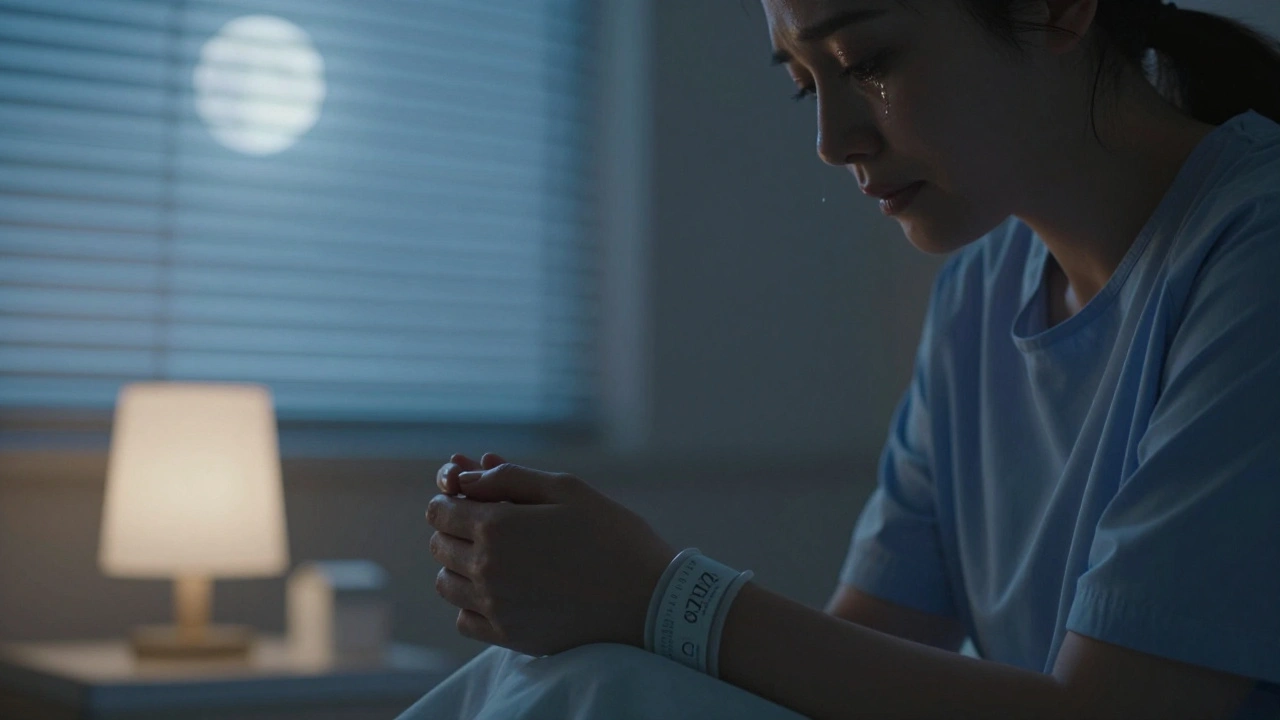
A great music biopic doesn’t just recreate a performance. It shows you why that performance mattered. Take Dreamville (2024), the film about soul singer Lila Monroe. Instead of focusing on her Grammy win, it spent 40 minutes on the night she canceled a tour because her brother died. The camera didn’t zoom in on her dress. It lingered on her hands shaking as she held a hospital bracelet. That’s the difference. The music is the heartbeat, but the story is the pulse.
Successful biopics understand that fans already know the hits. They’ve seen the interviews. They’ve watched the live clips on YouTube. What they crave is the unseen. The argument before the recording session. The panic attack in the van. The way the lead singer cried when the bassist quit. Those moments turn a celebrity into a person.
The Tropes That Won’t Die
Let’s be honest: some patterns show up in almost every music biopic. And they’re tired.
- The ‘tortured genius’-always brooding, always alone, always drinking or doing something dangerous. Real musicians aren’t all self-sabotaging artists. Some just hate touring. Some love their families. Some are weirdly calm.
- The ‘band breakup scene’-usually set in a rain-soaked alley, with one member yelling, ‘You ruined everything!’ Then the camera pans to a lone guitar on the floor. Real breakups? They happen over text. Over a missed rent payment. Over a fight about who forgot to pay the studio bill.
- The ‘final concert’-always perfect, always emotional, always ending with a slow fade as the crowd sings along. In reality, most artists’ last shows are messy. Mic feedback. A broken drumstick. Someone in the front row yelling for a song they never wrote.
These tropes aren’t just lazy. They’re misleading. They tell people that real art comes only from pain. That creativity needs destruction. That’s not true. And it’s dangerous.
How Audiences Are Changing
Today’s music fans aren’t passive. They’re researchers. They’ve read the memoirs. They’ve listened to the bootlegs. They’ve watched the Reddit threads. If you show them a biopic that skips the messy parts, they’ll call it out.
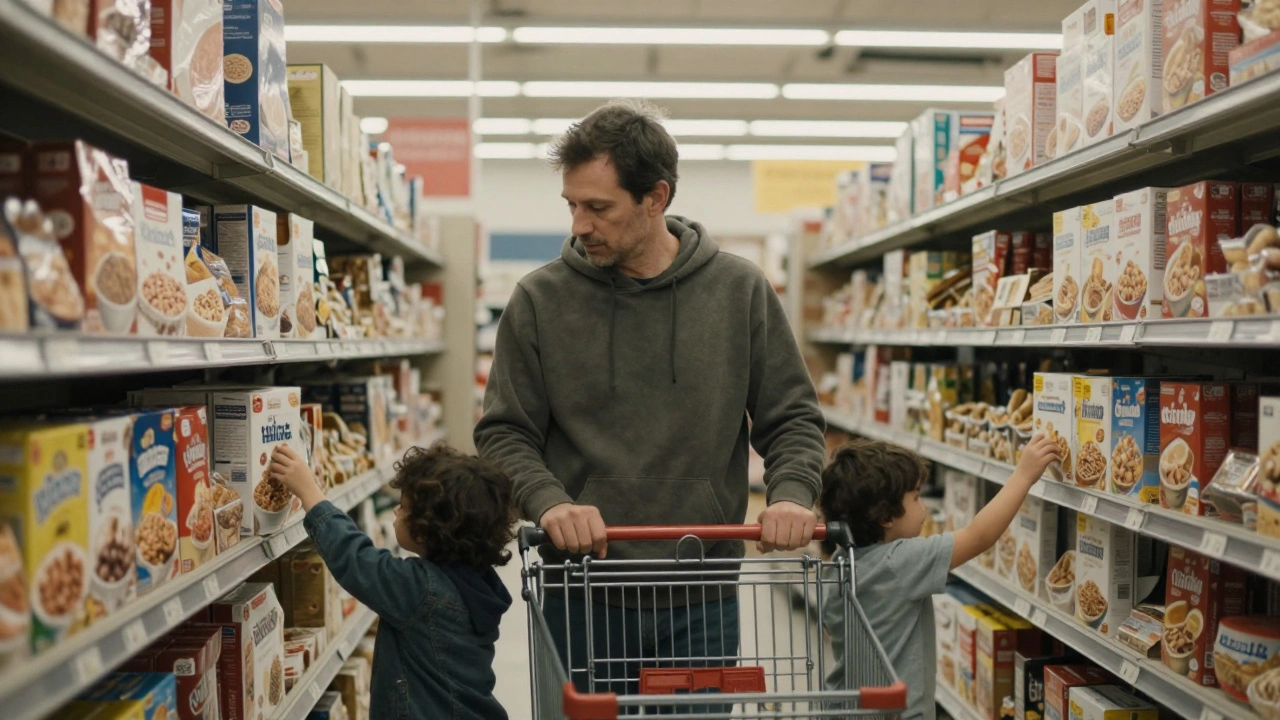
Look at the response to Velvet Echo (2025), the film about punk icon Denny Ruiz. Fans loved it-not because it glamorized his chaos, but because it showed him trying to be a dad. The movie had a 12-minute scene where he sat in a grocery store, overwhelmed, staring at cereal boxes while his daughter asked why he never came to school plays. No music. No lights. Just silence and a shopping cart.
That scene went viral. Not because it was pretty. Because it was real.
Streaming platforms have changed the game too. Biopics now compete with YouTube documentaries, TikTok deep dives, and podcast series that go deeper than any 2-hour film ever could. So if you’re making a music biopic today, you better bring something the internet hasn’t already dissected.
The New Rules of Authenticity
Here’s what’s working in 2026:
- Use real instruments, not props. The actor playing the guitarist actually learned to play. Not just chords-real technique. The difference shows in their fingers.
- Don’t rewrite history for drama. If the real person didn’t overdose at 24, don’t make them do it. Audiences will notice. And they’ll lose trust.
- Let the music breathe. Don’t cut away from a performance just because it’s long. Let the audience sit in it. Feel it. Live it.
- Include the crew. The sound engineer. The tour manager. The merch kid. They’re part of the story too.
- Cast actors who get it. Not just good-looking people who can sing. People who understand the pressure, the loneliness, the weird joy of making noise that moves others.
Look at Midnight in Memphis (2025). The actor playing the blues guitarist didn’t have a hit record. He was a local musician from New Orleans. He’d played in dive bars for 20 years. He didn’t look like a star. But he moved like one. And the film? It won a Grammy for Best Music Film.
What’s Missing From Most Biopics?
Most music biopics still treat artists like museum pieces. They’re frozen in time. But real musicians evolve. They change. They get bored. They quit. They come back. They become teachers. They start podcasts. They get divorced. They adopt dogs.
There’s almost no biopic that shows what happens after fame. What does it mean to be 55 and still touring because you can’t afford to stop? What does it feel like to watch your kid play your old songs on TikTok and not recognize them?
And what about women? The genre still skews heavily male. When was the last time you saw a biopic about a female producer who changed the sound of hip-hop in the 90s? Or a trans DJ who built a scene in rural Texas? These stories exist. They’re just not being told.
The Future of Music Biopics
The next wave won’t be about the biggest names. It’ll be about the most honest ones.
Expect more films about:
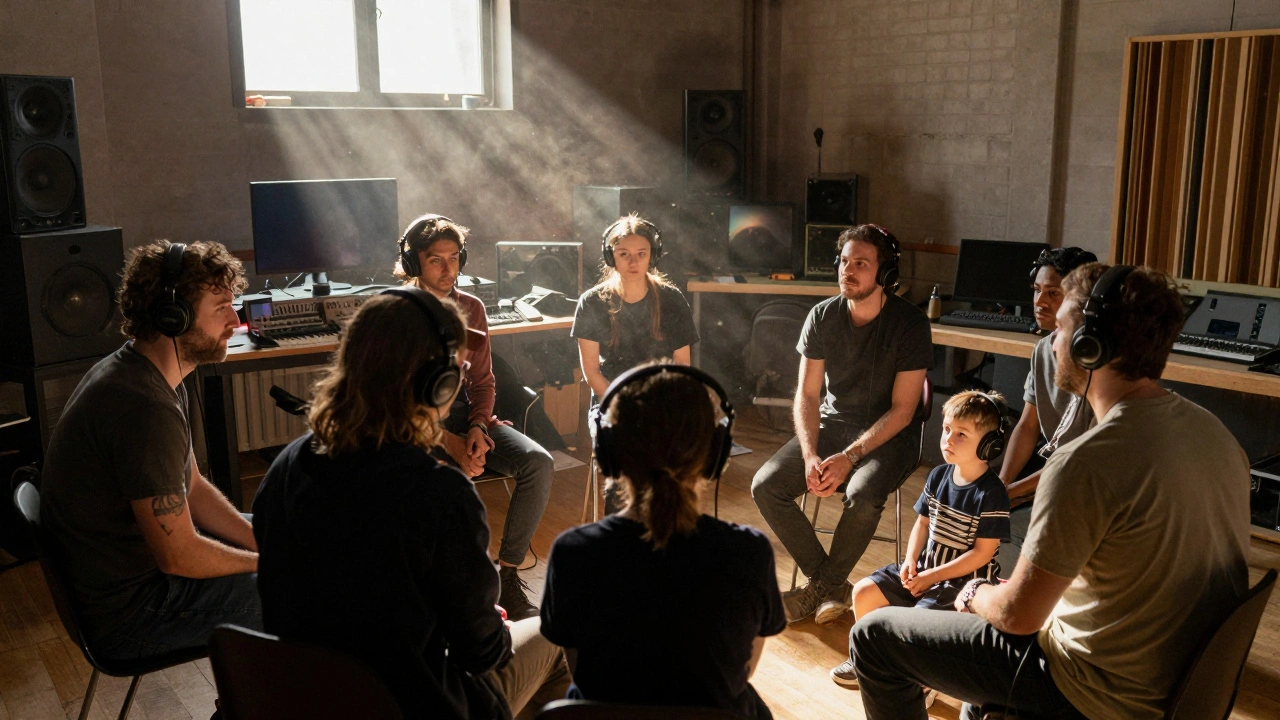
- Regional scenes-Chicago house, Nashville soul, LA noise rock
- Behind-the-scenes roles-sound engineers, arrangers, lighting techs
- Non-traditional careers-musicians who became therapists, teachers, or farmers
- Collaborative stories-bands where no one was the ‘frontperson’
Streaming services are betting on this. HBO just greenlit a six-part series about the women who engineered the first digital drum machines. Netflix is developing a film about a punk band from Ohio that never made it big-but kept playing for 30 years because they loved it.
These aren’t nostalgia trips. They’re human stories. And audiences are starving for them.
Why This Matters
Music biopics shape how we see artists. They shape how young musicians think about success. They shape what we believe art should cost.
If we keep telling stories that glorify destruction, we’ll keep raising artists who think they have to break to be beautiful. If we keep ignoring the quiet ones-the ones who never got a record deal but taught 500 kids to play guitar-we’ll miss the real heartbeat of music.
The best music biopics don’t make you want to be famous. They make you want to create. To connect. To keep going, even when no one’s watching.



Comments(8)