It happens every opening weekend. A trailer drops on TikTok, a clip goes viral, memes flood the feed, and suddenly everyone is talking about a movie you’ve never seen before. But here is the million-dollar question for studios and marketers: does that noise actually translate into butts in seats? In 2026, the gap between online chatter and box office revenue is narrower than ever, yet still incredibly tricky to measure.
We used to think a big ad budget guaranteed a hit. Now, organic buzz can make or break a film faster than any traditional campaign. However, not all hype is created equal. Some trends are just fleeting distractions, while others signal a genuine wave of interest that drives ticket sales. Understanding this conversion process is no longer optional; it’s survival for the modern film industry.
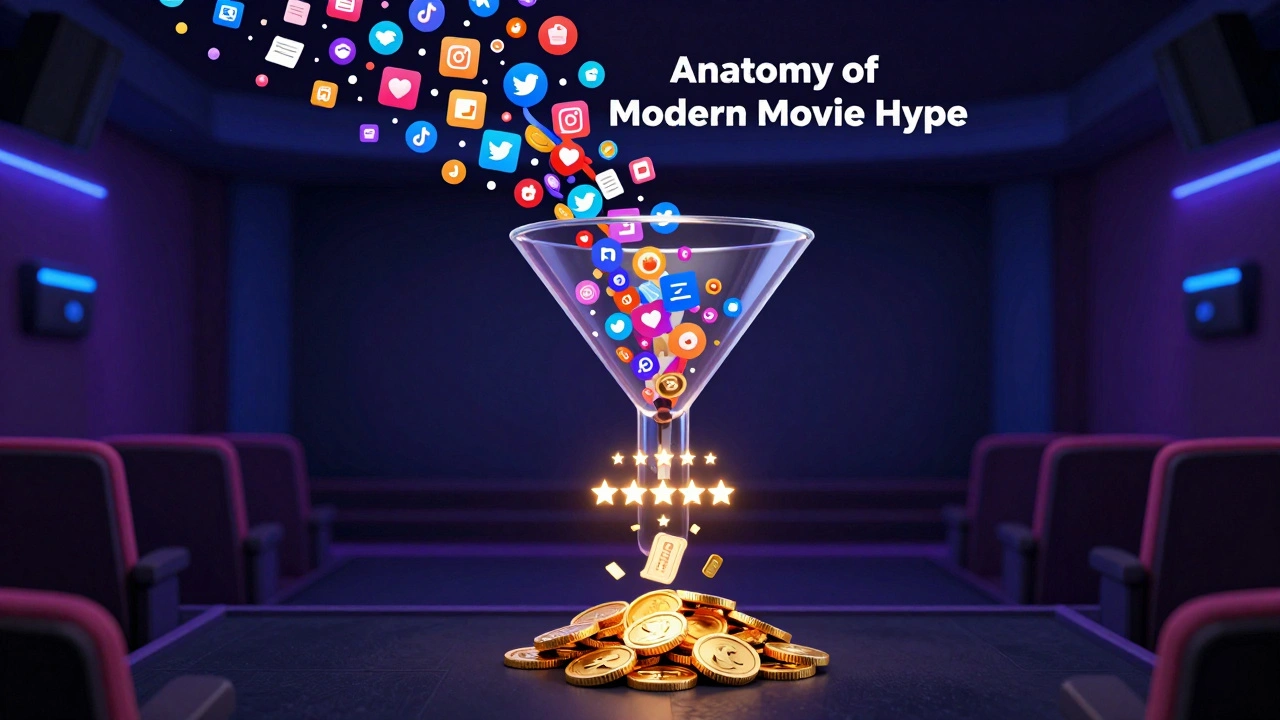
The Anatomy of Modern Movie Hype
To understand how online hype converts to cash, we first need to define what we are looking at. In the current landscape, hype isn't just one thing. It’s a mix of distinct signals across different platforms. Each platform serves a different stage of the consumer journey, from initial awareness to final purchase decision.
- Awareness (The Spark): This usually starts on short-form video platforms like TikTok or Instagram Reels. A catchy sound, a funny meme, or a stunning visual creates immediate visibility. The metric here is reach and shareability.
- Validation (The Trust): Once people know a movie exists, they look for social proof. They check reviews on Letterboxd, watch influencer reactions on YouTube, or read threads on X (formerly Twitter). This stage determines if the hype is positive or negative.
- Action (The Conversion): This is where the magic happens-or fails. Users move from passive consumption to active intent. They click affiliate links, search for showtimes, or add the date to their calendar apps.
The mistake many studios make is focusing only on the first stage. Millions of views mean nothing if they don’t move the needle in the second and third stages. You need a funnel, not just a firework.
Key Metrics That Actually Predict Revenue
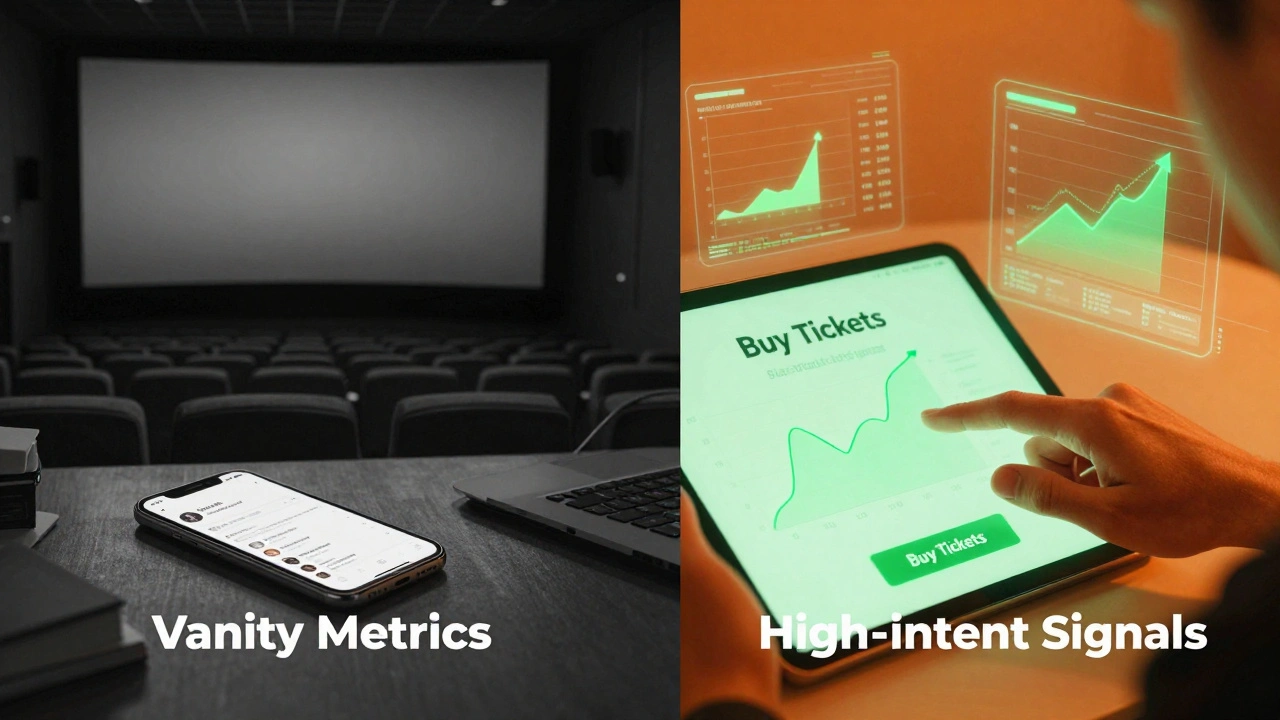
If you want to predict ticket sales based on social data, you have to ignore vanity metrics. Likes and follower counts are outdated indicators. Instead, focus on these high-intent signals that correlate strongly with opening weekend performance:
| Metric Type | Specific Data Point | Predictive Power for Box Office | Why It Matters |
|---|---|---|---|
| Search Volume Spikes | Sudden increase in branded keyword searches (e.g., "Movie Title release date") | Very High | Indicates active intent to find information, often preceding a purchase. |
| User-Generated Content (UGC) Velocity | Rate of new posts/videos using official hashtags per hour | High | Shows community engagement and word-of-mouth momentum. |
| Sentiment Score | Ratio of positive to negative mentions in real-time | Medium-High | Negative sentiment can kill a film even with high volume. |
| Trailer Completion Rate | Percentage of viewers who watch the full trailer | Medium | Drop-off points indicate weak hooks; completion suggests interest. |
| Vanity Likes | Total likes on a studio’s official post | Low | Often inflated by bots or casual scrollers; low correlation with sales. |
For example, a horror movie might have lower overall search volume than a superhero blockbuster, but if its UGC velocity spikes sharply two weeks before release, it often indicates a dedicated fanbase ready to buy tickets immediately. Context matters more than raw numbers.
The Role of Influencers and Micro-Communities
In 2026, the power of celebrity endorsements has shifted toward micro-influencers and niche communities. A tweet from a major star might get millions of impressions, but a detailed review from a trusted film critic on Letterboxd or a passionate breakdown by a genre-specific YouTuber often drives actual conversions.
These micro-communities operate on trust. When a creator who specializes in sci-fi films recommends an indie project, their audience listens because they believe in the creator’s taste, not just their fame. Studios are increasingly partnering with these creators for authentic integrations rather than paid ads. The key is authenticity. If an audience smells a forced promotion, they disengage. If they feel like they’re getting an insider tip, they act.
This shift means that tracking influence requires more nuanced tools. You can’t just count followers. You need to analyze engagement rates within specific demographics and map those demographics to your target audience profile. A tech influencer driving traffic to a cyberpunk thriller is valuable; the same influencer promoting a romantic comedy is likely wasted spend.
Challenges in Attribution and Measurement
Despite better tools, measuring the direct line from a meme to a movie ticket remains difficult. The main challenge is attribution. A user might see a TikTok, forget about it, hear a friend mention it later, and then decide to go. Which touchpoint gets the credit?
Traditional last-click attribution models fail here. They credit the final search or the theater website visit, ignoring the earlier social interactions that built awareness. To get a clearer picture, marketers are turning to multi-touch attribution models and lift studies. Lift studies involve comparing regions with heavy social campaigns against control regions with minimal activity. This helps isolate the true impact of social buzz on overall revenue.
Another hurdle is data silos. Social platforms keep their data proprietary. Getting granular insights often requires expensive partnerships or third-party analytics tools that estimate behavior based on samples. These estimates can be off, especially during viral moments when algorithms change rapidly.
Case Studies: When Hype Hits and Misses
Looking at recent examples helps illustrate the difference between effective hype and empty noise. Consider the success of certain mid-budget thrillers that exploded on social media due to unique marketing stunts or relatable characters. These films often outperformed bigger-budget competitors because their online communities felt personally invested in the outcome.
Conversely, there are blockbusters that generate massive social volume but fail at the box office. This usually happens when the hype is driven by controversy or confusion rather than genuine interest. If people are posting about a movie because they are confused by the plot or offended by a character, that volume doesn’t convert to sales. In fact, it can repel potential viewers. Sentiment analysis becomes critical here to distinguish between "buzz" and "backlash."

Strategies for Maximizing Conversion
So, how do you turn that social energy into revenue? Start by aligning your content strategy with the consumer journey. Don’t just post trailers. Create content that encourages sharing and discussion. Ask questions, create polls, and engage directly with comments.
- Leverage User-Generated Content: Encourage fans to create their own edits, theories, or fan art. Repost this content to validate their efforts and amplify reach.
- Use Shoppable Links: Where possible, integrate direct links to ticketing platforms in bios and stories. Reduce friction between interest and action.
- Monitor Real-Time Sentiment: Use AI-driven tools to track sentiment shifts. If negativity rises, address concerns quickly or pivot messaging to highlight positive aspects.
- Target Micro-Influencers: Partner with creators who have high engagement in your specific genre. Their recommendations carry more weight than broad celebrity endorsements.
- Create FOMO (Fear Of Missing Out): Highlight limited-time offers, exclusive previews, or behind-the-scenes content available only to those who engage socially.
Remember, the goal isn’t just to be seen; it’s to be chosen. Every piece of content should nudge the audience closer to clicking "Buy Tickets."
The Future of Social-to-Theatrical Analytics
As artificial intelligence and machine learning improve, the ability to predict box office performance from social data will become more precise. We are moving toward real-time dashboards that combine social signals, search trends, and historical data to forecast opening weekend numbers with greater accuracy.
However, technology alone won’t solve everything. The human element-understanding cultural moments, emotional resonance, and storytelling appeal-remains crucial. Data can tell you what is happening, but creativity drives why it happens. The most successful campaigns will blend rigorous data analysis with authentic, compelling narratives that resonate with audiences on a personal level.
In the end, social buzz is a powerful amplifier, but it needs a solid foundation. Great movies still win. But in today’s crowded marketplace, great marketing ensures that people actually see them.
How long does it take for social hype to affect box office sales?
The impact window varies, but typically, significant social activity starts influencing ticket sales 2-4 weeks before release. For viral moments, the effect can be immediate, causing spikes in pre-sales within hours. However, sustained buzz over several weeks leads to stronger opening weekends and better long-term legs.
Which social media platform is best for driving movie ticket sales?
There is no single "best" platform. TikTok excels at generating viral awareness among younger demographics. Instagram is strong for visual storytelling and influencer partnerships. X (Twitter) is useful for real-time conversation and news. YouTube drives deep engagement through reviews and trailers. The best strategy uses a mix tailored to the target audience.
Can negative social media buzz help box office revenue?
Rarely. While some controversy can generate curiosity, negative sentiment generally harms box office performance. Audiences are quick to share warnings about bad experiences. Positive word-of-mouth is far more effective at driving conversions than negative attention.
What is the difference between engagement rate and conversion rate in film marketing?
Engagement rate measures interactions like likes, shares, and comments relative to reach. Conversion rate measures the percentage of users who take a desired action, such as buying a ticket or signing up for a newsletter. High engagement does not always equal high conversion; you need clear calls-to-action and easy purchasing paths to bridge the gap.
How do studios track the ROI of social media campaigns for movies?
Studios use a combination of methods, including unique promo codes, shoppable links with tracking parameters, and lift studies comparing regions with and without heavy social spending. They also analyze correlations between social metrics (like search volume spikes) and daily ticket sales data to estimate incremental revenue generated by social efforts.