Главное: Quick Takeaways
- Build a "no-excuses" reel focusing on lighting and composition over gear lists.
- Start as a Camera Assistant (AC) to learn the technical pipeline from the ground up.
- Join women-centric filmmaking collectives to find mentors who understand your specific challenges.
- Master the "soft skills" of set leadership to command respect on a fast-paced production.
- Diversify your portfolio with short films, music videos, and commercial specs.
The Technical Ladder: Starting from the Bottom
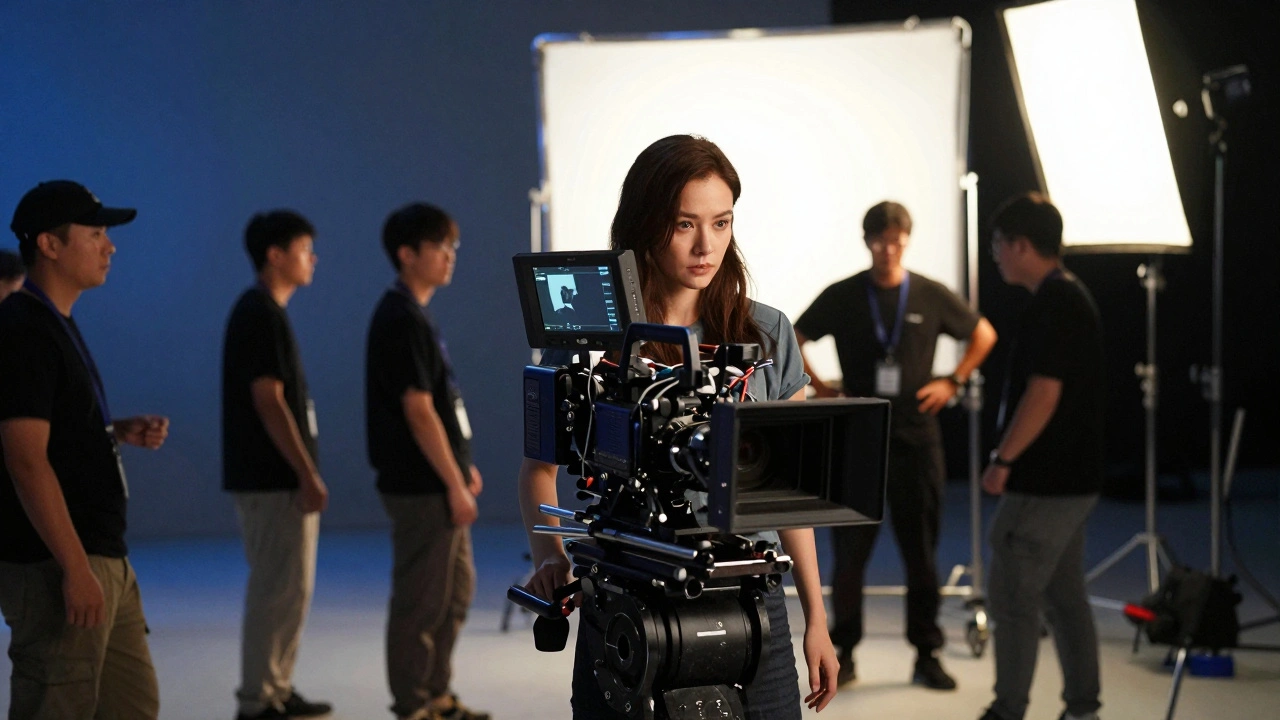
You don't just wake up and get handed the keys to a Panavision package. Most DPs start in the trenches. For women entering the field, the most direct path is often through the camera department as a Camera Assistant (AC). This is where you learn the actual mechanics of the job-pulling focus, managing media, and understanding the physical limitations of different lenses.
If you've never been on a professional set, don't wait for a call. Look for "indie' shorts or student films. These are the perfect playgrounds to fail safely. When you're a 2nd AC, you're basically the engine room of the camera team. You're clapping the slate and keeping the camera clean. It sounds tedious, but it's where you observe how a seasoned DP communicates with the gaffer and the director. Pay attention to the things they *don't* say. Notice how they handle a crisis when a light blows out or the sun disappears behind a cloud.
Once you've mastered the AC role, move toward being a Camera Operator. This is the bridge to cinematography. Operating is about the physical movement of the frame. It's the difference between a static shot and one that breathes with the character. Practice handheld work, learn how to use a gimbal, and get comfortable with the Steadicam. The more you understand the physics of motion, the more a director will trust you to lead the visual style of a film.
Mastering the Light: Beyond the Camera
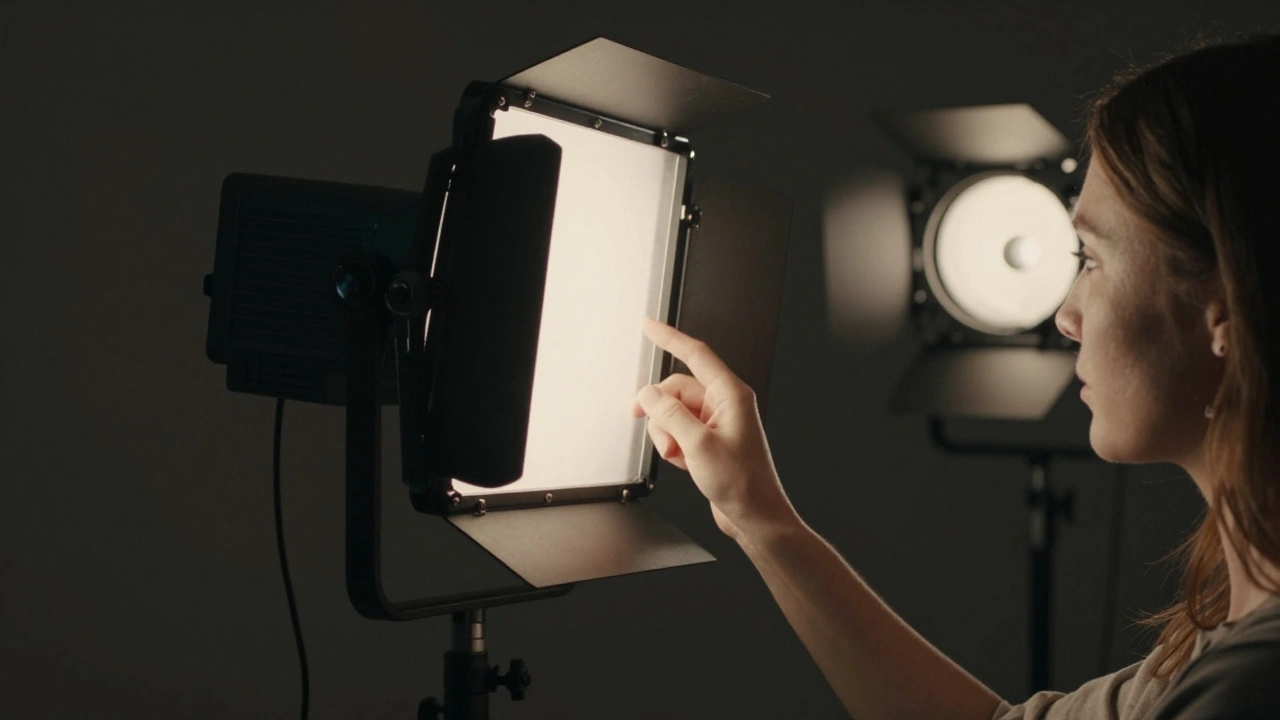
Here is a secret: cinematography is actually about lighting, not cameras. Anyone can buy a 4K camera, but not everyone can make a room look like a rainy Tuesday in 1970s London. To break into women cinematographers circles and get noticed, you need to demonstrate an obsession with light. Stop worrying about the "best" camera and start experimenting with Three-Point Lighting-the fundamental technique using a key light, fill light, and back light to create depth.
Try this: take a single light source and see how many different moods you can create just by moving it. How does the mood change when the light is directly overhead versus at a 45-degree angle? This is where you develop your "eye." When you can explain *why* you chose a specific light temperature-say, 3200K for a warm, intimate feel versus 5600K for a cold, clinical look-you stop being a technician and start being an artist.
| Category | Essential Tool | Why it Matters | Pro Tip |
|---|---|---|---|
| Sensor/Body | Full-Frame Mirrorless | Versatility and portability | Learn to shoot in Log for maximum dynamic range. |
| Optics | Prime Lenses | Superior sharpness and bokeh | Stick to a 35mm or 50mm to master composition. |
| Lighting | LED Panels/COB Lights | Adjustable color and intensity | Always use a diffuser to soften harsh shadows. |
| Support | Fluid Head Tripod | Smooth pans and tilts | Invest in a sturdy tripod; shake is the mark of an amateur. |
Building a Portfolio That Commands Attention
Your demo reel is your calling card. The biggest mistake beginners make is including everything they've ever shot. A 10-minute reel is a death sentence; a producer will turn it off after 30 seconds. You need a 90-second punch to the gut. Every shot must be a "hero shot." If a clip doesn't show an intentional choice in lighting, movement, or composition, cut it.
Focus on "spec' work. You don't need a big budget to show you can handle a visual narrative. Create a 30-second sequence of a character waking up and feeling anxious. How do you use the camera to show that anxiety? Maybe it's a tight, shaky close-up or an unnervingly wide, static shot. When you show a producer that you can manipulate emotion through imagery, you've won half the battle.
Don't forget the Color Grade. Raw footage looks flat. Use tools like DaVinci Resolve to give your work a professional polish. A strong color palette shows that you understand the psychological impact of color-like using desaturated blues to evoke loneliness or vibrant oranges for energy. A polished reel suggests that you understand the entire pipeline from capture to delivery.
The Social Game: Networking and Mental Fortitude
Let's be honest: the film industry is a giant networking event. For women, the challenge is often getting into the "boys' club" where jobs are handed out over drinks or in group chats. The solution isn't to try and blend in, but to build your own network. Look for collectives like the Society of Cinematic Artists or local women-in-film organizations. These groups provide a safe space to share gear, find collaborators, and get honest critiques without the ego.
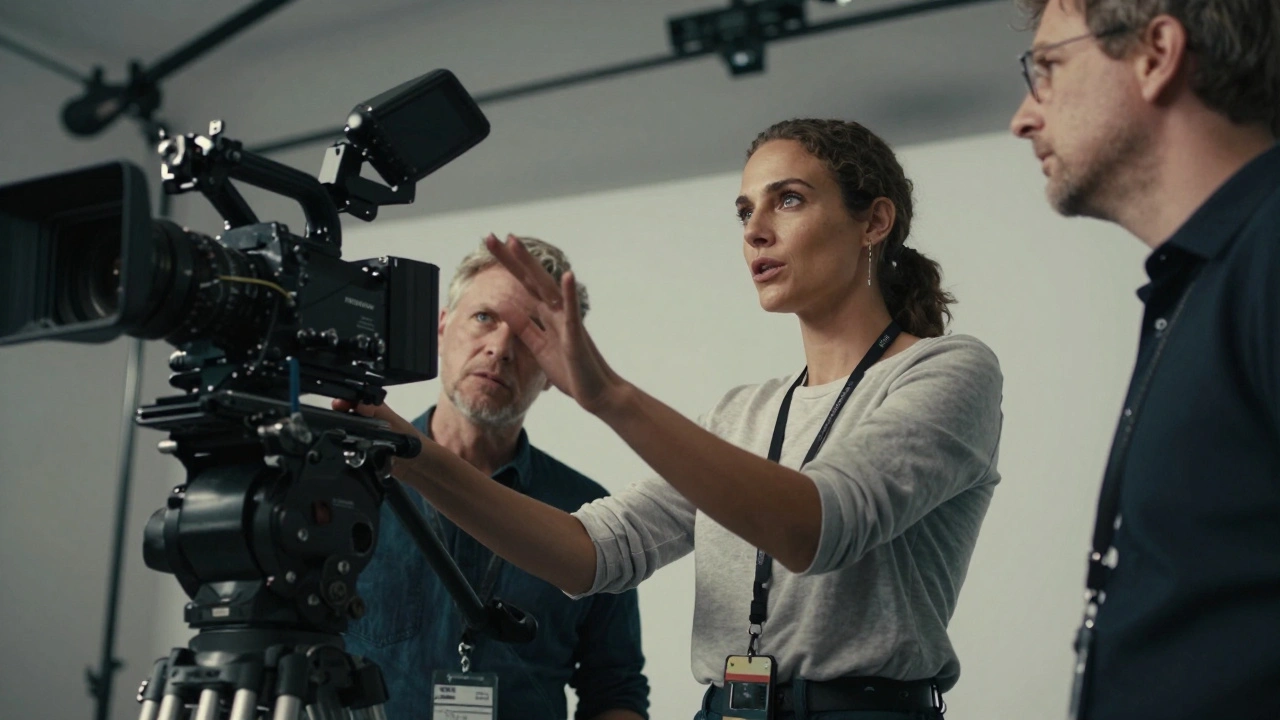
On set, you will encounter people who assume you're the production assistant or the script supervisor. This is where your "set presence" comes in. Be decisive. When a director asks for your opinion on a shot, don't say, "I think maybe we could try..." Instead, say, "I recommend we go with a low-angle shot here to make the character feel more dominant." Confidence is a currency on set. If you sound like you know exactly what you're doing, people will believe you, even if you're internally panicking.
Mentorship is also non-negotiable. Find a DP whose work you admire-regardless of their gender-and ask for a "coffee chat." Don't ask for a job; ask about their process. Ask how they handled their first big failure. People love talking about themselves, and these small connections often turn into recommendations when a production needs a reliable AC or a fresh eye for a music video.
Navigating the Business Side
Being a great cinematographer is only 50% of the job; the other 50% is being a freelance business owner. You need to understand Day Rates and contracts. Many women undercharge early in their careers to "get a foot in the door." This is a trap. If you price yourself too low, you signal that your work is low-value. Research the standard rates for your region and stick to them, or offer a limited discount for a project that significantly boosts your portfolio.
Get your paperwork in order. Have a clear invoice template and a basic contract that covers equipment liability. If you're bringing your own gear to a set, ensure you have insurance. Nothing kills a career faster than a broken lens that you can't afford to replace. Treating your craft like a business makes you look professional, which in turn makes producers more comfortable hiring you for larger budgets.
Do I need a film degree to become a cinematographer?
No, a degree isn't mandatory, but it's a shortcut. Film school provides access to expensive gear and a peer group of directors and producers. However, many top DPs are self-taught through workshops and on-set experience. The most important thing is your portfolio (reel), not your diploma.
How do I find my first professional gig?
Start with short films, music videos, and student projects. Use platforms like Mandy or local Facebook filmmaking groups. The goal is to build a relationship with a director who will grow with you. Often, the person you shoot a student film with today will be the director who hires you for a feature film in five years.
What is the biggest mistake new DPs make?
Over-relying on gear. Many beginners think a new camera will fix a bad shot. In reality, a great cinematographer can make a masterpiece with a cheap camera and great lighting, but a bad one can make a $100k RED camera look boring. Focus on lighting and storytelling over specs.
How do I deal with gender bias on set?
The best defense is extreme competence. Be the most prepared person on the crew. Know the gear, have a plan for the light, and communicate clearly. When your technical skill is undeniable, the bias usually fades. Also, find allies-other crew members who support your leadership and can help reinforce your authority.
Which camera should I buy first?
Buy something that forces you to learn the basics. A mirrorless camera with a good range of prime lenses (like a 35mm and 85mm) is ideal. Avoid buying a cinema camera until you've mastered manual exposure, focus, and composition on a smaller system.
Next Steps for Your Journey
If you're feeling overwhelmed, start small. This week, find one short scene from a movie you love. Try to recreate the lighting in your living room using whatever lamps you have. Then, find a local director on a forum and offer to be their 2nd AC for a weekend. The distance between where you are and where you want to be is simply a series of small, intentional steps. Grab a camera, find some light, and start framing your future.




Comments(7)