
Imagine the chaos in your group chat when a new Star Wars or Marvel Cinematic Universe title drops. It’s not just excitement; it’s a calculated storm of anticipation that studios spend millions to engineer. The modern franchise marketing playbook isn't about hiding the plot-it’s about controlling the narrative drip so precisely that audiences feel like insiders long before the credits roll.
Studios no longer rely on a single trailer release. They build a layered ecosystem of teasers, exclusive fan events, and social media puzzles that turn passive viewers into active participants. If you’ve ever wondered why some blockbusters sell out opening weekends while others fizzle out, the answer lies in how well they managed that pre-release window. Let’s break down the mechanics behind this hype machine.
The Anatomy of a Teaser: Why Less is More
A teaser is not a trailer. While a trailer tells you what the movie is, a teaser tells you what the movie *feels* like. In recent years, the industry has shifted toward "atmospheric" teasers that prioritize sound design and visual fragments over dialogue. Think of the Dune Part Two teaser, which focused heavily on the sonic texture of the desert rather than explaining the plot twist. This approach triggers curiosity gaps in the audience's brain, compelling them to seek out more information.
The timing of these releases is critical. Studios often drop the first teaser during major cultural moments, such as comic conventions or award shows, to maximize organic sharing. The goal is to create a "watercooler moment." When fans debate the meaning of a three-second clip on social media, the studio gets free advertising worth millions of dollars. This tactic relies on the psychological principle of incomplete information; we are hardwired to want to close loops. By leaving the loop open, the franchise keeps itself at the top of mind for weeks or even months.
Trailers as Narrative Arcs: The Three-Act Structure of Promotion
Most major franchises follow a strict trailer cadence, usually consisting of three distinct phases. The first official trailer (often called the "first look") establishes the tone and confirms the cast. The second trailer, released closer to the premiere, reveals key plot points and introduces antagonists. The final trailer, dropped two weeks before release, serves as a call to action, focusing on spectacle and emotional stakes.
However, the content within these trailers has evolved. Modern trailers are less about summarizing the story and more about showcasing set pieces that can be clipped for social media virality. For example, a specific fight scene or a magical effect might be highlighted because it translates well to vertical video formats on TikTok and Instagram Reels. This shift acknowledges that the primary discovery engine for younger demographics is no longer YouTube but short-form social platforms.
| Phase | Timing | Primary Goal | Key Content Element |
|---|---|---|---|
| Teaser | 6-9 months prior | Generate curiosity and brand awareness | Atmosphere, sound design, minimal plot |
| First Official Trailer | 3-4 months prior | Confirm tone, cast, and core premise | Character introductions, main conflict setup |
| Second Official Trailer | 1-2 months prior | Deepen engagement and reveal twists | Antagonist reveal, major set pieces |
| Final Trailer | 2 weeks prior | Drive ticket sales and urgency | Emotional climax, release date emphasis |
Fan Events: Turning Spectators into Evangelists
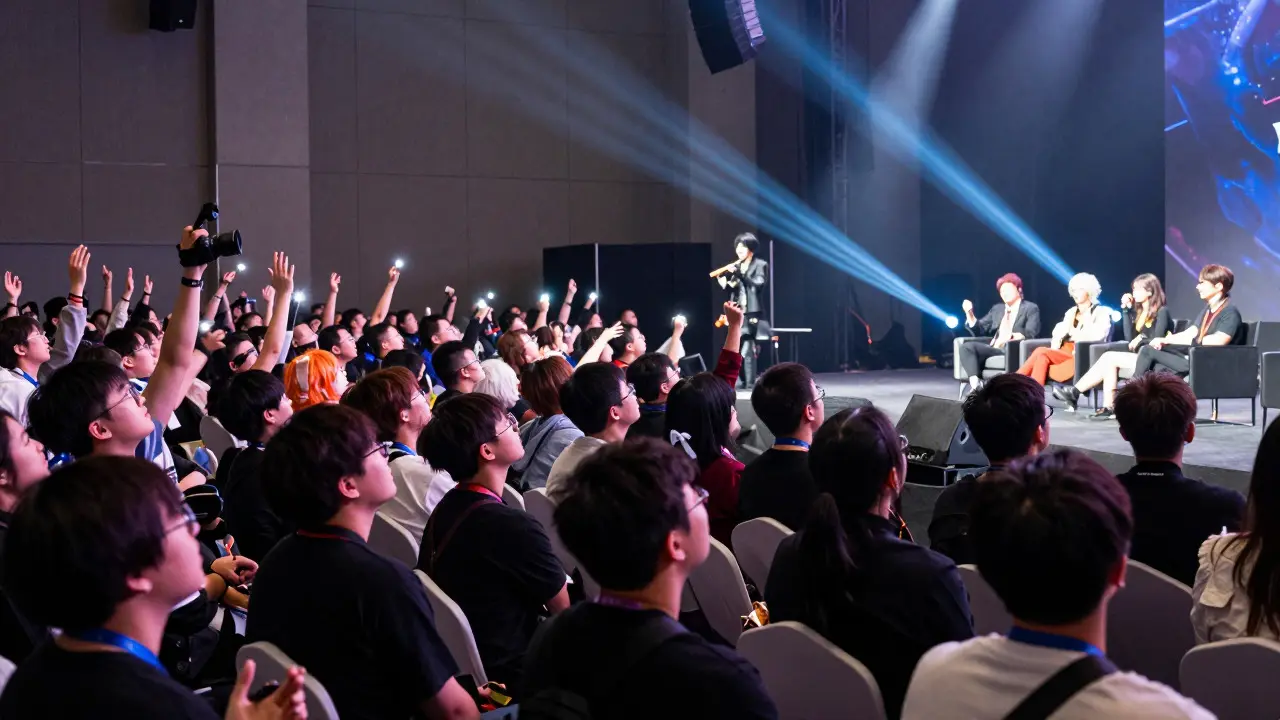
While digital marketing reaches millions, fan events reach the most dedicated segment of the audience: the superfans. These individuals don’t just watch movies; they collect merchandise, write theories, and influence their peer groups. Events like Comic-Con International in San Diego or specialized fan days serve as testing grounds for marketing materials.
Studios use these gatherings to gauge real-time reaction. A specific line of dialogue or a costume design might be tweaked based on the crowd's response at a panel discussion. Furthermore, these events offer exclusive content-such as behind-the-scenes footage or early access to digital assets-that gives attendees a sense of ownership. When a fan posts a photo from an exclusive screening with the hashtag #NewMoviePremiere, they are acting as a paid influencer without receiving a paycheck. This user-generated content carries higher trust scores than traditional advertising because it comes from a perceived peer.
Social Media Puzzles and Interactive Campaigns
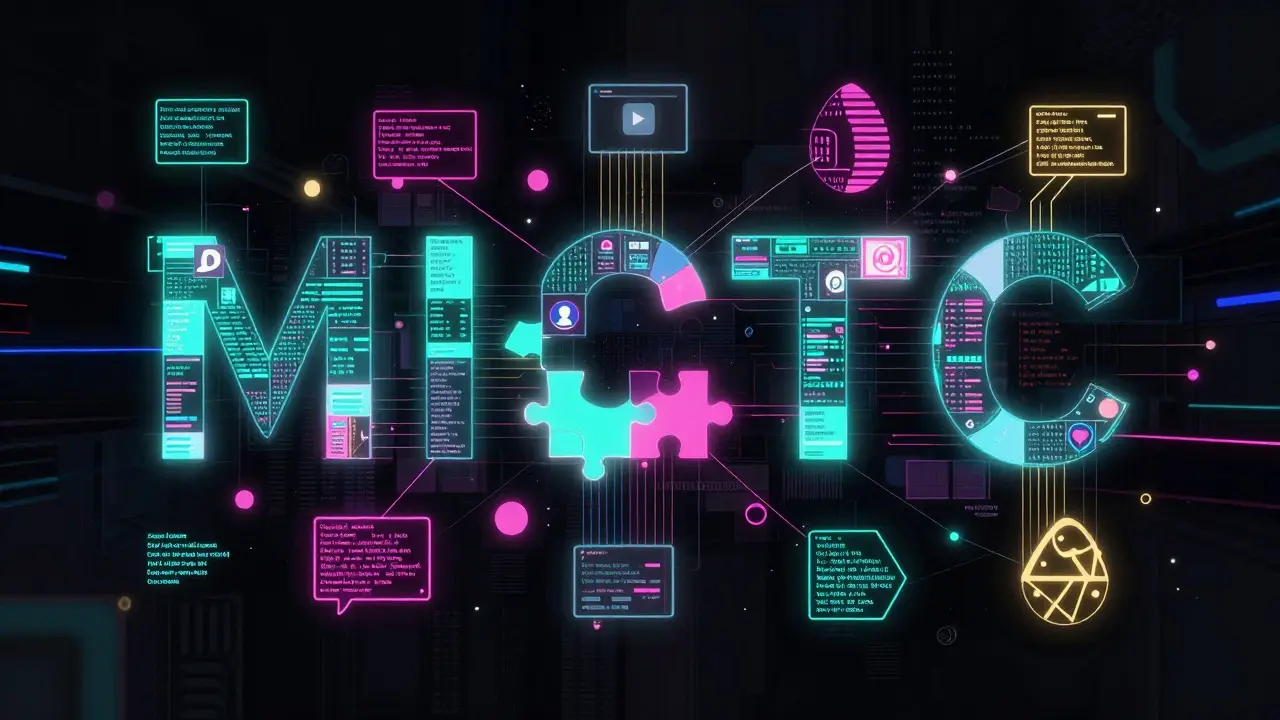
The line between marketing and gameplay has blurred significantly. Franchises now embed Easter eggs in posters, websites, and even physical merchandise that require audiences to solve puzzles to unlock hidden content. This interactive layer transforms passive consumption into active participation. For instance, a franchise might hide a code in a character's eye reflection across multiple promotional images. Solving it might grant access to a secret audio log or a bonus feature.
This strategy leverages the community aspect of fandom. Fans collaborate online to decode messages, creating a shared experience that bonds the group together. The result is a sustained conversation cycle that doesn't depend on the studio releasing new assets daily. The community sustains the momentum, keeping the franchise relevant in the algorithmic feeds of non-fans who stumble upon these discussions.
Measuring Momentum: Beyond Box Office Numbers
How do studios know if their playbooks are working? They don't just wait for opening day. They track "pre-sale velocity," which measures ticket sales in the weeks leading up to release. High pre-sales indicate strong intent and reduce the financial risk associated with marketing spend. Additionally, social listening tools monitor sentiment analysis, tracking not just the volume of mentions but the emotional tone. A spike in positive sentiment following a teaser indicates successful tone-setting, while confusion or negative reactions might prompt a strategic pivot in subsequent marketing materials.
Another key metric is "search lift." When a specific term related to the franchise starts trending in search engines independently of paid ads, it signals organic momentum. This is the holy grail of franchise marketing: when the audience seeks out the product because they cannot stop thinking about it. Achieving this state requires a seamless integration of all marketing channels, ensuring that every touchpoint reinforces the previous one.
Common Pitfalls in Franchise Promotion
Even the biggest studios stumble. One common error is over-saturation. Bombarding the audience with too many trailers can dilute the impact of each release, leading to fatigue. Another mistake is breaking the "fourth wall" of mystery too early. If a teaser reveals the biggest plot twist, there is nothing left to discuss for the remaining months. Finally, ignoring the global market is a growing risk. With streaming and international box office becoming dominant, marketing campaigns must account for cultural nuances and time zone differences to maintain global momentum simultaneously.
FAQ
What is the difference between a teaser and a trailer?
A teaser is typically shorter (under 90 seconds) and focuses on atmosphere, mood, and fragmented visuals to generate curiosity without revealing plot details. A trailer is longer (2-3 minutes), provides a clearer narrative structure, introduces main characters, and outlines the central conflict to inform potential viewers about the film's genre and tone.
Why do studios release so many trailers for the same movie?
Multiple trailers allow studios to manage audience expectations over a long period. Each release targets a different stage of the decision-making process, from initial awareness to final purchase intent. It also allows for adjustments based on audience feedback and helps keep the film in the public consciousness throughout the pre-release window.
How important are fan events compared to digital marketing?
Fan events are crucial for engaging the core demographic that drives word-of-mouth. While digital marketing reaches a broader audience, fan events create deep emotional connections and generate high-trust user-generated content. Superfans often act as informal ambassadors, influencing friends and family who may not be reached by standard ad campaigns.
What role does social media play in building pre-release momentum?
Social media serves as the primary platform for real-time engagement and viral distribution. Short-form clips, interactive puzzles, and behind-the-scenes content are optimized for platforms like TikTok and Instagram to drive organic sharing. It allows for two-way communication, where studios can respond directly to fan theories and questions, fostering a sense of community.
Can small indie films use franchise marketing strategies?
Yes, but scaled down. Indie films can leverage micro-influencers, local fan events, and niche social media communities to build targeted momentum. The principles of curiosity gaps and community engagement apply regardless of budget size, though the scope of distribution will be smaller and more focused on specific interest groups rather than mass appeal.





Comments(8)