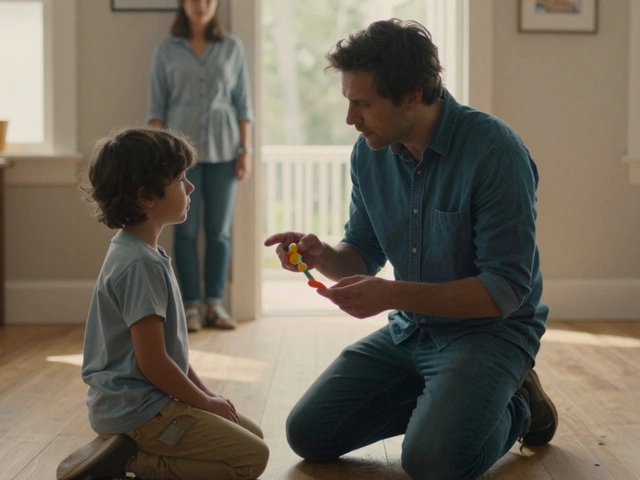
We often watch movies to escape reality. But sometimes, the most powerful stories are the ones that force us to look directly at our own struggles. Films addressing mental health have evolved from stigmatizing tropes of the "crazy villain" to nuanced explorations of human psychology. These narratives do more than entertain; they validate experiences, reduce shame, and offer a mirror for viewers navigating their own well-being journeys.
Understanding how cinema portrays psychological conditions is not just an academic exercise. It shapes public perception, influences policy, and can even serve as a tool for emotional processing. When we analyze these films through the lens of narrative structure and clinical accuracy, we uncover a rich tapestry of storytelling that bridges the gap between entertainment and education.
How do films influence public perception of mental illness?
Films act as cultural mirrors. When a movie accurately depicts depression or anxiety, it helps audiences recognize those symptoms in themselves or others. Conversely, inaccurate portrayals can reinforce harmful stereotypes. The impact lies in normalization-seeing a character struggle and survive makes the viewer feel less alone.
The Evolution of Psychological Portrayal in Cinema
Decades ago, mental health in film was often reduced to horror elements. Think of the isolated asylum or the unpredictable psychopath. These narratives created fear rather than understanding. Today, the landscape has shifted dramatically. Modern filmmakers collaborate with psychologists and lived-experience consultants to ensure authenticity. This shift reflects a broader societal move toward destigmatization and empathy.
Silver Linings Playbook is a 2012 drama that marked a turning point by portraying bipolar disorder with humor and humanity. Unlike earlier depictions that focused solely on chaos, this film showed the daily management of mood swings and the importance of support systems. It demonstrated that characters with mental health challenges could be complex, lovable, and central to a romantic comedy structure.
This evolution continues with films like Joyeux Noël (or similar contemporary works) which explore trauma without sensationalism. The key change is agency. Characters are no longer victims of their minds but active participants in their healing processes. This narrative shift empowers viewers to see recovery as possible, not just survival.
Narrative Structures That Heal
Why do some stories resonate deeply while others fall flat? The answer often lies in narrative structure. Effective mental health narratives follow a trajectory that mirrors therapeutic progress. They acknowledge pain, explore triggers, and depict small victories. This structure provides a safe container for difficult emotions.
- Identification: The audience sees themselves in the protagonist’s initial struggle.
- Confrontation: The character faces the root cause of their distress, often through dialogue or crisis.
- Integration: The story does not promise a magical cure but shows adaptation and acceptance.
Consider A Beautiful Mind, a biographical drama about John Nash and schizophrenia. While criticized for some inaccuracies, its narrative arc allowed millions to understand the subjective experience of delusions. The film used visual cues to represent Nash’s hallucinations, creating a bridge between his internal world and the external reality. This technique invites empathy rather than judgment.
However, not all narratives succeed. Some films rely on tragedy as the only outcome for mentally ill characters, reinforcing the idea that these conditions are inherently destructive. A balanced narrative includes joy, connection, and stability alongside the struggle. This balance is crucial for maintaining hope in the viewer.
Clinical Accuracy vs. Dramatic License
There is always tension between medical accuracy and compelling storytelling. Filmmakers must decide how much detail to include. Too little, and the portrayal feels shallow. Too much, and the film becomes a textbook lecture. The sweet spot lies in emotional truth. Does the character’s reaction feel real, even if the specific diagnosis is simplified?
| Approach | Focus | Impact on Audience |
|---|---|---|
| Clinically Rigorous | Accurate symptoms and treatment protocols | High educational value; may lack broad appeal |
| Emotionally Resonant | Subjective experience and feelings | Strong empathy building; potential for misinterpretation |
| Dramatized | Conflict and high stakes | Engaging plot; risk of reinforcing stereotypes |
For example, Inside Out is an animated film that personifies emotions to explain psychological development. While not a clinical document, it successfully teaches children and adults about the necessity of sadness. Its success proves that metaphorical storytelling can achieve deep psychological insight. The film uses color coding and character interactions to map complex neural pathways onto simple, relatable concepts.
When evaluating a film’s accuracy, ask yourself: Does it show therapy as a collaborative process? Does it depict medication side effects realistically? Does it avoid the trope of the "manic pixie dream girl" who exists only to heal the male protagonist? These details matter because they shape expectations about real-world help-seeking behavior.
The Role of Visual Language in Depicting Inner States
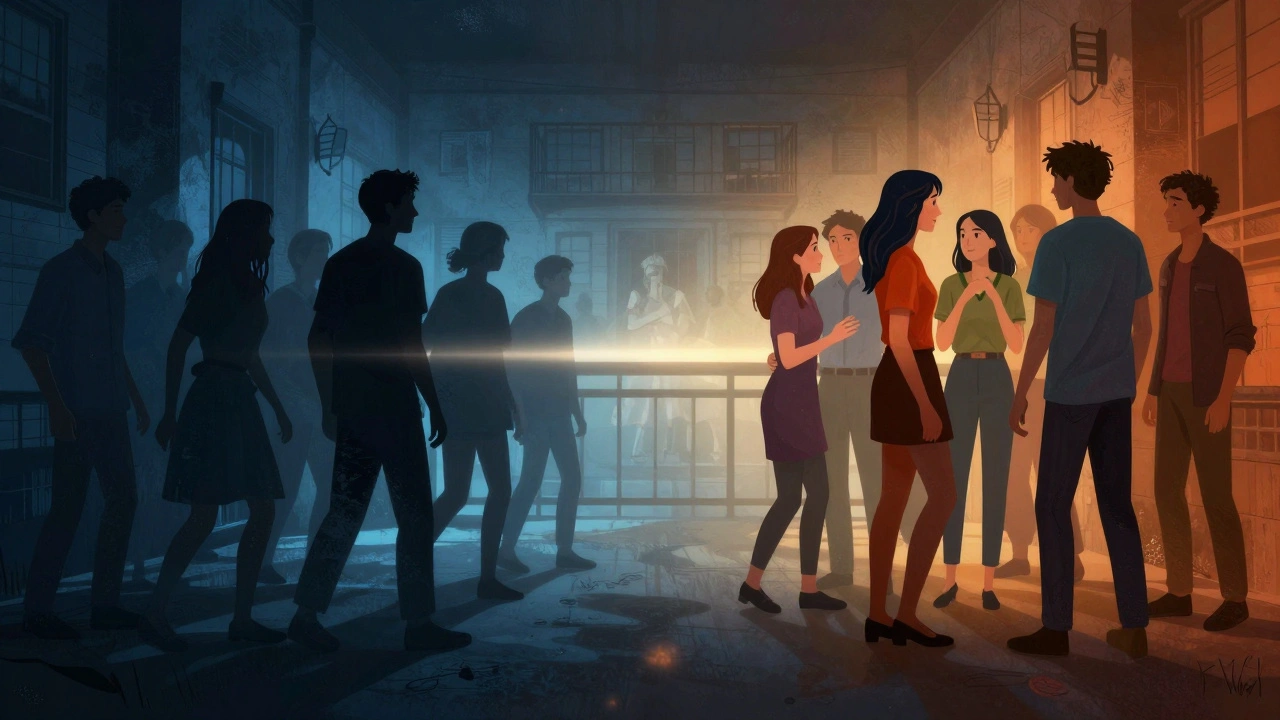
Cinema is a visual medium. Directors use lighting, camera angles, and sound design to convey what words cannot. For mental health narratives, this visual language is essential. Anxiety might be represented by shaky handheld cameras and dissonant music. Depression might appear through muted colors and static, wide shots that emphasize isolation.
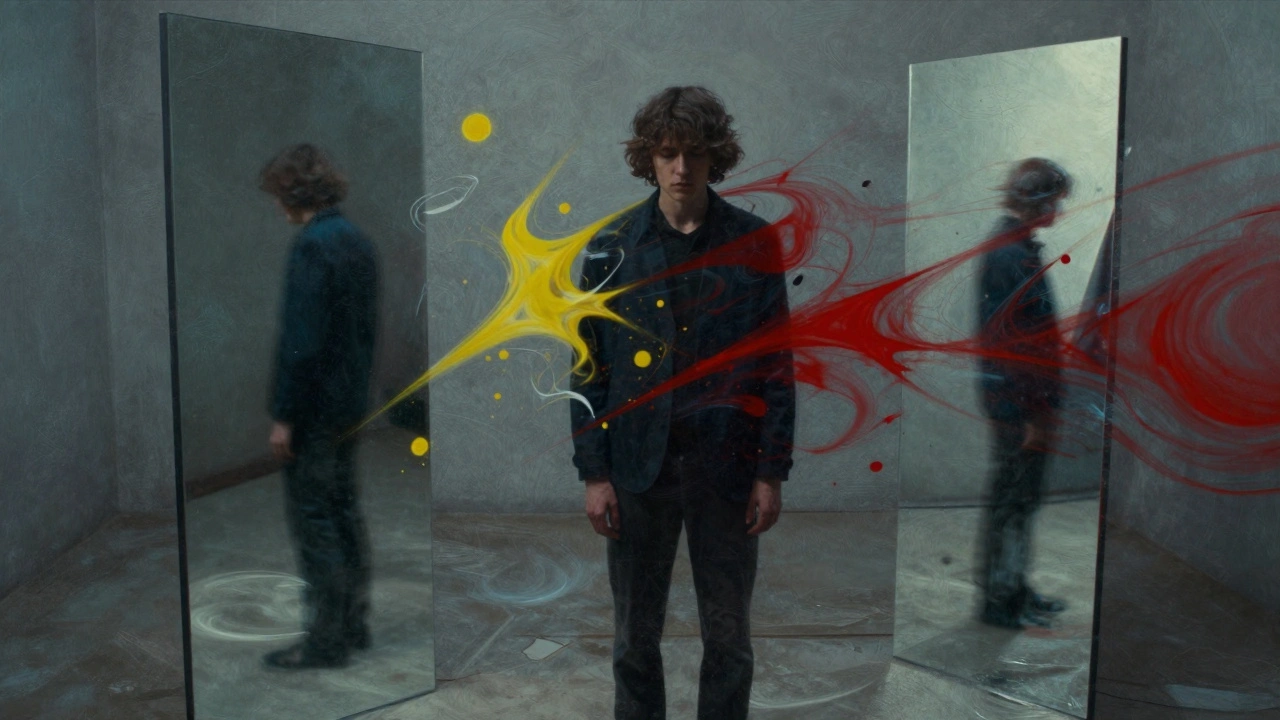
In Black Swan, a psychological thriller about perfectionism and psychosis, the director uses mirrors and reflections to fragment the protagonist’s identity. The visual distortion mirrors her deteriorating mental state. As the audience watches, they experience her confusion firsthand. This immersive technique creates a visceral understanding of dissociation.
Sound also plays a critical role. Tinnitus-like ringing can signal panic attacks. Silence can amplify loneliness. These sensory details bypass intellectual analysis and hit the viewer emotionally. When you watch a scene where a character freezes during a social interaction, the ambient noise dropping out mimics the brain’s fight-or-flight response. You don’t just see the anxiety; you feel it.
Well-Being Narratives Beyond Diagnosis
Mental health is not just about illness. It is also about resilience, growth, and community. Well-being narratives focus on positive psychology. They highlight strengths, coping mechanisms, and social connections. These stories are equally important because they provide models for thriving, not just surviving.
Films like The Secret Life of Walter Mitty explore self-discovery and breaking out of comfort zones. While not explicitly about a diagnosed condition, the narrative addresses stagnation and the need for purpose. It encourages viewers to take action toward their own well-being. The journey from passive daydreamer to active adventurer serves as a metaphor for overcoming depressive inertia.
Community support is another key theme. Many modern films show that healing happens in relationships. Group therapy scenes, family interventions, or friendships that endure hardship demonstrate that isolation is the enemy. These narratives counter the myth of the lone genius or the solitary sufferer. They remind us that we are wired for connection.
Ethical Considerations in Storytelling
With great power comes great responsibility. Filmmakers dealing with sensitive topics must navigate ethical pitfalls. Exploiting trauma for shock value is unacceptable. Using mental illness as a plot twist without context is misleading. Ethical storytelling requires consultation with experts and respect for the subject matter.
One major concern is the "superpower" trope, where a character’s mental illness gives them unique abilities. While common in superhero genres, this can trivialize real suffering. Schizophrenia is not a gift; it is a challenging condition that requires management. Portraying it as a source of mystical insight ignores the daily struggles of medication adherence, stigma, and functional impairment.
Another issue is the resolution. Does the film end with the character "cured" by love or a single breakthrough? Real recovery is non-linear. Ethical narratives show setbacks and ongoing effort. They avoid promising easy fixes. This honesty builds trust with the audience and respects the complexity of human psychology.
Using Film as a Tool for Reflection
You can use these films actively rather than passively. After watching, ask yourself: What did I feel? Did any scene trigger a memory? How did the character’s choices compare to my own? Journaling about your reactions can deepen the experience. Discussing the film with friends or a therapist can also provide new perspectives.
If you are a student of narrative analysis, look for subtext. How does the editing pace reflect the character’s mental state? What symbols recur throughout the story? Analyzing these elements sharpens your critical thinking skills. It also enhances your ability to read emotional cues in real life.
Remember that film is a starting point, not a substitute for professional help. If a movie resonates with your personal struggles, consider reaching out to a mental health provider. Use the insights gained from cinema to facilitate conversations about your own well-being. The screen offers a safe space to explore difficult topics, but real healing happens in the world outside the theater.
Can watching sad movies improve mental health?
Yes, paradoxically. Crying during a film releases endorphins and oxytocin, which can reduce stress. Seeing a character overcome adversity can also provide catharsis and hope. However, individuals in acute crisis should choose content carefully to avoid triggering severe distress.
What is the difference between a mental health narrative and a thriller?
A thriller often uses mental instability as a source of danger or suspense. A mental health narrative focuses on the internal experience, validation, and journey toward well-being. The intent differs: one seeks to scare, the other to understand.
Are there films suitable for children discussing emotions?
Absolutely. Animated films like Inside Out or Wolfwalkers introduce emotional regulation and grief in age-appropriate ways. Parents can use these movies as conversation starters to help children label and manage their feelings.
How do I find accurate mental health resources after watching a film?
Look for official websites of national health services or reputable NGOs like NAMI or the WHO. Avoid relying solely on internet forums. Professional directories can connect you with licensed therapists who specialize in the issues depicted in the film.
Why do some films end tragically for characters with mental illness?
Historically, tragedy was seen as dramatic closure. However, this reinforces the stigma that mental illness leads inevitably to death or ruin. Modern critics argue for diverse endings that show recovery, management, or peaceful acceptance, reflecting the reality that many people live full lives with these conditions.