The real magic of coming-of-age cinema is a genre of film that focuses on the psychological and moral growth of the protagonist from youth to adulthood. While we often call it a genre, it's actually more of a narrative framework. Whether it's a gritty indie flick set in a suburb or a lavish period piece, the core is always the same: the loss of innocence. It's about that moment when you realize your parents are just flawed people and the world doesn't have a built-in instruction manual.
The Blueprint of the Bildungsroman
To understand why these movies work, we have to look at the Bildungsroman. This is a German term that basically means a "novel of formation." In cinema, this translates to a specific trajectory. The character usually starts in a state of naive contentment or stifling restriction, hits a catalyst-like a first love, a death in the family, or a move to a new city-and is forced to evolve.
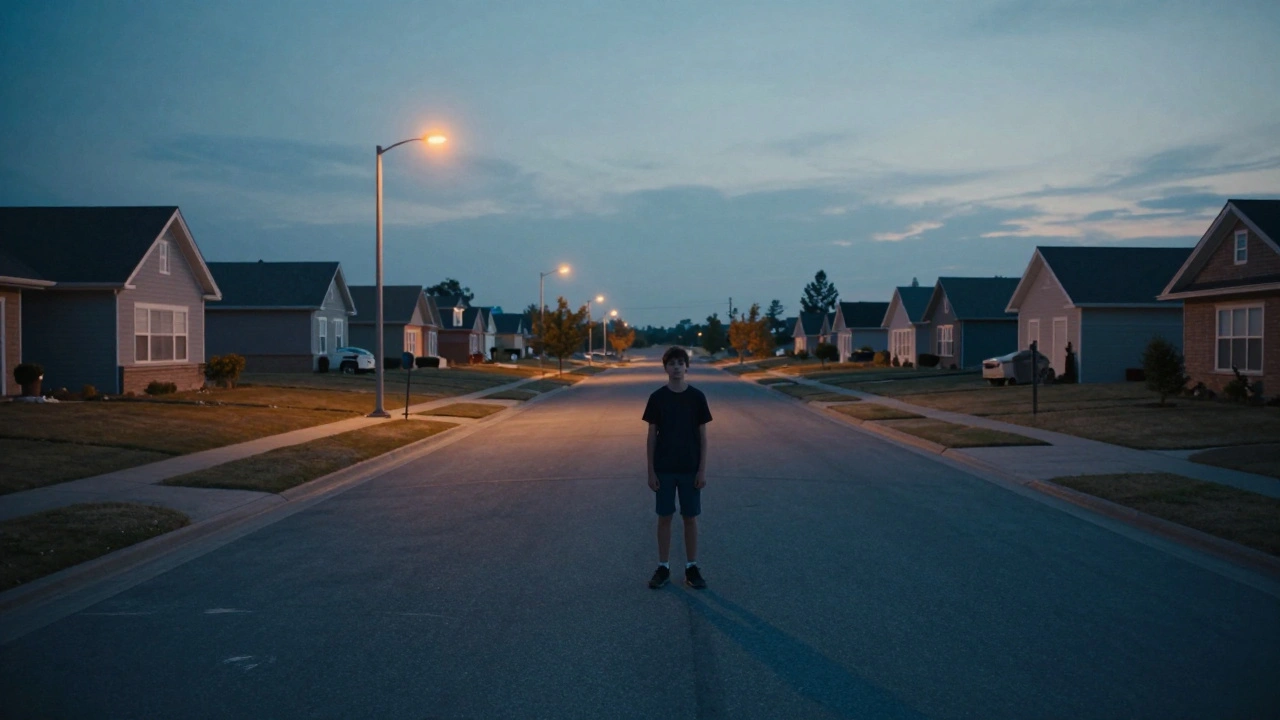
Take a look at the structure. It's rarely about the external plot. If the movie is about a kid starting high school, the "plot" is just the excuse. The real story is the internal shift. We see this in the way directors use visual language to show isolation. Think of the wide shots that make a teenager look tiny against a massive backdrop, emphasizing how overwhelmed they feel by the expectations of adult society. The goal isn't a happy ending, but an authentic ending where the character has gained a new perspective on their place in the world.
Common Tropes and Why They Actually Work
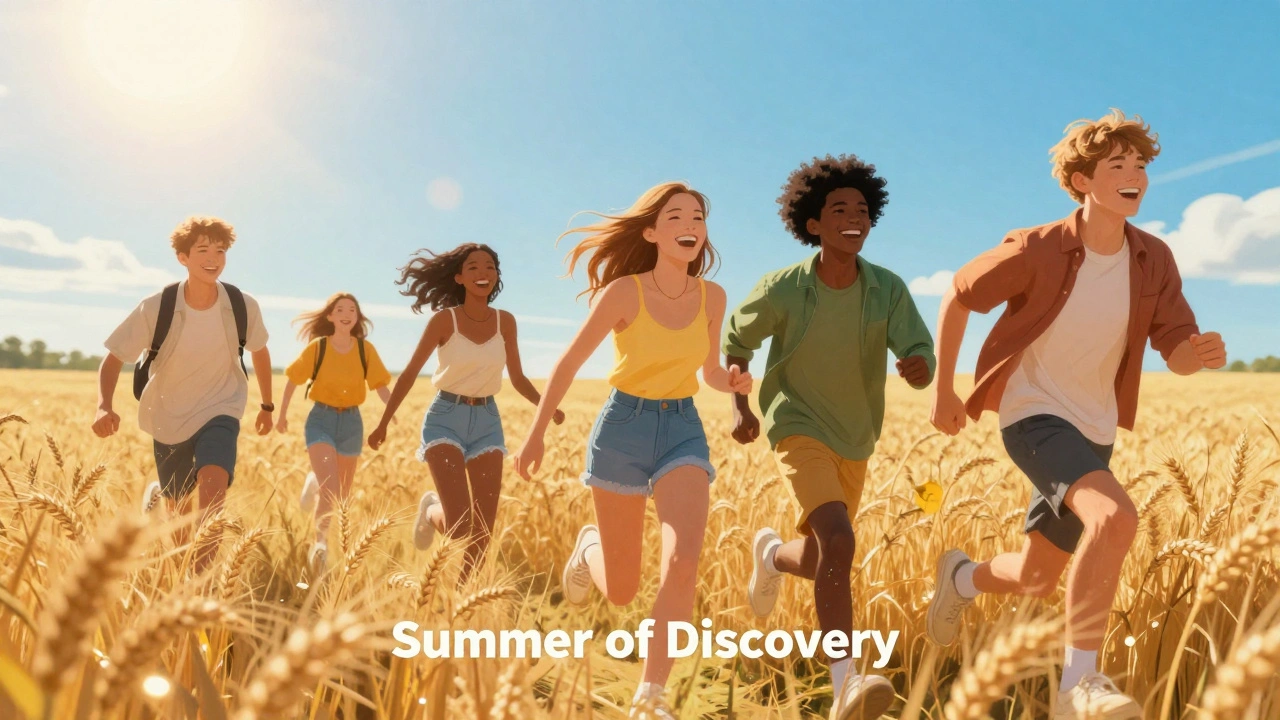
You've seen them a thousand times: the misunderstood rebel, the strict parent, the summer that changes everything. These aren't just clichés; they are universal milestones. The "Summer of Discovery" trope works because adolescence often feels like a suspended state. In movies, summer acts as a vacuum where the rules of school and childhood don't apply, allowing characters to experiment with their identity.
Then there's the "Mentor Figure." This is usually an adult who isn't a parent-a quirky teacher, an older sibling, or a neighbor. This person provides the bridge between the child's world and the adult's world. They offer a different version of adulthood, showing the protagonist that growing up doesn't have to mean becoming a boring corporate drone or a cynical grouch. This dynamic is crucial because it gives the character a safe space to fail before they have to face the real world.
| Element | Function | Psychological Trigger |
|---|---|---|
| The Catalyst | Forces the character out of their comfort zone | Cognitive Dissonance |
| The Identity Crisis | Internal struggle between peer pressure and self | Social Integration |
| The Epiphany | A moment of sudden clarity or acceptance | Emotional Maturity |
| The Resolution | A new, albeit imperfect, status quo | Self-Actualization |
The Role of Memory and Nostalgia
A huge part of this cinema is how it handles Nostalgia. Many of the best growing-up stories are told from a distance, using a narrator who is looking back at their younger self. This creates a double perspective: we see the raw, impulsive emotions of the teenager, but we also feel the wistful longing of the adult.
This is where Cinematography comes into play. Directors often use warm, saturated colors or soft focus to mimic the way we remember our youth-filtering out the boring parts and amplifying the emotional peaks. When a film uses a voiceover from the future, it acknowledges that the "growth" happened after the events of the movie. The movie is the evidence, but the adulthood is the result. It reminds us that while we can't go back, the version of us that existed in those chaotic years is what built the person we are today.
Breaking the Mold: Modern Shifts in the Genre
For a long time, these stories were mostly about white, middle-class experiences. But the landscape has shifted. We're seeing a surge in stories that explore intersectionality-how race, gender, and class complicate the process of growing up. When a character is fighting not just against "the man" but against systemic barriers, the stakes of their growth are much higher.
Modern coming-of-age films are also leaning harder into Teenage Psychology rather than just tropes. Instead of just "being a teen is hard," they tackle specific issues like digital identity and the performative nature of social media. The struggle is no longer just about fitting in at the school dance; it's about maintaining a curated online persona while feeling completely lost in real life. This adds a layer of complexity where the "mask" the character wears is visible to the audience but invisible to the other characters.
The Pain of the 'Almost' Adult
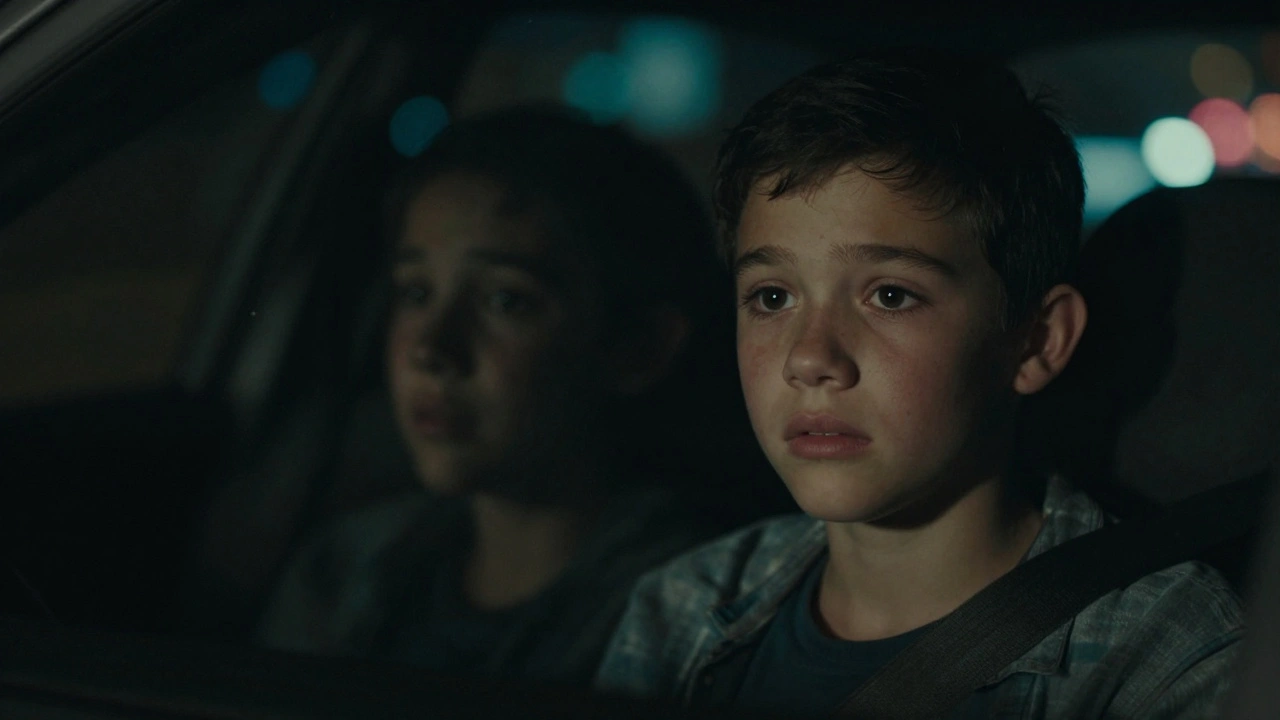
There is a specific tension in these films called the "liminal space." This is that awkward gap where you're too old to be a child but too young to be treated like an adult. Cinema captures this perfectly through pacing. The slow-burn narratives that focus on long walks, staring at ceilings, or endless conversations in cars reflect the feeling of waiting for your life to actually start.
The most heartbreaking part of these stories is usually the realization that growing up requires a trade-off. To gain wisdom, you have to lose your sense of wonder. To gain independence, you have to accept loneliness. The best films don't pretend this is a happy trade. They show the grief of leaving childhood behind. It's a quiet kind of mourning that resonates with everyone, regardless of whether they are 16 or 60.
How to Analyze a Coming-of-Age Story
If you're looking at a movie and wondering if it truly fits the mold, don't look at the age of the characters. Look at the change. If the protagonist is the same person at the end as they were at the beginning, it's just a movie about a teenager. If they've undergone a fundamental shift in their worldview, it's a coming-of-age story.
Ask yourself: What was the specific lie the character believed about the world? How was that lie challenged? And most importantly, what is the new truth they've accepted? Whether it's realizing that love is complicated or that failure is a part of success, that movement from a false belief to a hard truth is the heartbeat of the entire genre.
What is the difference between a teen movie and a coming-of-age movie?
A teen movie focuses on the setting and the culture of being a teenager-think parties, high school cliques, and prom. A coming-of-age movie focuses on the internal transition from childhood to adulthood. While a teen movie might be about winning a game or getting a date, a coming-of-age story is about the character's psychological evolution and the loss of innocence.
Why are Bildungsroman stories so universal?
Because everyone goes through the process of maturing. The specific details change based on the era or culture, but the feelings of inadequacy, the desire for autonomy, and the shock of discovering the world's imperfections are human constants. These stories validate our own messy journeys toward adulthood.
Can adult characters be in coming-of-age films?
Yes. While typically associated with puberty, "coming-of-age" can happen at any stage of life. "Late bloomers" or characters experiencing a mid-life crisis can undergo a similar process of shedding an old identity to embrace a new, more authentic version of themselves. The key is the fundamental internal shift, not the age on the ID.
How does music impact these types of films?
Music often acts as a character itself in coming-of-age cinema. It represents the protagonist's emotional state or their attempt to find an identity. A specific song can act as a temporal anchor, triggering nostalgia for the viewer and signaling a moment of rebellion or connection for the character.
What are the typical risks of these narratives?
The biggest risk is falling into over-sentimentality or using clichés (like the "makeover" scene) without adding psychological depth. When a film relies too heavily on tropes, it loses the raw, honest feeling that makes the genre powerful, turning a human experience into a predictable formula.




Comments(8)