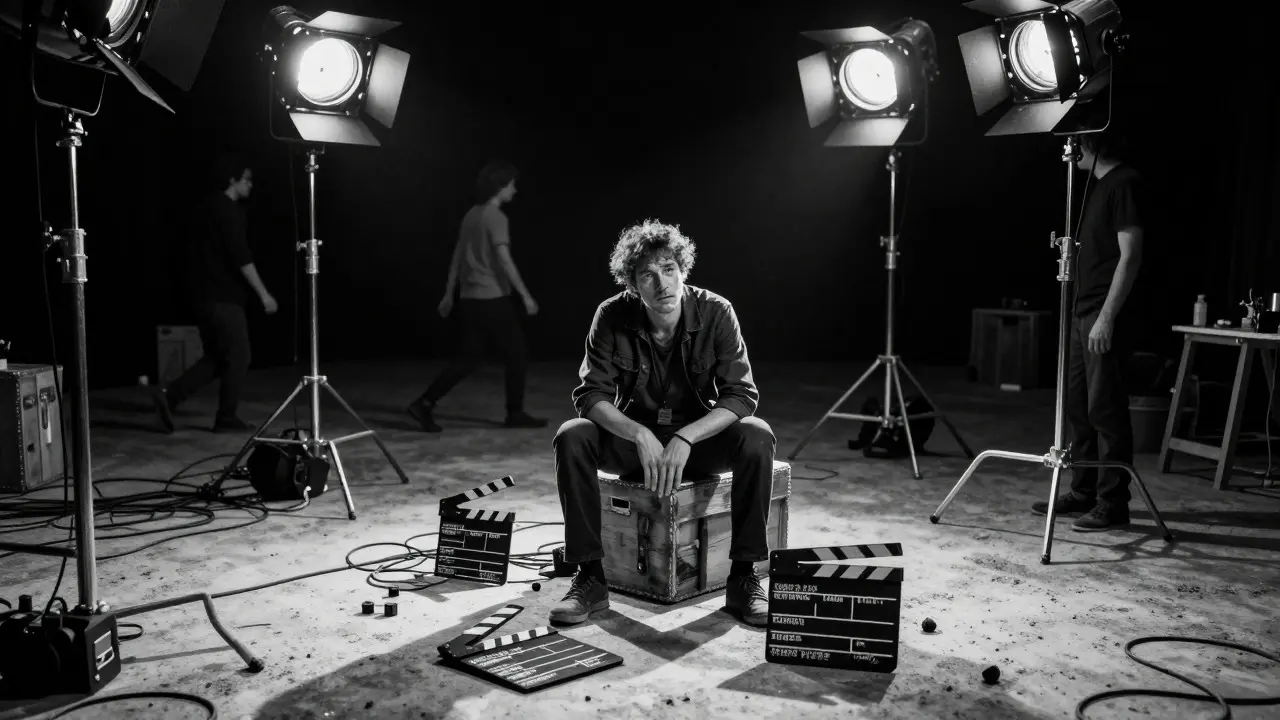
Ever watched a movie where the characters are making a movie? It’s a strange loop that can either feel like a clever trick or a deep dive into how art gets made. These aren't just random choices; they are films about film, a genre that pulls back the curtain to show you the machinery behind the magic. Whether it’s a chaotic set in the 1970s or a quiet editing room in the present day, these stories explore the obsession, the ego, and the technical craft of storytelling.
If you love the process as much as the product, this list is for you. We’re looking at movies that don’t just tell a story but analyze the act of telling it. From the grit of independent production to the glitz of Hollywood legends, here are the essential titles that define this niche.
Why We Watch Movies About Making Movies
There is something inherently satisfying about seeing the invisible work become visible. When a character struggles with a script, you understand the weight of those words. When a director argues with an actor, you see the friction that often leads to great performances. These films serve as a bridge between the audience and the creators.
- The Craft: They break down technical aspects like lighting, sound mixing, and editing.
- The Culture: They capture specific eras of Hollywood, from the silent era to the digital age.
- The Psychology: They explore the ego, ambition, and creative block that drive artists.
You don’t need to be a filmmaker to appreciate these narratives. In fact, they often make the final product on screen more meaningful because you know what it took to get there.
The Classics That Defined the Genre
No discussion of cinema within cinema is complete without mentioning the pioneers. These films established the tropes we still see today: the difficult director, the starlet who wants more than fame, and the producer who cares more about money than art.
8½ (1963)
8½ is a landmark Italian film directed by Federico Fellini that explores the creative crisis of a fictional director named Guido Anselmi. This black-and-white masterpiece is less a plot-driven story and more a visual essay on memory, faith, and artistic paralysis. Guido is stuck trying to direct his eighth feature, but he can’t find the inspiration. Instead of solving the problem, the film dissolves into hallucinations, flashbacks, and dreams. It remains one of the most influential films ever made, proving that the struggle to create is as compelling as the creation itself.
Hollywood Party (1954)
While not as artistically dense as *8½*, Hollywood Party is a 1954 musical comedy that satirizes the excesses and artificiality of the Golden Age of Hollywood. Starring Bob Hope and Lucille Ball, it offers a lighthearted look at the studio system. It’s a fun entry point if you want to understand the social dynamics of old Hollywood without getting bogged down in heavy existential dread.
Modern Takes on the Industry
Contemporary filmmakers have shifted the focus. Instead of romanticizing the glamour, modern films often highlight the chaos, the politics, and the changing technology of the industry. These movies feel urgent because they reflect the current state of the business.
The Master (2012)
The Master is a 2012 drama directed by Paul Thomas Anderson that follows a young naval veteran who joins a cult-like religious group led by a charismatic figure. While it doesn’t explicitly feature a film set, it deeply explores the psychology of influence and performance. The protagonist, Freddie Quell, is obsessed with authenticity and control, traits that mirror the intense scrutiny directors place on their subjects. The cinematography by Robert Elswit is so precise that it feels like a study in visual composition, mirroring the themes of the narrative.
Birdman (or (The Unexpected Virtue of Ignorance)) (2014)
Birdman is a 2014 dark comedy-drama directed by Alejandro G. Iñárritu about a washed-up action star attempting to revive his career with a Broadway play. This film is famous for its single-take illusion, which creates a seamless flow that mirrors the protagonist's relentless internal monologue. Riggan Thomson is haunted by his past success and terrified of irrelevance. The film critiques the superhero boom while simultaneously relying on it for its own spectacle. It won four Academy Awards, including Best Picture, cementing its status as a modern classic of meta-cinema.
Documentaries and Biopics: Real Life, Dramatized
Sometimes, the best way to explore filmmaking is to look at real people who changed the industry. These films blend factual history with dramatic storytelling to give you a sense of scale and impact.
The Godfather of Green (2018) / Man with the Movie Camera (1929)
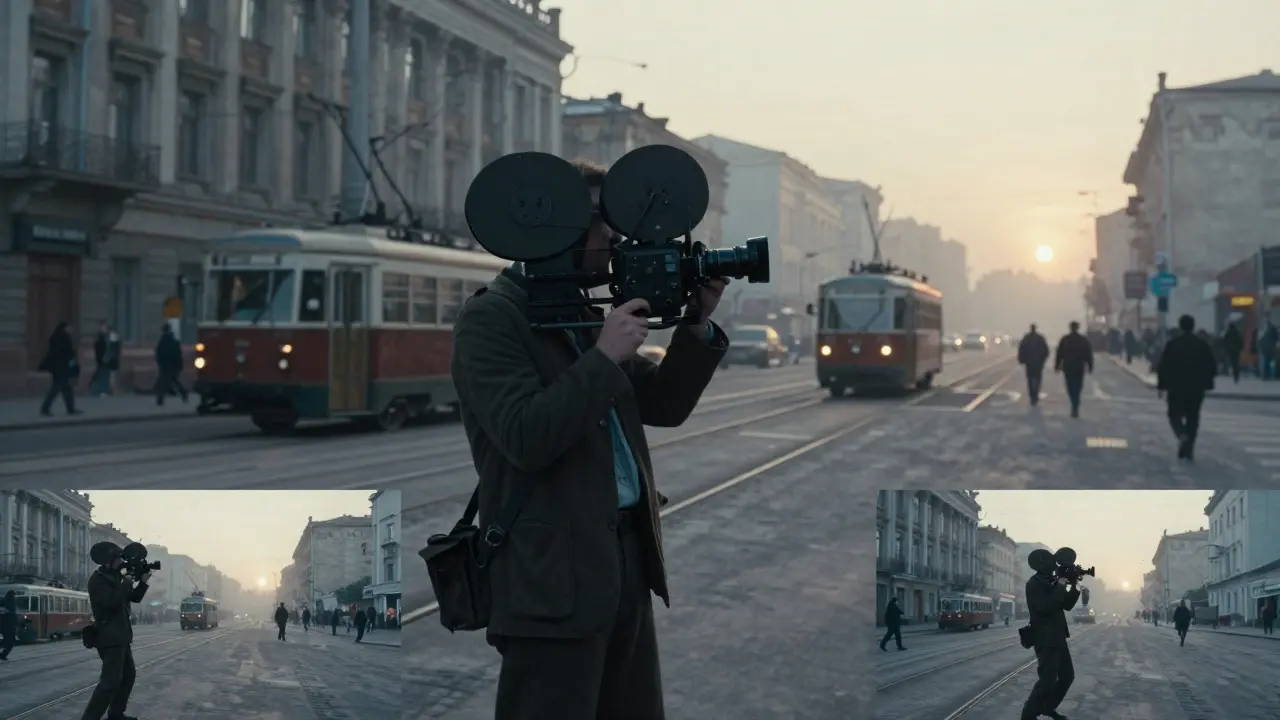
Let’s talk about Man with the Movie Camera is a 1929 Soviet silent film directed by Dziga Vertov that chronicles the daily life of a cameraman in Moscow. It is widely considered one of the greatest documentaries ever made. Vertov used innovative editing techniques, split screens, and fast cuts to capture the rhythm of city life. There is no dialogue, only intertitles. It is a pure celebration of the camera as a tool for truth-telling. If you want to understand the roots of visual storytelling, this is your starting point.
The Last Picture Show (1971)
The Last Picture Show is a 1971 American coming-of-age drama directed by Peter Bogdanovich that takes place in a small Texas town in the late 1950s. While it focuses on teenage life, the local theater serves as the heart of the community. The film explores the decline of the neighborhood cinema and the cultural shift away from communal viewing. It won three Academy Awards, including Best Director, and is praised for its nostalgic yet bittersweet tone.
Comparison of Key Themes
To help you choose your next watch, here is a breakdown of the primary themes in some of the most significant films about film.
| Film Title | Year | Primary Focus | Tone |
|---|---|---|---|
| 8½ | 1963 | Creative Block | Dreamlike, Surreal |
| Birdman | 2014 | Relevance & Legacy | Intense, Satirical |
| Man with the Movie Camera | 1929 | Technical Innovation | Energetic, Observational |
| The Last Picture Show | 1971 | Cultural Decline | Nostalgic, Melancholic |
How to Choose Your Next Watch
Picking the right film depends on what aspect of cinema interests you most. Do you want to see the technical side, or are you more interested in the human drama?
- If you love visuals: Start with Man with the Movie Camera. It is a masterclass in editing and composition.
- If you enjoy psychological depth: 8½ offers a raw look at the inner world of an artist.
- If you prefer modern context: Birdman connects the history of Hollywood to contemporary anxieties about fame.
- If you want a historical perspective: The Last Picture Show provides a window into how moviegoing was a central social activity in the mid-20th century.
Each of these films adds a layer to your understanding of what it means to make and watch movies. They remind us that cinema is not just a product; it is a living, breathing culture.
Frequently Asked Questions
What is the best film about filmmaking for beginners?
For beginners, The Last Picture Show is an excellent choice. It is accessible, emotionally resonant, and does not require prior knowledge of film theory to appreciate. It gently introduces the idea of cinema as a cultural force.
Are there any recent films about documentary filmmaking?
Yes, Man with the Movie Camera is a foundational text, but modern examples include Honeyland (2019), which, while not strictly about making a film, highlights the ethical complexities of documentary observation. Additionally, The Act of Killing (2012) blurs the line between documentary and reenactment, offering a unique perspective on how stories are constructed.
Why do directors make movies about movies?
Directors often use this theme to comment on the nature of reality versus representation. It allows them to critique the industry, celebrate their peers, or explore their own creative anxieties. It is a way to self-reflect on the medium they use to communicate.
Is Birdman considered a serious film or a satire?
It is both. Birdman operates as a sharp satire of Hollywood’s obsession with spectacle, but it also presents a genuine, painful portrait of an aging artist struggling with identity. The humor serves to underscore the tragedy.
Where can I find these classic films?
Most of these titles are available on major streaming platforms such as Criterion Channel, MUBI, and various general services like Netflix or Amazon Prime Video. Availability may vary by region, so checking local library collections or digital rental stores is also recommended.






Comments(8)