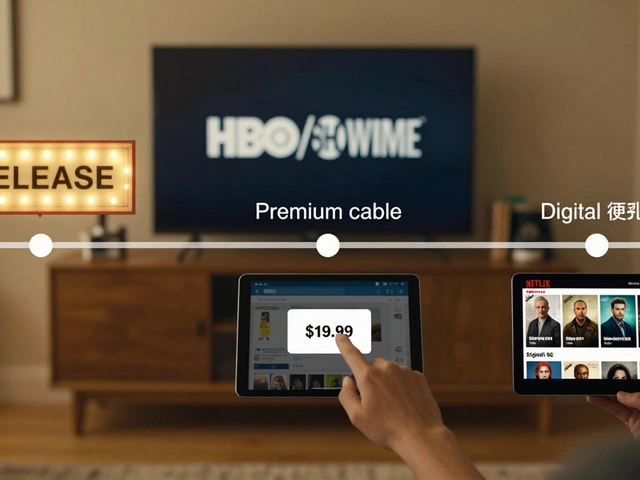
For decades, the path from cinema to living room followed a rigid, predictable rhythm. You waited for the theatrical run to end, then you waited for the DVD or Blu-ray release. Today, that timeline has collapsed into a flexible, data-driven ecosystem where transactional on-demand (TCO) is often the first and most critical stop for audiences who missed the theaters.
If you are a content creator, distributor, or just a curious moviegoer, understanding this shift is essential. The TCO window isn't just another option; it is the primary revenue engine for many films today, especially mid-budget and independent titles. It changes how studios calculate risk, how marketers target audiences, and how fans actually get their hands on new releases.
What Exactly Is the Transactional On-Demand Window?
To understand why this matters, we need to strip away the jargon. Transactional On-Demand (TCO) is a digital distribution model where consumers pay a one-time fee to rent or purchase a specific piece of media, such as a movie or TV episode. Unlike subscription services like Netflix or Disney+, where you pay a monthly fee for unlimited access, TCO requires a direct transaction for each title.
This model splits into two distinct categories:
- Rent: You pay a lower fee (typically $4.99 to $5.99) to watch the content within a limited window, usually 48 hours after starting playback. Once the timer runs out, you lose access unless you rent it again.
- Purchase (ETP - Electronic Title Purchase): You pay a higher fee (typically $14.99 to $19.99) to own the file permanently. You can watch it as many times as you want, forever, on any compatible device.
The key differentiator here is ownership versus access. In the streaming era, "ownership" has become a premium feature. Fans who want to keep a favorite film in their library without relying on a platform's shifting catalog will almost always choose ETP over rental.
The Evolution of Release Windows: From Physical to Digital
The concept of "release windows" refers to the staggered timing of when a film becomes available across different platforms. Historically, these windows were fixed by contract and tradition. A major studio film might wait 90 days after its theatrical debut before hitting DVD stores. This protected theater revenues and gave physical retailers time to stock up.
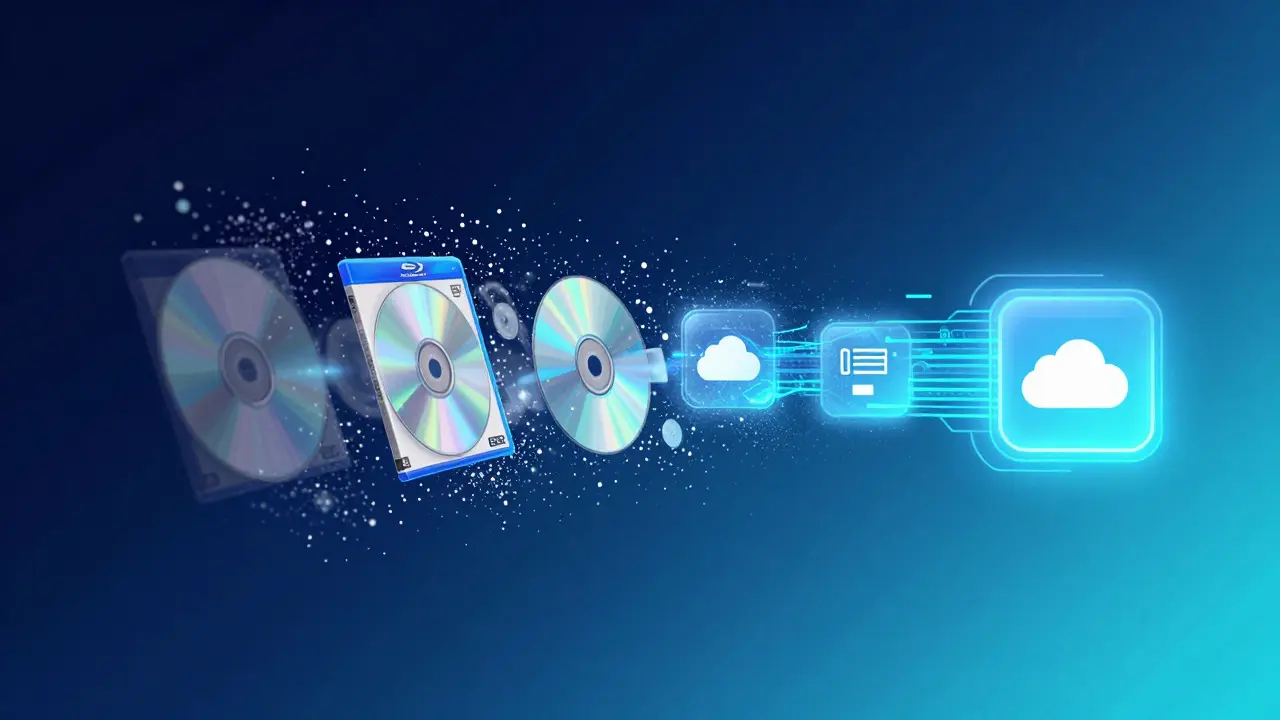
However, the rise of high-speed internet and digital storage killed the physical retail model. By the mid-2010s, the gap between theatrical and home video shrank dramatically. Today, the standard TCO window often opens just 28 to 45 days after a film leaves theaters. For some smaller films, the TCO release happens simultaneously with the theatrical premiere, a strategy known as "day-and-date" release.
This compression of windows has forced distributors to rethink their marketing. Instead of waiting months to launch a home video campaign, they must prepare digital assets, pricing strategies, and promotional pushes almost immediately after the theatrical run ends. The transition from "theater" to "home" is now seamless, sometimes even overlapping.
Why Studios Prefer TCO Over Subscriptions for New Releases
You might wonder why a studio would push a new film onto a rental service when they could just put it on a big streaming platform. The answer lies in margin control and audience segmentation.
When a film lands on a subscription service, the studio typically receives a flat licensing fee. That fee is negotiated upfront and doesn't change based on how many people actually watch the movie. If the film flops, the studio still gets the same check. If it becomes a hit, the studio doesn't see additional upside from individual viewers.
With TCO, every single view generates direct revenue. If a film resonates with a passionate niche audience, those fans can rent or buy it multiple times, or recommend it to friends, driving continuous income. This makes TCO ideal for:
- Independent Films: These movies often lack the broad appeal to justify a massive subscription license but have dedicated fan bases willing to pay for quality.
- Mid-Budget Studio Movies: Titles that don't break box office records but have solid brand recognition benefit from direct-to-consumer sales.
- Award Winners: Films that gain momentum after festival premieres often perform better on TCO than in wide theatrical releases, as audiences seek them out deliberately rather than passively discovering them on a streaming feed.
Platform Wars: Where Your Movie Lives
The TCO landscape is dominated by a few major players, each with distinct strengths. Choosing the right platform-or ensuring your film is available on all of them-is a critical part of distribution strategy.
| Platform | Primary Strength | Typical Pricing Strategy | User Base Focus |
|---|---|---|---|
| Apple TV | High-quality user interface, strong integration with iOS/macOS devices, reliable payment processing | Standard market rates ($4.99 rent / $14.99 buy) | Tech-savvy users, Apple ecosystem loyalists |
| Amazon Prime Video | Huge reach due to Amazon account penetration, frequent discounts on rentals | Competitive, often offers bundle deals or price drops | Broad consumer base, existing Amazon customers |
| Vudu (Fandango at Home) | Strong focus on 4K Ultra HD and HDR content, partnership with Fandango for ticketing synergy | Standard rates, aggressive promotions for 4K titles | Home theater enthusiasts, cinephiles seeking best visual quality |
| YouTube Movies | Massive organic discovery potential, simple checkout process | Standard rates, easy cross-promotion with YouTube channels | Casual viewers, mobile-first users |
Notice that no single platform dominates entirely. Most successful distributors use a multi-platform approach. They release the film on all major TCO services simultaneously to maximize visibility. However, they might negotiate exclusive deals for specific formats (like 4K) or promotional periods to create urgency.
Strategic Considerations for Distributors and Creators
If you are involved in getting a film to market, the TCO window is not just a technical upload; it is a strategic battleground. Here are the key factors that determine success:
- Pricing Psychology: Setting the right price point is crucial. Too high, and you lose impulse renters. Too low, and you signal low quality. Industry standards have stabilized around $5.99 for rentals and $19.99 for purchases, but deviations can be effective for niche genres or event releases.
- Metadata Optimization: Your film’s title, description, artwork, and genre tags must be optimized for search algorithms. Just like SEO for websites, good metadata ensures your film appears when users browse or search for similar content.
- Timing the Launch: Releasing on a Friday evening aligns with traditional weekend viewing habits. However, releasing on a Tuesday can help your film stand out against the flood of new weekly releases. Data analytics tools now allow distributors to test these timings in real-time.
- Bundling and Promotions: Offering a discount for purchasing the digital version alongside a physical Blu-ray, or bundling a film with a related sequel, can boost average order value. Limited-time free trials of rentals for subscribers of other services can also drive initial interest.
Furthermore, the rise of social media has changed how TCO launches are promoted. Trailers, behind-the-scenes clips, and influencer reviews are now distributed directly to social platforms, creating a feedback loop where buzz drives immediate rental spikes. The "window" is no longer static; it is dynamic, responding to cultural moments and viral trends.
The Future of TCO: Hybrid Models and AI Curation
Where is this heading? The line between TCO and subscription is blurring. We are seeing more "hybrid" models where a film is available for rent on Day 1, then moves to a subscription service three months later, and finally returns to TCO for a permanent purchase option. This lifecycle maximizes revenue at every stage.
Additionally, artificial intelligence is transforming how users discover TCO content. Instead of browsing generic categories, AI curators analyze viewing history, mood, and even time of day to suggest specific films for rental. This personalization increases conversion rates significantly, as users are more likely to rent a film that feels personally recommended.
For creators, this means the TCO window is becoming smarter and more responsive. The technology allows for micro-targeting: promoting a horror film to users who watched thrillors last night, or a romantic comedy to users browsing on a rainy Sunday afternoon. The potential for precision marketing is vast.
Frequently Asked Questions
What is the difference between renting and buying a movie on VOD?
Renting gives you temporary access to a film, usually for 48 hours after you start watching it, for a lower price (around $5). Buying (or ETP) gives you permanent ownership of the digital file for a higher price (around $15-$20), allowing you to watch it anytime, anywhere, forever.
How soon after a movie leaves theaters does it appear on TOD/VOD?
The standard window is currently 28 to 45 days after the theatrical release ends. However, this varies by studio and film. Some independent films may appear sooner, while major blockbusters might wait longer to protect their long-tail theatrical earnings. Day-and-date releases are also common for smaller projects.
Is TCO more profitable for studios than streaming subscriptions?
It depends on the film. For mass-audience hits, subscription deals provide guaranteed, large upfront payments. For niche, mid-budget, or award-winning films, TCO is often more profitable because it captures direct consumer value without sharing revenue through a flat license. TCO allows for uncapped revenue growth if the film finds a passionate audience.
Can I watch TCO movies on my smart TV?
Yes. Most modern smart TVs from brands like Samsung, LG, and Sony have built-in apps for major TCO platforms like Apple TV, Amazon Prime Video, and YouTube Movies. If your TV doesn't have native support, you can use streaming devices like Roku, Fire Stick, or Chromecast to access these services.
What happens if I don't finish a rented movie within 48 hours?
If you haven't started the movie within 30 days of purchase, the rental expires. Once you start playing the movie, you typically have 48 hours to finish it. If you pause the movie, the clock keeps running. If the timer expires, you lose access and must rent it again to continue watching.
Do TCO prices ever go down?
Yes, frequently. Rental prices often drop after the initial release period (e.g., from $5.99 to $3.99). Purchase prices rarely drop, but platforms occasionally run sales or offer discounts for members (like Amazon Prime members). Keeping an eye on seasonal sales can save you money on larger libraries.