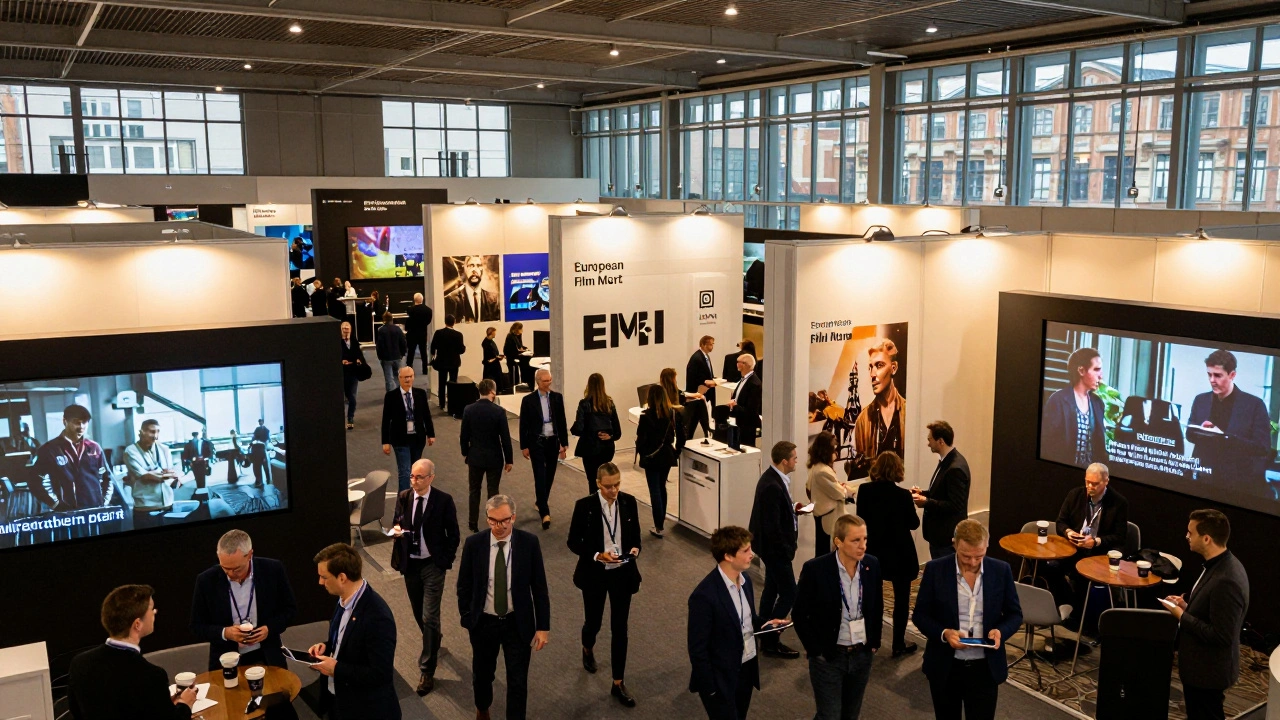
Every year, thousands of filmmakers, distributors, and sales agents descend on Berlin, Los Angeles, and Cannes-not to watch movies, but to sell them. These aren’t just film festivals. They’re massive marketplaces where deals worth hundreds of millions of dollars get made in hallway conversations, hotel suites, and crowded exhibition halls. If you’re trying to get your film seen by buyers, you need to understand the three biggest film markets: EFM, AFM, and Marché du Film.
What Exactly Is a Film Market?
A film market is where movies are bought and sold before they hit theaters or streaming platforms. Unlike festivals like Sundance or TIFF, which focus on audience reactions and awards, markets are pure business. Buyers from Netflix, Amazon, Hulu, and indie distributors walk the floors looking for films they can acquire for their libraries. Sellers pitch their projects with trailers, screeners, and one-pagers. The goal? Close a distribution deal.
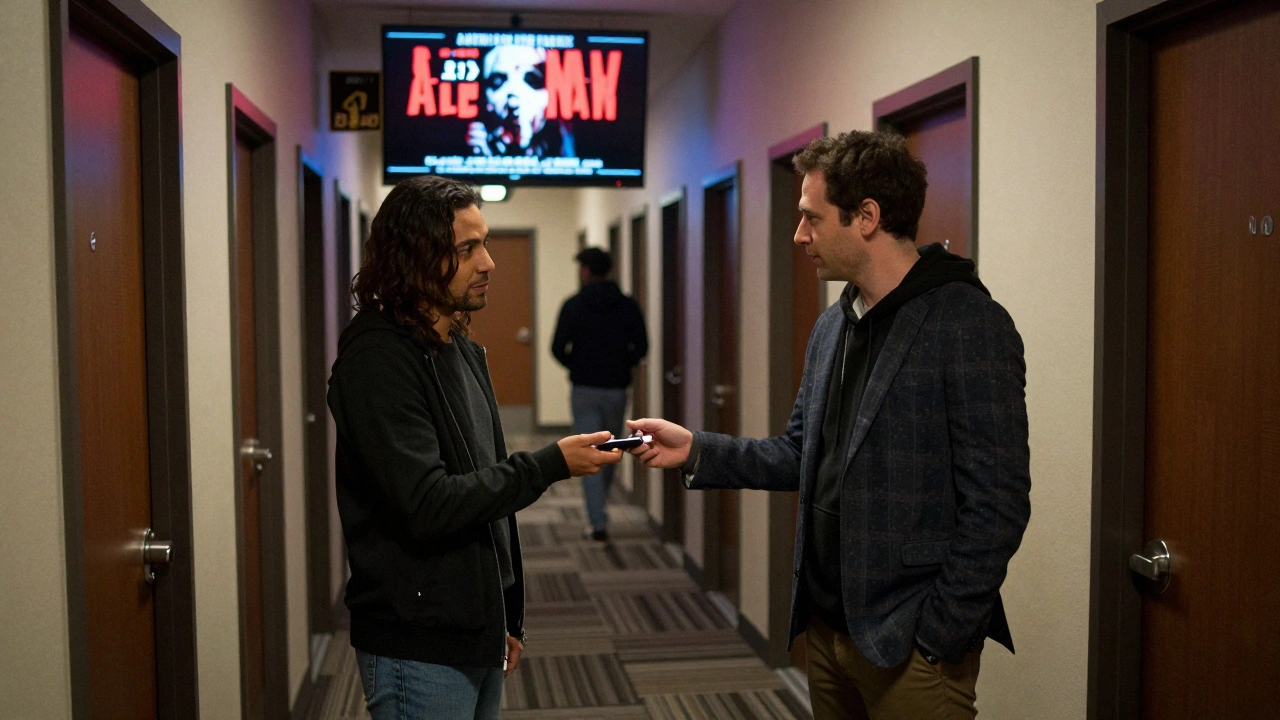
At a market, you won’t find red carpets or celebrity interviews. You’ll find bankers in suits, agents with thick contracts, and producers holding coffee cups while pitching their next film. The deals here don’t get announced on Variety’s front page-they get signed in hotel rooms, confirmed over Zoom, and sometimes settled with a handshake.
European Film Market (EFM) - Berlin’s Business Hub
EFM runs alongside the Berlin International Film Festival, or Berlinale, every February. It’s the largest film market in Europe and one of the top three globally. In 2025, over 12,000 industry professionals attended EFM from 112 countries. That’s not just a crowd-it’s a global marketplace.
EFM is known for its strong European presence, but it’s not just for European films. American indie producers, Latin American distributors, and Asian streaming platforms all show up. The market has over 1,000 booths in its exhibition hall, and more than 500 films are presented in its official market screenings.
One thing that makes EFM unique is its focus on co-productions. Many films shown here are funded by multiple countries, and EFM’s networking events are designed to connect producers with financing partners. If your film has international appeal, EFM is where you find the partners to fund and distribute it.
EFM also runs a strong public screening program. Unlike AFM or Marché du Film, where screenings are mostly industry-only, EFM lets the public watch select films. This gives filmmakers real audience feedback before they commit to a deal.
American Film Market (AFM) - The Hollywood of Deals
AFM takes place every November in Santa Monica, right on the edge of Los Angeles. It’s the biggest film market in North America and the most aggressive when it comes to deals. In 2024, over $1.2 billion in film rights were bought and sold during the eight-day event.
AFM is where U.S. distributors come to stock up. Companies like Lionsgate, Sony Pictures Classics, and smaller players like Gravitas Ventures all have booths. If you have a thriller, horror film, or action movie with clear genre appeal, AFM is your best shot at a quick sale.
Unlike EFM, AFM doesn’t have a public film festival attached to it. Everything is industry-focused. There are no audience awards, no buzz-building premieres. It’s pure commerce. You’ll find more buyers here per square foot than anywhere else.
One thing AFM is famous for: fast deals. A film can be pitched on Monday, screened on Tuesday, and sold by Wednesday. The pace is intense. Many indie filmmakers come to AFM with a rough cut and a trailer, hoping to land a $50,000-$200,000 deal. That’s enough to cover festival fees, marketing, and maybe even a theatrical release.
AFM also runs a large co-production forum and a “Project Market” where filmmakers pitch unfinished films to investors. If you’re still in development, AFM can connect you with financiers who want to back projects before they shoot.
Marché du Film - Cannes’ Power Play
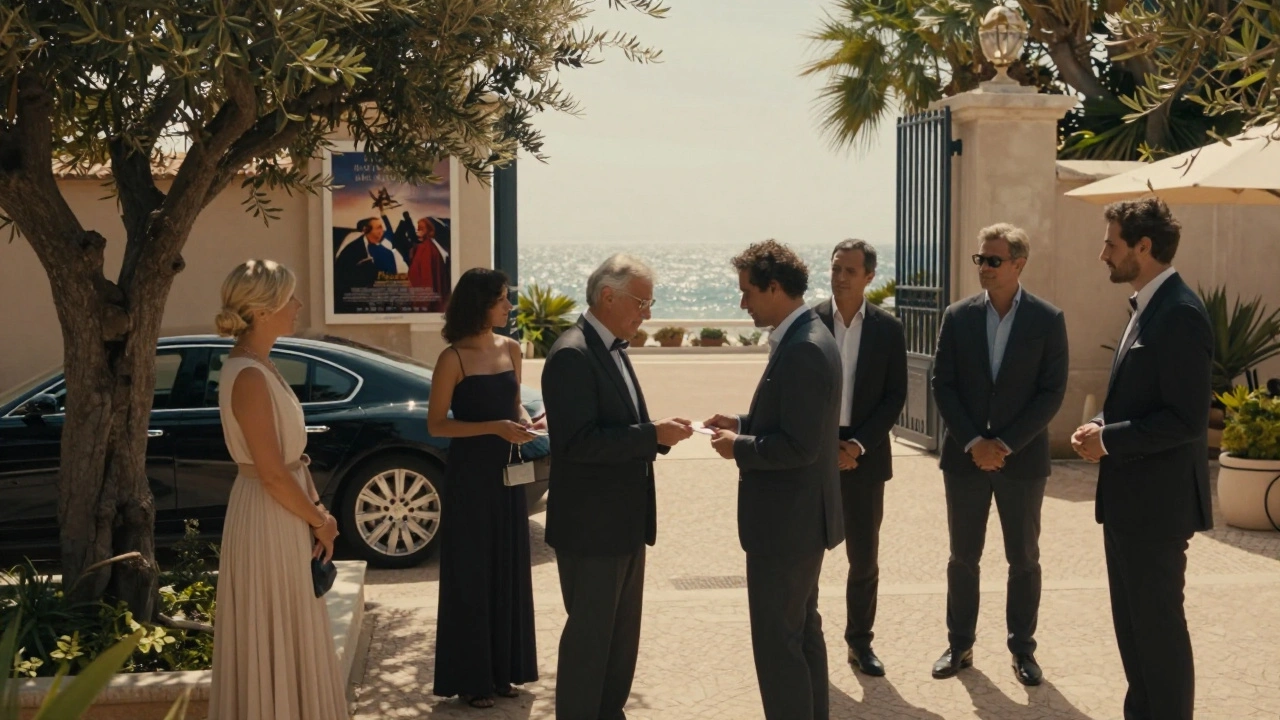
Marché du Film runs during the Cannes Film Festival in May. It’s the most prestigious film market in the world-and the most exclusive. While EFM and AFM are open to anyone who pays the fee, Marché du Film feels like an invitation-only club. The vibe is less about quick sales and more about long-term relationships.
Here, you’ll find the top European studios, global streaming giants, and A-list producers. If your film is selected for the Cannes Official Selection, you automatically get access to Marché du Film’s best networking events. But even if you’re not in competition, you can still attend if you’re a registered industry professional.
Marché du Film is where prestige meets profit. A film that sells here doesn’t just get distributed-it gets elevated. A deal signed at Marché du Film often means international awards buzz, better marketing budgets, and higher resale value later on.
It’s also where most international co-productions are finalized. French, German, and Scandinavian producers use Marché du Film to team up with U.S. and Asian partners. If your film has artistic ambition and global themes, this is where you want to be.
But don’t be fooled: Marché du Film is expensive. Registration fees are higher than EFM or AFM, and hotel prices in Cannes during May can hit $1,000 a night. You need a budget just to get in the door.
How to Choose the Right Market for Your Film
Not every film belongs in every market. Here’s how to pick:
- Choose EFM if your film is European, has co-production potential, or you want early audience feedback. Best for dramas, documentaries, and arthouse films.
- Choose AFM if your film is genre-based-horror, action, thriller-or you need a fast, direct sale. Best for low-budget U.S. indie films looking for quick ROI.
- Choose Marché du Film if your film is high-quality, has awards potential, or you’re targeting global streaming platforms. Best for films with strong directorial vision and international appeal.
Many filmmakers go to two markets. For example, a film might premiere at EFM in February to attract European buyers, then go to AFM in November to land a U.S. distributor. Some even wait until Marché du Film to secure a global deal after winning a prize at a festival like Sundance or Locarno.
What You Need to Bring
Showing up without preparation is a waste of time and money. Here’s what works:
- A polished trailer-under 2 minutes, high quality, clear logline. No 5-minute montages.
- A one-sheet-a single page with title, logline, director, key cast, genre, and comparable films. Think of it as your film’s business card.
- Screeners-secure online links (like Vimeo Pro or WeTransfer) with password protection. Never send unencrypted files.
- A clear ask-do you want a distribution deal? A co-production partner? A sales agent? Know your goal before you walk in.
- A budget-registration, travel, hotel, meals, and marketing materials can easily cost $5,000-$15,000. Don’t go broke trying to get seen.
And don’t forget: bring business cards. Yes, they still matter. A physical card with your name, email, and website is more memorable than a LinkedIn connection.
Common Mistakes Filmmakers Make
Even experienced filmmakers stumble. Here’s what not to do:
- Don’t pitch your entire script. Buyers don’t want to read your screenplay. They want to know: What’s the story? Who’s it for? Why will people watch it?
- Don’t overpromise. Saying “this will be the next Parasite” doesn’t help. Be honest about your film’s scale and audience.
- Don’t ignore the follow-up. If you meet a buyer, send a thank-you email within 24 hours. Include your trailer link and one-sheet. Most deals die because of silence.
- Don’t expect to sell your first film. Many filmmakers don’t close a deal until their third or fourth project. Use each market as a learning experience.
Who Really Wins at These Markets?
The biggest winners aren’t always the most famous directors. Often, it’s the producers who know how to navigate the system. They understand timing, pricing, and how to match their film with the right buyer.
For example, a low-budget horror film might sell for $75,000 at AFM and then earn $2 million on Shudder. A quiet drama might not sell at EFM but land a deal with MUBI after winning a prize at Berlin. And a visually stunning film might get picked up by Netflix at Marché du Film for $1.5 million after a single screening.
Success here isn’t about luck. It’s about preparation, persistence, and knowing who to talk to-and when.
Are film markets only for established filmmakers?
No. Film markets are open to anyone with a registered industry pass. Many first-time directors and producers attend with their debut films. The key is having a clear pitch, a professional trailer, and a realistic plan. AFM, in particular, is known for discovering new talent through its Project Market.
Can I sell a film without a finished edit?
Yes, especially at AFM and Marché du Film. Many films are sold based on a rough cut, a treatment, or even just a concept. Investors and distributors often commit before filming ends, especially if the director has a strong track record. But you’ll need a compelling trailer, script, and clear vision to make it work.
Do I need a sales agent to sell at these markets?
You don’t need one, but it helps. Sales agents have relationships with buyers, know what’s selling, and can negotiate better deals. Many indie filmmakers start by self-distributing, then hire an agent after their first sale. If you’re new, consider partnering with a reputable agent before attending Marché du Film or EFM.
How much does it cost to attend these markets?
Registration fees range from $500 to $1,200 depending on the market and your role (producer, student, distributor). Add travel, hotel, meals, and marketing materials, and you’re looking at $5,000-$15,000 total. Some filmmakers fund this through crowdfunding, grants, or pre-sales.
What’s the difference between a film festival and a film market?
A film festival is about audience reaction, awards, and exposure. A film market is about buying and selling rights. You can premiere at Sundance and then sell your film at AFM. Many successful films do both. Festivals build buzz; markets turn that buzz into revenue.
Next Steps for Filmmakers
If you’re planning to attend a film market, start now. Register early-spots fill up fast. Build your materials. Reach out to other filmmakers who’ve been there. Talk to sales agents. Watch past market screenings on Vimeo or YouTube to see what works.
Don’t wait for your film to be perfect. Wait for you to be ready. The market doesn’t care if your film is flawless. It cares if you can explain it, sell it, and deliver on what you promise.
EFM, AFM, and Marché du Film aren’t just events. They’re the engine of global cinema. If you want your film to reach audiences beyond your local theater, you need to understand how this system works-and how to play it.





Comments(10)