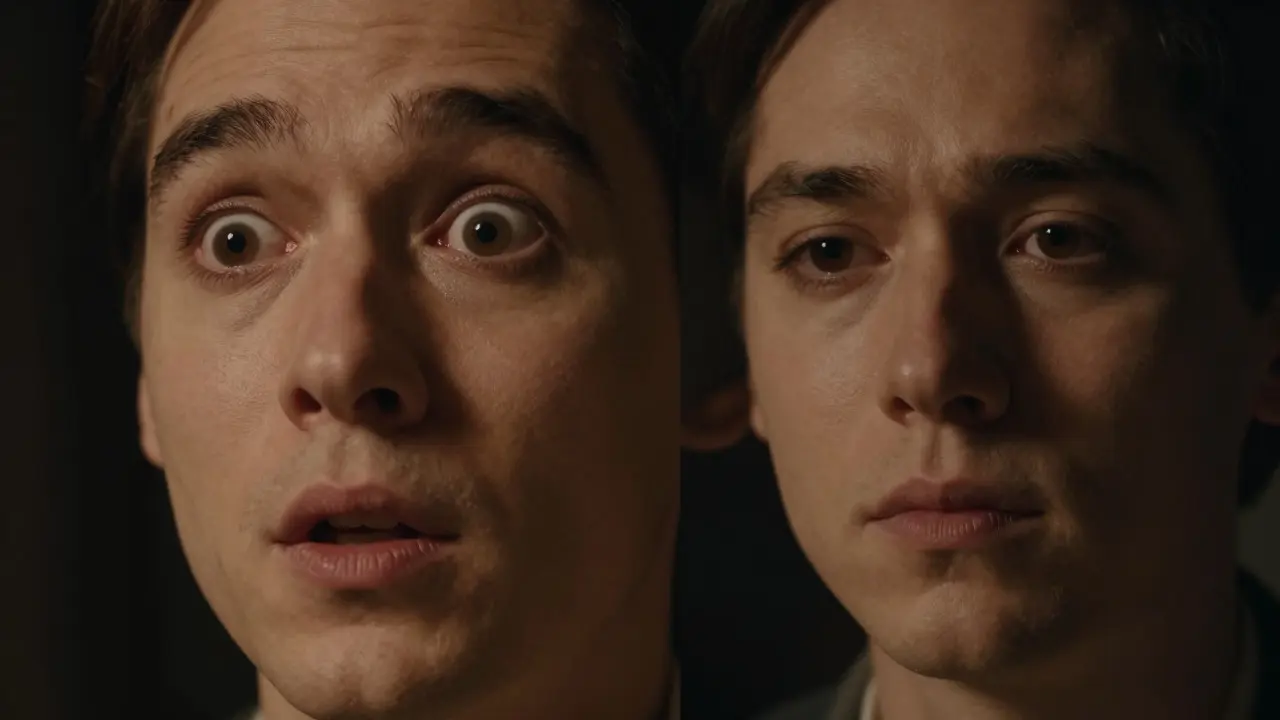
You spent years projecting your voice to the back row of a black-box theater. You learned to hit marks on a sitcom set while keeping energy high for a live audience. Then you land an audition for a gritty indie feature. The director looks at you and says, "You're too big." It’s not an insult; it’s physics. Film acting is a subtle, internalized performance style designed for close-up lenses rather than wide-stage visibility. The shift isn't just about lowering your volume. It's about rewiring how you think, breathe, and react when the lens is six inches from your face.
If you're making the jump from stage or television to cinema, you need to strip away habits that served you well elsewhere but kill realism on screen. This guide breaks down the specific technical and psychological adjustments required to pivot successfully. We aren't talking about vague advice like "be natural." We're talking about eye focus, micro-expressions, and the brutal reality of non-linear shooting schedules.
The Scale Problem: From Projection to Intimacy
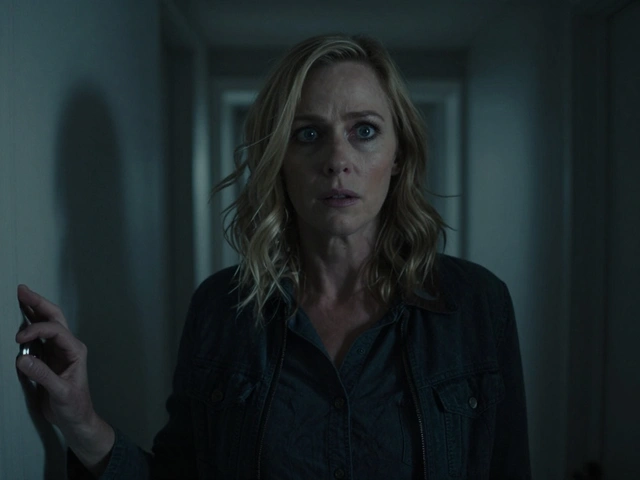
The biggest hurdle for theater actors is scale. On stage, if you don't project, half the audience misses the point. In film, the camera does the projection for you. A slight twitch of the eyebrow registers as a scream in a close-up. If you try to "act" with your whole body because that’s what worked in Theater, you will look frantic on screen.
Think about the difference between shouting across a room and whispering into someone's ear. Film is the latter. You need to trust the lens. Modern digital cameras, like the ARRI Alexa Mini LF used in most high-end productions, capture skin texture and pupil dilation with terrifying clarity. There is nowhere to hide. Your internal thought process must be visible without externalizing it through large gestures.
Here is a practical exercise: Record yourself reading a monologue. Do it once with theatrical energy. Do it again thinking only about the first word of your next sentence. Watch the playback. You’ll likely find the second version feels more authentic. That’s where film lives-in the subtext, not the text.
Eye Focus and The Fourth Wall
In theater, you often play to an imaginary fourth wall or directly to the audience. In TV, particularly multi-camera sitcoms, you might still acknowledge the presence of others in a way that feels communal. Film breaks this entirely. The camera is not a person. It is a piece of glass and metal. Looking into the lens can feel confrontational or accidental unless directed otherwise.
Your eye focus needs to be precise. When listening, do you look at the other actor's eyes? Yes, but with restraint. Staring intensely can read as aggression. Softening the gaze slightly creates intimacy. Also, pay attention to where you look during pauses. In real life, we look away when thinking. In bad film acting, performers stare at their scene partner like they’re waiting for a cue. Allow your eyes to wander naturally when your character is processing information.
| Medium | Primary Audience Distance | Energy Level | Physicality | Vocal Volume |
|---|---|---|---|---|
| Theater | 10-50 feet | High / Projected | Large / Full Body | Amplified / Resonant |
| Television | 3-10 feet (Multi-cam) / Variable (Single-cam) | Moderate / Consistent | Contained / Controlled | Natural / Conversational |
| Film | 1-3 feet (Close-up) to Infinity | Low / Internalized | Micro / Minimal | Intimate / Whisper-level |
Mastering Continuity and Non-Linear Shooting
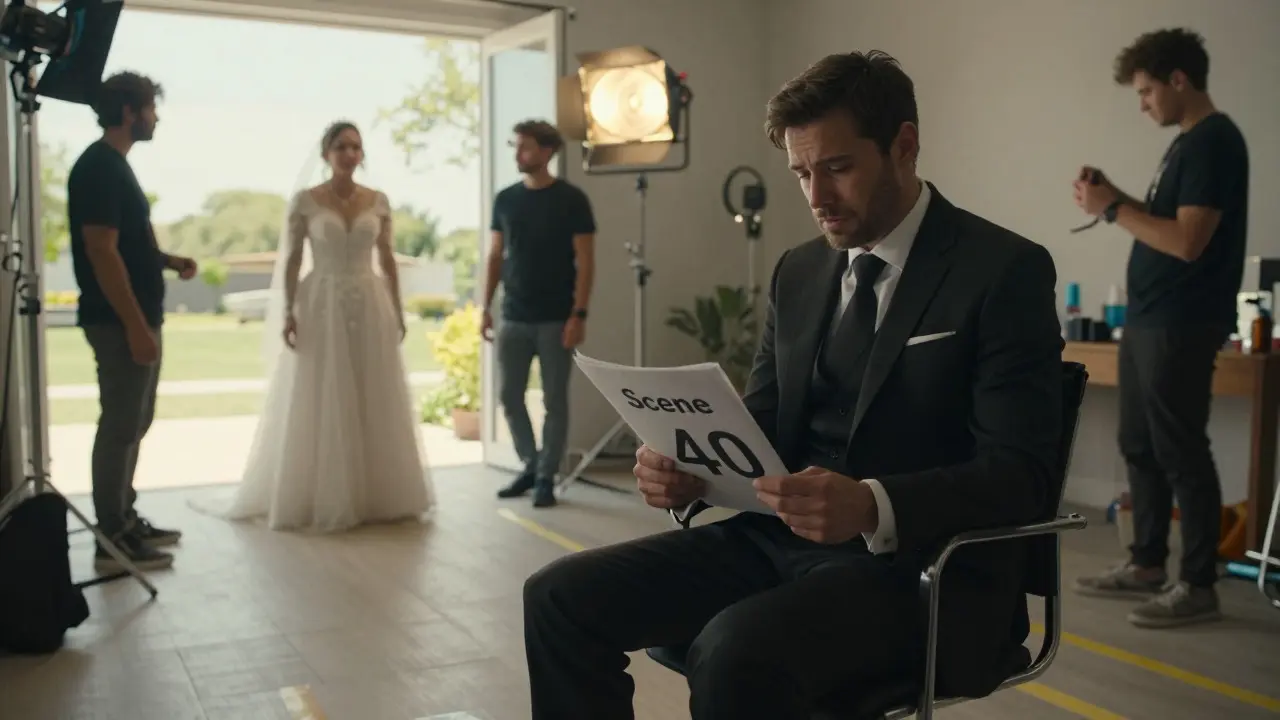
This is where many newcomers get tripped up. In theater, you perform the story from beginning to end every night. In film, you shoot scenes out of order. You might film the funeral on Monday and the wedding on Tuesday. Your emotional arc doesn't follow the calendar.
You must maintain continuity of emotion. If your character is grieving in Scene 40, and you shoot it before Scene 10, you need to access that grief state immediately. You cannot rely on the build-up you’d get in a play. This requires strong preparation tools. Many actors use sense memory or substitution techniques to trigger emotions on command. But beware: over-relying on these can make you seem erratic. Directors want consistency.
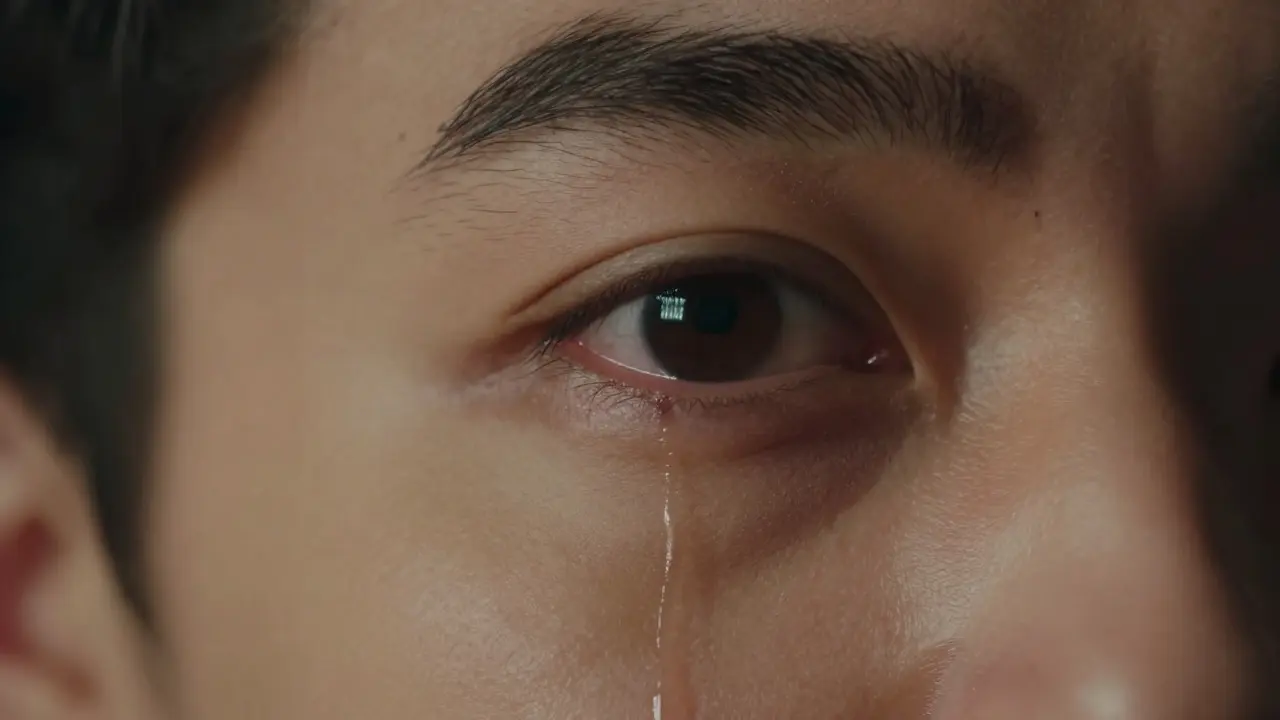
Take notes on everything. Where was your hand? What was your breathing rate? Did you have a tear running down your left cheek or right? Film editors cut together takes from different days. If your emotional intensity spikes in one take and drops in another, the edit will feel jarring. Aim for a steady baseline of intention, allowing variations only within the specific beat of the scene.
Technical Awareness: Hitting Marks and Lighting
On stage, you have spatial freedom. On set, you are trapped by light. The Director of Photography lights a specific area. If you step two inches forward, you fall into shadow. If you turn your head three degrees wrong, you lose the key light and look like a silhouette.
Learn to hit your marks without looking at them. Use peripheral vision. Practice walking to a spot and stopping exactly where the gaffer tape indicates. It sounds mechanical, but it’s crucial. Once you’re comfortable with the physical constraints, you can forget about them. Until then, let the technical limitations inform your blocking. Sometimes, staying still is more powerful than moving, simply because the lighting setup rewards stillness.
Also, understand lens choices. A wide-angle lens (like 24mm) exaggerates features and distances. A long lens (like 85mm) compresses space and flattens facial features. Knowing which lens is being used helps you adjust your physicality. With a wide lens, small movements become huge. With a long lens, you need to be more expressive internally because the compression reduces visual drama.
Rehearsal Habits That Hurt Film Auditions
Do you block every move in rehearsal? Stop. Film directors hate pre-blocked performances. They want spontaneity. If you arrive at an audition with a fully choreographed routine, you risk clashing with the director’s vision. Bring options, not a finished product.
Focus on objectives and obstacles instead of movement. Who do you want? What stands in your way? Let the physical actions arise naturally from those needs. In film, a glance can carry the weight of a paragraph of dialogue. Trust that. If you spend all your mental energy remembering where to put your coffee cup, you won’t be present in the moment.
Another common trap: vocal warm-ups. In theater, you need resonance. In film, you need nuance. Over-warming can lead to a projected voice that sounds fake in a quiet room. Instead, focus on breath control and articulation. Speak softly. Listen actively. The microphone picks up everything, including your swallow and your sigh. Use those sounds. They add texture.
The Psychological Shift: Vulnerability vs. Performance
Stage acting often feels like performing for people. Film acting feels like living in front of strangers who happen to be watching. This distinction is subtle but vital. When you know millions of people will see your work, it’s easy to become self-conscious. You start checking your angles. You worry about how you look.
Let go of vanity. The camera loves truth, not perfection. A crooked smile or a nervous laugh reads as charming and human. Trying to look perfect makes you look stiff. Embrace the flaws. Directors cast you for your unique quirks, not despite them. If you have a habit of touching your neck when anxious, keep doing it. It adds character.
Vulnerability is currency in film. You must be willing to look ugly, weak, or confused. In theater, you often protect the character’s dignity. In film, stripping that protection away creates connection. Think of famous film moments-they are rarely about grand speeches. They are about silent reactions. A character realizing they’ve been betrayed. A parent seeing their child grow up. These moments require total openness.
Practical Tips for Your First Film Set
- Bring layers: Sets are cold. Lights are hot. Wear clothes that allow temperature regulation without changing your costume appearance.
- Stay off phones: During takes, silence your phone completely. Even vibration can ruin audio.
- Ask questions privately: Don’t hold up the entire crew with personal doubts. Pull the assistant director aside during breaks.
- Watch the monitors: If allowed, check playback after a take. See how your choices translate on screen. It’s the fastest way to learn.
- Respect the timeline: Film sets run on strict schedules. Being late costs money. Arrive early, prepared, and ready to work.
Transitioning to film isn't about abandoning your training. It’s about refining it. Your theater background gives you stamina and voice control. Your TV experience teaches you consistency and timing. Now, apply those skills with a microscope instead of a megaphone. The medium demands less effort but more precision. Lean into the intimacy. Trust the lens. And remember: the best film acting looks like no acting at all.
Why do theater actors struggle with film auditions?
Theater actors often struggle because they project their voices and use larger physical gestures to reach distant audiences. On camera, especially in close-ups, this appears exaggerated and unnatural. Film requires internalized, subtle performances where micro-expressions matter more than broad strokes.
How should I prepare differently for a film role compared to theater?
For film, focus on internal motivation and emotional continuity rather than memorizing lines in sequence. Since films are shot out of order, you must be able to access specific emotional states instantly. Avoid rigid blocking and leave room for spontaneous physical choices that fit the camera's framing.
What is the biggest technical mistake new film actors make?
Failing to hit their marks consistently. Moving even a few inches can throw off lighting and focus, requiring multiple retakes. New actors often prioritize emotional flow over technical precision, disrupting the cinematographer's setup and slowing down production.
Do I need to change my voice for film acting?
Yes, significantly. Film uses sensitive microphones that pick up intimate sounds. You should speak at a conversational or even whisper level. Projecting your voice, as done in theater, can sound forced and artificial on screen. Focus on clarity and breath support rather than volume.
How do I handle shooting scenes out of order?
Maintain detailed notes on your character's emotional state, physical condition, and relationships for each scene. Use techniques like sense memory or substitution to trigger the correct emotion quickly. Communicate with the director about where you are in the arc to ensure consistency across non-sequential shoots.




Comments(7)