When a plane crashes into the Alaskan wilderness and the only survivor is a man with a broken leg and no radio, you don’t need a villain to feel the tension. The forest is watching. The wind is biting. The river doesn’t care if you live or die. That’s the raw power of survival films-stories where nature isn’t just a backdrop, it’s the main antagonist.
Why Man vs Nature Hits So Hard
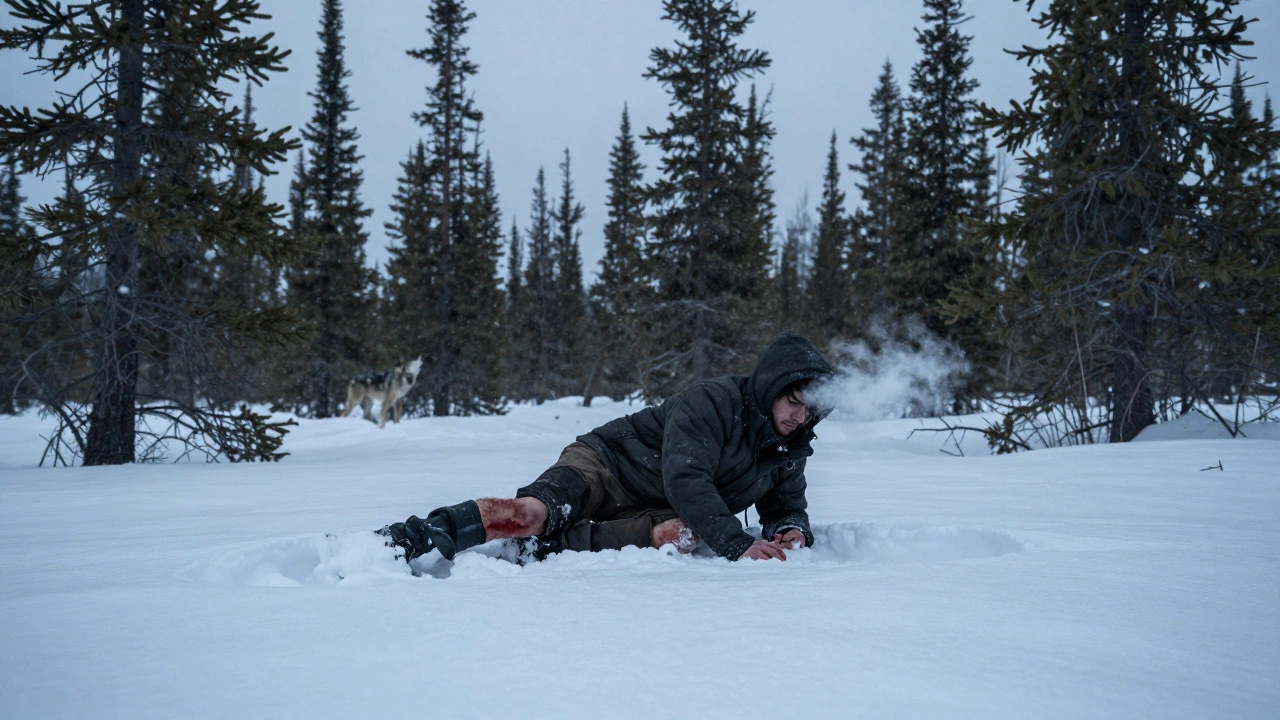
Most action movies give you a bad guy with a gun, a bomb, or a grudge. Survival films strip that away. There’s no dialogue from the enemy. No monologue. Just silence, cold, hunger, and the slow realization that the earth doesn’t owe you anything. Think of The Revenant-Leonardo DiCaprio crawling through snow, bleeding, hunted by a bear and the elements. No villain. Just the brutal truth: nature doesn’t negotiate.
These films work because they tap into something primal. Humans have spent thousands of years fearing the wild. The dark woods. The sudden storm. The animal that doesn’t run. Modern life hides that fear under asphalt and Wi-Fi. Survival films drag it back into the light.
The Anatomy of a Survival Film
Not every outdoor adventure counts. A survival film has specific ingredients:
- Isolation-No help is coming. Phones die. Radios crackle with static. Rescue is a myth.
- Physical decay-Blisters, frostbite, infection, dehydration. These aren’t plot devices-they’re the real enemies.
- Time pressure-The sun sets. The tide rises. The storm hits. There’s a clock ticking in the environment itself.
- No magic solutions-No handy survival kit. No expert backup. Just raw ingenuity and sheer will.
Look at 127 Hours. A hiker gets pinned under a boulder in a Utah canyon. He has a camera, a knife, and a water bottle. That’s it. The film doesn’t show him praying for rescue. It shows him cutting off his own arm. That’s not drama. That’s biology.
Classic Survival Films and What Made Them Stick
Some of the most unforgettable survival stories came decades ago, and they still haunt viewers today.
- The Swiss Family Robinson (1960) - A family turns shipwreck into a treehouse kingdom. It’s optimistic, but it’s also about learning to live with the land, not conquer it.
- Cast Away (2000) - Tom Hanks as Chuck Noland, stranded on an island with a volleyball named Wilson. The real horror? The silence. The loneliness. The way time bends when there’s no one to talk to.
- The Grey (2011) - Oil workers hunted by wolves in the Alaskan tundra. The wolves aren’t mindless beasts. They’re patient. Efficient. They wait. That’s the scariest part: nature doesn’t rage. It observes.
- Apocalypse Now (1979) - Yes, it’s a war film. But the jungle is the real villain. The heat. The insects. The disorientation. The jungle doesn’t fight you-it erodes you.
Each of these films uses nature not as scenery, but as a force that reshapes identity. The characters don’t just survive-they become something else. Less human. More animal. More elemental.
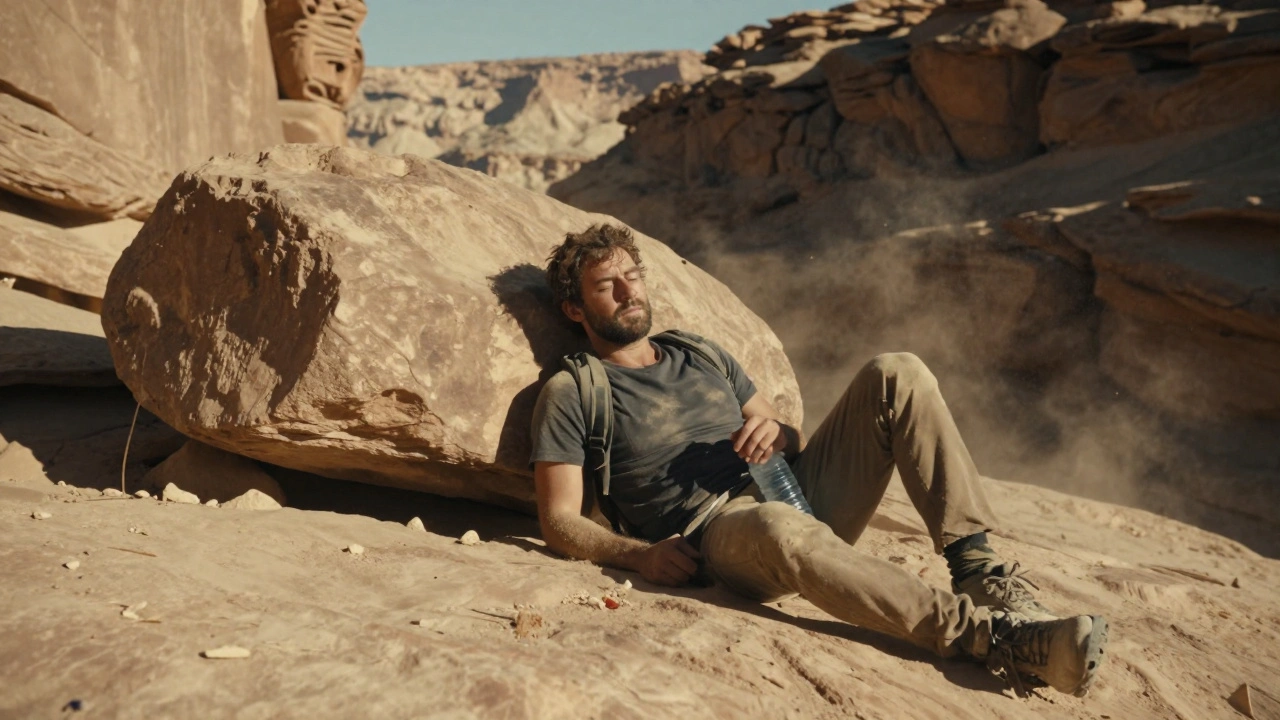
Modern Survival Films: More Real, More Brutal
Today’s survival films don’t romanticize nature. They show it as indifferent, even cruel.
The Mountain Between Us (2017) - Two strangers crash in the snowy Rockies. One has a broken leg. The other has a broken spirit. The film doesn’t sugarcoat the cold. You see frostbite form. You hear bones crack under snow. There’s no heroic rescue. Just two people doing what they can, one step at a time.
Greenland (2020) - A comet is coming. The world ends. But the film doesn’t focus on the explosion. It focuses on the drive. The gas station. The broken car. The desperate search for a single working radio. The real terror isn’t the comet-it’s the realization that when society collapses, the only thing left is the land and your own stubborn will to keep moving.
Even Free Solo (2018), a documentary about rock climber Alex Honnold, fits here. He doesn’t fight a bear or a storm. He fights gravity. He fights fear. And the cliff? It doesn’t care if he lives. It just is.
What These Films Teach Us
Survival films aren’t just about endurance. They’re about what happens when the safety nets vanish.
When your phone dies, what do you do? When your car won’t start, what’s your next move? These films force us to ask: How much of who we are depends on the systems around us? When those systems break, are we still human?
They also show that survival isn’t about strength. It’s about adaptation. In The Revenant, Hugh Glass doesn’t win because he’s the toughest. He wins because he learns. He eats roots. He sleeps in animal carcasses. He moves when the wind changes. He becomes part of the land.
That’s the quiet lesson: survival isn’t about fighting nature. It’s about listening to it.
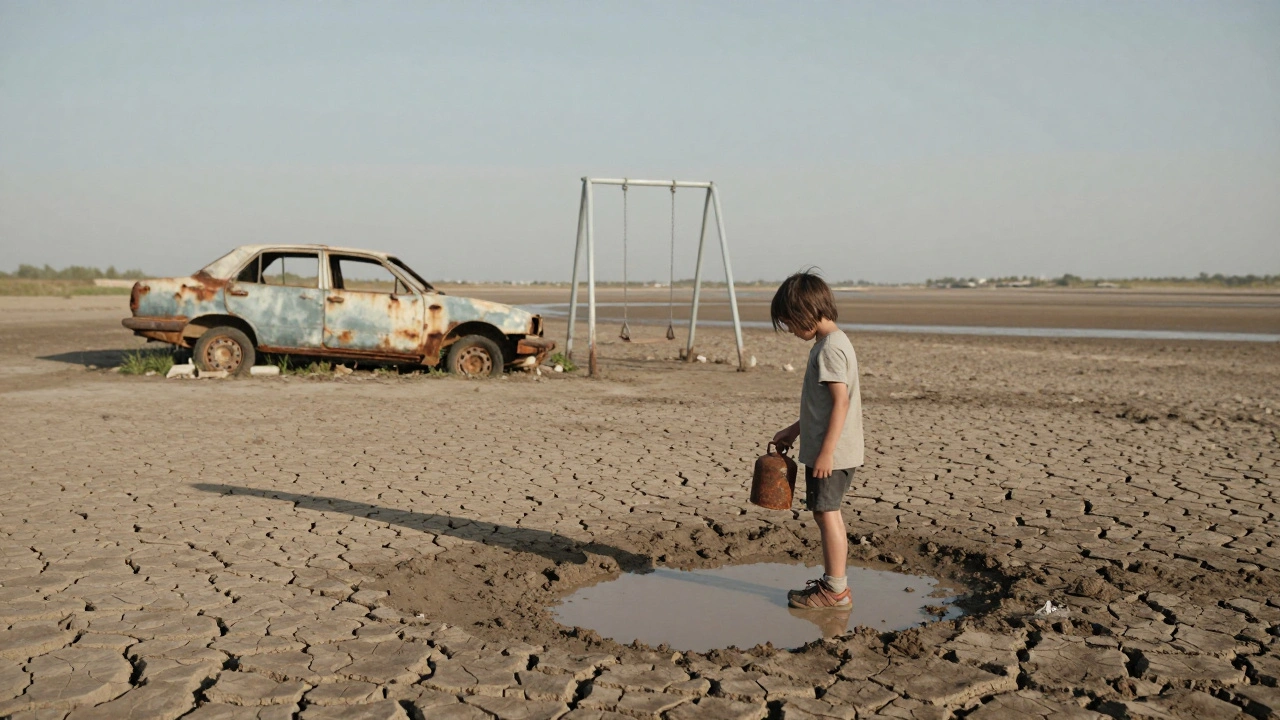
The Future of Survival Cinema
Climate change is making these stories more real. Wildfires in California. Floods in Bangladesh. Heatwaves in Europe. The line between fiction and news is blurring.
Next-generation survival films will likely focus on climate collapse-not as a backdrop, but as the central conflict. Imagine a film where a family crosses a desert that used to be a farm. Where the river they once swam in is now a toxic sludge. Where the animals are gone, and the silence is louder than any storm.
These stories won’t need explosions. They’ll just need a quiet shot of a child drinking from a puddle, wondering if it’s safe.
Final Thought: Nature Doesn’t Care
Survival films don’t offer hope. They offer truth. Nature doesn’t hate you. It doesn’t love you. It doesn’t notice you. And yet, somehow, humans keep trying. We light fires. We build shelters. We crawl forward, even when every instinct says to lie down and wait.
That’s the real heroism-not surviving because you’re strong. Surviving because you refuse to give up, even when the world has forgotten you.
What makes a film a true survival film?
A true survival film centers on a character or group struggling against natural forces-like extreme weather, wildlife, or harsh terrain-with no outside help. The conflict comes from the environment itself, not human villains. Key elements include isolation, physical deterioration, time pressure, and the absence of easy solutions. Films like Cast Away and The Revenant are classic examples because the environment is the antagonist.
Are survival films based on real events?
Many are inspired by true stories, but not all are factual. 127 Hours is based on Aron Ralston’s real experience of amputating his own arm after being trapped by a boulder. The Grey draws from real wolf behavior and Alaskan survival reports, but the characters are fictional. Others, like Into the Wild, are direct adaptations of real-life journeys. The best ones blend fact with emotional truth.
Why are survival films so popular right now?
In a world filled with digital noise and artificial safety, survival films offer a raw, grounding experience. They remind us of our physical limits and our primal instincts. With climate disasters becoming more frequent, these stories feel less like fiction and more like warnings. Audiences are drawn to them because they ask: Could I survive? And more importantly-would I even want to?
Do survival films always end with the protagonist living?
No. Some end in death-but that doesn’t mean they’re failures. The Grey ends with the main character walking into the snow, surrounded by wolves. He doesn’t survive physically, but he chooses to face death on his own terms. That’s a kind of victory. Other films like Into the Wild end with the protagonist dying alone, but his journey leaves a lasting impact. Survival isn’t always about living-it’s about how you choose to live in the face of inevitable death.
What’s the difference between a survival film and an adventure movie?
Adventure films celebrate exploration, discovery, and triumph. Think Indiana Jones or Jurassic Park-danger is exciting, and the hero usually wins. Survival films are the opposite. They focus on suffering, loss, and endurance. The goal isn’t to conquer nature-it’s to simply not die. The tone is darker, the stakes are more personal, and the victories are quiet. One is about going out to find something. The other is about clinging to life while everything tries to take it away.