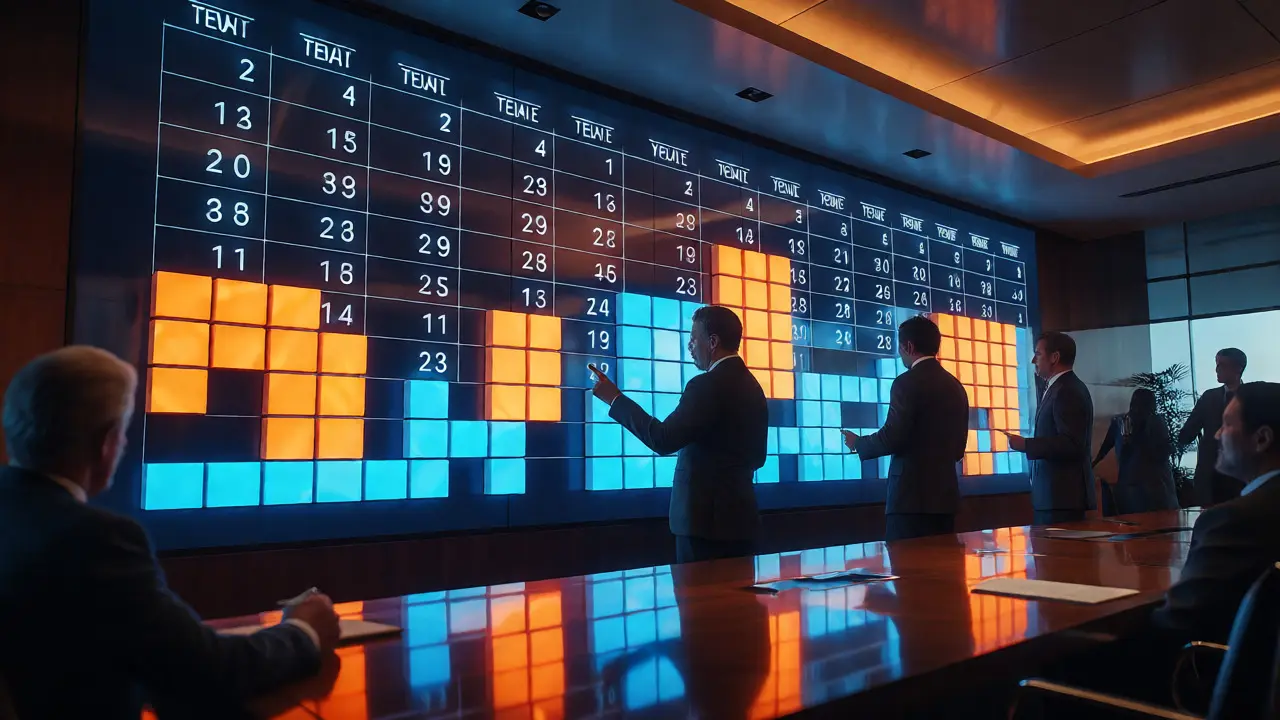
You’ve probably noticed that franchise release calendars aren’t random. You don’t see two massive Marvel or Star Wars movies dropping on the same weekend unless something went terribly wrong. This isn’t luck; it’s a high-stakes game of Tetris played by studio executives who know that one bad slot can cost hundreds of millions in revenue. If you’re wondering why Avatar 3 landed where it did, or why summer blockbusters seem to crowd out everything else, you’re looking at the mechanics of how studios slot tentpoles to maximize box office across holiday frames.
At its core, this is about scarcity and attention. There are only 52 weekends in a year, but there are dozens of potential billion-dollar franchises vying for them. The goal? To place a movie when audiences have time, money, and reason to go out, while avoiding direct collisions with competitors that could split the audience too thin. Let’s break down exactly how this machine works, from the sacred holiday weekends to the strategic counter-programming that fills the gaps.
The Anatomy of a Franchise Release Calendar
A release calendar is a strategic schedule used by film studios to determine when specific movies will open in theaters. It’s not just a list of dates; it’s a living document that shifts based on competitor moves, production delays, and real-time market data. When a studio announces a franchise entry, they aren’t just picking a date. They are claiming a piece of real estate in the cultural conversation.
Think of the year as a map of energy levels. Some weekends are naturally hotter than others. Christmas, Thanksgiving, July 4th, and Memorial Day are what industry insiders call "tentpole weekends." These are periods where families and friends gather, disposable income is higher, and the habit of going to the movies is reinforced by tradition. If you miss these windows, you’re often relegated to "dead zones" like late January or September, where attendance historically dips.
Studios use complex algorithms and historical data to predict which dates yield the highest per-screen averages. But it’s also an art form. A horror movie might thrive in October because of Halloween, even if general attendance is lower. An animated family film needs a school break. Understanding these nuances is why box office strategy is so critical for modern cinema.
Why Holiday Frames Are King
Holiday frames are the gold standard for tentpole movies, defined as high-budget films designed to generate significant revenue and support ancillary markets like merchandise and streaming. Why? Because the opportunity cost of staying home is highest during holidays. People are already off work, schools are closed, and social plans are active. A movie becomes a default activity rather than a special occasion.
Consider the Christmas frame. In recent years, December has become arguably more important than summer for major franchises. Why? Because winter weather keeps people indoors, and the emotional tone of the season favors big, spectacle-driven stories. Films like Avatar: The Way of Water leveraged this perfectly. By releasing in mid-December, they captured both the pre-holiday rush and the post-holiday lull, sustaining momentum for weeks.
However, crowding is a real risk. If three major franchises drop on Christmas Eve, they cannibalize each other’s marketing budgets and screen counts. That’s why studios often stagger releases within the frame. One might open on Wednesday, another on Friday, and a third might wait until New Year’s Eve to catch the second wave of viewers. This micro-timing can make or break a film’s legs-the term for how well a movie sustains ticket sales after opening weekend.
The Summer Slump vs. The Winter Surge
For decades, summer was the undisputed champion of blockbuster season. Kids were out of school, teens had free time, and the weather allowed for easy travel to multiplexes. But the landscape has shifted. With the rise of streaming and changing consumer habits, the "summer slump"-where audiences burn out on endless superhero sequels-has become a tangible threat.
Studios are now experimenting with moving tentpoles to non-traditional slots. We’ve seen Dune succeed in October, proving that sci-fi doesn’t need summer sun to draw crowds. We’ve seen horror franchises expand beyond October into August and March, testing the waters for year-round genre appeal. This diversification helps studios avoid the fierce competition of June and July, where five or six major titles might fight for dominance simultaneously.
| Window | Audience Availability | Competition Level | Best Genre Fit |
|---|---|---|---|
| Late November - Early December | High (Holiday break starts) | Extreme | Family, Epic Sci-Fi, Action |
| May - June | Medium (School ending) | High | Superhero, Adventure, Comedy |
| July 4th Weekend | Very High (National holiday) | Moderate-High | Action, Patriotism-themed, Blockbuster |
| October (Halloween) | Medium (Weekend focused) | Low-Medium | Horror, Thriller, Dark Fantasy |
| January - February | Low (Post-holiday blues) | Low | Awards Bait, Horror, Niche Drama |
Counter-Programming and Gap Filling
Not every movie can be a tentpole. For every Avengers finale, there are twenty mid-budget films trying to find their footing. This is where counter-programming comes in, the practice of releasing a film with a different target demographic or genre than the dominant competitor to capture the remaining audience.
If a studio knows a massive action sequel is opening next week, they won’t try to fight it head-on with another action movie. Instead, they might release a romantic comedy or a prestige drama aimed at older adults or couples who have no interest in watching robots punch each other. This allows smaller films to survive and sometimes thrive by capturing the audience that the tentpole ignores.
Gap filling is equally important. Studios look for "holes" in the calendar-weeks where no major franchise is scheduled. These holes are opportunities for original content or smaller franchises to build word-of-mouth without being crushed by marketing noise. A smart studio will monitor competitor announcements closely. If Disney pushes a release back, Warner Bros. might immediately jump into that vacated slot to claim the territory.
The Ripple Effect of Delays and Announcements
You might wonder why release dates change so often. Post-production delays are common, but strategic reshuffles happen too. When a major studio announces a delay, it creates a vacuum. Other studios rush to fill it. This domino effect can reshape the entire year’s lineup.
For example, if a highly anticipated sequel slips from May to November, it leaves May suddenly empty. Smaller studios or indie distributors might pull forward their own releases to capitalize on the reduced competition. Conversely, the delayed film might face tougher competition in November, forcing it to spend more on marketing to stand out.
This volatility makes franchise announcements crucial signals for the industry. A simple tweet about a new date can send shockwaves through stock prices and marketing budgets. Analysts watch these calendars like hawks, predicting quarterly earnings based solely on which tentpoles land in which quarters.

How Streaming Changes the Game
The traditional theatrical window is shrinking. While tentpoles still rely heavily on theatrical runs for maximum profit, the pressure to feed streaming platforms like Netflix, Disney+, and Max has altered release strategies. Sometimes, a franchise installment might get a shorter theatrical run before hitting digital rental, or even skip theaters entirely if the brand strength is sufficient to drive subscriptions.
This hybrid model complicates the calendar. Studios must balance the desire for exclusive theatrical events with the need for constant content flow on their streaming services. A release date isn’t just about box office receipts anymore; it’s about subscriber retention and engagement metrics. If a movie opens in theaters but drives huge traffic to the streaming platform later, the initial release timing might be adjusted to align with subscription renewal cycles.
Key Takeaways for Moviegoers and Investors
- Holidays are crowded: Expect limited choices and higher ticket prices during major holiday frames due to premium formats and demand.
- Delays are strategic: Don’t assume a delay means trouble; it might mean a better slot with less competition.
- Watch the genre: Horror thrives in fall, family films in breaks, and awards contenders in early year-end.
- Follow the announcements: Studio press releases are the first clue to upcoming calendar shifts.
What is a tentpole movie?
A tentpole movie is a high-budget film released by a studio to generate significant revenue and support the studio's financial health throughout the year. These films are expected to attract large audiences and drive merchandise sales, serving as the structural "tent pole" that holds up the studio's annual business model.
Why do studios avoid releasing two big franchises on the same day?
Releasing two major franchises on the same day splits the audience and marketing impact. Since most moviegoers choose one film over another for a specific outing, simultaneous releases can lead to underperformance for both titles. Studios prefer to stagger releases to ensure each film gets maximum attention and screen count.
Do holiday weekends really boost box office sales?
Yes, holiday weekends typically see a significant spike in box office sales. During times like Thanksgiving, Christmas, and July 4th, consumers have more leisure time and disposable income, making them more likely to visit cinemas. Historical data consistently shows higher per-screen averages during these frames compared to regular weekends.
What is counter-programming in film releases?
Counter-programming involves releasing a film that targets a different demographic or genre than the dominant blockbuster currently in theaters. For example, releasing a romantic comedy against a major action sequel allows the smaller film to capture audiences who are not interested in the larger movie, thereby securing a niche share of the box office.
How does streaming affect theatrical release dates?
Streaming platforms influence release dates by creating demand for consistent content flow. Studios may adjust theatrical windows to optimize subscriber acquisition or retention. Sometimes, films receive shorter theatrical runs to transition quickly to streaming, balancing box office revenue with long-term digital engagement goals.