Ever watched a movie and felt like you were missing the point? You know the plot, you liked the acting, but something deeper seems to be buzzing under the surface. That’s where film theory comes in. It’s not just dusty textbooks for professors; it’s a toolkit for seeing what directors hide in plain sight. When we apply academic frameworks to cinema, we stop being passive viewers and start becoming active detectives.
Most people think analyzing a film means writing a thousand-word essay on symbolism. In reality, it’s about understanding the language of movies. Just as grammar structures sentences, film theory structures our perception of light, sound, movement, and narrative. By learning these frameworks, you gain a sharper eye for storytelling, whether you’re a student, a critic, or just a cinephile who wants to understand why certain scenes hit harder than others.
The Building Blocks: Formalism and Realism
To understand how films work, we first need to look at two opposing forces that have shaped cinema since its inception: Formalism and Realism. These aren’t just abstract ideas; they are lenses through which every frame is constructed.
Formalism is a film theory that emphasizes the technical aspects of filmmaking over the content itself. Formalists believe that cinema is an art form distinct from life. They argue that filmmakers should manipulate time, space, and perspective to create emotional impact. Think of Alfred Hitchcock’s suspenseful editing or Stanley Kubrick’s symmetrical compositions. The goal isn’t to show you reality as it is, but to show you reality as it feels. When you watch a fast-paced action sequence with quick cuts, you’re experiencing formalism in action. The director is controlling your heartbeat through rhythm, not just showing you a fight.
On the other side of the spectrum sits Realism, which seeks to depict life as accurately and objectively as possible. Realist filmmakers often use natural lighting, non-professional actors, and long takes to avoid manipulating the audience’s emotions too heavily. Italian Neorealism in the 1940s, led by directors like Roberto Rossellini, is a prime example. After World War II, these filmmakers shot on location with everyday people, capturing the raw struggle of survival. There’s no dramatic score swelling to tell you how to feel; the emotion comes from the authenticity of the moment. Understanding this divide helps you ask a crucial question when watching any film: Is the director trying to show me the world, or is he trying to show me his vision of the world?
Who Controls the Meaning? Auteur Theory
If you’ve ever heard someone say, "It’s a classic Tarantino film," you’re already familiar with Auteur Theory, which posits that the director is the primary creative force behind a film, similar to an author of a novel. This framework emerged in the 1950s among French critics at Cahiers du Cinéma. They argued that even within the rigid studio system, great directors like Howard Hawks or John Ford stamped their personal visions onto every project.
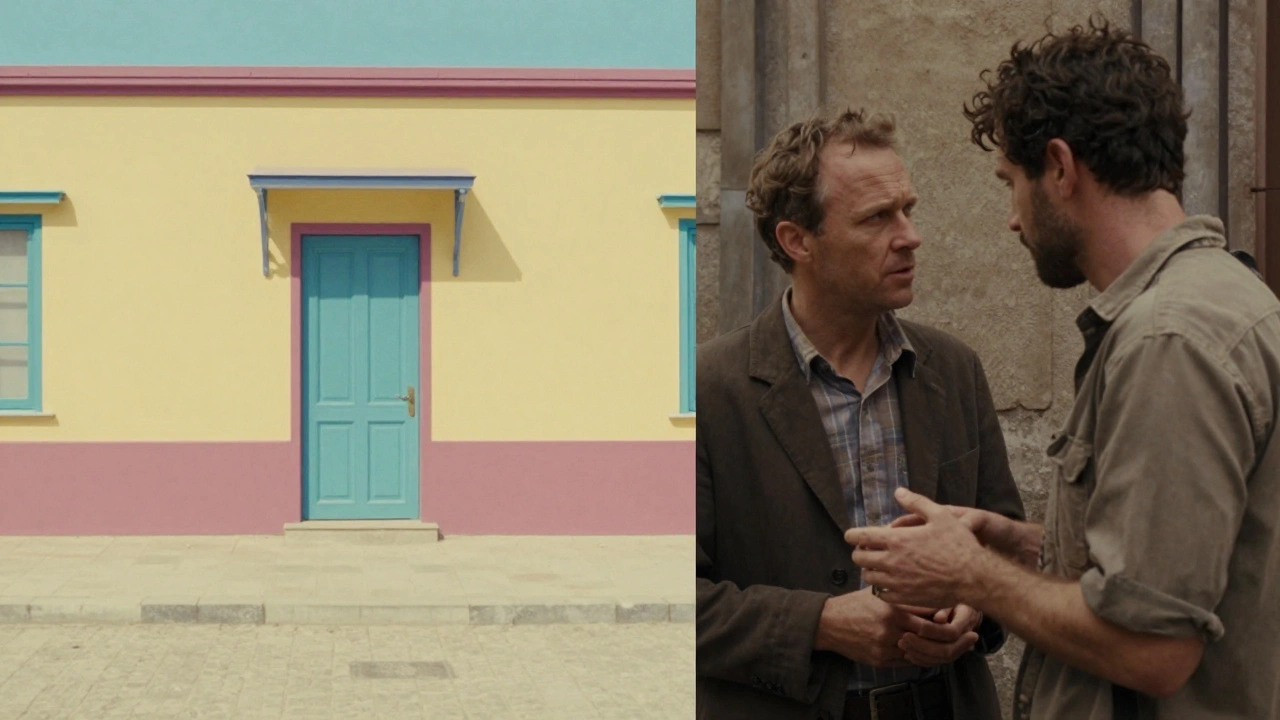
In practice, Auteur Theory changes how we credit success or failure. Instead of blaming the scriptwriter for a weak plot or the cinematographer for bad lighting, we look at the director’s consistent themes and stylistic choices across their body of work. For instance, Wes Anderson uses symmetrical framing, pastel color palettes, and deadpan humor in nearly every film. Whether it’s Grand Budapest Hotel or Rushmore, the "Anderson touch" is unmistakable. This framework allows us to treat directors as artists with unique voices, rather than just technicians executing a producer’s plan. However, it’s important to remember that film is collaborative. While the auteur provides the vision, the editor, composer, and actors bring it to life. The theory is a useful heuristic, not an absolute law.
Seeing Through the Lens: Feminist Film Theory
Cinema doesn’t exist in a vacuum; it reflects and shapes societal power dynamics. Feminist Film Theory is an analytical approach that examines how gender roles, particularly the representation of women, are constructed and reinforced in cinema. One of the most influential concepts here is Laura Mulvey’s "male gaze," introduced in her 1975 essay Visual Pleasure and Narrative Cinema.
Mulvey argued that traditional Hollywood films are structured around a heterosexual male perspective. The camera often looks at female characters as objects of desire, fragmenting their bodies into parts (legs, lips, eyes) rather than presenting them as whole subjects with agency. This affects not just how women are shown, but how the audience is trained to look. When you analyze a scene using feminist theory, you ask: Who is looking? Who is being looked at? And whose story is being told? For example, in many superhero movies, the female lead might be visually objectified during action sequences, distracting from her competence. Recognizing this pattern doesn’t mean dismissing the film; it means understanding the subtle biases embedded in the visual language. This framework has evolved to include intersectionality, considering how race, class, and sexuality intersect with gender representation.
The Hidden Messages: Marxist and Ideological Criticism
Beyond gender, films also convey political and economic ideologies. Marxist Film Theory is a critical lens that analyzes cinema through the perspective of class struggle, capitalism, and power structures. This approach asks how films reinforce or challenge the status quo. Do they glorify wealth and individualism? Do they portray workers as lazy or heroes as self-made millionaires?
Consider the typical disaster movie. Often, the solution comes from a wealthy protagonist who uses their resources to save everyone, implicitly suggesting that capital and hierarchy are necessary for order. A Marxist critique would highlight how this narrative distracts from systemic issues, placing the burden of salvation on individuals rather than collective action. Conversely, films like Parasite by Bong Joon-ho explicitly tackle class disparity, showing the physical and psychological barriers between the rich and the poor. Using ideological criticism, we can decode these messages. We learn to spot when a film is selling us a dream of meritocracy that ignores structural inequality. This doesn’t require you to be a political activist; it just requires you to notice who benefits from the stories we consume.
Putting It All Together: A Practical Checklist
You don’t need a PhD to use these frameworks. Here’s how to apply them next time you sit down to watch a movie:
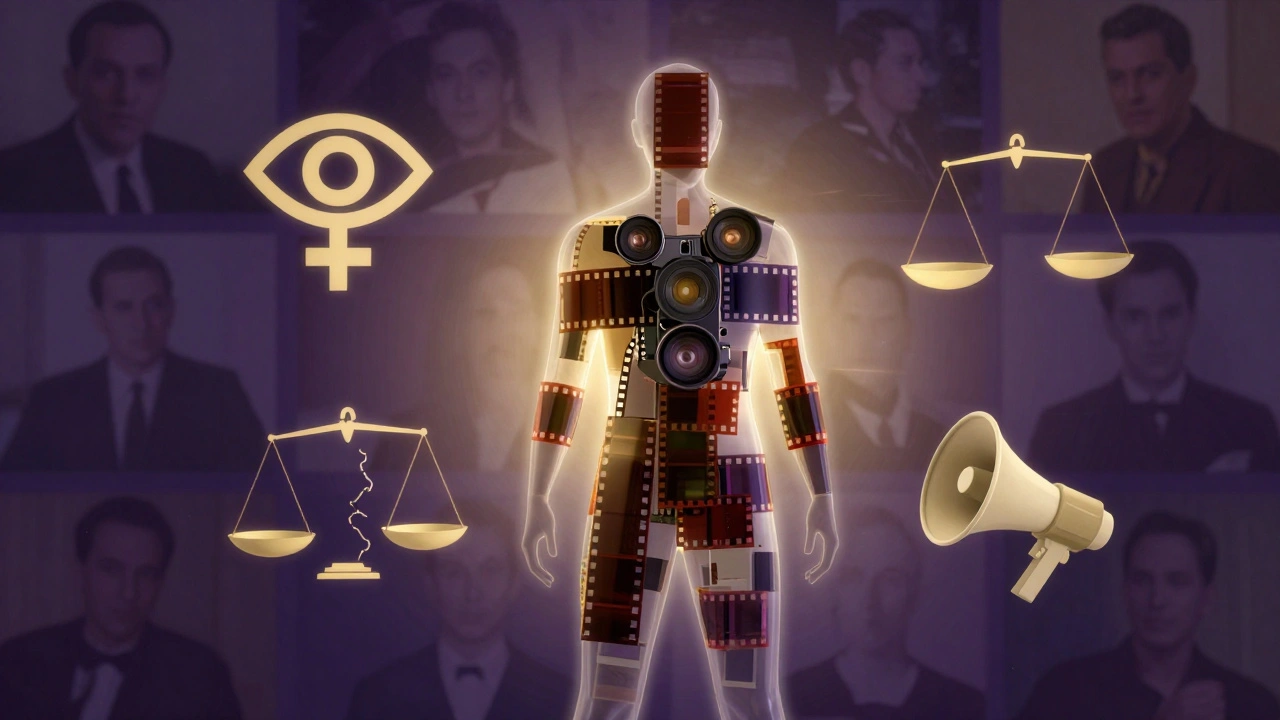
- Identify the Style: Is the film using flashy edits and stylized colors (Formalism), or does it feel gritty and unpolished (Realism)?
- Spot the Signature: Can you identify recurring themes or visual motifs that belong to the director (Auteur)?
- Analyze the Gaze: How are women and men portrayed? Who holds the power in the frame (Feminist Theory)?
- Question the Message: What values does the film promote? Does it support existing power structures or challenge them (Marxist Theory)?
Start small. Pick one framework and focus on it for a single scene. Notice how the camera angles change the meaning. Listen to how the music manipulates your emotions. Over time, these layers will become second nature. You’ll find yourself appreciating the craft more deeply, recognizing the intentionality behind every choice. Film theory isn’t about finding the "right" answer; it’s about expanding the conversation. It turns watching a movie from a pastime into a dialogue with the artist and the culture.
Common Pitfalls to Avoid
When applying academic frameworks, it’s easy to fall into traps that weaken your analysis. First, avoid forcing a theory where it doesn’t fit. Not every film needs a Marxist reading. Sometimes a movie is just a fun escape. Second, don’t ignore the text. Theory should enhance your understanding of the film, not replace it. If you’re talking about symbolism without referencing specific shots or dialogue, you’re speculating, not analyzing. Finally, remember that multiple interpretations can coexist. A film can be both formally brilliant and ideologically problematic. Embracing complexity makes your criticism richer and more nuanced.
What is the difference between film theory and film criticism?
Film theory provides the conceptual frameworks and tools for understanding how cinema works, such as formalism or auteur theory. Film criticism applies these theories to evaluate specific films, offering judgments on their quality, meaning, and impact. Theory is the map; criticism is the journey.
How can I start learning film theory as a beginner?
Start by watching films actively. Pause scenes to observe lighting, camera angles, and editing rhythms. Read introductory books like Understanding Movies by Louis Giannetti. Follow online courses or YouTube channels dedicated to film analysis. Practice writing short reflections on one aspect of a film using a specific framework.
Is Auteur Theory still relevant in modern Hollywood?
Yes, though it’s debated. With the rise of streaming platforms and franchise dominance, some argue that producers and algorithms now control creativity. However, directors like Christopher Nolan, Greta Gerwig, and Jordan Peele demonstrate strong personal visions within commercial constraints, keeping the auteur concept alive and evolving.
Can film theory help me write better screenplays?
Absolutely. Understanding how audiences perceive visual information helps writers craft scenes that translate effectively to the screen. Knowing about pacing, visual metaphor, and character archetypes allows you to write with intention, ensuring your words serve the cinematic experience.
Why do some people dislike academic film analysis?
Some feel that over-analysis ruins the emotional enjoyment of a film. They prefer intuitive responses. However, balanced analysis enhances appreciation by revealing craftsmanship. The key is using theory to deepen engagement, not to dissect the joy out of the experience.