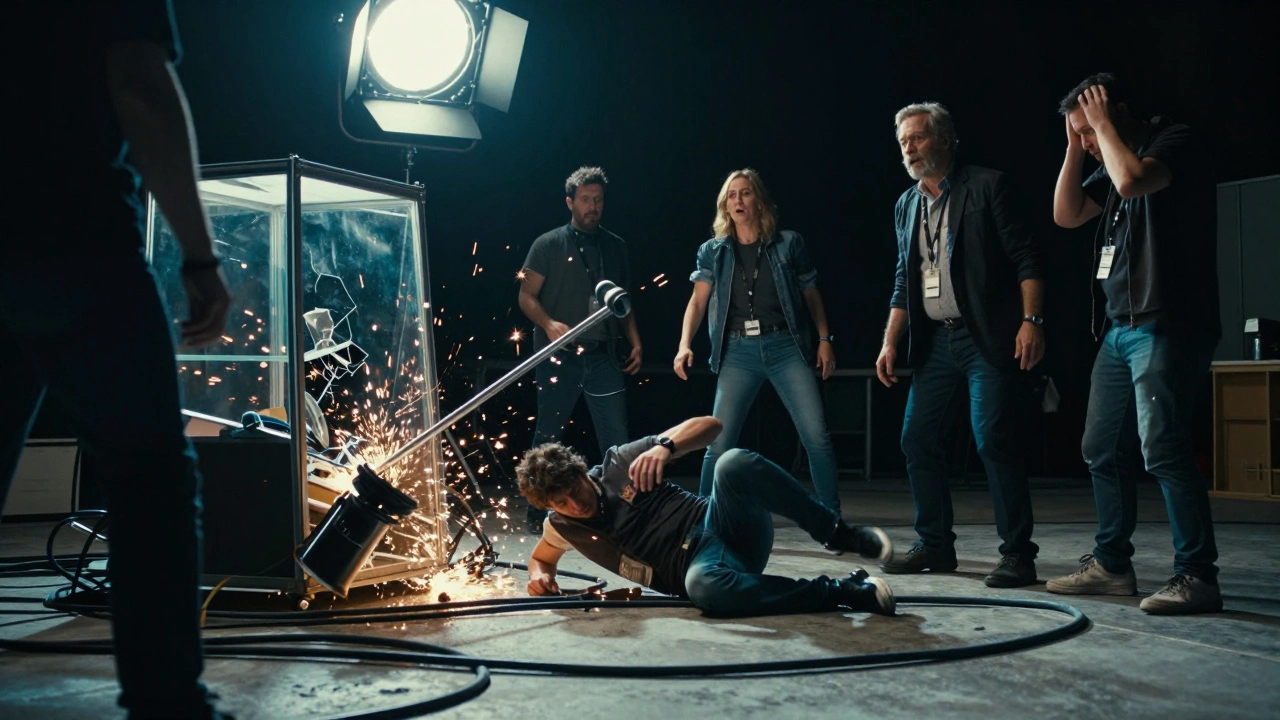
You’ve got the script. You’ve secured the funding. Your director is ready to roll camera on day one. But have you checked your insurance policy? One slipped crew member, one stolen camera lens, or one angry neighbor complaining about noise can shut down your entire production and drain your budget faster than a bad edit.
Film production insurance isn’t just bureaucratic red tape. It’s the safety net that keeps your project alive when things go wrong-and they always do. Whether you’re shooting a low-budget indie short or a commercial spot, understanding what coverage you actually need is the difference between finishing your film and losing everything.
Why General Liability Isn't Enough
Most producers start with General Liability Insurance, and it’s a good first step. This covers bodily injury and property damage caused by your operations. If an actor trips over a cable and breaks their ankle, or if your lighting rig knocks over a display case at a location, general liability pays for the medical bills or repairs.
But here’s the catch: standard general liability policies often exclude specific film industry risks. They might not cover damage to rented equipment, errors in creative content, or injuries to your own crew members. Relying solely on a generic business policy is like bringing a knife to a gunfight. You need specialized coverage tailored to the unique chaos of set life.
The Core Coverages Every Producer Needs
To protect your investment, you need a layered approach. Think of these as the essential pillars of your risk management strategy.
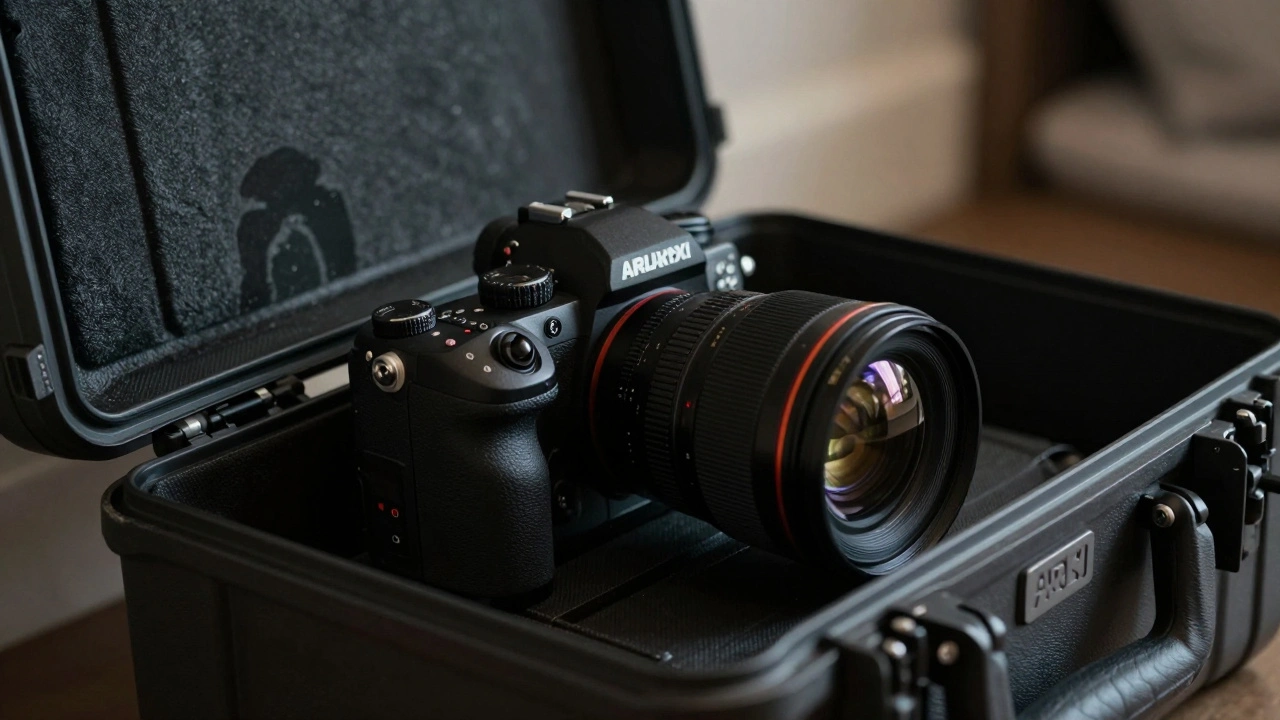
- Production Equipment Insurance: Cameras, lenses, lights, and sound gear are expensive. If your ARRI Alexa gets stolen from a hotel room or damaged in transit, this coverage replaces it. Make sure your policy includes "in-transit" coverage, as gear is most vulnerable when moving between locations.
- Casting Insurance (Cast Control): What happens if your lead actor gets sick, injured, or dies before filming wraps? Cast insurance reimburses the money spent on that actor and covers the cost of reshoots or replacements. For high-profile talent, this is non-negotiable.
- Completed Operations: This protects you after the film is released. If someone claims your movie defamed them or invaded their privacy, completed operations coverage handles the legal defense and potential settlements.
- Workers’ Compensation: In most jurisdictions, you are legally required to carry workers’ comp for all crew members. It covers medical costs and lost wages if an employee is injured on the job. Never skip this-it’s the law, and uninsured injuries can bankrupt a production.
Location Risks and Permits
Shooting on location introduces a whole new set of variables. Public spaces, private properties, and historic sites each come with different rules and risks. Many location owners will require you to name them as an "additional insured" on your policy. This means if your crew damages their property, their insurance doesn’t pay; yours does.
Always verify local permit requirements before booking a site. Filming without proper permits can result in fines, confiscation of footage, and immediate shutdown. Some cities have streamlined online permit systems, while others require physical submissions weeks in advance. Factor this timeline into your pre-production schedule.
Errors and Omissions (E&O) Insurance
If you plan to distribute your film through theaters, streaming platforms, or television networks, you absolutely need Errors and Omissions (E&O) Insurance. Distributors will not touch your project without it. E&O covers legal claims related to copyright infringement, defamation, right of publicity violations, and invasion of privacy.
For example, if you use a song in your soundtrack without securing the proper sync license, or if a background extra sues you because they recognize themselves in the final cut, E&O steps in. It also covers libel claims if your documentary makes factual errors that harm someone’s reputation. This is one of the few policies where you buy it *before* distribution, but it protects you *after* release.
Budgeting for Insurance: Rules of Thumb
Insurance costs vary wildly based on budget, cast size, stunt work, and location. As a rough guideline, expect to allocate 1% to 3% of your total production budget for insurance. Low-budget films might spend less, while productions with stunts, animals, or major stars will spend more.
Get quotes early. Brokers who specialize in entertainment insurance can bundle policies into a single "package policy," which is often cheaper than buying standalone coverages. Provide them with a detailed breakdown of your shoot days, cast list, and equipment inventory to get accurate pricing.
| Coverage Type | What It Protects | When You Need It |
|---|---|---|
| General Liability | Bodily injury, property damage to third parties | Every production, regardless of size |
| Equipment Insurance | Theft, loss, or damage to cameras, lights, etc. | When renting or owning valuable gear |
| Cast Insurance | Loss of key talent due to illness/injury/death | Productions with significant star power or tight schedules |
| E&O Insurance | Legal claims for defamation, copyright infringement | Required for distribution via theaters/streaming |
| Workers' Comp | Medical/wage replacement for injured crew | Legally required for all paid employees |

Common Pitfalls to Avoid
One of the biggest mistakes producers make is assuming their personal homeowner’s or auto insurance covers production activities. It almost never does. If you use your personal car to transport actors and get into an accident, your personal policy will likely deny the claim because the vehicle was being used for commercial purposes.
Another pitfall is underinsuring. Just because a policy has a $1 million limit doesn’t mean you’re covered for every scenario. Check sub-limits for specific items like jewelry, firearms, or animals. Also, ensure your policy covers "alter ego" liability, which protects against claims that the production company is merely an extension of the producer personally.
Next Steps for Producers
Start by listing every asset, person, and location involved in your shoot. Then, consult with an entertainment insurance broker who understands the nuances of film production. Don’t just ask for the cheapest quote; ask for clarity on exclusions and limits. A slightly higher premium might save you hundreds of thousands in a crisis.
Keep copies of all permits, contracts, and insurance certificates accessible on set. Designate a production assistant or line producer to manage compliance throughout the shoot. Insurance is only as good as your ability to prove you were covered when the incident happened.
Do I really need insurance for a small student film?
Even for student films, basic general liability is wise. Locations may require proof of insurance, and accidents happen regardless of budget. While you might skip expensive cast insurance, protecting against bodily injury and property damage is crucial for maintaining relationships with venues and crew.
How far in advance should I buy film insurance?
Ideally, secure insurance during pre-production, at least 3-4 weeks before principal photography begins. This allows time for underwriting review, especially if you have complex elements like stunts, animals, or international shoots. Last-minute purchases can be delayed or denied.
What is the difference between cast insurance and disability insurance?
Disability insurance covers an individual’s income if they cannot work due to injury. Cast insurance (or cast control) covers the *production’s* financial loss if a key performer becomes unavailable. It reimburses expenses already incurred and funds reshoots, rather than paying the actor’s salary.
Does E&O insurance cover music licensing issues?
Yes, E&O insurance typically covers claims arising from unauthorized use of music, provided you made a good faith effort to obtain licenses. However, it won’t cover intentional infringement. Always keep records of all license negotiations and agreements to support your claim.
Can I add additional crew members after buying insurance?
Most policies allow you to add crew members mid-shoot, but you must notify your broker immediately. Failing to report new hires can void coverage for those individuals. Keep your cast and crew list updated daily to ensure everyone is protected.