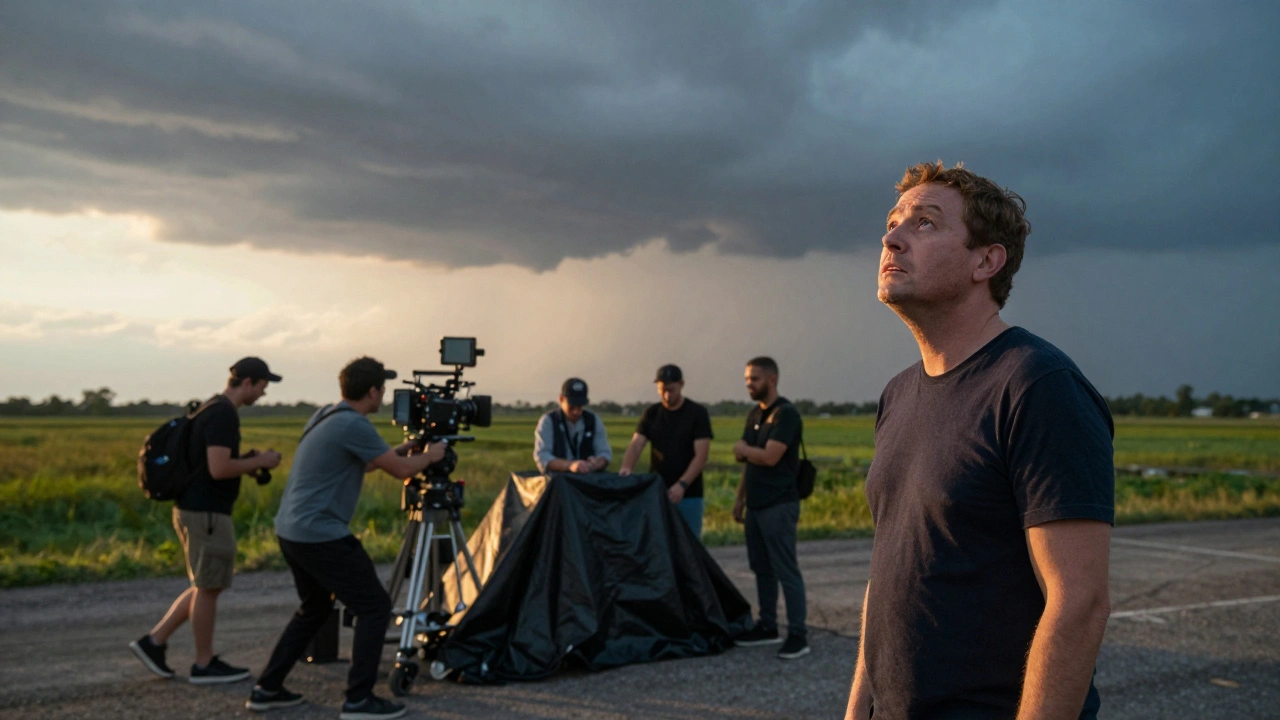
There is nothing quite like the panic of watching a perfect golden hour dissolve into a torrential downpour while your crew waits in silence. You have scouted the location, secured the permits, and hired the talent. The sun was supposed to hit that specific window at 4:15 PM. Now, it is pouring rain, and your insurance adjuster is probably already checking their watch. Weather is not just a backdrop for location shoots; it is an active participant that can make or break your production schedule.
If you are managing a film set outdoors, you cannot rely on luck. You need a strategy. This guide breaks down how to build robust weather contingencies into your production plan, ensuring that when the sky falls, your project stays standing.
The Hidden Costs of Unplanned Weather
Before we talk about umbrellas and tarps, let’s talk about money. Weather delays are one of the biggest budget killers in film production. When you lose a day because of wind, rain, or fog, you aren’t just losing sunlight. You are paying for idle crew members, rented equipment that isn’t being used, and location fees that often don’t pause just because it’s raining.
In Asheville, where I work, the mountain microclimates mean we can have sunshine in the valley and hail on the ridge within ten minutes. If you haven’t accounted for this variability, your budget bleeds out fast. The key is to treat weather as a line item, not an afterthought. Most producers underestimate the cost of "weather days" by at least 20%. By explicitly planning for these disruptions, you protect the bottom line and keep the cast and crew morale high.
Building Your Weather Intelligence System
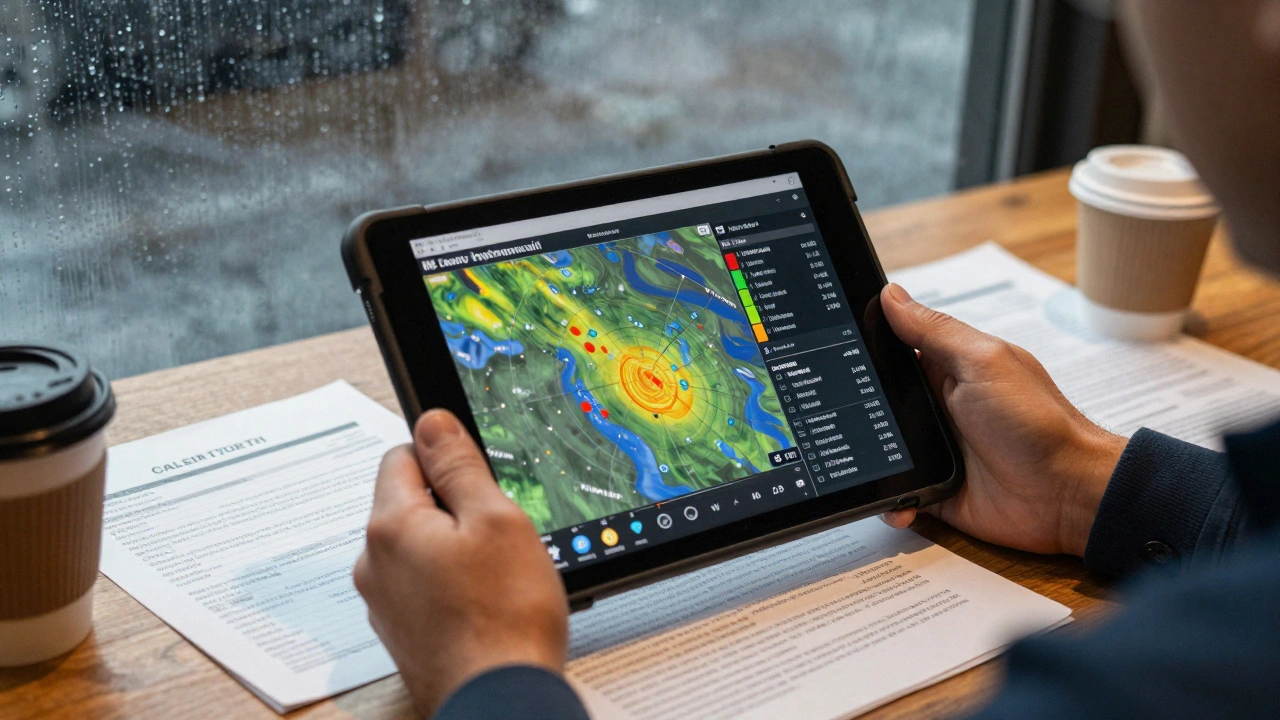
You cannot manage what you do not measure. Relying on a general forecast app on your phone is not enough for professional production. You need a dedicated weather intelligence system.
- Hyperlocal Forecasts: Use services that provide data for specific coordinates, not just cities. Tools like Windy.com or specialized meteorological services used by aviation can give you radar-level precision.
- Dedicated Weather Wrangler: On larger sets, hire a weather specialist. Their job is to monitor conditions 72 hours out and advise the director and unit production manager (UPM) on potential shifts.
- Historical Data Analysis: Look at historical weather patterns for your shoot dates. If you are shooting in Seattle in November, assume rain. If you are shooting in Phoenix in July, assume extreme heat. Plan accordingly from day one.
This proactive approach allows you to make decisions before the storm hits. Instead of scrambling at 6 AM, you know by 8 PM the night before whether you need to move the shoot indoors or reshuffle the call sheet.
Scouting with a Meteorologist’s Eye
When you scout locations, you are looking for more than just aesthetics. You are looking for shelter and flexibility. A beautiful field might look great in the portfolio, but if it has no nearby indoor space and drains poorly, it is a liability.
Ask yourself these questions during the scout:
- Is there a covered area nearby? A barn, a garage, or even a large tent structure can save a scene.
- How does the light change throughout the day? Can you shoot this scene in overcast conditions if the sun disappears?
- What is the ground surface? Mud will swallow wheels and trip actors. Gravel or paved surfaces are safer bets.
- Are there natural windbreaks? Trees or hills can reduce wind speed significantly, protecting audio recordings and camera stability.
By identifying these factors early, you can choose locations that offer inherent resilience. This reduces the amount of expensive gear you need to bring in to mitigate weather issues.
Creating the Backup Plan: The "Plan B" Script
Your script should not be static. It should have built-in flexibility. Work with your director and writer to identify scenes that can be shot in different weather conditions without changing the story.
For example, a dialogue-heavy scene between two characters can often be moved from a park bench to a coffee shop interior if it rains. This is called "reshuffling." You need to map out these alternatives before you arrive on set. Have a list of "weather-proof" scenes ready to go. These are scenes that look good in rain, snow, or overcast skies. Rain can add drama; snow can add isolation. Use the weather to enhance the mood rather than fighting against it.
Also, consider the technical aspects. If you are shooting in rain, you need waterproof covers for cameras and lights. If it’s windy, you need heavier sandbags for your stands. List these items in your equipment rental order so they are waiting for you when you need them.
| Weather Condition | Primary Risk | Mitigation Strategy | Equipment Needed |
|---|---|---|---|
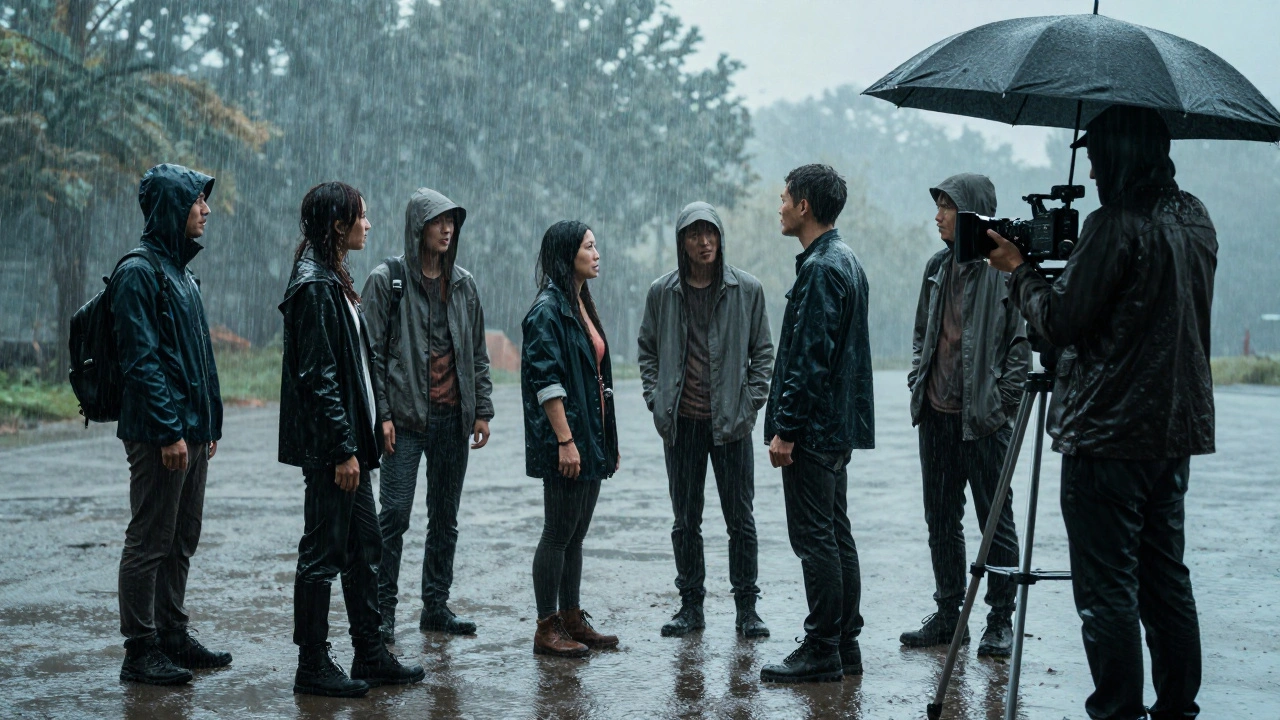
| Rain | Electrical safety, wet sets, uncomfortable actors | Move to indoor backup, use rain suits, shoot night exteriors | Waterproof covers, tarps, GFCI outlets |
| Wind | Audio interference, unstable cameras, flying debris | Use windbreaks, boom closer, secure all gear | Dead cats (windshields), sandbags, heavy tripods |
| Extreme Heat | Heat exhaustion, battery drain, melted equipment | Shorten call times, provide hydration, shade structures | Fans, ice packs, extra batteries, sunscreen |
| Fog/Mist | Low visibility, color balance shifts | Embrace the mood, use diffusion filters, adjust lighting | Diffusion gels, polarizing filters |
Communication: The Lifeline of Contingency
Even the best plan fails if communication breaks down. You need a clear chain of command for weather decisions. Who decides to shut down the set? Usually, this is the Unit Production Manager (UPM) or the First Assistant Director (1st AD), in consultation with the director.
Establish a protocol for updates. Use group messaging apps that allow for instant broadcasting to the entire crew. Avoid relying on individual calls. Everyone needs to know the status simultaneously to prevent confusion and wasted travel time.
Be transparent with your cast and crew. Explain why you are making changes. People are more willing to deal with discomfort if they understand the reasoning. A simple email or message explaining the weather risk and the backup plan goes a long way in maintaining trust.
Insurance and Legal Considerations
Check your production insurance policy carefully. Most policies cover weather-related losses, but there are often exclusions for predictable events. If you knew it was going to rain and didn’t take reasonable precautions, your claim might be denied.
Document everything. Take photos of the weather conditions, keep logs of decision-making, and save all weather reports. This documentation is crucial if you need to file a claim or explain delays to investors. Also, review your location agreements. Some contracts have clauses that allow the location owner to cancel if weather becomes unsafe. Know your rights and obligations.
Practical Tips for On-Set Comfort
A happy crew is a productive crew. Weather affects morale as much as it affects logistics. Provide basic comfort items regardless of the forecast.
- Hydration and Nutrition: In hot weather, provide electrolyte drinks. In cold weather, provide hot coffee and soup. Keep food warm or cool as needed.
- Clothing: Encourage layers. Provide spare socks and shoes for actors who get wet. Offer rain ponchos for the crew.
- Shelter: Set up tents or canopies for the makeup and wardrobe stations. Protecting the talent’s appearance is critical for continuity.
These small gestures show respect for your team and help maintain energy levels during tough conditions.
Turning Weather into Art
Sometimes, the best contingency is creativity. Some of the most memorable scenes in cinema were born from weather disasters. If the sun doesn’t come out, lean into the gloom. If it rains, use the puddles for reflections. If it’s windy, let the trees dance.
Talk to your cinematographer about how to use the available light. Overcast skies act as a giant softbox, providing even, flattering light for portraits. Rain can add texture and movement to static shots. Embrace the unpredictability. It can lead to unique visual moments that a controlled studio environment could never replicate.
Planning ahead doesn’t mean eliminating all risk. It means preparing to handle it with grace and professionalism. By integrating weather contingencies into every stage of production, from scouting to scheduling, you ensure that your location shoot remains on track, on budget, and creatively vibrant, no matter what the sky throws at you.
How many weather days should I include in my schedule?
A common rule of thumb is to add one weather day for every five days of outdoor shooting. However, this depends on the season and location. In rainy seasons or unpredictable climates, you may need to add 20-30% more buffer time. Always consult local historical weather data to refine this estimate.
What is the first thing to check when bad weather is forecast?
First, check the safety of the location and crew. Then, review your call sheet to identify which scenes can be moved indoors or reshuffled. Prioritize scenes that are less dependent on specific lighting conditions. Communicate any changes to the entire crew immediately.
Can I shoot in the rain without special equipment?
No, standard camera and lighting equipment is not waterproof. You must use waterproof covers, rain suits for the camera operator, and GFCI-protected electrical outlets to prevent shocks. Failure to protect gear can result in costly damage and safety hazards.
Who has the authority to shut down a set due to weather?
Typically, the Unit Production Manager (UPM) or First Assistant Director (1st AD) makes the final decision, often in consultation with the director and safety officer. Safety always takes precedence over schedule. If conditions are deemed unsafe, the set must shut down immediately.
How does wind affect audio recording?
Wind creates noise that can ruin dialogue tracks. To mitigate this, use high-quality windshields (dead cats) on boom mics, position the boom as close to the actor as possible, and use lapel mics if feasible. In extreme winds, you may need to loop dialogue in post-production.
What should I do if the location owner cancels due to weather?
Review your location agreement for cancellation clauses. If the owner cancels due to safety concerns, you may need to find an alternative location quickly. Having a pre-vetted backup location is essential. Document the cancellation and communicate with your insurance provider if costs increase.