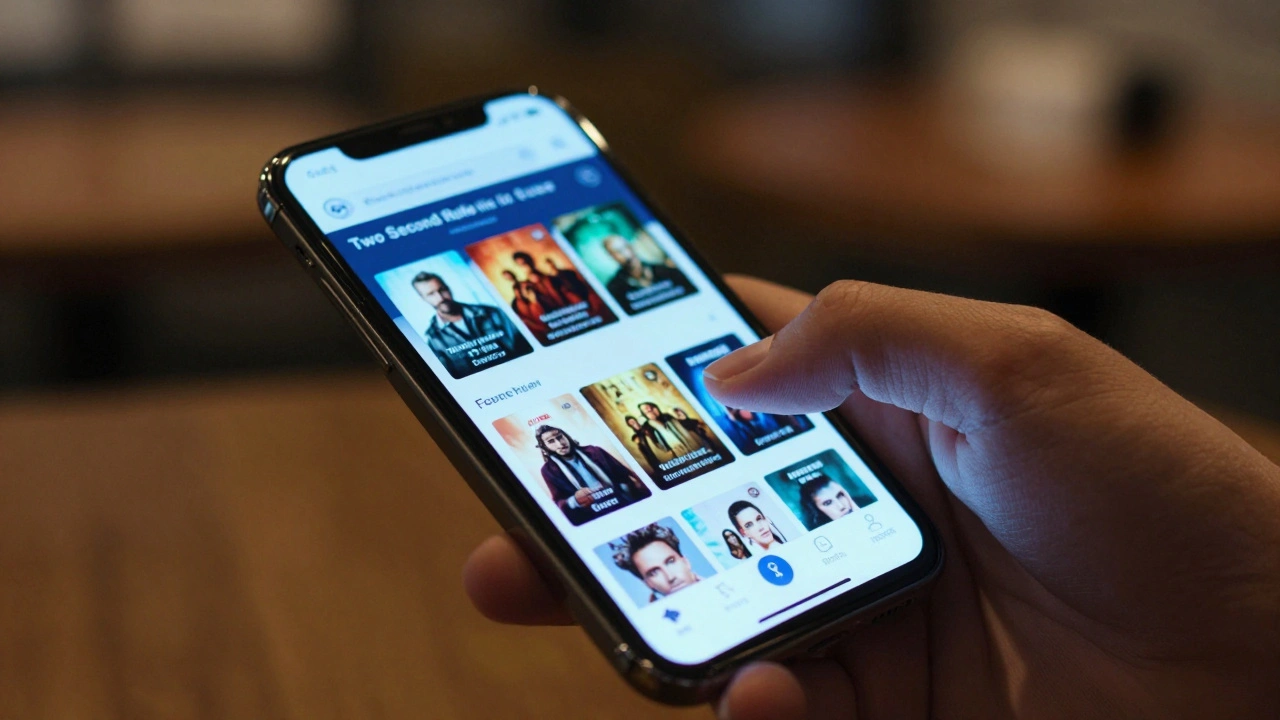
The era of the theatrical poster is dead. Or at least, it’s no longer the primary driver of success for a movie. In 2026, if your film is a streaming original, which is a film produced exclusively for digital distribution platforms rather than traditional cinema release, your battleground isn’t the billboard on Sunset Boulevard. It’s the home screen of a smartphone held in someone’s hand while they’re waiting for their coffee.
You have less than two seconds to stop the scroll. You don’t get a red carpet premiere to win over critics first. You get a static image-a tile-and maybe a short clip. If those fail, the algorithm buries your project under a mountain of competitor content. This shift has fundamentally changed how we market films. It’s not just about creativity anymore; it’s about data-driven psychology, precise visual hierarchy, and relentless experimentation.
The Death of the Traditional Trailer
We used to think a trailer was a mini-movie. A 90-second narrative arc that set up the conflict and promised resolution. That model still works for blockbusters going to theaters, but for streaming originals, it’s often too slow. The viewer isn’t committed yet. They are browsing. They are distracted. They are likely watching something else simultaneously.
Modern trailer strategy for streaming platforms prioritizes immediate emotional hooks over linear storytelling relies on fragmentation. We break the trailer into multiple assets: a 15-second teaser, a 30-second character-focused spot, and a 60-second narrative overview. Each serves a different purpose in the user journey. The 15-second spot is designed for social media feeds where sound is off by default. It needs bold text overlays and high-contrast visuals. The 30-second spot targets lookalike audiences on Instagram or TikTok, focusing on star power or genre tropes. The full trailer lives on the platform itself, serving users who have already clicked through from an ad.
Consider the difference between marketing a thriller in 2015 versus 2026. In 2015, you might have led with mystery. In 2026, you lead with tension. You show the climax early. You give away the vibe, not necessarily the plot twist, but the emotional payoff. Why? Because the user wants to know *how* it will make them feel, not just *what* happens. Data shows that trailers leading with high-energy moments see higher completion rates among casual viewers, even if they sacrifice some narrative cohesion.
The Tile: Your Digital Poster
If the trailer is the sales pitch, the tile is the storefront window. On platforms like Netflix, the world's largest subscription video on demand service, Amazon Prime Video, or a major streaming platform included with Amazon Prime memberships, the tile is the only thing most people ever see. Many users never click play unless the tile grabs them. This makes tile design one of the most critical elements of visual marketing for streaming content involving composition, color theory, and facial recognition triggers a science as much as an art.
There are three main types of tiles you need to consider:
- Hero Tiles: These appear at the top of the homepage. They are large, cinematic, and often feature key art with minimal text. They rely on brand recognition and high production value. Think of them as the equivalent of a theater marquee.
- Row Tiles: These are the thumbnails in rows like "Trending Now" or "Because You Watched..." They are smaller and compete directly with dozens of other titles. Clarity is king here. Faces work better than landscapes. Eyes looking toward the center of the frame perform better than eyes looking away.
- Contextual Tiles: These change based on the user’s history. If a user loves rom-coms, the tile for a drama might highlight its romantic subplot. If they love action, it highlights the fight scenes. This dynamic personalization is powered by machine learning algorithms that analyze past viewing behavior.
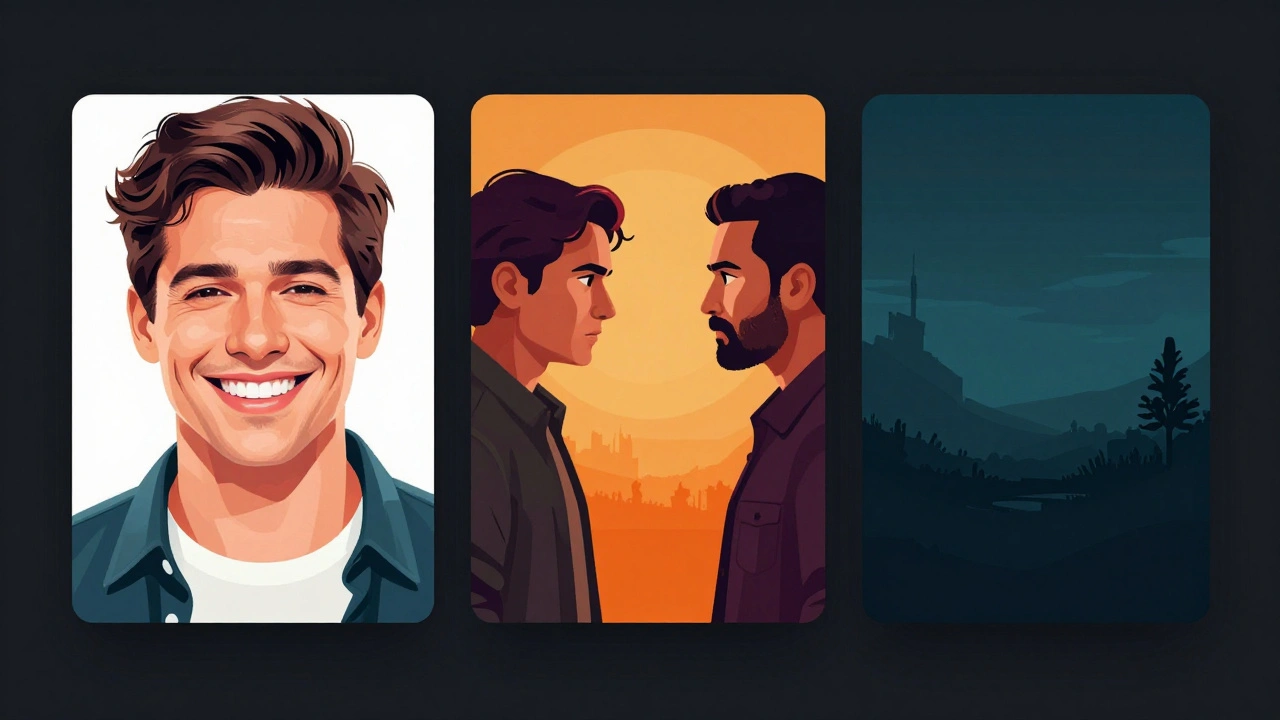
- Hypothesis Generation: Your team creates multiple variants of a tile or trailer. For example, Version A features the male lead smiling. Version B features the female lead looking intense. Version C features both characters in a tense standoff.
- Segmentation: The platform divides its user base into random, statistically significant groups. Group 1 sees Version A. Group 2 sees Version B. Group 3 sees Version C.
- Measurement: The platform tracks key metrics. The most important metric is Click-Through Rate (CTR). Did they click? Secondary metrics include Completion Rate (did they watch the whole thing?) and Engagement Score (did they interact with related content?).
- Optimization: After a set period (usually 48-72 hours), the platform identifies the winner. The winning variant is then pushed to the broader audience. Losers are retired or tweaked and re-tested.
- What is this about?
- Who is it for?
- Why should I care right now?
- Ignoring Mobile First: Over 70% of streaming views happen on mobile devices. If your tile text is too small or your trailer requires audio to understand, you’ve lost half your audience. Design for silence and small screens.
- Static Campaigns: Launching once and forgetting about it is a recipe for failure. Streaming libraries are vast. Your film needs sustained visibility. Keep testing new tiles and trailers for weeks after launch to capture late adopters.
- Misaligned Tone: Don’t let the algorithm dictate your entire identity. Just because a dark tile gets more clicks doesn’t mean it represents your film accurately. If you attract viewers expecting horror but deliver romance, you’ll get negative reviews and low engagement scores, which hurts long-term performance.
- Neglecting Local Markets: Global streamers operate in dozens of countries. A tile that works in the US might flop in Japan or Brazil. Cultural nuances matter. Invest in localized assets for key markets.
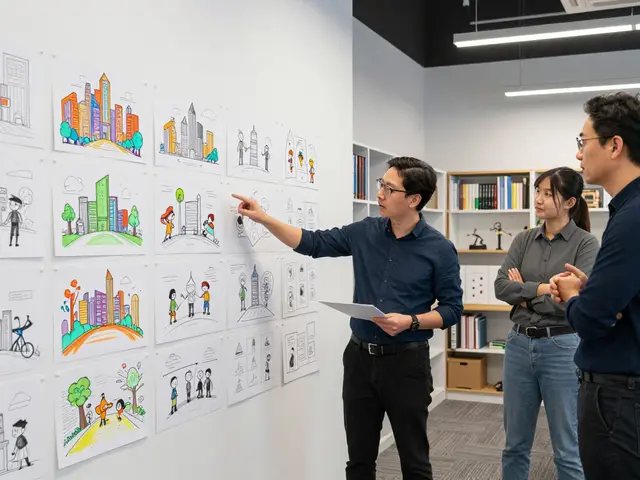
A common mistake filmmakers make is using the same poster for all tile variations. This is inefficient. You need a library of assets. For a single film, you should produce at least 10-15 distinct tile images. Some should focus on the lead actor. Others on the antagonist. Some should be bright and colorful; others dark and moody. The goal is to test which visual language resonates with specific audience segments.
A/B Testing: The Engine of Discovery
This is where the rubber meets the road. You can guess what looks good, but you can’t assume it converts. A/B testing, also known as split testing where two versions of a creative asset are compared to determine which performs better is the backbone of modern film marketing on streamers. It allows you to move from opinion-based decisions to data-backed strategies.
Here is how the process typically works for a streaming original:
It’s not just about picking the best image. It’s about understanding *why* it worked. Maybe Version B won because the target demographic responded more strongly to intensity than humor. This insight informs future campaigns. You learn that your core audience prefers dramatic tension over lightheartedness. That knowledge shapes your next trailer edit.
One fascinating trend in 2026 is the use of AI-generated variants. Tools can now automatically generate hundreds of tile combinations by swapping faces, adjusting colors, or changing text placement. Human marketers curate these options, but the volume of testing has increased exponentially. What used to take weeks of photo editing now takes minutes of algorithmic generation.
Comparing Creative Approaches
| Asset Type | Primary Goal | Key Metric | Best Use Case |
|---|---|---|---|
| Hero Tile | Brand Awareness | Impressions | Launch Week Homepage Feature |
| Row Tile | Click-Through | CTR | Ongoing Discovery Rows |
| 15-Second Teaser | Viral Reach | Shares/Views | Social Media Ads (Instagram/TikTok) |
| Full Trailer | Conversion | Completion Rate | In-App Landing Page |
The Role of Metadata and Copy
Visuals grab attention, but copy seals the deal. The title of your film is fixed, but the tagline and description are flexible. Metadata optimization involves crafting concise, keyword-rich descriptions that align with user search intent and platform algorithms is crucial for discoverability. Users often search for genres or moods rather than specific titles. Phrases like "psychological thriller," "romantic comedy," or "mind-bending sci-fi" act as signals to both the user and the algorithm.
Your description should answer three questions immediately:
Avoid vague language. Instead of "A gripping tale of love and loss," try "When a detective uncovers a conspiracy, he must choose between his career and the woman he loves." Specificity builds trust. It tells the viewer exactly what kind of experience they are signing up for. This reduces bounce rates because expectations match reality.
Pitfalls to Avoid in Streaming Marketing
Even with the best tools, mistakes happen. Here are the most common errors I see in film marketing campaigns for streaming originals:
Future Trends: Beyond the Click
As we move further into 2026, the lines between marketing and product are blurring. Platforms are experimenting with interactive tiles that allow users to sample audio clips or view behind-the-scenes photos without leaving the home screen. Voice search is also becoming more prominent. Optimizing your metadata for voice queries like "Show me a funny movie with Chris Hemsworth" is becoming essential.
Additionally, cross-platform integration is growing. Your film’s tile might appear not just on the streaming app, but on smart TVs, gaming consoles, and even in-car entertainment systems. Consistency across these touchpoints ensures a seamless user experience. The goal is to make your film the obvious choice wherever the user happens to be.
How long does A/B testing take for streaming film marketing?
Typically, initial A/B tests run for 48 to 72 hours to gather statistically significant data. However, continuous testing should occur throughout the film's lifecycle on the platform, especially during peak viewing periods like weekends or holidays. Long-term campaigns may rotate winners every week to prevent audience fatigue.
What is the most important metric for a streaming tile?
Click-Through Rate (CTR) is the primary metric for tiles. It measures the percentage of users who click on the tile after seeing it. While impressions indicate reach, CTR indicates relevance and appeal. High CTR leads to more plays, which signals to the algorithm that the content is valuable, resulting in more impressions.
Do streaming platforms share A/B testing results with filmmakers?
This varies by contract and platform. Major studios often have dedicated analytics dashboards provided by partners like Netflix or Amazon. Independent filmmakers may receive limited insights, such as overall viewership numbers, but rarely detailed granular data on specific tile performance. Negotiating access to this data is a key part of distribution deals.
How many tile variations should I create for one film?
Aim for at least 10 to 15 distinct variations. Include different focal points (characters, objects, landscapes), color palettes (bright vs. dark), and compositions (close-ups vs. wide shots). This diversity allows for robust testing across different audience segments and contexts, ensuring you find the highest-performing asset.
Is it better to focus on trailers or tiles for streaming originals?
Tiles are generally more critical for initial discovery because they are seen by a larger audience before any click occurs. If the tile fails, the trailer never gets watched. However, once a user clicks, the trailer becomes the primary conversion tool. Both are essential, but resources should prioritize creating high-quality, diverse tile assets first.