Imagine watching a blockbuster action scene. The hero is about to jump off a building. You feel the tension. Then, the subtitles appear. They are out of sync by two seconds. Or worse, they miss the joke entirely. The immersion shatters. This is why film localization matters. It is not just translation. It is cultural adaptation.
In 2026, streaming giants release thousands of titles monthly. Audiences expect native-level experiences. A broken workflow costs money and reputation. This guide breaks down the real steps. We cover subtitles, dubbing, and quality control (QC). You will learn how to keep your audience engaged across borders.
The Core Challenge of International Markets
Film localization bridges language gaps. But it also bridges culture. A direct translation often fails. Humor, idioms, and social norms vary wildly. For example, a British dry wit might confuse a US audience. A Japanese honorific might bore a French viewer. Your goal is emotional equivalence. Not literal accuracy.
The industry relies on strict timelines. Delays mean missed premiere dates. Missed dates mean lost revenue. Studios use complex pipelines. These pipelines involve linguists, editors, and engineers. Each step adds risk. One error can cascade. That is why structure is vital.
Subtitle Creation: Precision in Constraints
Subtitling is an art of limitation. You have limited space. You have limited time. The text must fit on screen. It must be readable. The average reading speed is 150 words per minute. In Spanish or German, text expands by 20-30%. You cannot simply translate word-for-word.
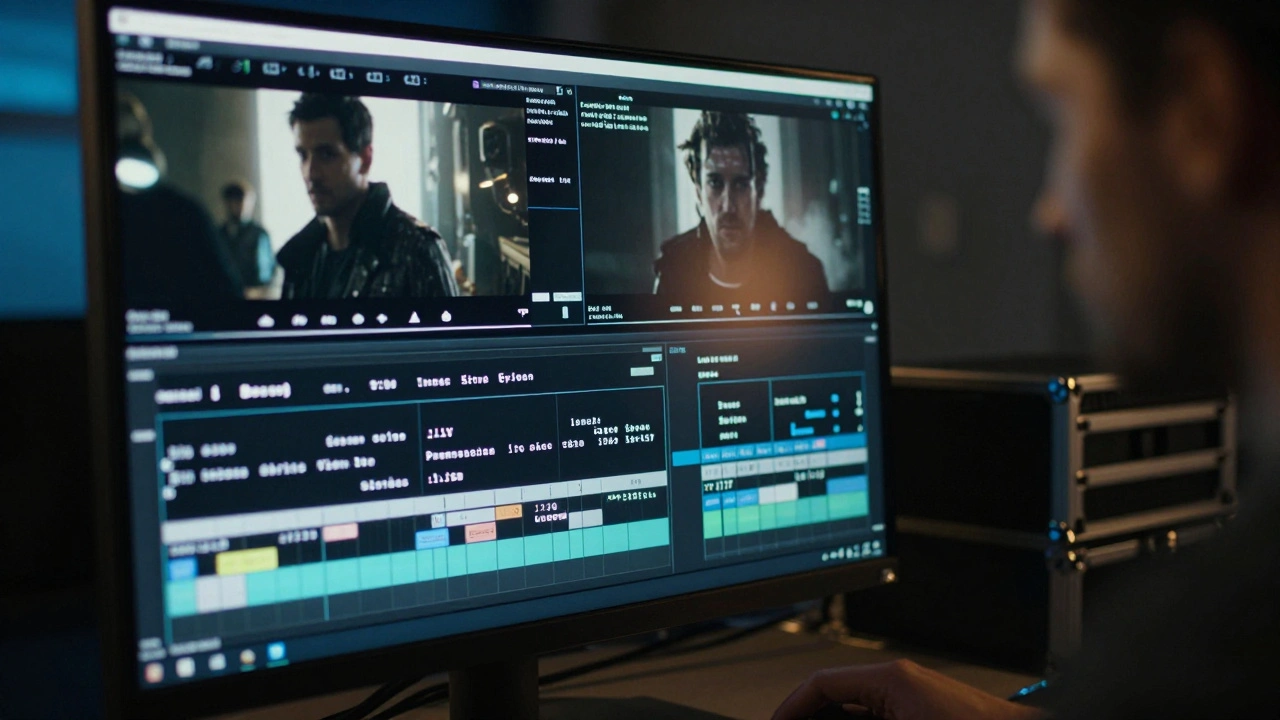
The subtitling workflow starts with spotting. Linguists watch the film. They mark start and end times for each line. This creates a timing track. Next comes translation. The linguist adapts the script. They shorten sentences without losing meaning. They choose simple words. Complex phrases get cut.
Then comes formatting. Different regions have different rules. The European Broadcasting Union (EBU) sets standards for Europe. Netflix has its own style guides. Font size, color, and position matter. White text on black background works best. Two lines maximum. Never more than 42 characters per line.
Tools like Aegisub or Subtitle Edit help here. They visualize timing. They check character limits. But the human eye catches nuance. Does the subtitle overlap the actor’s face? Does it appear too fast? These details require review.
Dubbing Workflow: Syncing Voice and Soul
Dubbing is harder than subtitling. You replace voices. You keep lip movements. This is called lip-sync. In some languages, you match mouth closures. In others, you match syllable counts. The goal is natural speech. Actors must sound like they are speaking the original language.
The dubbing process begins with casting. Directors pick voice actors. They match tone and age. A young hero needs a young voice. A villain needs a gravelly tone. Casting wrong breaks trust. Viewers notice mismatched energy instantly.
Next is adaptation. The scriptwriter rewrites dialogue. They match syllable counts. They adjust pauses. If the original says "Hello," but the lips move for three syllables, the translator finds a three-syllable greeting. This takes skill. It requires creativity under pressure.
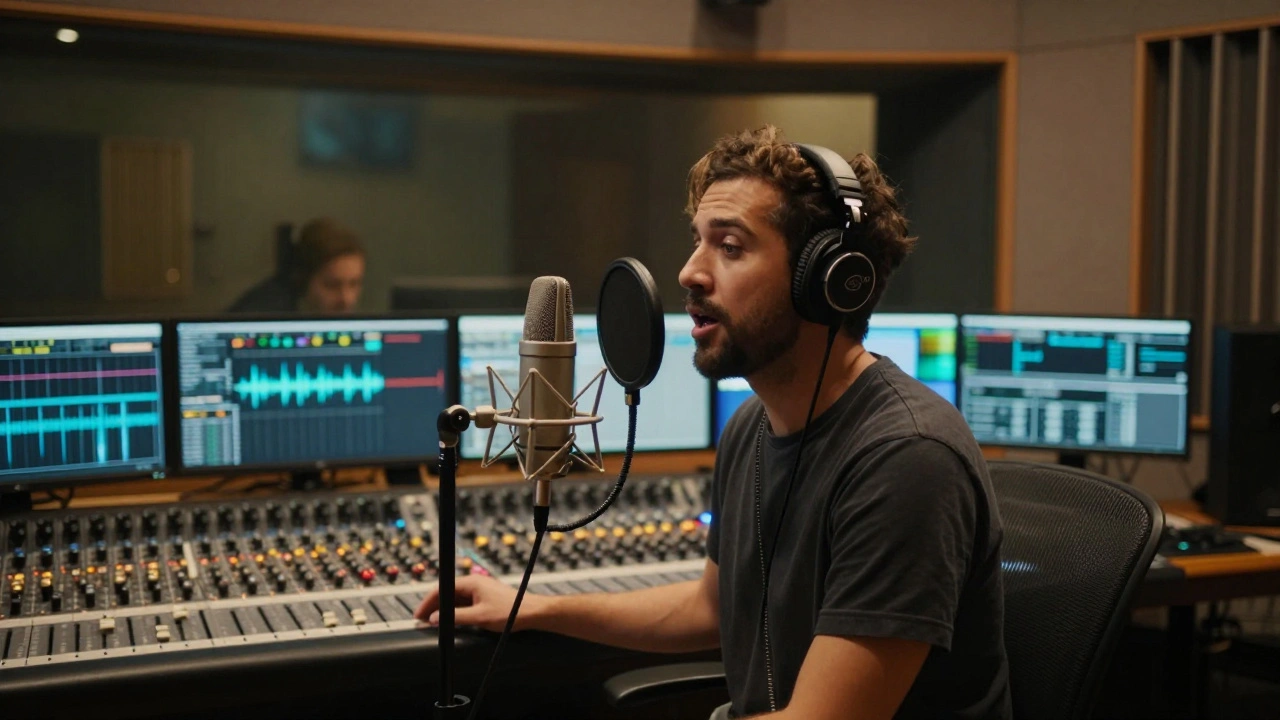
Recording happens in studios. Sound engineers mix tracks. They balance dialogue, music, and effects. Noise reduction is critical. Background sounds must remain clear. If the dub covers the rain sound, it feels fake. Engineers use tools like Pro Tools or Reaper. They fine-tune every millisecond.
Quality Control: The Safety Net
Quality Control (QC) catches errors. It runs after editing. It checks technical and linguistic issues. Without QC, mistakes slip through. Imagine a subtitle appearing during silence. Or a dubbed line missing a key plot point. QC prevents this.
QC involves automated checks and human review. Software scans for timing errors. It flags overlapping subtitles. It detects unreadable colors. But machines miss context. Humans read the text. They listen to the audio. They watch the video together.
Checklists guide reviewers. They look for:
- Timing accuracy: Do subtitles match speech?
- Lip-sync: Do dubbed mouths match words?
- Cultural sensitivity: Are jokes appropriate?
- Technical specs: Is font size correct?
- Audio levels: Is dialogue clear over music?
Errors fall into categories. Critical errors stop playback. Major errors confuse viewers. Minor errors annoy them. Studios prioritize fixes. Critical bugs get fixed first. Minor typos might wait for patch updates.
Technology Accelerating Localization
AI changes the game. Machine Translation (MT) speeds up drafts. Neural engines handle basic scripts. But AI lacks nuance. It misses sarcasm. It confuses names. Human post-editing remains essential. MT + Human = Best Result.
Speech-to-text tools auto-generate captions. They save hours of spotting. Accuracy improves yearly. Deep learning models understand accents. They handle noisy environments better. Yet, they still struggle with slang. Post-production teams verify output.
Cloud platforms enable collaboration. Teams work remotely. Editors share files instantly. Version control tracks changes. No more email attachments. Real-time comments streamline feedback. Tools like Frame.io integrate video and chat. Efficiency rises. Costs drop.
Common Pitfalls to Avoid
Rushing kills quality. Tight deadlines tempt shortcuts. Skipping QC invites disaster. Budget cuts hurt talent. Cheap translators produce poor work. Invest in experts. They know local dialects. They understand cultural references.
Ignoring platform specs causes rejection. Netflix demands specific formats. Amazon Prime requires certain codecs. Check guidelines early. Late fixes cost extra. Plan ahead. Build buffer time into schedules.
Over-localizing loses identity. Some brands want global consistency. Too many local tweaks dilute the message. Balance unity and adaptation. Keep core themes intact. Adjust only what is necessary.
| Feature | Subtitling | Dubbing |
|---|---|---|
| Cost | Lower | Higher |
| Time Required | Faster | Slower |
| Audience Preference | Europe, Asia | US, Latin America |
| Technical Complexity | Moderate | High |
| Cultural Adaptation | Text-based | Voice + Text |
Building a Robust Pipeline
A strong pipeline repeats success. Define roles clearly. Assign responsibilities. Use standardized templates. Track metrics. Measure turnaround times. Monitor error rates. Improve continuously.
Collaborate early. Involve linguists in pre-production. Share scripts before filming. This allows planning. It reduces last-minute stress. Communicate openly. Feedback loops fix issues fast.
Test frequently. Run pilot projects. Gather user feedback. Adjust processes based on data. What works for one region may fail elsewhere. Stay flexible. Adapt to market needs.
How long does film localization take?
It depends on length and complexity. A feature film takes 4-8 weeks. Subtitles are faster. Dubbing needs more time for recording and mixing. Short content moves quicker. Always add buffer days for revisions.
Is AI replacing human translators?
No. AI assists but does not replace. Machines lack cultural insight. Humans catch nuance and humor. Hybrid workflows combine speed and quality. Expect humans to lead creative decisions.
What are the main QC checks?
QC checks timing, readability, and cultural fit. Technical specs include font size and color contrast. Linguistic reviews ensure accuracy and tone. Audio levels must balance dialogue and effects.
Why do some countries prefer dubbing?
Cultural habits drive preference. Germany and Italy favor dubbing. It feels more immersive. Younger audiences often prefer dubs. Market research shows higher engagement with localized voices.
How much does localization cost?
Costs vary by method and language. Subtitling costs less per minute. Dubbing requires actors and studio time. Rare languages cost more due to fewer specialists. Budget 10-20% of production for localization.
Next Steps for Your Project
Start small. Test one episode or short film. Refine your process. Scale up as confidence grows. Build relationships with trusted vendors. They become partners. Consistency builds brand loyalty.
Monitor trends. New tools emerge yearly. Stay updated. Attend industry conferences. Learn from peers. Share successes and failures. Knowledge sharing strengthens the community.
Remember, localization is service. You serve global audiences. Respect their cultures. Deliver quality. Engage their hearts. That is how films travel beyond borders.