You walk into a theater today, and the image hits you differently than it did ten years ago. It’s not just bigger; it’s sharper, deeper, and more alive. But here’s the twist that confuses a lot of people: 8K resolution is everywhere in marketing brochures, yet almost no one is actually shooting movies in it. Why? Because the war between 4K and the emerging standard of 8K digital capture isn’t about who has the most pixels. It’s about data, workflow, and what your eyes can actually handle.
The Pixel Count Myth
Let’s clear up the biggest misconception first. More pixels do not automatically equal a better movie. If they did, we’d all be watching security camera footage on IMAX screens. The debate over Digital Cinematography formats often gets stuck on resolution numbers, but that’s like judging a car solely by its top speed while ignoring the engine noise or ride comfort.
4K UHD (3840 x 2160 pixels) became the industry standard for good reason. It offers a sweet spot where detail meets manageability. When you shoot in 4K, you have enough resolution to crop, stabilize, and reframe shots in post-production without losing quality. You also get a massive boost in color accuracy and contrast compared to older HD standards. But jumping straight to 8K (7680 x 4320 pixels) creates a logistical nightmare that few productions are ready to handle.
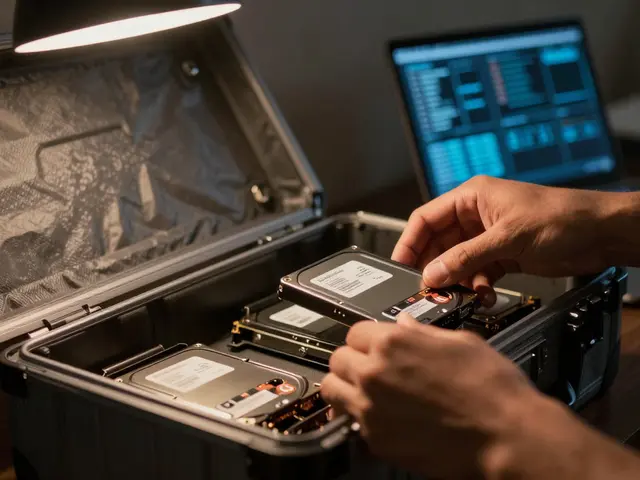
Think about the file sizes. An hour of raw 4K footage from a high-end cinema camera might take up a few terabytes. Double the pixel count, and you’re looking at storage requirements that scale exponentially, not linearly. For an indie filmmaker with a laptop and two external drives, this is impossible. Even for major studios, the cost of rendering and storing 8K assets adds millions to the budget. And for what? On a standard living room TV, the difference between 4K and 8K is barely visible unless you’re sitting three feet away from the screen.
Why 8K Is Still Struggling
If 8K looks so crisp, why aren’t directors rushing to buy those cameras? It comes down to three main hurdles: processing power, lighting, and lens quality.
First, processing power. Editing 8K video requires workstations with beefy GPUs and tons of RAM. If you’re trying to cut a feature-length film in 8K, your render times will crawl. A simple effect that takes five seconds to process in 4K might take thirty in 8K. Multiply that by hundreds of shots, and you see how production schedules balloon. Studios want efficiency, not just fidelity.
Second, lighting. Higher resolution means higher sensitivity to imperfections. In 4K, skin textures look natural and detailed. In 8K, every pore, blemish, and stray hair becomes glaringly obvious. This forces makeup artists and lighting technicians to work harder. You need perfect lighting setups because there’s nowhere to hide. Some actors hate this level of scrutiny. They prefer the slight softness of lower resolutions or even traditional film grain, which masks minor flaws.
Third, lenses. Not all glass is created equal. Many classic cinema lenses were designed for film stocks or early digital sensors. When you put them on an 8K sensor, they might produce soft images or chromatic aberrations that ruin the sharpness advantage. You need ultra-high-resolution lenses, which are expensive and heavy. This limits camera movement and rigging options. Suddenly, your handheld shot feels like lifting a brick.
| Feature | 4K UHD Standard | 8K Emerging Standard |
|---|---|---|
| Pixel Resolution | 3840 x 2160 | 7680 x 4320 |
| Storage Needs (per hour) | ~500 GB - 2 TB (RAW) | ~2 TB - 8 TB (RAW) |
| Edit Workflow Speed | Fast / Real-time capable | Slow / Proxy required |
| Viewer Impact (Home) | High clarity, noticeable upgrade | Marginal gain beyond 65-inch screens |
| Lens Requirements | Wide availability of vintage/modern glass | Requires specialized high-res optics |
The Role of High Dynamic Range (HDR)
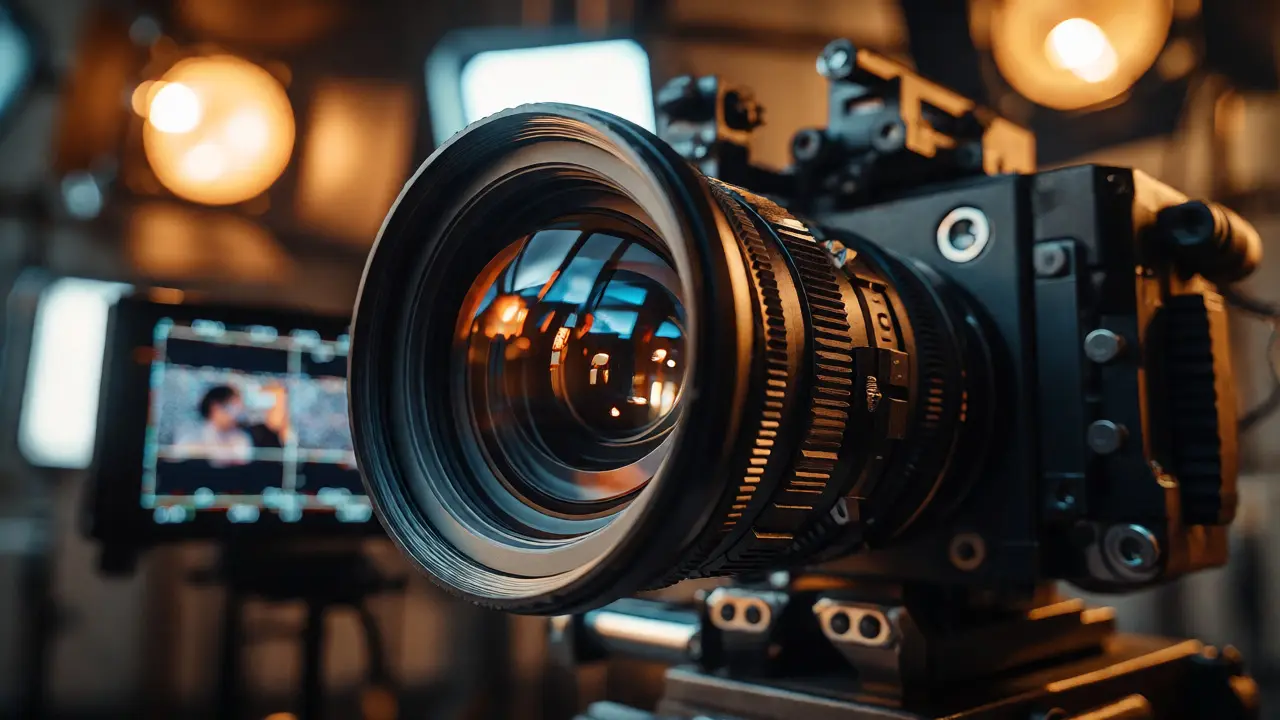
Here’s where things get interesting. While everyone argues about pixel counts, the real revolution is happening in color and light. HDR (High Dynamic Range) matters more than resolution for emotional impact. HDR allows for brighter highlights and deeper blacks. It lets you show a sunset without blowing out the sky, or a dark alley without losing detail in the shadows.
Formats like Dolby Vision and HDR10+ change how stories are told. Directors can use light as a character. Think about the eerie glow in Blade Runner 2049. That wasn’t just about sharpness; it was about the precision of color grading enabled by modern digital sensors. These sensors capture a wider range of light information, giving colorists more flexibility in post-production.
This shift explains why some filmmakers stick with lower resolutions but insist on high-bit-depth recording. Shooting in 10-bit or 12-bit color gives you billions of colors instead of millions. When you combine this with HDR displays, the image feels three-dimensional. Your brain perceives depth and realism not just from edges (resolution) but from light behavior (dynamic range). So, if you’re choosing gear, prioritize sensor dynamic range over megapixels. It pays off in the final grade.
AI Upscaling: The Game Changer
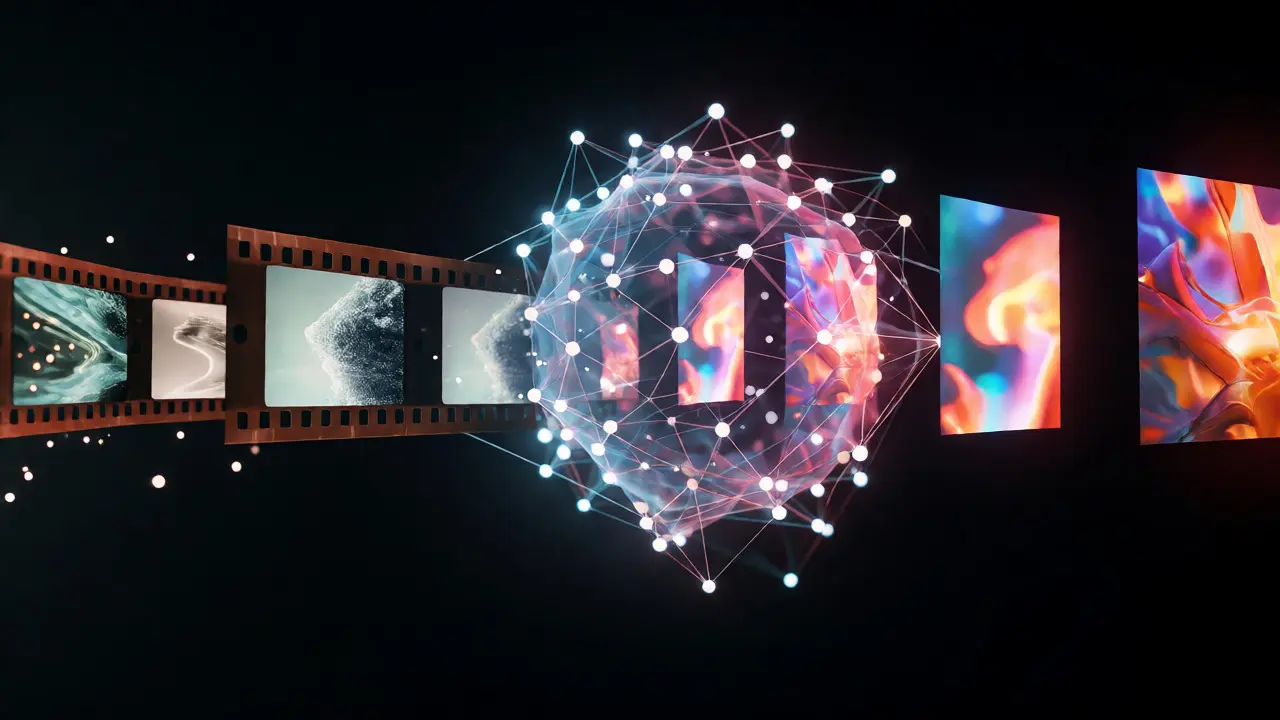
So, if 8K is too hard to shoot, why do we hear so much about it? Enter Artificial Intelligence upscaling technologies. Companies like NVIDIA and Sony are developing algorithms that can take 4K footage and convincingly generate 8K details. They analyze patterns in the image and predict what the missing pixels should look like.
This changes the economics entirely. Instead of shooting in native 8K, you shoot in 4K or even 2K, then upscale during distribution. This saves storage costs during production and allows for flexible delivery formats. Netflix and other streaming services are already experimenting with this. They serve 4K streams to most users but prepare master files that can be upscaled for future 8K TVs.
Does AI upscaling look fake? Sometimes. Early attempts had artifacts-shimmering edges or weird texture smoothing. But current models are getting scary good. They preserve grain structures and fine details better than simple interpolation. For archival purposes, this is huge. Old films shot on 35mm or even 16mm can be restored and upscaled to look fresh on modern screens without re-shooting scenes.
The Human Eye Limit
Let’s talk biology. How many pixels can your eye actually see? At a typical viewing distance for a home theater (about 8-10 feet), the human eye cannot distinguish individual pixels once you pass roughly 4K on a 65-inch screen. This concept is called "Retina Display" logic. Once the pixels are smaller than the angle of resolution your eye can detect, adding more doesn’t help.
For cinemas, the story is slightly different because screens are larger. However, audience seating charts matter. Only the front rows benefit significantly from 8K projection. Most viewers sit further back, where 4K projected via laser systems looks identical to 8K. This makes the investment in 8K projectors questionable for theaters unless they market it as a premium experience.
Moreover, frame rate plays a role. High frame rates (HFR) like 48fps or 60fps make motion smoother but can create the "soap opera effect," which many viewers dislike. Combining HFR with 8K creates a hyper-realistic look that some find jarring for fictional narratives. It works great for sports broadcasts or nature documentaries, where realism is key. For drama, it can break immersion. We associate cinematic storytelling with 24fps and slight motion blur. Breaking that rule feels artificial to our brains.
Future Proofing Your Projects
What should you do if you’re planning a shoot today? Don’t obsess over 8K native capture unless you have a specific technical need, like extreme cropping or VFX plate creation. Here’s a practical approach:
- Shoot in 4K RAW: This gives you maximum flexibility for color grading and visual effects. It’s manageable for most budgets.
- Prioritize Lens Quality: Invest in glass that resolves well at 4K. Good lenses age better than cheap sensors.
- Plan for HDR Delivery: Shoot with flat profiles that retain highlight and shadow detail. Grade for Dolby Vision or HDR10+.
- Use Proxies: Edit using lower-resolution proxy files to keep your computer fast. Swap back to full res only for final output.
Remember, technology serves the story. A blurry, out-of-focus shot with great emotion beats a tack-sharp 8K shot with no soul. Audiences forgive technical imperfections if the narrative grabs them. They rarely notice resolution differences if the lighting and composition are strong.
Looking Ahead: Beyond Pixels
The next frontier isn’t just resolution. It’s volumetric capture and light field imaging. Technologies like Light Field Cameras capture both intensity and direction of light rays, allowing focus to be adjusted after filming. Imagine changing the depth of field in post-production without reshooting. Or moving the camera perspective within a static scene.
These tools are still experimental but hint at a future where resolution is secondary to spatial data. As VR and AR grow, these capabilities become crucial. Streaming platforms want immersive content that adapts to user headsets. Traditional flat 8K video won’t satisfy that demand alone. So, while the "war" continues, the battlefield is shifting. It’s less about counting dots and more about capturing reality in ways our eyes and minds crave.
Is 8K worth buying for home use right now?
Generally, no. Unless you have a very large screen (75 inches or bigger) and sit close to it, the difference between 4K and 8K is minimal. Content availability for 8K is also scarce. Focus on getting a high-quality 4K HDR TV instead.
Can I watch 8K content on a 4K TV?
Yes, but it will be downscaled to fit your 4K screen. The picture will still look excellent, especially if the source material is high bitrate. However, you won't see the extra detail that 8K provides because your display physically lacks the pixels to show it.
Why do filmmakers still use film stock if digital is sharper?
Film has a unique aesthetic characterized by organic grain and a specific way of handling highlights. Many directors prefer this "look" for its nostalgic or artistic qualities. Digital sensors can mimic this, but the physical interaction with light remains distinct.
Does 8K require faster internet for streaming?
Absolutely. 8K streams require significantly higher bandwidth, often 50-100 Mbps or more, depending on compression. If your internet connection is slow, you’ll experience buffering or reduced quality. Check your provider's speeds before investing in 8K hardware.
Will AI replace traditional cameras?
Not entirely, but it will augment them. AI helps with autofocus, stabilization, and upscaling. However, the creative choice of framing, lighting, and lens selection remains a human task. Cameras will become smarter tools, not autonomous creators.