Quick Takeaways: The Streaming Expansion Playbook
- Risk Mitigation: Using known characters reduces the cost of acquiring new viewers.
- Subscription Retention: Serialized spin-offs create a "habit" that prevents monthly churn.
- World Building: Streamers use smaller budgets to explore side characters, enriching the main film's lore.
- Data-Driven Pivots: Streaming metrics tell studios exactly which side characters are popular enough for their own show.
Turning a Movie into a Universe
When a studio decides to expand a film, they aren't just making more episodes; they are building a Cinematic Universe. Think about how Marvel Studios transitioned from a series of standalone films to a cohesive web of content across Disney+. This strategy allows for "lateral growth." Instead of just making a sequel (which is vertical growth), they move sideways. If a movie is a hit, they might launch a prequel series to explain the origin of a villain or a spin-off focusing on a quirky sidekick. This keeps the brand alive in the cultural conversation during the three or four years between major theatrical releases. If you've ever noticed a character in a movie who felt underdeveloped, that's often a deliberate choice-a "hook" for a future streaming series.The Mechanics of the Spin-off
Not all extensions are created equal. Depending on the goal, studios choose different formats. Some want to deepen the plot, while others just want to maintain visibility.| Extension Type | Primary Goal | Example Strategy | Risk Level |
|---|---|---|---|
| Prequel Series | World Building | Exploring the "Before" of a main plot | Low |
| Companion Piece | Engagement | Parallel story happening during the movie | Medium |
| Character Spin-off | Fan Service | Following a fan-favorite side character | Low |
| Anthology Expansion | Brand Awareness | Different stories in the same shared world | High |
Why Streamers Love the "Slow Burn"
In a cinema, you have 120 minutes to make a point. On a platform like Netflix or Max, you have hours. This shift in medium changes the storytelling. We're seeing a move toward "high-fidelity" spin-offs-shows that look and feel like movies but allow for complex character arcs that wouldn't fit in a theatrical cut. Take the rise of the "limited series." By branding a show as a limited event, streamers create a sense of urgency. You can't just wait until next year; you have to watch it now. This creates a spike in Average Revenue Per User (ARPU) because it encourages lapsed subscribers to return for a specific event. It's a cycle: Movie creates the hype $\rightarrow$ Spin-off sustains the interest $\rightarrow$ Sequel harvests the expanded fan base.The Danger of Franchise Fatigue
There is a tipping point where too much of a good thing becomes a chore. When every single movie is followed by three series, a podcast, and an interactive game, the "prestige" of the brand drops. We call this brand dilution. If a spin-off feels like "filler" content-meaning it doesn't add anything new to the story and only exists to keep the logo visible-audiences tune out. The most successful extensions are those that provide a different perspective. For instance, a gritty action movie might have a spin-off that is a political thriller set in the same world. By changing the genre, the studio keeps the brand fresh while still utilizing the same Intellectual Property (IP).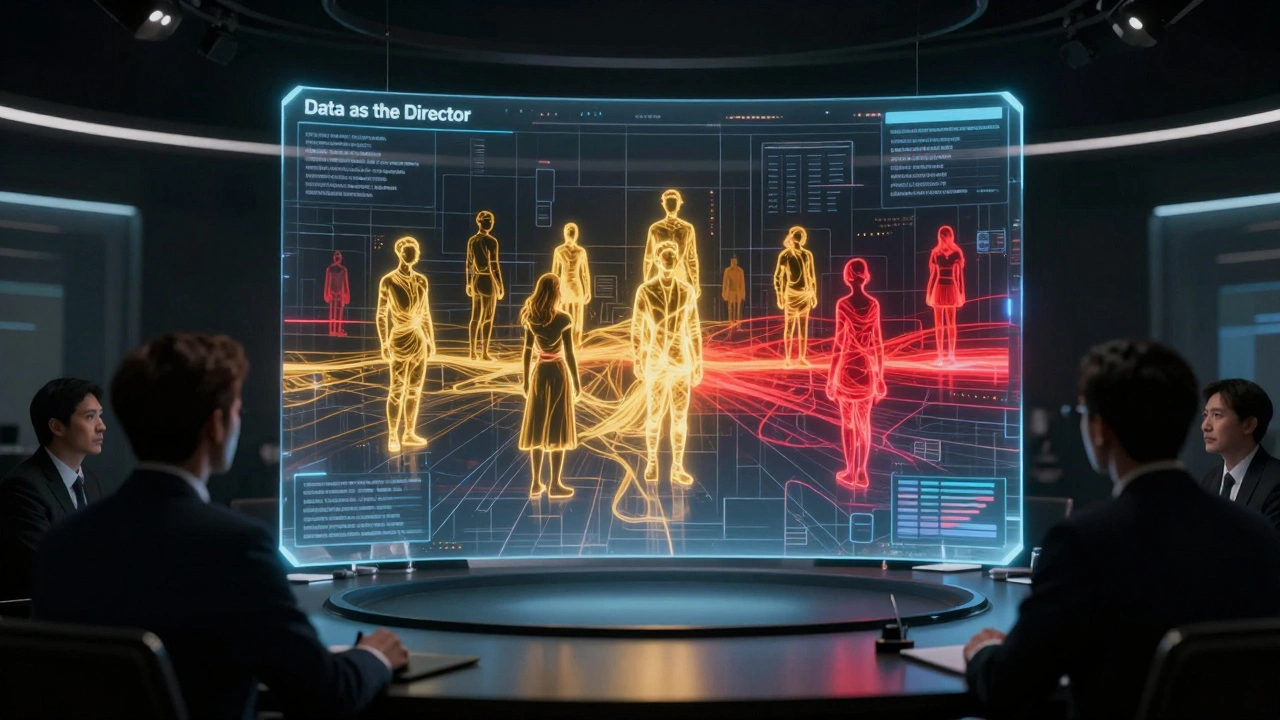
Data as the Director
Unlike the old days of box office numbers, streamers have granular data. They know exactly when you paused a movie, which scenes you rewound to watch again, and which characters you searched for after the credits rolled. If the data shows that 40% of viewers are searching for a specific minor character from a film, the studio doesn't have to guess if a spin-off would work. They have a heat map of interest. This has turned the creative process into a feedback loop. The "writer's room" is now often guided by algorithm insights, ensuring that the expansion has a built-in audience before a single frame is shot. This is why we see so many "side-story" shows today-they are mathematically predicted to succeed.Future Trends: Interactive and Episodic Hybridization
We are moving toward a world where the line between a movie and a show disappears entirely. We're starting to see "hybrid releases" where a movie debuts in theaters, but a simultaneous "expansion pack" of episodes drops on the streamer to provide context. Imagine watching a film and seeing a character mention a historical event in their world. You could then click a link in your app to watch a 10-minute mini-episode explaining that event. This creates a non-linear way of consuming stories, turning a film into a searchable database of entertainment. It changes the viewer from a passive observer into an active explorer of the brand's universe.What is the difference between a sequel and a brand extension?
A sequel continues the primary narrative arc of the original film, usually moving the main plot forward in time. A brand extension, like a spin-off, expands the world horizontally. It might focus on different characters, different time periods, or different genres while staying within the same established universe.
Why do streaming platforms prefer spin-offs over original movies?
Original movies are high-risk gambles. Spin-offs come with a "built-in" audience, meaning the cost of marketing is significantly lower and the probability of a baseline viewership is much higher. They also encourage longer-term subscriptions because episodic content takes longer to consume than a single movie.
Does brand extension always help a movie franchise?
Not always. If the quality drops or the market becomes oversaturated, it leads to "franchise fatigue." When audiences feel a brand is being "milked" for money rather than artistic growth, they may lose interest in the main theatrical films as well.
How does data influence which characters get spin-offs?
Streamers track user behavior, such as search queries and social media mentions. If a specific character generates a disproportionate amount of interest compared to their screen time, they become a prime candidate for a brand extension.
Can a spin-off actually make the original movie more popular?
Yes. This is known as the "halo effect." A successful series can introduce a new generation of viewers to the original film, driving legacy views and increasing the overall value of the intellectual property.
Next Steps for Franchise Strategy
For creators and strategists, the goal shouldn't be to simply "make more content." The focus should be on "value-add expansion."- For the Novice: Start by identifying "white space" in your story-characters or settings that have potential but weren't explored.
- For the Pro: Analyze viewer retention data to see where the audience drops off; use your extensions to fix those narrative gaps.
- For the Studio: Avoid the trap of quantity over quality. One high-prestige limited series is worth more for brand equity than three mediocre seasons of a procedural show.



Comments(8)