Some of the most powerful films ever made weren’t stopped because they were bad - they were banned because they were true. From Soviet Russia to 1950s America, governments didn’t fear bad storytelling. They feared stories that made people ask questions. And that’s why entire movies vanished from theaters, libraries, and even memory.
When a Film Becomes a Threat
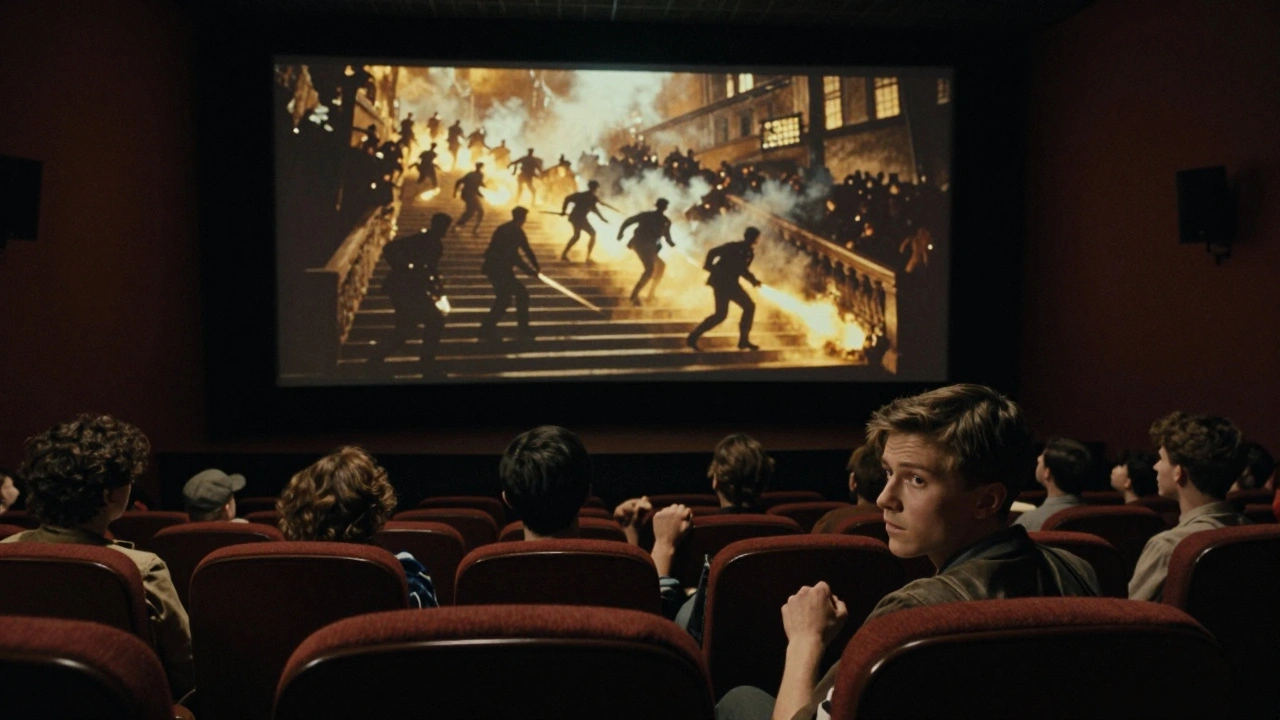
In 1925, the Soviet Union released Battleship Potemkin. It wasn’t a documentary. It was propaganda - but brilliantly crafted. The Odessa Steps sequence, where soldiers fire on civilians, was edited to look real. It wasn’t. But the emotion? Real. The Soviet government didn’t ban it. They promoted it. Meanwhile, the U.S. government quietly banned it. Why? Because it showed workers rising up. That was dangerous in a country where unions were being crushed and strikes met with violence.
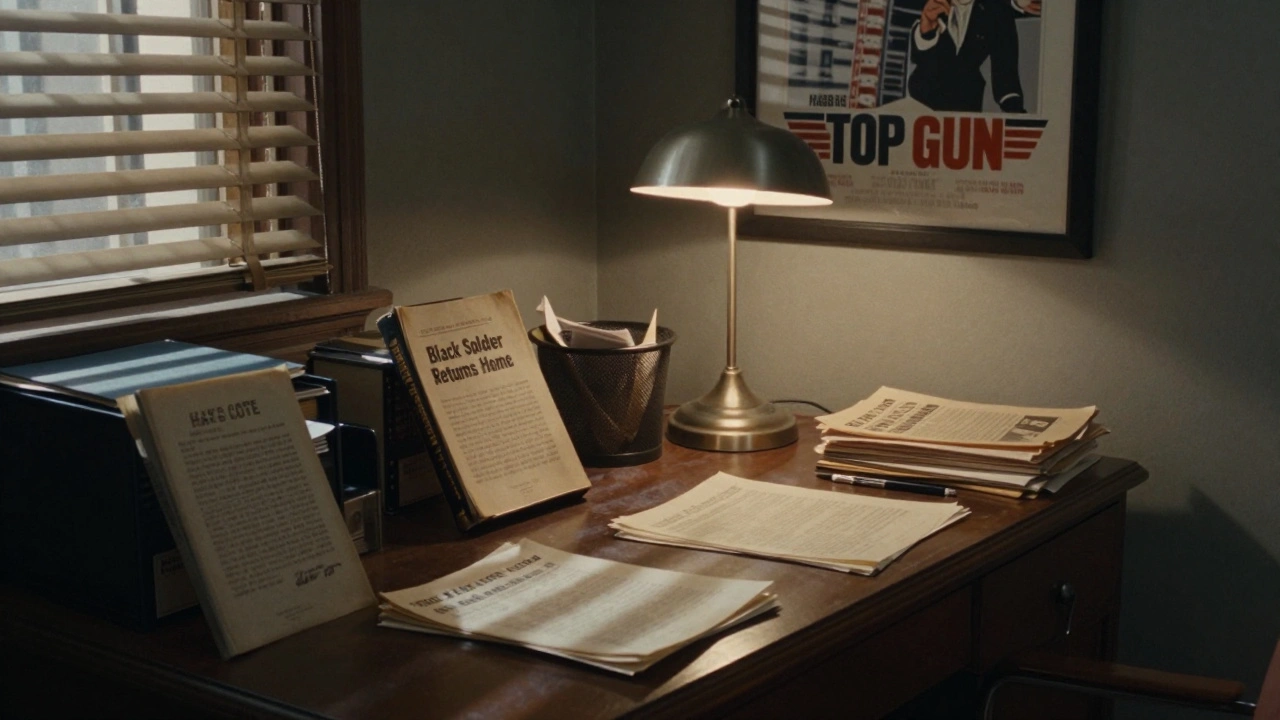
By 1930, Hollywood studios had already created the Hays Code - a self-censorship rulebook. No sex, no crime that wasn’t punished, no clergy in a bad light. But the real power wasn’t in the code. It was in the fear behind it. Studios didn’t need to be told what to cut. They knew. A film about a Black soldier returning home after WWII? Too risky. A movie about a woman choosing her career over marriage? Not marketable. The code wasn’t law. It was a contract with silence.
The Films That Couldn’t Be Ignored
Some movies slipped through. The Birth of a Nation (1915) was praised by President Woodrow Wilson and screened at the White House. It glorified the Ku Klux Klan as heroes. It was never banned. Instead, it was celebrated. That’s the quiet side of censorship: not just banning what’s dangerous, but elevating what reinforces power.
Then came Dr. Strangelove in 1964. A black comedy about nuclear war. The U.S. military tried to block it. They called it "unpatriotic." But the public laughed. And that laughter became the film’s shield. The Pentagon couldn’t ban a joke. So they watched it grow into a classic. It didn’t change policy. But it made people laugh at the absurdity of it all - and that was more dangerous than any protest.
How Censorship Works Today
Today, you won’t find government censors knocking on studio doors. But the pressure is still there. In 2023, Netflix pulled a documentary about a U.S. military contractor accused of war crimes after pressure from a major defense firm. No official ban. No court order. Just a quiet call: "This could hurt our relationships."
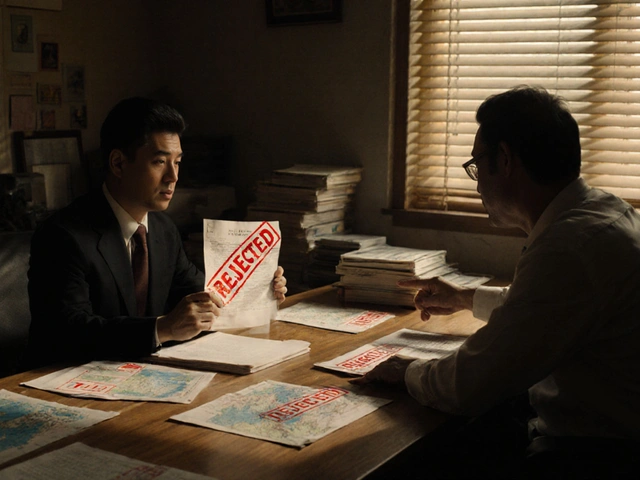
China bans films that show dissent, corruption, or anything that challenges the Communist Party’s narrative. But it also blocks films that show too much Western individualism - like a character choosing personal happiness over family duty. In 2021, a romantic comedy was rejected because the female lead didn’t marry by the end. The review board said it "promoted unhealthy values."
In the U.S., state legislatures now pass laws that ban "indoctrination" in schools - which includes films shown in history classes. In Florida, 13th by Ava DuVernay was removed from a public school curriculum because it discussed mass incarceration. In Texas, Parasite was flagged for "inappropriate themes." Not because it was violent. But because it showed class inequality.
What Gets Banned - And What Doesn’t
There’s a pattern. Films that challenge economic power? Rarely banned. Films that challenge racial power? Frequently banned. Films that challenge gender norms? Almost always banned.
In 1969, Midnight Cowboy was banned in several U.S. states for its portrayal of male prostitution. The film won the Oscar for Best Picture. But the ban stayed. Why? Because it made people uncomfortable - not because it was graphic. Because it made them see vulnerability in men. That was the real threat.
Compare that to Top Gun (1986). It glorified militarism, showed women as accessories, and turned war into a video game. No one banned it. Why? Because it reinforced the status quo. Censorship isn’t about content. It’s about control. And the most dangerous thing isn’t what’s shown. It’s what’s left out.
The Films That Survived - And Why
Some banned films didn’t just survive. They became icons. La Dolce Vita (1960) was condemned by the Vatican. Italy’s censors demanded cuts. The director refused. The film was released uncut. It became a landmark of European cinema. Why? Because people showed up. They bought tickets. They talked about it. The Vatican’s power faded. The film’s influence grew.
Same with Scarface (1983). The Motion Picture Association tried to block it for violence. But Brian De Palma pushed back. He said, "It’s not about the blood. It’s about greed." The film was released. And today, it’s studied in economics classes as a metaphor for capitalism.
These films didn’t win because they were perfect. They won because they forced people to look at something they didn’t want to see. And once you’ve seen it, you can’t unsee it.
Who Decides What You Can Watch?
There’s no single board. No global committee. Censorship is a patchwork of pressure points: studio lawyers, advertisers, politicians, religious groups, social media outrage, streaming algorithms. A film might not be banned outright - but if no one promotes it, if it’s buried in a corner of Netflix, if it’s labeled "too controversial," it might as well be gone.
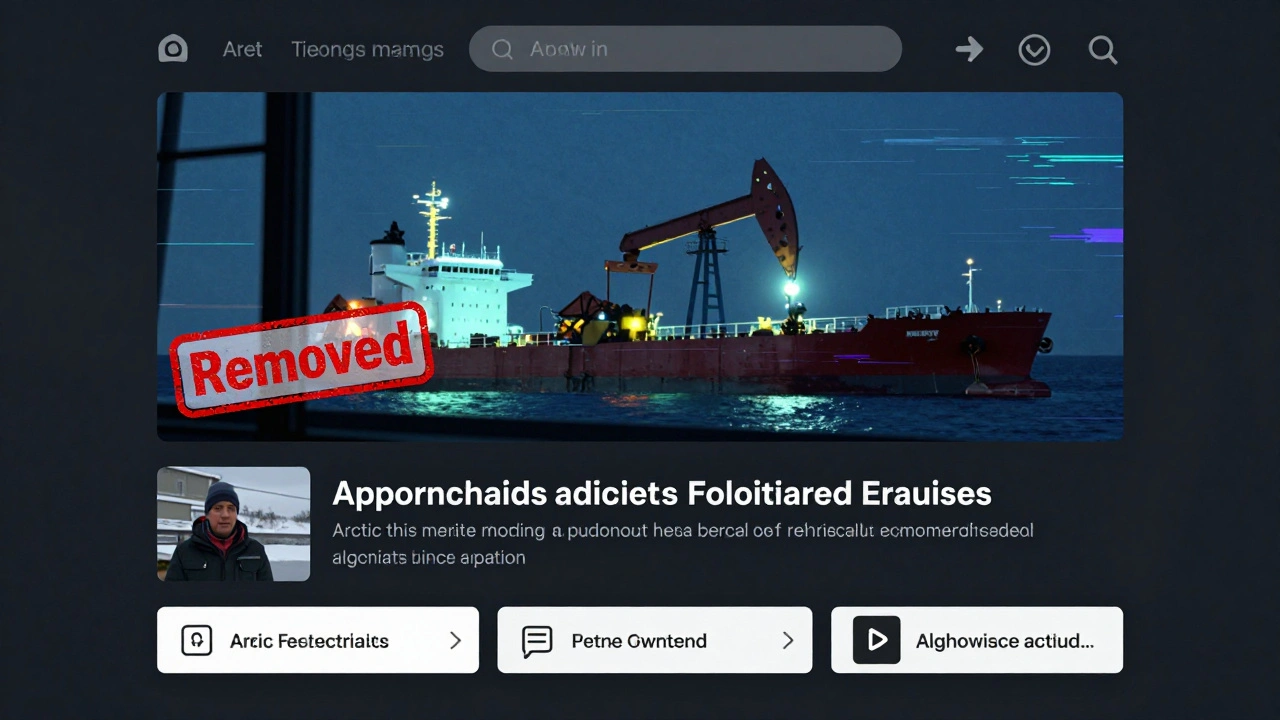
In 2025, a documentary about climate activists in the Arctic was pulled from HBO Max. The reason? "Low viewership." But internal emails showed the network had spent $2 million promoting it - then quietly dropped it after pressure from a fossil fuel investor. The film never got a theatrical release. No one knew it existed. That’s modern censorship: not with a stamp, but with silence.
What Can You Do?
You don’t need to protest. You don’t need to write letters. You just need to watch. And talk. When a film is quietly removed, search for it. Find it on DVD. Find it on a friend’s hard drive. Share it. Talk about it. Don’t let silence become the default.
There’s a reason Network (1976) still feels current. "I’m mad as hell, and I’m not going to take this anymore." That line wasn’t just a movie quote. It was a warning. And we’re still hearing it.
Why are some controversial films banned while others aren’t?
It’s not about how offensive a film is - it’s about who it offends. Films that challenge economic elites, racial hierarchies, or gender norms are more likely to be targeted. A movie like Top Gun glorifies military power and doesn’t threaten the status quo, so it’s celebrated. A film like 13th exposes systemic racism, so it gets pulled from schools. Censorship isn’t random. It’s strategic.
Can a film be banned today without an official order?
Absolutely. Modern censorship is often silent. A streaming service might drop a film after pressure from a corporate sponsor. A distributor might refuse to release it. A school board might remove it from a curriculum. No law is broken. No official ban is issued. But the film disappears anyway. This is called "soft censorship" - and it’s more common now than outright bans.
Are banned films still available anywhere?
Yes - but not always legally. Many banned films survive through bootleg DVDs, private archives, university film libraries, or international releases. Some, like Battleship Potemkin or Midnight Cowboy, are now in the public domain and available on YouTube. Others remain locked behind paywalls or regional restrictions. Access depends on who controls the distribution channels - not on the film’s quality or importance.
How do modern censorship tactics differ from the past?
In the 1950s, censors used legal codes and public hearings. Today, censorship is outsourced. Studios self-censor to keep advertisers happy. Algorithms bury controversial content. Social media campaigns smear filmmakers. Governments use vague laws about "national security" or "family values." The tools changed. The goal didn’t: keep people from seeing what might make them question authority.
What role do streaming platforms play in censorship?
Streaming platforms are the new gatekeepers. They decide what gets promoted, where it’s available, and whether it’s even listed. A film banned in one country might be hidden in another through geo-blocking. A documentary about political corruption might be buried under dozens of reality shows. Algorithms prioritize engagement, not truth. So if a film doesn’t get clicks, it gets erased - even if it’s important. That’s not censorship by law. It’s censorship by neglect.


Comments(7)