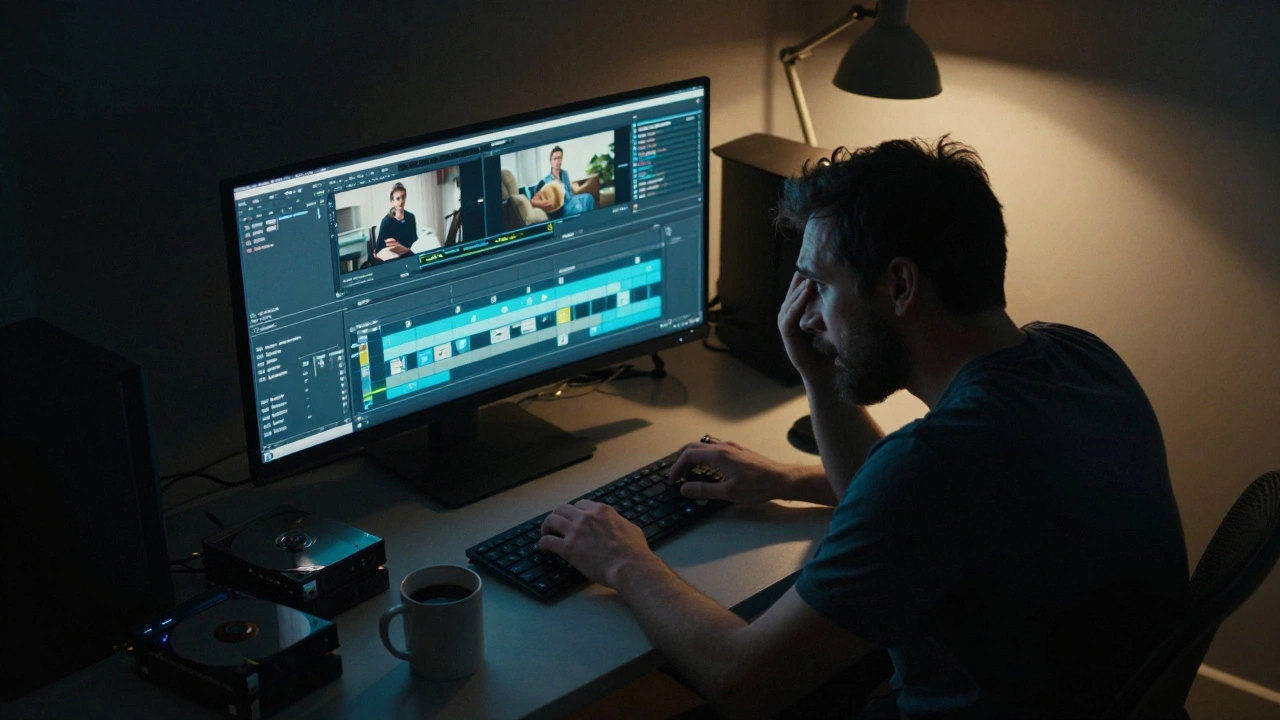
To make sense of this, we need to look at Film Aggregators is a service provider that acts as a bridge between independent filmmakers and digital storefronts or streaming platforms. Also known as Digital Distribution Services, these companies handle the technical and administrative heavy lifting required to place a film on services like Amazon Prime Video, Apple TV, and Google Play. Instead of you emailing twenty different platform managers, you send your files to one aggregator, and they push them out to the rest.
The Quick Summary: What You Need to Know
- Aggregators provide the technical pipeline to reach thousands of viewers without needing a direct contract with a platform.
- They handle "deliverables," which include closed captioning, subtitles, and specific file formats.
- Costs vary between flat fees and percentage-based revenue shares.
- They are essential for those without a major studio deal or a dedicated distribution team.
Why You Can't Just "Upload" to Apple TV
If you've ever tried to put a movie on a major VOD Platform is a Video On Demand service that allows users to rent or buy digital content, you probably noticed there is no "Upload Movie" button. These platforms have incredibly strict quality control standards. They aren't just checking if the video plays; they are checking for specific loudness standards (like LUFS), precise frame rates, and legally compliant metadata.
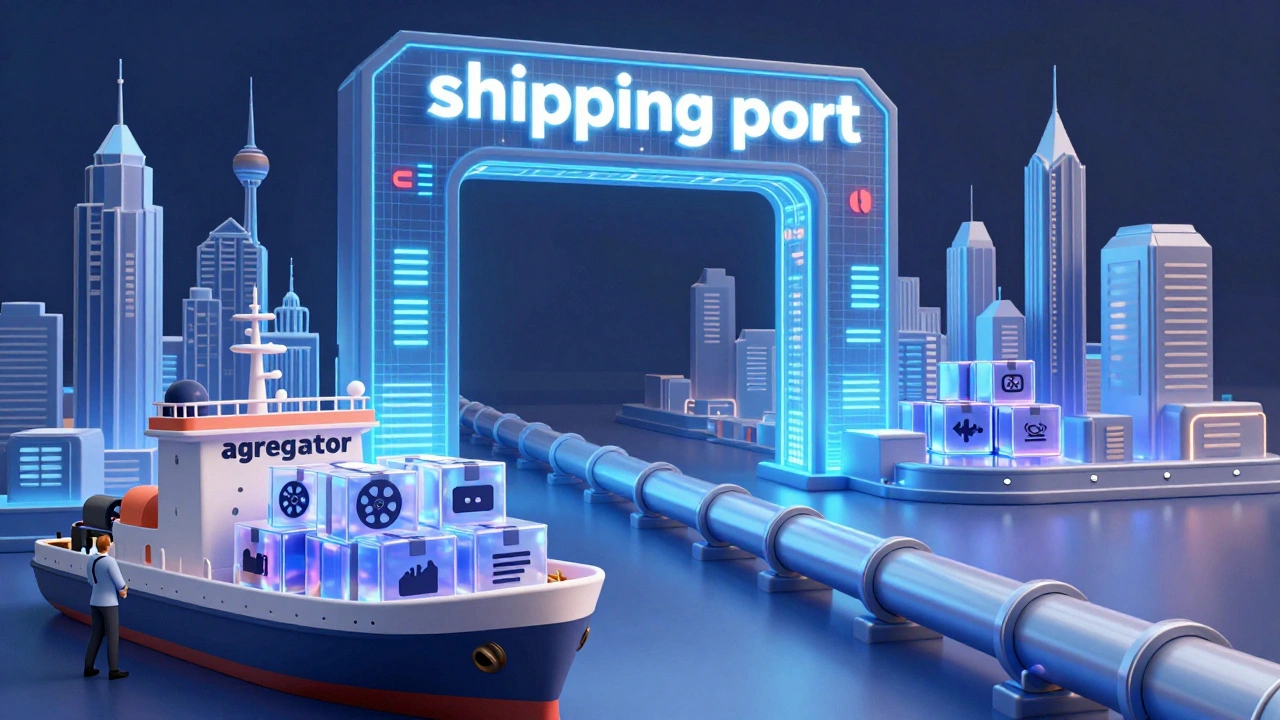
If your audio peaks too high or your subtitles are off by a fraction of a second, the platform will reject the file. For a giant like Apple or Amazon, managing thousands of individual indie filmmakers would be a logistical nightmare. They prefer to work with a handful of trusted aggregators who guarantee that every file meets the technical specifications. Think of it like a shipping port: the platform is the city, and the aggregator is the shipping company that ensures the cargo is packed correctly and has the right paperwork before it's allowed to dock.
How the Aggregator Process Actually Works
Once you sign a deal with an aggregator, the process follows a specific workflow. First, you provide the "Master" file. This is your highest quality export. Then comes the metadata-the boring but critical stuff. This includes your film's synopsis, cast lists, genre tags, and high-resolution poster art. If your poster is the wrong aspect ratio, it won't show up on the storefront, making your movie invisible to browsers.
The aggregator then handles the Digital Delivery is the process of transferring high-resolution video and audio files to a platform's servers using secure protocols. This often involves using specialized tools like Aspera or Signiant to move massive files without corruption. They also manage the "Rights Management" side, ensuring that your movie is only available in the countries where you actually own the distribution rights.
For example, if you have a deal with a local cinema in France, you might tell your aggregator to block the movie in France but keep it open in the US and UK. Managing these territorial restrictions manually across ten different platforms would be a full-time job.
Comparing Distribution Models: Flat Fee vs. Revenue Share
Not all aggregators operate the same way. Depending on your budget and your goals for indie distribution, you'll likely choose between two main pricing structures. Some treat it as a utility service, while others act more like a partner.
| Feature | Flat Fee Model | Revenue Share Model |
|---|---|---|
| Upfront Cost | High (e.g., $500 - $2,000) | Low or Zero |
| Commission | None or very low | 15% to 30% of earnings |
| Ownership | You keep all royalties | Split with aggregator |
| Best For... | Films with high expected sales | Experimental or niche projects |
If you have a built-in audience-maybe a huge social media following or a successful festival run-the flat fee is usually the smarter move. You pay for the pipeline and keep every cent that comes in. However, if you're a first-time filmmaker just wanting to say "my movie is on iTunes," a revenue-share model reduces your financial risk.
Common Pitfalls to Avoid When Choosing a Partner
The world of digital distribution is full of "vanity" services. Some aggregators promise to put your movie on "every platform in the world" but don't actually provide any marketing support. It's a common mistake to think that being *available* on a platform is the same as being *discovered*.
One major red flag is the "exclusive rights" clause. Be very careful if an aggregator asks for exclusive rights to your film for several years. This can prevent you from signing a better deal with a real Film Distributor is a company that markets and sells a film to theaters and streaming services in exchange for a percentage of the revenue if a bigger company suddenly becomes interested in your project after it wins an award.
Another trap is the "hidden fee" for subtitles. Some services look cheap upfront but charge $200 per language for the closed captioning (CC) files. Since most platforms require CC files for accessibility compliance, this can blow your budget quickly. Always ask for a full list of delivery requirements before signing the contract.
The Relationship Between Aggregators and SVOD/TVOD
To maximize your revenue, you need to understand where your movie lives. Aggregators can help you navigate different windows of release. There are two main types of digital platforms: TVOD is Transactional Video on Demand, where users pay per movie (e.g., renting a film on Apple TV) and SVOD is Subscription Video on Demand, where users pay a monthly fee for unlimited access (e.g., Netflix).
Most aggregators specialize in TVOD because it's an open system-if you pay the fee and the movie meets the specs, it goes up. SVOD is different. Getting on Netflix or Disney+ usually requires a curated deal. An aggregator can't just "upload" you to the Netflix homepage; that requires a separate negotiation or a specialized distribution agent who has a relationship with the platform's acquisitions team.
A common strategy is the "Windowing" approach: Start with a limited theatrical run, move to TVOD for 90 days to capture the high-intent buyers, and finally move to SVOD for a wider, more passive audience. Your aggregator is the tool that allows you to switch these settings and manage the timing of these releases.
Essential Checklist for Indie Filmmakers
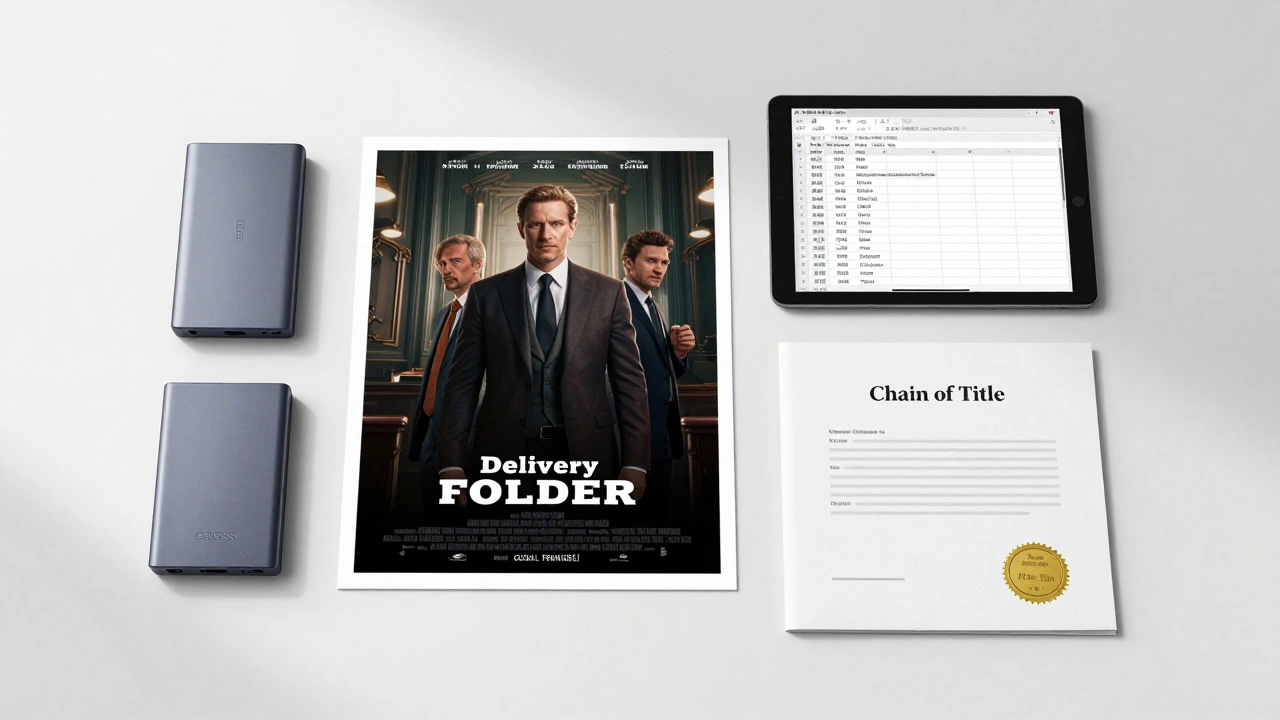
Before you reach out to a service, make sure you have your "Delivery Folder" ready. Having these items organized will make you look professional and potentially lower your setup costs.
- ProRes 422 HQ Master: The gold standard for digital delivery.
- SRT Files: Standardized subtitle files for English and any other languages.
- Key Art: A high-res poster (usually 4k) and a set of thumbnails for different screen sizes.
- Metadata Sheet: A document with the exact spelling of all cast/crew names, a 50-word short synopsis, and a 200-word long synopsis.
- Legal Chain of Title: Proof that you own the music licenses, actor releases, and script rights. Aggregators will not touch a film that has uncleared music.
Do I need an aggregator to get my movie on YouTube or Vimeo?
No. YouTube and Vimeo are open platforms. You can create an account and upload your video directly. However, if you want to sell your movie through the "YouTube Movies & TV" storefront (where people pay to rent it), you typically need an aggregator to handle the transactional side of the business.
How long does it take for a movie to go live after the aggregator gets it?
It varies, but typically expect 4 to 8 weeks. The aggregator needs to check your files, and then each platform (Apple, Google, Amazon) has its own internal review process. If you have a specific release date for a marketing campaign, tell your aggregator at least two months in advance.
Can I switch aggregators if I'm unhappy with the current one?
Yes, but it depends on your contract. You'll need to ensure the current aggregator "releases" the rights and removes the content from the platforms so the new one can take over. Check your contract for the "Termination Clause" and the notice period (usually 30-90 days).
Will the aggregator market my movie?
Generally, no. Most aggregators provide the technical pipe, not the marketing. They get you *onto* the platform, but getting people to actually *click* the play button is your responsibility. Some premium packages offer "featured" placements, but these are expensive and rarely guarantee a hit.
What happens if my movie gets rejected by a platform?
The aggregator will send you a "Rejection Note" specifying the error. This is usually something technical, like a frame rate mismatch or an audio level issue. You'll need to fix the file in your editing software and re-upload it. A good aggregator will tell you exactly what to change rather than just saying "it failed."
Next Steps: Moving Toward Your Premiere
If you're just starting your distribution journey, your first move should be to audit your legal paperwork. Ensure every single song in your film is licensed for "all media, perpetuity, and worldwide." Without this, no aggregator will risk their relationship with the platforms by hosting your work.
Once the legal side is clean, shortlist three aggregators. Ask for their current commission rates and their average turnaround time for Apple TV. If you're a small-budget filmmaker, look for those with low entry fees. If you've got a hit on your hands from a festival like Sundance or SXSW, skip the budget options and look for a full-service distribution partner who can handle the prestige of a major rollout.





Comments(6)