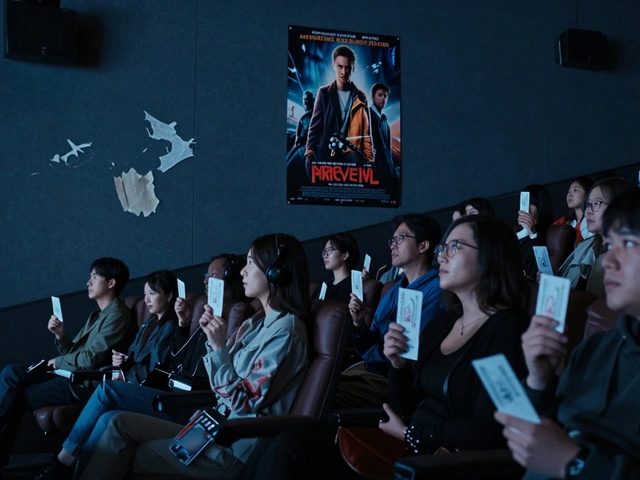
You walk into the crowded lobby of a mid-sized indie film festival. The air smells like stale coffee and expensive perfume. You’re holding a tote bag that says Festival Swag is the collection of branded promotional items given to attendees, filmmakers, and industry professionals at film events. It’s not just a bag; it’s a walking billboard. Inside, you’ve got a sticker, a pen, maybe a limited-edition poster. Most people toss this stuff in a drawer. But for a filmmaker trying to get noticed, that swag is the difference between being remembered and being forgotten.
We need to talk about why those cheap plastic pins and canvas bags actually matter. In the world of Indie Film Marketing relies on low-cost, high-impact strategies to build audience engagement and secure distribution deals, every touchpoint counts. You aren’t just handing out freebies; you are engineering memory triggers. When a producer from a major studio sees your logo on a coffee mug three weeks after your screening, that’s when the phone call happens.
The Psychology of Physical Tokens
Why do we keep some junk and throw away other junk? It comes down to utility and ego. If you hand someone a flyer, they see it as information. They read it, they file it mentally, and then they discard it. It’s transient. But if you hand them a high-quality enamel pin or a useful notebook, you trigger the reciprocity principle. They feel obligated to acknowledge you. More importantly, they value the object because it has physical weight.
Think about the last time you wore a t-shirt from a conference. Did you wear it because you loved the fabric? Probably not. You wore it because it signaled belonging. It said, "I was there. I am part of this tribe." For Film Festivals serve as competitive marketplaces where independent films vie for attention from distributors, critics, and audiences, this tribal signaling is currency. Your swag turns passive attendees into active ambassadors. When they wear your merch, they are advertising your film to everyone around them without saying a word.
The key here is quality over quantity. A flimsy paper fan that falls apart in five minutes sends a message that your production values are low. A sturdy, well-designed item suggests that you care about details. This perception bleeds into how people view your actual film. If the merch looks professional, they assume the movie does too.
Strategic Merchandise for Different Goals
Not all swag serves the same purpose. You need to align your promotional items with your specific goals at the festival. Are you trying to network with distributors? Are you building a fanbase? Or are you just trying to survive on caffeine?
| Item Type | Primary Goal | Target Audience | Cost Efficiency |
|---|---|---|---|
| Enamel Pins | Brand Visibility | Attendees & Fans | High (Low cost) |
| Tote Bags | Utility & Advertising | General Public | Medium |
| Business Cards | Networking | Distributors & Press | Very High |
| Limited Posters | Collectibility | Superfans | Low (High perceived value) |
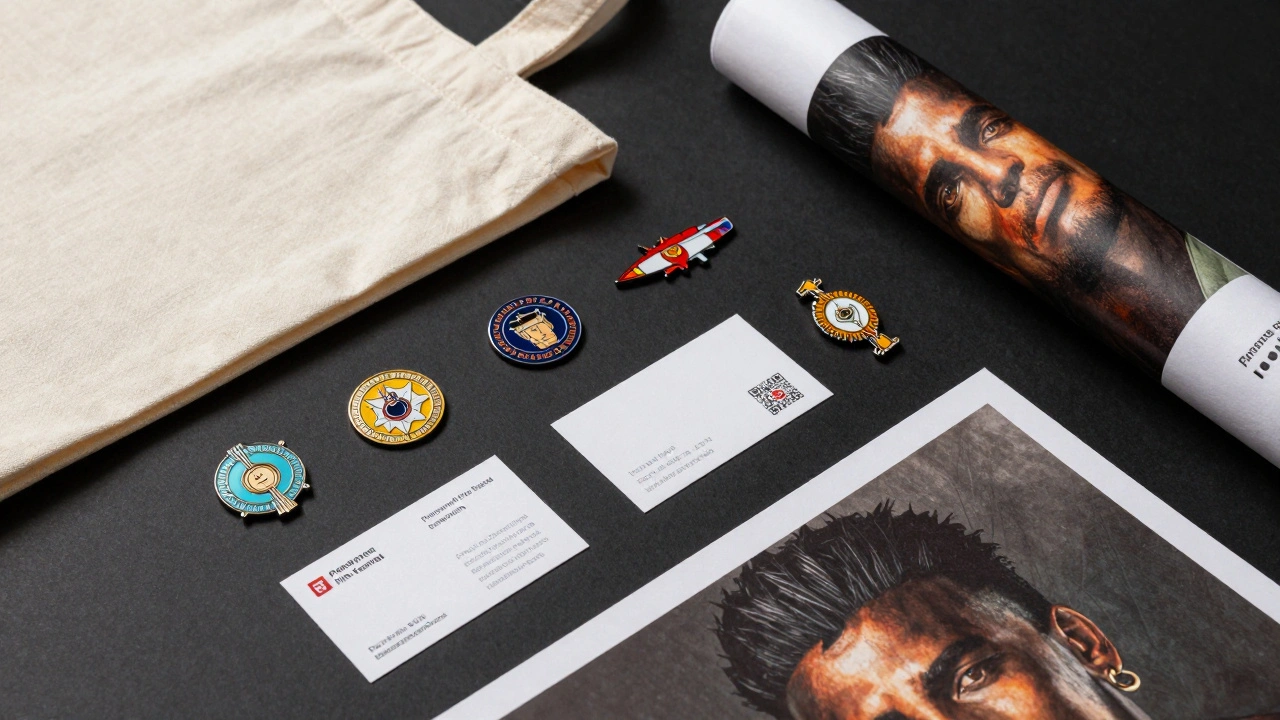
Enamel Pins have become a popular form of wearable art that allows fans to display their support for films and creators on jackets and bags. They are small, durable, and highly visible. People love collecting them. If you design a pin based on a unique symbol from your film, you create a conversation starter. Someone will ask, "What’s that pin from?" That’s your opening line.
Tote bags are the workhorses of festival swag. Everyone needs to carry things-programs, water bottles, snacks. If your bag is strong enough to hold a laptop, people will use it long after the festival ends. This gives you months of exposure in cities far beyond the festival location. Just make sure the print doesn’t crack after one wash. Nothing kills credibility faster than peeling ink.
For serious networking, nothing beats a clever business card. But don’t just print your name and email. Add a QR code that links directly to your press kit or trailer. Make it easy for busy executives to access your content immediately. QR Codes enable instant digital access to film trailers, press kits, and contact information via smartphone scanning. This bridges the gap between physical interaction and digital convenience.
Design Principles That Stand Out
Your merchandise is an extension of your film’s visual identity. It shouldn’t look like an afterthought. Many filmmakers make the mistake of slapping their logo on a generic template. This screams "budget-conscious" in a bad way. Instead, integrate elements from your film’s aesthetic. Use the color palette. Borrow typography styles. Create a cohesive look that feels premium.
Consider the concept of scarcity. Limited edition items create urgency. If you only have fifty signed posters, people will fight to get one. They’ll remember the effort it took to obtain it. This psychological trigger increases the perceived value of the item and, by extension, your film. Scarcity also encourages immediate action. People won’t wait until the end of the day to grab something if they think it might sell out.
Also, think about sustainability. Modern audiences, especially younger demographics, care about environmental impact. Using recycled materials or eco-friendly inks can be a selling point in itself. It shows you are aware of current cultural conversations. Plus, it often results in higher-quality materials that feel better to touch. Texture matters. People gravitate toward things that feel substantial.
The Networking Multiplier Effect
Swag isn’t just about the person you hand it to. It’s about the people who see them wearing it. This is the multiplier effect. One attendee wears your hat to the after-party. Five people notice it. Two of them ask about the film. One of them writes a blog post about it. Suddenly, your $2 hat has generated organic press coverage.
This works best when the item is inherently social. Stickers are great for this. People put stickers on laptops, water bottles, and camera cases. These are items that are constantly in front of other people’s eyes. A sticker on a filmmaker’s laptop is seen by every collaborator they work with. It’s passive advertising that runs 24/7.
Don’t underestimate the power of humor. Funny slogans or ironic designs tend to spread faster. People share things that make them laugh or look smart. If your merch makes someone smile, they’re more likely to engage with it. It breaks the ice. In a room full of stressed-out filmmakers, a little levity goes a long way.
Budgeting for Impact
You don’t need a huge budget to make an impact. In fact, spending too much can backfire if you run out of stock early. Focus on a few high-quality items rather than many cheap ones. Allocate 10-15% of your festival marketing budget to merchandise. This ensures you have enough to cover screenings, Q&As, and networking events without breaking the bank.
Order early. Production lead times can be longer than you expect, especially during peak festival season. Rush fees are expensive and unnecessary if you plan ahead. Start designing your merch at least two months before the festival. This gives you time to order samples, check quality, and make adjustments if needed.
Track what works. Pay attention to which items disappear fastest. Which ones do people ask about most? Use this data to refine your strategy for future festivals. Maybe pins are your hit, but tote bags sit untouched. Next year, double down on pins and cut the bags. Data-driven decisions beat guesswork every time.
Avoiding Common Pitfalls
One big mistake is giving away swag indiscriminately. Don’t hand it to everyone who walks by. Reserve your best items for meaningful interactions. Give the premium poster to the distributor who asks insightful questions. Save the standard sticker for casual acquaintances. This creates a hierarchy of value and rewards genuine interest.
Another pitfall is ignoring copyright. Make sure your designs don’t infringe on existing trademarks. This is especially important if you’re using fonts or imagery that might be similar to other brands. Legal issues can derail your festival experience quickly. Always clear your designs with your legal team or use original artwork.
Finally, don’t forget to promote your swag online. Take photos of your merchandise and share them on social media before the festival. Build anticipation. Tell people what they can win or collect. This drives traffic to your booth and creates a buzz even before you arrive. Social proof matters. If people see others excited about your merch, they’ll want it too.
How much should I spend on festival merchandise?
Aim to allocate 10-15% of your total festival marketing budget to merchandise. For most indie filmmakers, this means spending between $200 and $500 depending on the scale of the event. Focus on quality over quantity to maximize impact per dollar spent.
What is the best type of swag for networking?
Business cards with QR codes are essential for direct networking. However, enamel pins and tote bags are excellent for broader visibility. Pins spark conversations, while tote bags provide long-term advertising value as attendees reuse them.
When should I start ordering my festival merch?
Start the design and ordering process at least two months before the festival. This allows time for production, shipping, and quality checks. Avoid rush orders unless absolutely necessary, as they increase costs and risk errors.
Can cheap merchandise hurt my film's reputation?
Yes, low-quality items can signal poor production values. Flimsy materials or peeling prints suggest a lack of attention to detail. Invest in durable, well-designed items that reflect the professionalism of your film.
How do I track the effectiveness of my swag?
Monitor which items distribute fastest and gather feedback from attendees. Use unique QR codes on different items to track digital engagement. Observe conversations sparked by your merchandise and adjust future orders based on these insights.