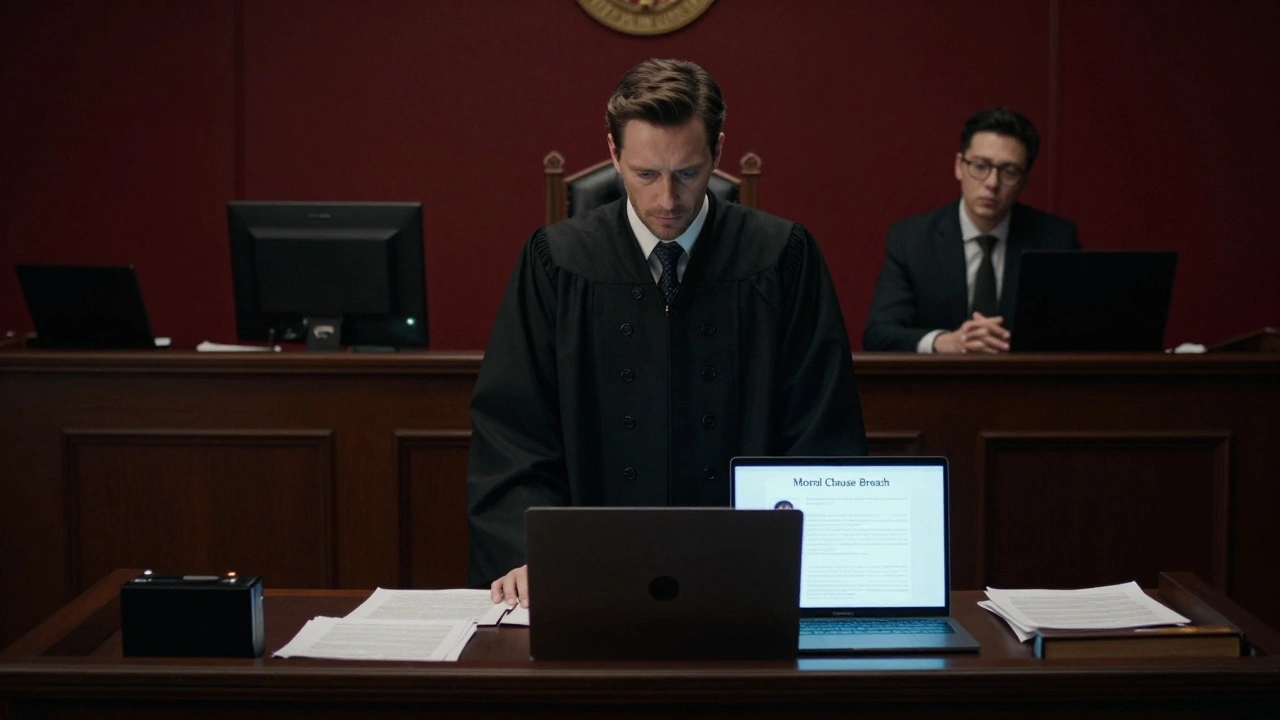
When a big-name actor signs on for a movie, it’s not just about the paycheck. Behind the glamour of red carpets and press junkets lies a legal framework that can make or break a film’s success-and sometimes, the actor’s career. The contract isn’t just a piece of paper. It’s a tightly wound machine of obligations, protections, and consequences. Three clauses in particular dominate modern film deals: moral clauses, exclusivity agreements, and promotional obligations. These aren’t just legal jargon. They’re real, enforceable terms that studios use to protect their investment, and actors use to define their boundaries.
Moral Clauses: When Behavior Becomes a Breach
Moral clauses aren’t new, but they’ve become sharper, more specific, and harder to ignore. A typical moral clause says something like: "The Talent shall not engage in any conduct that brings them into public disrepute, contempt, scandal, or ridicule, which may materially affect the production or its commercial viability."
That sounds vague, right? It is-but studios have learned to make it concrete. In recent years, clauses have been updated to include social media behavior, public statements on political issues, and even associations with controversial figures. For example, in 2023, a major studio dropped a lead actor from a $40 million franchise after a live-streamed outburst during a public event went viral. The contract didn’t say "no yelling"-it said "no conduct that damages the brand." The studio invoked the clause, and the actor was legally obligated to return their advance.
Actors’ teams now push back hard. They negotiate limits: "No clause applies to political speech," or "Only conduct resulting in a criminal conviction qualifies." Some contracts now include a 30-day cure period: if the actor issues a public apology and completes counseling, the breach can be fixed. It’s not about judging character-it’s about protecting the bottom line. Studios invest hundreds of millions in marketing campaigns built around a star’s image. If that image cracks, the whole campaign can collapse.
Exclusivity Agreements: No Other Projects, No Exceptions
Exclusivity clauses are the quiet giants of film contracts. They don’t make headlines like moral clauses, but they control how often an actor works-and who they work for. A standard exclusivity clause might say: "During the term of this agreement and for 12 months following principal photography, the Talent shall not accept any other role in a motion picture, television series, or streaming project exceeding 20 days of shooting."
This isn’t about preventing actors from working. It’s about ensuring the studio has the actor’s full attention. Imagine a movie that takes six months to shoot. If the actor jumps to another project halfway through, the studio loses control. Delays cost millions. A single day of reshoots can add $2 million to the budget.
Top-tier stars often negotiate carve-outs. A-listers like Margot Robbie or John David Washington have contracts that allow them to do one theater play per year, or appear in a short film under 15 minutes. Some even get permission to produce their own projects, as long as they don’t appear in them. The key is duration and scope. A two-year exclusivity window? That’s rare and usually only for franchise leads. A six-month window? That’s standard for mid-budget films.
Streaming platforms have changed the game. Unlike traditional studios, platforms like Netflix and Amazon often require exclusivity for 18-24 months across all their content. That means if you sign with them, you can’t appear in a competing streamer’s show-even if it’s a tiny role. For actors, this means choosing between prestige and flexibility. For studios, it means locking in talent for long-term content pipelines.
Promotional Obligations: The Hidden Workload
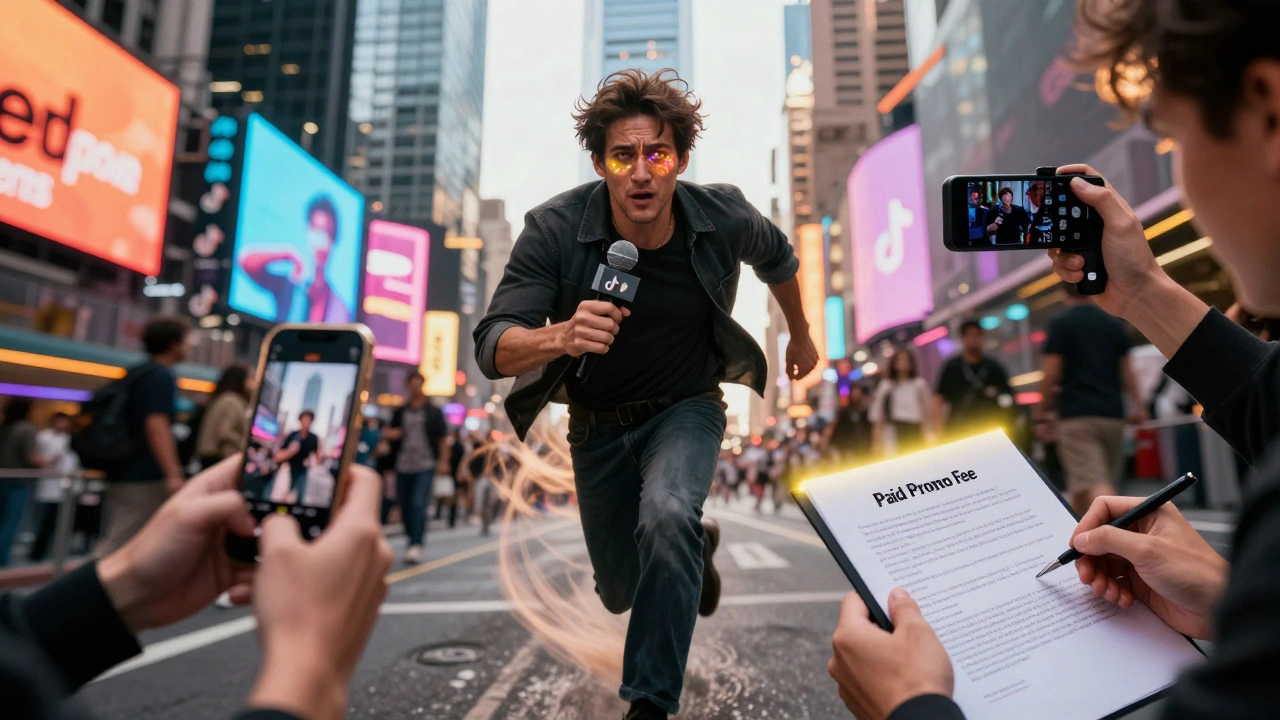
Most people think actors get paid to act. But for many, the real work starts after filming ends. Promotional obligations are often buried in the fine print: "The Talent shall participate in up to 12 promotional events, including press junkets, interviews, social media posts, and red carpet appearances, as reasonably scheduled by the Studio."
That sounds reasonable. But in practice, it’s a full-time job. In 2024, a lead actor in a major Marvel film reported logging 217 hours of promotional work over 11 weeks-equivalent to five full workweeks. That’s on top of the 12-hour days on set. Studios now demand daily Instagram stories, TikTok challenges, and YouTube Q&As. Some even require actors to appear in branded ads for the studio’s other products.
Actors push back. The Screen Actors Guild (SAG-AFTRA) now recommends that promotional obligations be capped at 100 hours per project. But studios ignore it. Why? Because they’ve seen the numbers. A single viral TikTok from a lead actor can boost ticket sales by 18%. A well-timed interview with a late-night host can lift opening weekend revenue by 12%. The ROI is real.
That’s why contracts now specify compensation for extra promo work. If you’re asked to do more than 12 events, you get paid per hour. If you’re asked to appear in a commercial for the studio’s streaming app? That’s a separate fee. Some actors have turned this into a second income stream-negotiating paid endorsements tied to their film’s release.
How These Clauses Interact
These three clauses don’t exist in isolation. They feed into each other. A moral clause violation can void an exclusivity agreement. If an actor is dropped for bad behavior, they’re no longer bound from working with competitors. A studio might also cancel all promotional obligations if they feel the actor’s public image is too damaged to help.
Conversely, strong promotional performance can soften exclusivity terms. If an actor delivers a breakout performance and drives record-breaking box office numbers, studios sometimes waive the 12-month exclusivity window early. It’s a trade-off: deliver results, and you earn more freedom.
And here’s the twist: actors are now using these clauses as leverage. A well-known actor might say, "I’ll sign the exclusivity clause-but only if you agree to a 48-hour notice before scheduling any promo events." Or, "I’ll accept the moral clause, but you must provide legal support if I’m targeted by online harassment."
It’s no longer a one-way contract. It’s a negotiation where both sides have something to lose-and something to gain.
What Happens When Clauses Are Broken?
Breaking a contract clause isn’t like missing a deadline. It’s a legal earthquake. Studios can sue for damages. They can demand repayment of advances. They can block future projects by reporting the breach to industry databases like IMDbPro and the Writers Guild.
But lawsuits are rare. Most disputes are settled quietly. Studios prefer to avoid bad PR. Actors prefer to avoid blacklisting. So instead of court, you get mediation. A neutral third party reviews the evidence. Was the behavior really damaging? Did the studio give enough warning? Was the promo request unreasonable?
Some studios now include arbitration clauses-requiring disputes to be settled privately, not in public court. That keeps things quiet. But it also means actors have less public recourse. If you’re forced into arbitration, you’re not just fighting a studio-you’re fighting a system designed to protect them.
What Actors Should Watch For
- Watch the definition of "public disrepute." Is it vague? Push for specific examples (e.g., criminal conviction, verified hate speech).
- Check the exclusivity window. Is it tied to "principal photography" or "release date"? The latter can extend your lock-up by over a year.
- Count the promo events. If the contract says "up to 12," ask for a written schedule before signing. Don’t assume it’s flexible.
- Get paid for extras. Every additional interview, social post, or appearance should have a clear fee attached.
- Include a cure period. If you make a mistake, give yourself a chance to fix it before the studio pulls the plug.
What Studios Are Doing Differently in 2026
Studios are moving away from one-size-fits-all contracts. The era of the same boilerplate clause for every actor is over. Now, contracts are customized by star power, genre, and platform.
For indie films? Minimal exclusivity. No moral clauses. Maybe just a 30-day promo window.
For a Netflix superhero series? 24-month exclusivity. Three mandatory global promo tours. A moral clause that covers everything from Instagram comments to podcast appearances.
And here’s the new trend: some studios are offering "moral clause buyouts." Pay an extra 5-10% of your fee upfront, and the clause is voided. It’s not common-but it’s growing. For actors who value creative freedom over cash, it’s a smart move.
Final Take
Star contracts aren’t about fame. They’re about control. Studios want predictability. Actors want autonomy. The clauses we’re talking about are the battleground. The smartest actors don’t just sign the contract-they rewrite it. They know that the real power isn’t in the paycheck. It’s in the fine print.
Can a studio force an actor to do promotional work they’re uncomfortable with?
Yes-if the contract includes a promotional obligation clause. But actors can negotiate limits: number of events, types of appearances, and compensation for extra work. Studios can’t force someone to endorse a product they oppose, but they can require appearances tied to the film’s release. Refusing without a negotiated exception can lead to breach claims.
Do moral clauses apply to private behavior?
Only if the behavior becomes public. Moral clauses target public perception, not private life. However, if private behavior leaks-through social media, leaks, or lawsuits-it can trigger the clause. Studios don’t care if you had a private argument. They care if it trends on Twitter.
How long do exclusivity clauses usually last?
For major studio films, exclusivity typically lasts 12 months after principal photography ends. For streaming projects, it’s often 18-24 months. Some contracts tie it to the release date instead, which can extend the restriction by up to a year longer. Actors should always confirm whether the clock starts after filming or after the movie hits theaters or streaming platforms.
Can an actor be fired for a social media post?
Absolutely-if the contract includes a broad moral clause and the post is deemed damaging. In 2023, an actor was removed from a major film after posting a meme that mocked the studio’s CEO. The studio argued it harmed brand integrity. The actor lost their advance and was barred from future projects with that studio. The key is how the clause is worded: "public disrepute" is enough. No conviction needed.
Are promotional obligations legally enforceable?
Yes. Courts have upheld promotional obligations as valid contractual terms, especially when tied to compensation. If an actor refuses to participate in agreed-upon events, the studio can sue for lost marketing value. But they must prove the refusal caused measurable financial harm. Many cases settle out of court because proving exact losses is difficult.




Comments(6)