Imagine this: You have a script that keeps you up at night. It’s raw, it’s personal, and you know it could be something special. But you’re stuck in the 'development hell' loop-no budget, no mentor, and no clear path to production. This is where festival residency programs change the game. These aren’t just networking events; they are intensive creative laboratories designed to take a filmmaker from idea to viable project with the support of industry veterans.
If you’ve ever wondered how debut directors like Barry Jenkins or Chloé Zhao got their foot in the door, look no further than these structured incubators. They offer money, mentorship, and crucially, time away from the daily grind to focus entirely on craft. But applying blindly won’t cut it. You need to understand how these labs work, what they expect, and which one fits your specific stage of development. Let’s break down the landscape of film festivals’ most valuable hidden resources.
What Exactly Is a Festival Residency?
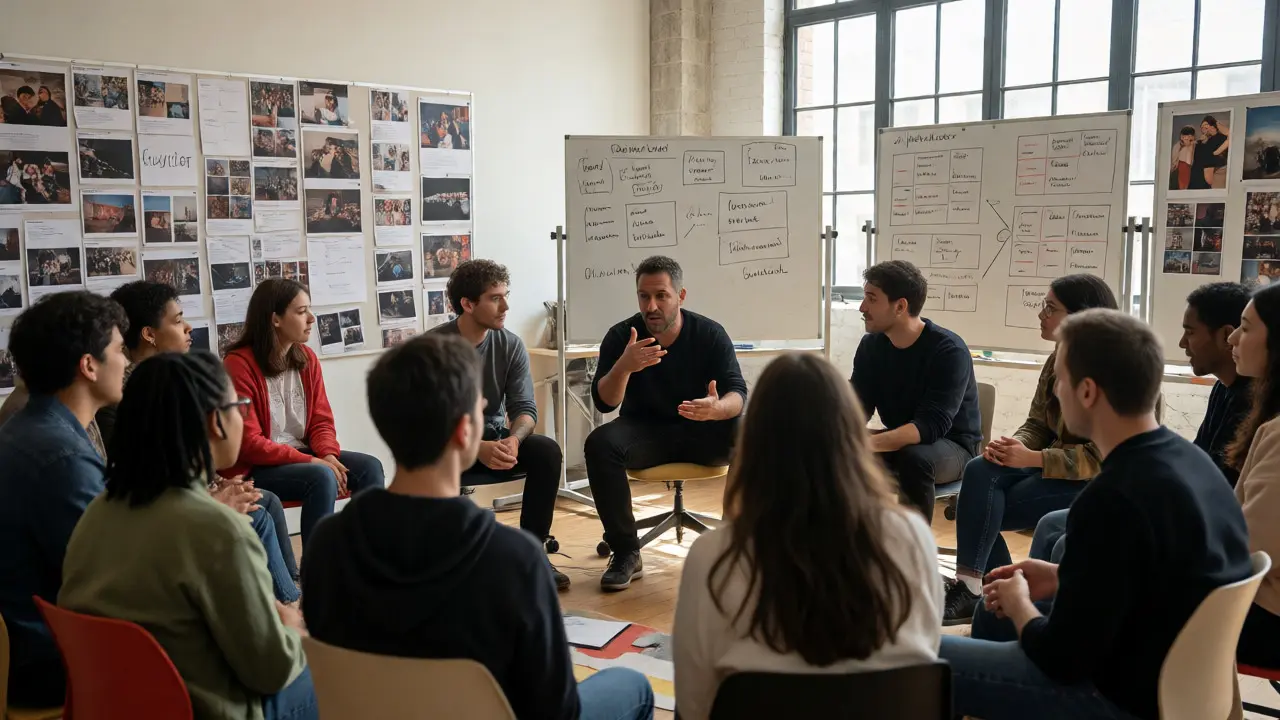
A festival residency is a short-term, immersive program hosted by major film festivals or affiliated institutes. Unlike a standard workshop where you might attend a few panels, a residency locks you into a community for weeks or months. The goal? To finish a script, secure financing, or complete a rough cut.
These programs usually fall into three categories:
- Development Labs: Focused on scripts and pitching. Examples include the Sundance Screenwriters Lab.
- Production Grants: Cash awards tied to specific milestones, often requiring you to shoot during the residency period.
- Post-Production Support: For films already shot but needing finishing funds or color grading assistance, like those offered at Cannes Cinéfondation.
The core value isn’t just the cash prize (though that helps). It’s the access. You’re sitting in a room with producers who have greenlit hits. You’re getting notes from editors who shaped award-winning films. That proximity compresses years of learning into a few intense weeks.
The Big Players: Where Should You Apply?
Not all residencies are created equal. Some are fiercely competitive, others niche. Here’s a quick look at the heavy hitters dominating the scene in 2026.
| Festival/Program | Focus Area | Typical Duration | Key Benefit |
|---|---|---|---|
| Sundance Institute | Script Development & Editing | 1-2 Weeks | Direct mentorship from top-tier directors and writers. |
| Berlinale Talents | Professional Networking | 7 Days | Global peer network and market access in Berlin. |
| Cannes Cinéfondation | Short Films & First Features | 4 Months | Paris-based residency with production facilities. |
| Rotterdam Lab | Experimental & Art House | Variable | Funding for unconventional narratives. |
Sundance remains the gold standard for narrative features in the US. If you’re writing an intimate character study, start here. On the other hand, if your work is visually experimental or leans toward European art-house sensibilities, Rotterdam or Cannes might align better with your aesthetic. Don’t waste energy applying to a lab that doesn’t speak your language.
How to Stand Out in a Sea of Applications
Thousands apply. Hundreds get rejected. Why? Often, it’s not because the talent isn’t there-it’s because the application fails to communicate vision clearly. Selection committees aren’t looking for perfection; they’re looking for potential and clarity.
First, nail your logline. If you can’t explain your story in two sentences, you don’t understand it well enough yet. Second, show your previous work. Even if it’s a short film shot on an iPhone, it proves you can execute. A polished trailer or a high-quality excerpt matters more than a lengthy bio.
Third, tailor your pitch. Sending the same generic essay to Sundance and Locarno is a mistake. Research the mentors. If a known producer who loves gritty realism is judging, highlight the grounded nature of your characters. Show them you’ve done your homework. Personalize the connection between your voice and their expertise.
The Hidden Costs and Realities
Let’s talk about the elephant in the room: money. Most prestigious residencies cover travel and accommodation, but not always. And even when they do, living costs can pile up. You’re leaving your day job or delaying freelance gigs for weeks. Can you afford to be unpaid for that long?
Also, consider the emotional toll. These environments are high-pressure. You’ll receive harsh, constructive criticism from people whose opinions you respect. It stings. You might rewrite your entire third act overnight. Are you resilient enough to handle that? Many filmmakers quit mid-residency because they couldn’t detach their ego from the work. Learn to separate your identity from your draft.
Another reality check: acceptance doesn’t guarantee distribution. You might finish your film at a residency and still struggle to find a buyer. Treat the residency as a tool to make the best possible film, not a magic ticket to fame. The network you build, however, is often more valuable than the grant itself. That producer you met over coffee might become your executive producer five years later.
Preparing Your Project Before You Apply
You shouldn’t apply with a vague idea. You need a solid foundation. Here’s a checklist to ensure you’re ready:
- Polished Script: Have at least three drafts done. Get feedback from trusted peers before submitting.
- Visual Reference: Create a mood board or a sizzle reel. Show them what the film will look and feel like.
- Budget Estimate: Know your numbers. Even a rough range shows professionalism.
- Casting Ideas: Do you have actors in mind? Mentioning realistic casting choices adds credibility.
Don’t skip the visual reference. In a text-heavy application, images stick. If you’re doing a documentary, include a teaser clip. If it’s fiction, share concept art or location photos. Help the committee see your world before they read every line of dialogue.
After the Residency: Leveraging the Momentum
The residency ends. Now what? This is where many filmmakers lose steam. You must immediately capitalize on the connections made. Send follow-up emails within 48 hours. Keep them brief and grateful. Remind them of a specific conversation you had.
Use the buzz. Announce your selection on social media. Tag the festival. Update your IMDb page. Start sending your updated script to agents and managers who might have been interested before but needed validation. The label "Sundance Fellow" or "Berlinale Talent" carries weight. Use it strategically.
Finally, keep creating. Don’t wait for the next big grant to write again. Start your next project while this one is in post-production. Momentum is fragile. Maintain it by staying active in the community, attending smaller local screenings, and continuing to refine your craft independently.
Do I need a produced film to apply for a residency?
No, but you usually need proof of capability. A strong short film, a thesis project, or a compelling sample reel is typically required. They want to see that you can tell a story visually, not just write good dialogue.
Are these programs only for US citizens?
Most major international festivals like Cannes, Berlin, and Toronto accept global applicants. However, some national grants or specific labs may have citizenship requirements. Always check the eligibility criteria carefully.
How much funding do I actually get?
It varies wildly. Some offer $5,000-$10,000 stipends, while others provide full production budgets ranging from $50,000 to $150,000. Many cover travel and lodging, which significantly reduces your out-of-pocket expenses.
Can I submit multiple projects to different labs?
Generally, yes, unless specified otherwise. However, submitting the same project to too many places simultaneously can raise questions about commitment. It’s better to target 3-5 labs that genuinely fit your genre and style.
What happens if my project changes during the residency?
That’s the point! Residencies encourage evolution. If your script improves dramatically, great. If it gets worse, the mentors will help you course-correct. Flexibility is a key trait they look for.