You just finished scoring a low-budget indie film. The director loves it, the premiere was a hit, and you’re feeling pretty good about your career trajectory. Then six months pass, and your bank account looks exactly the same as it did before the project started. You check with the producer, who shrugs and says, "I thought the cue sheet was filed." But was it? And even if it was, did anyone actually process it?
This is the silent killer of many film music careers. Creating the score is only half the battle; ensuring that score gets registered correctly so you can collect your money is the other half. Most composers are artists first and paperwork-averse second, but in the world of music royalties, ignorance isn’t bliss-it’s bankruptcy. If you don’t understand how cue sheets work, you are essentially leaving checks on the table for someone else to cash.
What Is a Cue Sheet and Why Does It Matter?
Think of a cue sheet as the birth certificate for every piece of music used in a production. It’s a detailed log that tells performing rights organizations (PROs) like ASCAP, BMI, or SESAC exactly what music played, when it played, for how long, and who wrote it. Without this document, broadcasters and streaming platforms have no way to report usage data back to the PROs, meaning no performance royalties are generated for you.
It’s not just about the main theme. Every single musical moment counts. A five-second sting at the end of a scene? That needs to be logged. A background track playing under dialogue for three minutes? Logged. Even if you reused a previous composition from your library, it needs its own entry on the cue sheet for that specific production. The precision here matters because royalty calculations are often based on duration and prominence. If you list a track as "background" when it was actually a featured solo, you might be underreporting your value.
| Field Name | What Goes Here | Why It Matters |
|---|---|---|
| Cue Title | The actual name of the song or score segment | Must match the title registered with your PRO |
| Type of Use | Background, Featured, Theme, Opening, Closing | Determines royalty weight; Featured pays more than Background |
| Duration | Total time the music plays (e.g., 01:35) | Royalties are often calculated per minute or second |
| Writer(s) | Full legal names of all composers/lyricists | Ensures correct split distribution among collaborators |
| Publisher(s) | Company handling rights (or self-published) | Publisher share goes to the entity managing the copyright |
The Two Types of Money: Sync vs. Performance
To get paid properly, you need to distinguish between two distinct revenue streams that confuse many newcomers: sync fees and performance royalties. They come from different places, arrive at different times, and require different actions on your part.
A sync fee is an upfront payment made by the production company for the right to synchronize your music with visual media. This is negotiated during the contract phase. It’s a one-time lump sum (usually) that puts money in your pocket immediately. Whether you charge $500 or $50,000 depends on the budget, the usage type, and your leverage. Once that check clears, the deal for the sync license is technically done.
Performance royalties, however, are ongoing. These are collected by PROs whenever your music is broadcast on TV, streamed online, played in theaters, or aired on radio. This is where the cue sheet comes into play. The production company files the cue sheet with their PRO, which then distributes money to writers and publishers based on viewership data. If you forget to file the cue sheet, you lose these recurring payments forever. There is no retroactive fix for missed filings in most cases.
Your Role vs. The Producer’s Responsibility
Who actually fills out the cue sheet? Legally, the responsibility usually falls on the production company or the broadcaster. However, relying on them is a rookie mistake. Producers are busy people focused on delivery dates and budgets. They often view cue sheets as bureaucratic red tape rather than a critical financial tool.
As a composer, you should take ownership of this process. Here’s a practical workflow that has saved me more headaches than any fancy DAW plugin:
- Create a Draft Early: Don’t wait until post-production wraps. Start drafting your cue sheet while you’re still composing. Note down timestamps and durations as you finalize each track.
- Verify Titles: Ensure every track name matches exactly what you registered with your PRO. If you registered "Sunset Drive" but label it "Evening Cruise" on the cue sheet, the system won’t recognize it.
- Share with the Producer: Send your draft to the producer early. Ask them to review it for accuracy regarding final edit lengths. Music timing changes during editing, so your initial 2:00 track might become a 1:45 cut.
- Get Sign-off: Before the show airs or releases, get written confirmation that the final cue sheet has been submitted. An email saying "Submitted to BMI on Oct 12" is your safety net.

Common Pitfalls That Kill Your Paycheck
Even experienced composers mess this up. Here are the most frequent errors I’ve seen in Asheville studios and Hollywood boardrooms alike:
- Mismatched Writer Splits: If you co-wrote a track with another musician, make sure the percentage splits on the cue sheet match your internal agreement. If you agreed to a 50/50 split but the cue sheet lists you at 70% and them at 30%, they will dispute it later, holding up payments for everyone.
- Forgetting Self-Publishing: If you don’t have a publisher, you are your own publisher. List yourself as both writer and publisher. Many composers leave the publisher field blank, assuming it defaults to the writer. It doesn’t. You miss out on the publisher’s share of royalties, which is typically 50% of the total pool.
- Incorrect Type of Use: Labeling a prominent melody as "Background" instead of "Featured" can significantly reduce your payout. Broadcasters pay higher rates for featured music because it drives engagement. Be honest but strategic about how you categorize your cues.
- Ignoring Library Music: If you use stock tracks alongside your original score, those need to be listed too. The library owner needs to get paid, and you need to ensure you didn’t accidentally double-dip or miss reporting a licensed track.
Navigating International Royalties
If your film screens outside the United States, things get trickier. Different countries have different collection societies. For example, if your documentary airs on BBC in the UK, PRS for Music handles the royalties. If it plays on France Télévisions, SACEM takes over.
The good news is that PROs have reciprocal agreements. When you register your works with ASCAP or BMI, they automatically notify international societies. However, this only works if your cue sheet data is accurate. If your name is spelled differently in the US database versus the European one, the systems won’t talk to each other. Always use your full legal name consistently across all platforms. Avoid nicknames unless they are officially registered aliases.
Also, keep in mind that some territories require separate registrations. While less common now due to digital globalization, certain markets may demand local registration forms. Check with your PRO’s international department if you land a major foreign distribution deal.
Tech Tools to Streamline the Process
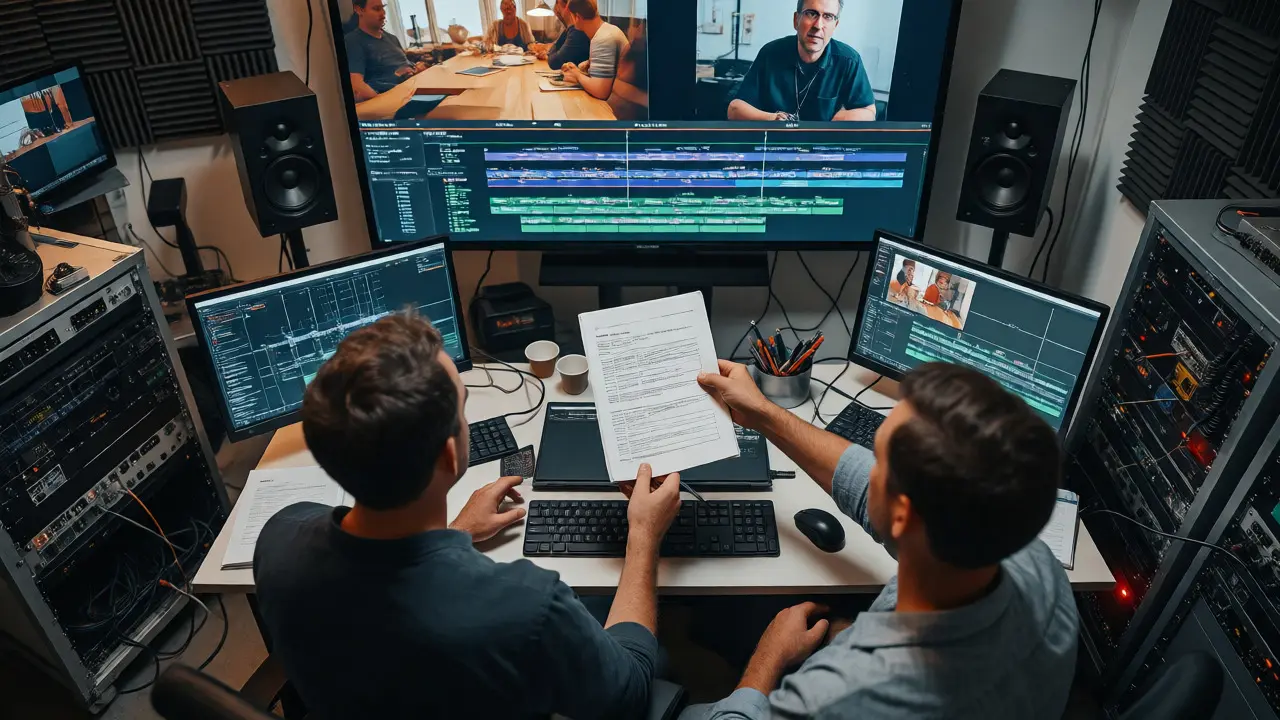
Gone are the days of filling out PDF forms by hand. Modern technology makes cue sheet management much easier. Several software solutions integrate directly with your DAW or offer cloud-based collaboration features.
Tools like Music Reports or Playback allow you to generate cue sheets directly from session data. They pull timestamps, durations, and metadata automatically, reducing human error. Some producers also use specialized post-production software that exports standardized cue sheet formats compatible with major PROs.
Even if you don’t buy premium software, simple spreadsheets can save your life. Create a template with columns for Timecode In, Timecode Out, Duration, Cue Title, Type, Writers, and Publishers. Fill this out religiously for every project. At the end of the year, you’ll thank yourself for having a clean record when auditing your royalty statements.
When Things Go Wrong: Disputes and Audits
Sometimes, despite your best efforts, royalties don’t show up. Maybe the producer forgot to file, or the network misreported the airtime. What do you do?
First, check your PRO’s online portal. Most allow you to search for reported uses. If you see zero activity for a known broadcast, contact the producer immediately. Provide them with the exact date, channel, and program name. Often, a simple reminder triggers a late filing.
If the issue persists, you might need to initiate a claim through your PRO. They have departments dedicated to investigating missing reports. Keep records of everything: contracts, emails confirming submission, and copies of the cue sheets you sent. Documentation is your best weapon in disputes.
Remember, there is a statute of limitations on claiming unpaid royalties. In the US, you generally have two years to challenge incorrect distributions. Don’t sit on discrepancies for too long. Review your quarterly statements carefully and flag anomalies early.
Frequently Asked Questions
Do I need a publisher to get royalties?
No, you do not need a third-party publisher. You can self-publish by listing yourself as the publisher on the cue sheet. However, you must register your publishing entity with your PRO to receive the publisher's share of royalties.
How long does it take to receive performance royalties?
Typically, performance royalties are distributed quarterly, but there is a lag time. Data from broadcasts can take 6 to 9 months to reach your PRO and be processed. So, expect payments several months after the airdate.
What happens if the producer never files the cue sheet?
You likely won't receive performance royalties for that usage. PROs rely on reported data to distribute funds. Without a cue sheet, the system assumes no protected music was used, or attributes it incorrectly. Always follow up to ensure filing occurred.
Can I change writer splits after filing?
Yes, but it requires a formal amendment filed with the PRO. All parties involved must agree to the new splits. This process can delay payments, so try to finalize splits before the initial filing.
Does streaming count as broadcast for royalties?
Yes, streaming generates performance royalties, but the rates vary by platform. Netflix, Hulu, and Amazon Prime have different reporting structures. Ensure your cue sheet includes the specific platform if required by your PRO for accurate tracking.