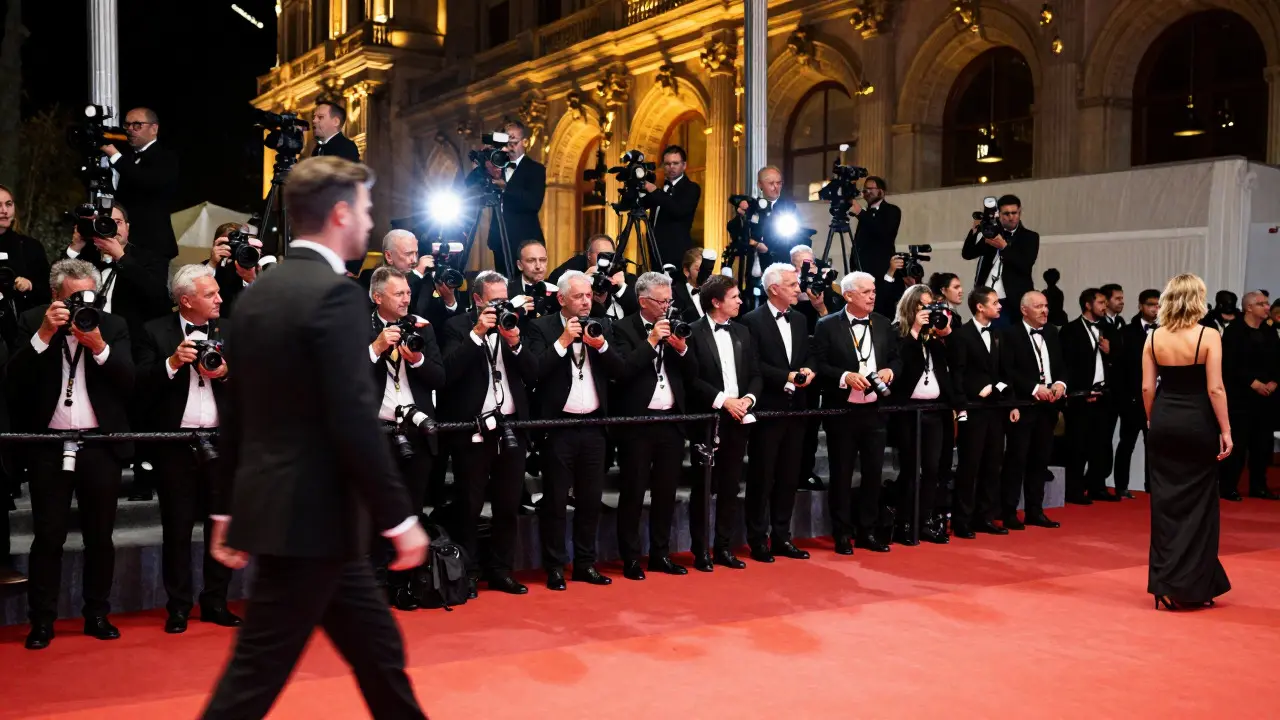
There is a specific kind of electricity that runs through a red carpet when the industry whispers about who is "the one." It isn't just about who wore what; it is about who has the momentum. If you are trying to figure out which films will dominate the upcoming Oscar or BAFTA seasons, looking at the box office numbers is a mistake. You need to look at the festival circuit. Specifically, you need to learn how to read the tea leaves of major festivals like Cannes and prestigious international film markets that serve as the primary launchpad for critical acclaim and award recognition.
Festival prizes are not random. They are signals. When a jury in Venice or a panel in Sundance hands out an award, they are telling the rest of the world exactly where their attention should be focused for the next six months. But these signals can be noisy. A win at a smaller festival might mean nothing if the distribution deal is weak. A loss at a major premiere might signal a controversial reception rather than poor quality. This guide breaks down the logic behind those signals so you can stop guessing and start predicting with confidence.
The Hierarchy of Festival Signals
Not all festivals carry the same weight. To predict awards, you have to understand the pecking order. The top tier consists of the "Big Five": Cannes, Venice, Berlin, Toronto, and Sundance. These events set the narrative. A film that wins the Palme d'Or at Cannes is almost guaranteed a Best Picture nomination later that year, provided the marketing machine kicks in. However, the runner-up spots matter just as much. Often, the film that loses the top prize but receives a strong standing ovation becomes the dark horse of the season.
Below the Big Five, you have the specialized festivals. Sundance is the undisputed king of independent American cinema. If a film wins the Grand Jury Prize for Dramatic Feature there, it has effectively locked in its place in the conversation for Independent Spirit Awards and often the Oscars. Meanwhile, Telluride and New York Film Festival act as late-season boosters. These are where studios bring films that were overlooked earlier in the year to give them a final push before voting begins. If you see a film debut exclusively in New York in October, assume it is playing defense or making a last-ditch effort to secure a nomination.
Reading the Jury vs. Reading the Crowd
One of the biggest mistakes amateur predictors make is assuming that a crowd reaction equals an award win. They are two different metrics. Juries tend to reward technical mastery, thematic depth, and directorial vision. Crowds reward emotional resonance, star power, and accessibility. A film can get a ten-minute standing ovation in Venice but fail to land a single award because the jury found it too sentimental. Conversely, a dry, intellectual drama might win the Golden Lion while audiences boo it off the stage. For Oscar predictions, the jury win is usually the stronger indicator. The Academy values craft over pure spectacle. If a film wins the FIPRESCI Prize (the International Federation of Film Critics) at any major festival, pay close attention. Critics are often the first gatekeepers for the broader industry, and their endorsement frequently precedes the studio's marketing pivot toward awards.

The Distribution Deal Factor
A festival win means very little if no one can see the movie. This is where the "distribution deal" comes into play. Before a film even premieres, it is usually being shopped around to distributors. If a high-profile distributor like A24 or Searchlight Pictures picks up a film after its festival run, it signals that the industry believes the film has commercial viability alongside critical potential. Studios like A24 have built their entire brand on turning festival darlings into cultural phenomena. When you see a logo drop from a major studio following a festival premiere, update your predictions immediately. That money buys the marketing campaign needed to keep the film in voters' minds during the crucial December voting period.
Key Indicators to Watch in Real-Time
You don't need to wait for the official results to know how a film is landing. There are real-time indicators that experienced insiders track:
- Ovation Length: A three-minute ovation is good. A five-minute ovation with people crying is exceptional. Track the time from the end of credits to the applause stopping.
- Press Reaction Speed: How quickly do major outlets like Variety or The Hollywood Reporter publish their reviews? Immediate, glowing reviews suggest the film has already secured its early champions.
- Social Media Sentiment: While noisy, a spike in positive buzz on Twitter (now X) among trade journalists can indicate a breakout hit. Look for quotes from respected critics within the first hour of the screening.
- Director Interviews: Post-screening Q&As reveal how comfortable the director feels. A confident, engaging director can rally support for their film. A defensive or silent director might signal internal issues or a lack of belief in the project's marketability.

Common Pitfalls in Prediction
Even seasoned analysts get burned. Here are the most common traps:
- The "Star Power" Fallacy: Assuming a big-name actor guarantees a win. Actors can save a bad script, but they rarely save a weak performance from being ignored by juries.
- Ignoring the Competition: A great film in a weak year wins more easily than a great film in a stacked year. Always assess the strength of the competing slate.
- Overlooking the Documentary Category: Documentaries follow similar patterns but with faster timelines. A win at Hot Docs or IDFA can translate to an Oscar nomination much quicker than live-action features.
- Misreading Foreign Language Wins: A win for a foreign language film doesn't automatically mean it will cross over to Best Picture. It depends heavily on whether the distributor pushes for a wide release or keeps it niche.
| Festival | Primary Strength | Typical Award Signal | Best For Predicting |
|---|---|---|---|
| Cannes | International Prestige | Palme d'Or / Jury Prize | Best Director, International Feature |
| Sundance | Independent Drama | Grand Jury Prize | Best Actor/Actress, Indie Spirit |
| Venice | Arthouse / European Cinema | Golden Lion | Technical Categories, Director |
| Toronto | Blockbuster Launchpad | People's Choice Award | Best Picture, Popular Appeal |
Building Your Own Prediction Model
To sharpen your skills, start tracking a spreadsheet. List every film in the current festival cycle. Assign points based on: 1) Festival tier (Cannes = 10, Sundance = 8, etc.), 2) Award won (Top prize = 5, Special Mention = 2), 3) Distributor attached (Major Studio = 3, Indie = 1), 4) Critical consensus score. By the time the fall arrives, your model will likely align closely with the actual nominations. The key is consistency. Don't change your criteria mid-season. Stick to the data, ignore the hype, and let the pattern emerge. The tea leaves are clear if you know where to look.
Which festival is the best predictor for the Best Picture Oscar?
Cannes is historically the strongest predictor for Best Picture, particularly for foreign co-productions. However, Toronto's People's Choice Award is a strong indicator for mainstream American blockbusters that may compete in the category. A combination of a Cannes win and a Toronto premiere is the most dangerous combination for other contenders.
Does winning at a small festival help with Oscar chances?
Only if the film then moves to a major platform. Winning at a small festival like Tribeca or SXSW validates the film's quality but does not generate enough industry noise to influence Academy voters. It must be picked up by a major distributor and premiered at a bigger event to count as a serious contender.
How important is the opening weekend box office for award campaigns?
Surprisingly, less than you think. Many award winners open to modest numbers. What matters is the trajectory. A film that opens low but grows week-over-week due to word-of-mouth is a sign of strong organic support, which correlates with sustained voter interest. A film that opens high but drops sharply is often seen as a fluke.
What is the role of social media in modern award predictions?
Social media serves as a barometer for public sentiment rather than critical opinion. High engagement on platforms like TikTok or Instagram can drive box office numbers, which indirectly supports an award campaign by keeping the film visible. However, juries and Academy members still rely primarily on professional reviews and peer recommendations.
Can a film win awards without premiering at a major festival?
It is rare but possible. Some films skip festivals entirely and go straight to a limited theatrical release in New York and Los Angeles. This strategy is risky because it bypasses the initial wave of critical validation. It usually only works for films with massive existing fan bases or extremely strong political/social relevance.







Comments(6)