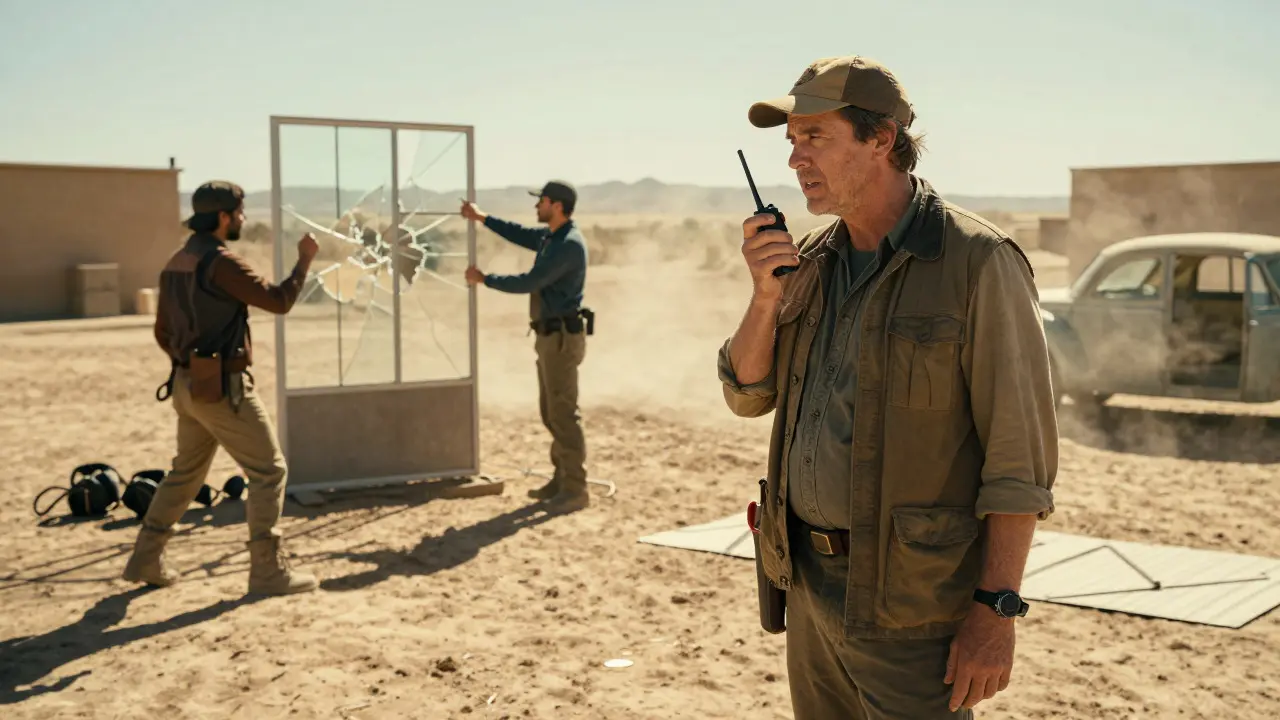
You’re standing on a dusty backlot in New Mexico. The sun is beating down. You’ve got a $50,000 car, two actors who are terrified of the crash sequence, and a producer breathing down your neck because you’re already twenty minutes behind schedule. The script says "John punches Mike through the glass window." Simple words. But making that moment feel real, safe, and exciting? That’s where most directors panic.
Directing action isn’t just about telling people to hit each other or drive fast. It’s a delicate dance between physics, psychology, and editing logic. If you get it wrong, you either hurt someone, lose the audience’s attention, or end up with footage that doesn’t cut together. Let’s break down how to handle the chaos without losing your mind-or your cast.
Safety Is Not Optional; It’s Creative
Here’s a hard truth: if an actor gets hurt, the movie stops. No amount of cool camera angles matters if your lead is in the hospital. Many young directors think safety slows them down. Actually, strict safety protocols speed you up because you don’t have to reshoot half the day due to minor injuries or hesitation.
Action Directing requires you to be the ultimate risk manager. Before you even call "Action," you need to know exactly what can go wrong. This means working closely with your Stunt Coordinator. Don’t treat them like a vendor; treat them like a co-director for physical scenes. They know which falls look good but hurt less, and which punches require padding versus actual contact.
Consider the difference between a "stage hit" and a "real hit." A stage hit relies on sound design and timing. The actor pulls their punch slightly short, and the victim reacts as if they were struck. It looks great on camera if done right. A real hit? Rarely worth the risk unless you have heavy padding and a professional stunt double. Your job is to decide which one serves the story. Does the audience need to see pain? Or do they just need to see impact?
| Level | Description | Risk Factor | Best For |
|---|---|---|---|
| Stage Contact | No physical touch; sound and reaction sell the hit. | Low | Drama-heavy fights, emotional moments. |
| Padded Contact | Light touch with protective gear under clothes. | Medium | Gritty realism, close-ups. |
| Full Stunt | Professional stunt performer executes the move. | High (controlled) | Large scale crashes, complex falls. |
Coverage: The Editor’s Best Friend
Once safety is locked in, you need to capture the action so it makes sense in post-production. This is where many directors fail. They shoot one wide shot, one close-up, and hope for the best. Then they sit in the edit suite realizing they have no way to show the transition from Point A to Point B.
Coverage in action sequences follows specific rules different from dialogue scenes. You aren’t just covering eyelines; you’re covering geography. The audience needs to know where everyone is in space. If John swings left, and Mike ducks right, the editor needs shots that confirm this spatial relationship. Otherwise, the fight becomes a confusing blur of limbs.
Start with a Master Shot. This is your safety net. It shows the entire arena-the room, the street, the field. Even if you never use it fully, it anchors the viewer. Next, shoot the "beats." Break the action into small chunks. Punch, block, kick, stumble. Shoot each beat from multiple angles. Wide, medium, tight. You want options.
Pro tip: Always shoot the "exit" of every movement. If a character runs off-screen left, make sure you have a shot showing them entering frame from the right in the next angle. Editors hate continuity errors more than bad lighting. Give them clean cuts.
Rhythm: Controlling the Pulse
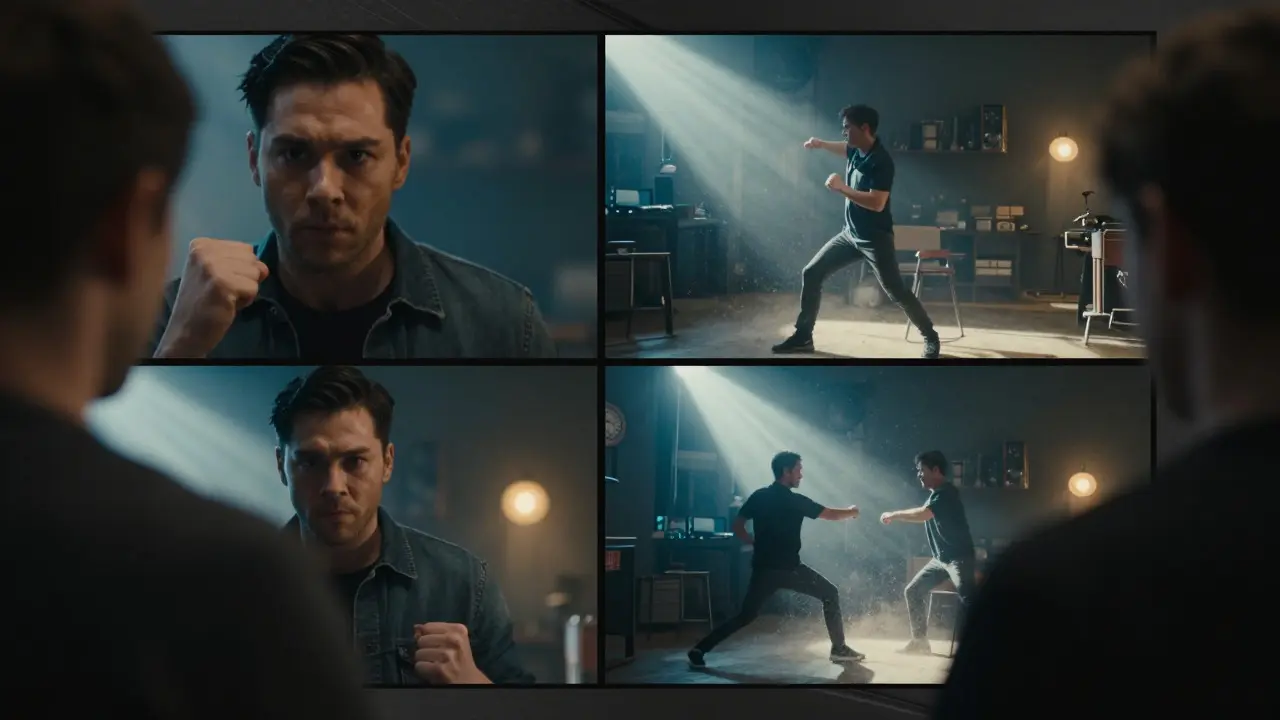
Action has a heartbeat. Sometimes it races-fast cuts, shaky cam, rapid movement. Sometimes it slows down-a slow-motion bullet time, a held breath before the explosion. As the director, you control this tempo. But here’s the catch: you can’t create rhythm in the edit if you didn’t shoot it on set.
Think about Scene Rhythm before you roll camera. Ask yourself: What is the emotional goal of this fight? Is it chaotic? Panic-inducing? Or is it precise, almost balletic? If you want chaos, let the camera breathe. Handheld work, slight imperfections, overlapping dialogue. If you want precision, lock the camera down. Use tripods. Keep the framing stable so the movement stands out.
A common mistake is over-choreographing. If every move is perfectly timed, it looks fake. Humans stumble. We miss steps. We recover awkwardly. Allow for "imperfection" in your blocking. Have the actor hesitate for a split second before attacking. That micro-pause creates tension. When the action finally happens, it feels earned.
Sound plays a huge role here too. While you can’t fix bad audio in post easily, you can direct performance for sound. Tell actors to grunt on exertion. Not loud screams, but realistic effort noises. These sounds give editors material to sync with cuts, enhancing the perceived impact of every hit.
The Human Element in Chaos
Amidst all the technical talk about lenses and safety mats, remember why we watch action movies. We care about the people involved. If the audience doesn’t care if the hero survives, the coolest explosion in history is just noise.
This brings us to Character Motivation within action. Why is this fight happening? Is John angry? Scared? Desperate? A desperate fighter moves differently than an arrogant one. Arrogant fighters lean forward, take risks, ignore pain. Desperate fighters protect themselves, look for exits, hesitate. Direct these nuances. Don’t just say "fight harder." Say "Fight like you’re running out of air."
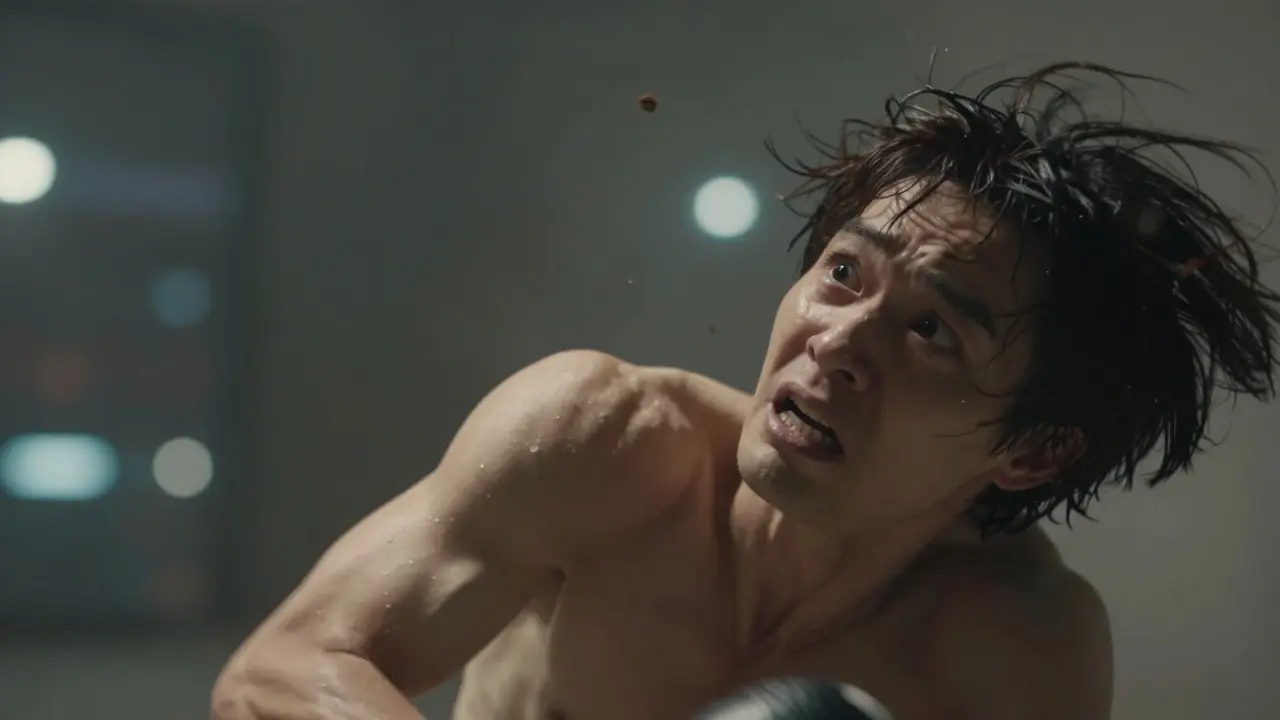
Your actors need to understand the stakes. Talk to them during breaks. Remind them what they lose if they fail this scene. This mental state translates physically. Tense shoulders, shallow breathing, wider eyes. These details sell the action better than any CGI enhancement.
Also, consider the environment. How does the setting affect the characters? Are they slipping on wet pavement? Can they use nearby objects as weapons? Integrating the environment makes the action feel grounded. A fight in a kitchen should involve knives, boiling water, slippery floors. Don’t ignore the props around you.
Practical Tips for On-Set Efficiency
Time is money. Action sequences eat budgets. Here’s how to stay efficient:
- Rehearse with doubles first: Never let your main actors run a complex stunt until the stunt team has perfected it. Save their energy for acting.
- Shoot the hardest stuff first: Get the dangerous stunts out of the way early in the day when everyone is fresh and alert. Fatigue leads to accidents.
- Use video playback wisely: Show actors the previous take if they missed a mark, but don’t obsess over perfect framing. Focus on performance and safety.
- Communicate clearly: Use hand signals or radios if the set is noisy. Confusion causes delays. Ensure the camera operator knows exactly when the action starts and ends.
Remember, Filmmaking is collaborative. Trust your crew. If your gaffer says the lights are unsafe for the stunt, listen. If your stunt coordinator says the fall looks bad, change the angle. Your vision matters, but their expertise keeps you alive.
Frequently Asked Questions
Do I need a stunt coordinator for every action scene?
Not necessarily. For simple interactions like a shove or a stumble, your actors and assistant director might suffice. However, for anything involving heights, vehicles, fire, or complex choreography, a professional stunt coordinator is essential for insurance and safety reasons.
How do I make a fight scene look realistic without hurting actors?
Rely on technique and editing. Use "pulling" punches where the attacker stops short, combined with strong reactions from the receiver. Sound design adds the missing impact. Additionally, using padded costumes and careful camera angles that hide the lack of contact helps maintain realism.
What is the biggest mistake new directors make with action?
Shaky cam overuse. Directors often shake the camera to add energy, but if the audience can't see what's happening, it creates confusion, not excitement. Stability helps clarity. Use movement purposefully, not constantly.
How much coverage is enough for an action scene?
More than you think. Aim for at least three angles per major beat: a wide establishing shot, a medium shot showing body mechanics, and a tight shot for emotion or detail. Also, always shoot clean exits and entrances to ensure smooth cutting.
Can I direct action if I'm not physically active?
Absolutely. Your job is visualization and communication, not performing. Study films you admire, break down their edits, and communicate your vision clearly to your stunt team and actors. Your perspective as an observer can actually help you spot continuity issues others miss.



Comments(6)