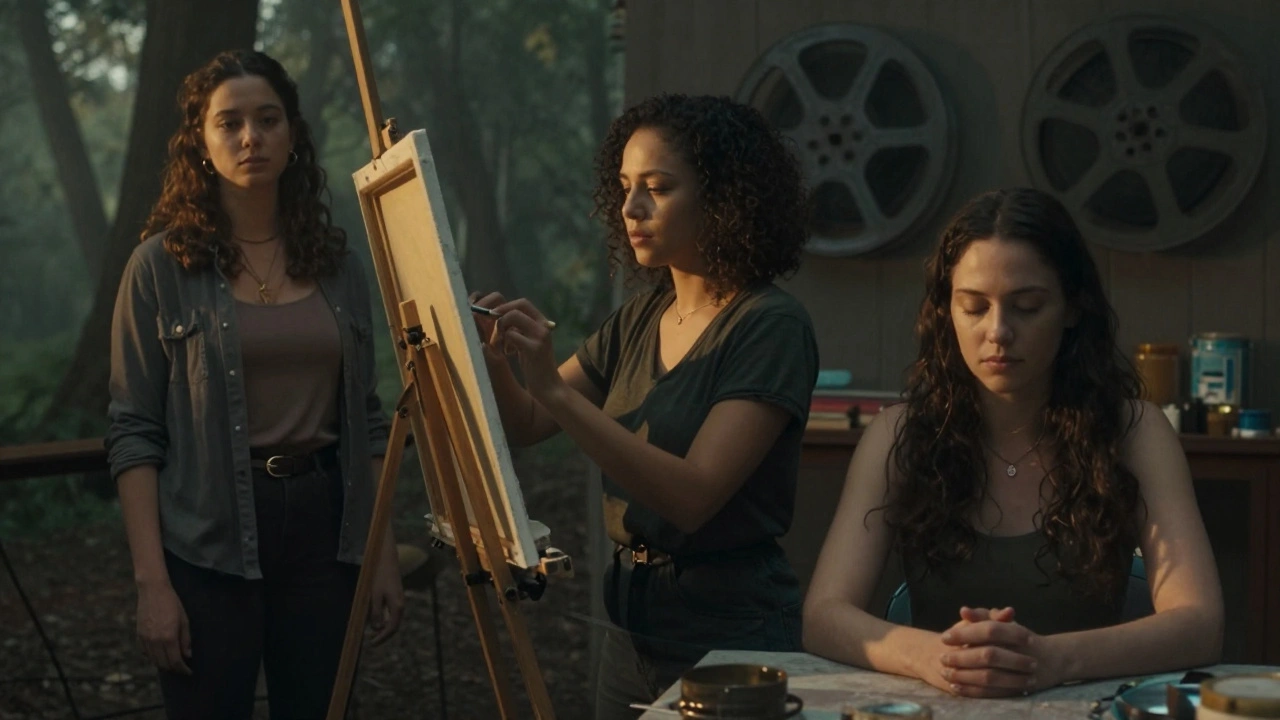
When a film directed by a woman hits theaters, the marketing often tells a different story than the movie itself. That’s not a coincidence. Female-led film marketing doesn’t just promote a movie - it rewrites the rules of how stories are sold to audiences. Look at Female-Led Film Marketing campaigns like Little Women (2019), The Power of the Dog (2021), or Barbie (2023). These weren’t just ads. They were cultural moments. And they didn’t rely on the same tired formulas that studios have used for decades.
Why Traditional Film Marketing Fails Women
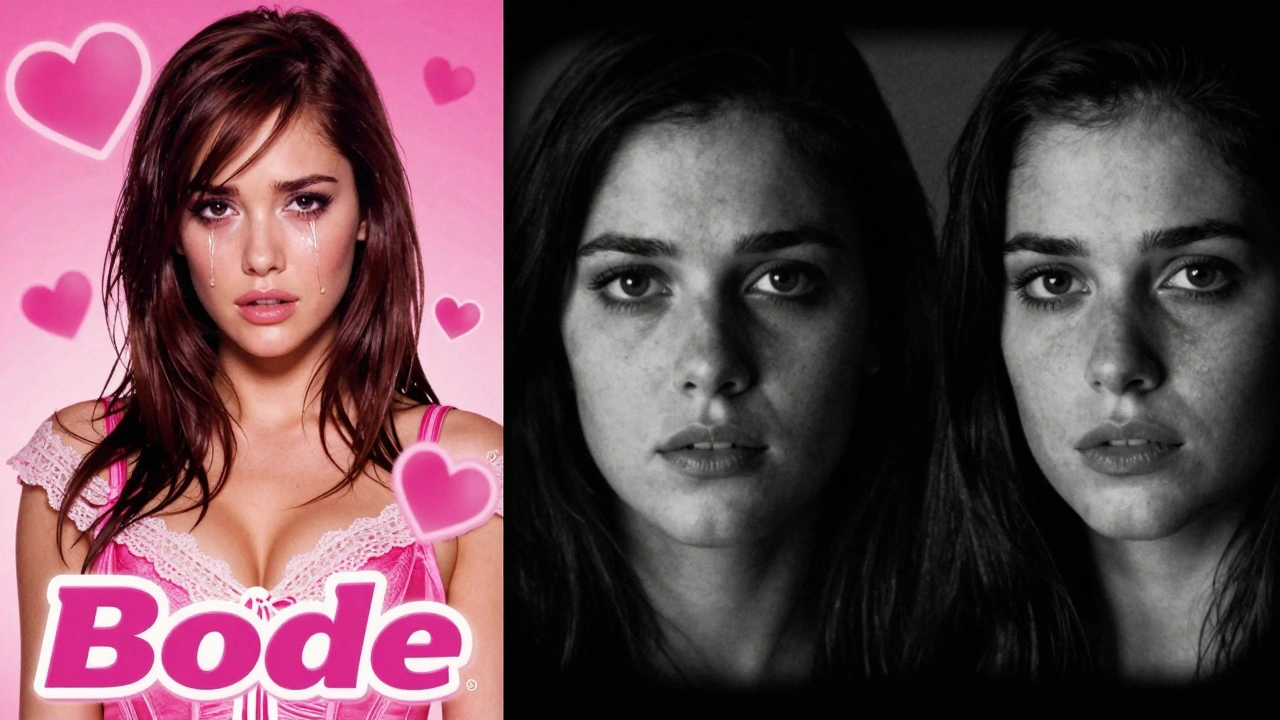
For years, Hollywood’s marketing teams treated films by women like side dishes - something to serve alongside the main course. Posters often focused on romance, tears, or beauty. Trailers cut scenes to highlight emotional breakdowns instead of plot twists. The message? This film is for women, and women only. That’s not just wrong - it’s a financial mistake.When Mad Max: Fury Road came out, many assumed it was a male-targeted action flick. But the studio didn’t market it that way. They showed the chaos, the vehicles, the stakes. It made $375 million worldwide. Meanwhile, Little Miss Sunshine - a quiet, female-led indie - was sold as a ‘family comedy,’ and its box office potential was cut in half. The difference? One campaign treated the story like a human experience. The other tried to shrink it into a stereotype.
What Works in Female-Led Campaigns
The most successful campaigns don’t ask audiences to ‘relate’ to a woman. They ask them to be part of the story.- Focus on the narrative, not the gender. Women Talking (2022) didn’t use hashtags like #StrongWomen or #GirlPower. Instead, it leaned into the tension, the silence, the moral choices. The trailer showed faces, not hashtags.
- Use real voices. The Woman King (2022) featured actual Agojie warriors in its promo spots. Not actors. Not CGI. Real women who trained for months. That authenticity didn’t just build trust - it created a movement.
- Let the director speak. Greta Gerwig’s interviews for Barbie weren’t about pink. They were about identity, capitalism, and nostalgia. The studio didn’t edit her down. They let her lead. And fans showed up.
- Target the whole audience. Ammonite (2020) was marketed as a lesbian love story - but also as a period drama with emotional depth. It didn’t just attract LGBTQ+ viewers. It drew in history buffs, art lovers, and fans of Kate Winslet. The campaign didn’t box the film in.
Breaking the ‘Female Audience’ Myth
There’s a myth that women only go to movies about women. That’s not true. Women make up 52% of moviegoers in the U.S. They’re the ones who decide what families watch. They’re the ones who recommend films to friends. And they’re the ones who buy tickets for movies that feel honest - regardless of who directed them.Look at the data. A 2025 study from the Annenberg Inclusion Initiative found that films directed by women had a 23% higher social media engagement rate than male-directed films with similar budgets. Why? Because the marketing didn’t talk down to them. It didn’t assume they only wanted romance. It treated them like people.
When Everything Everywhere All At Once won Best Picture, many assumed it was because of its wild visuals. But the real reason? Its marketing campaign didn’t center on the lead actor’s gender. It centered on grief, connection, and chaos. A mother’s story. A daughter’s story. A human story. And it resonated across every demographic.
How Independent Films Do It Right
Big studios still struggle with this. But indie filmmakers? They’ve been doing it for years.Take The Lighthouse (2019). It was directed by Robert Eggers - a man. But the marketing didn’t lean into ‘male psychological horror.’ It leaned into isolation, madness, and myth. The poster? Two men in a storm. No titles. No taglines. Just atmosphere. It worked because it trusted the audience.
Now compare that to Portrait of a Lady on Fire (2019). Directed by Céline Sciamma. The campaign didn’t say ‘lesbian romance.’ It said ‘the last painting.’ It showed the brushstrokes, the silence, the glances. It didn’t need to label the love. The audience understood. And it made $15 million worldwide on a $2 million budget.
Independent films don’t have huge budgets. But they have something bigger: honesty. They know that if you show a woman as complex, messy, powerful - not just ‘inspiring’ - people will show up.
The Role of Social Media
Social media didn’t just change how films are marketed. It changed who gets to lead the conversation.When She Said (2022) was released, the team behind it didn’t buy billboards. They didn’t pay influencers. They gave journalists, survivors, and activists the raw footage - the interviews, the transcripts, the emails. They let them share it. And the campaign went viral because it wasn’t polished. It was real.
Platforms like TikTok and Instagram became battlegrounds for representation. A single clip from Women Talking - just 17 seconds of a character saying, ‘We’re not asking for forgiveness’ - got 8 million views. No studio paid for it. It spread because it felt true.
What Studios Are Still Getting Wrong
Some studios still think female-led films need ‘pink packaging.’Remember Ghostbusters (2016)? The backlash wasn’t about the cast. It was about the marketing. The trailers made the women look silly. The posters showed them in costumes, not as scientists. The studio didn’t trust the story. They trusted a stereotype.
Or look at Wonder Woman (2017). The first trailer was a disaster - all slow-motion running and war cries. It made Diana look like a warrior princess, not a woman learning what justice means. The second trailer? Quiet. Focused on her choice. On her compassion. On her humanity. That’s when the box office exploded.
The lesson? Don’t make a woman’s story fit a box. Let the story breathe.
Future Trends
The next wave of female-led marketing won’t be about ‘empowerment.’ It’ll be about truth.- More campaigns will use real locations, not studio sets. Audiences can spot fakeness.
- Trailers will include more dialogue, less music. People want to hear what characters say - not just how they feel.
- Marketing teams will include more women of color. Representation behind the camera leads to better representation in the ads.
- AI tools will help tailor campaigns without stereotyping. Imagine an algorithm that says, ‘This audience responds to quiet moments, not explosions.’
Look at Past Lives (2023). It had no action, no villain, no twist. Just two people reconnecting over 20 years. It made $48 million. Why? Because the campaign didn’t try to sell excitement. It sold memory. And that’s what people remember.
Final Thought
Female-led film marketing isn’t about gender. It’s about perspective. It’s about trusting that audiences don’t need to be told what to feel. They just need to be shown something real.The best campaigns don’t say, ‘This is for women.’ They say, ‘This is for anyone who’s ever loved, lost, or dared to change.’ And that’s a message that sells - no matter who made it.





Comments(8)