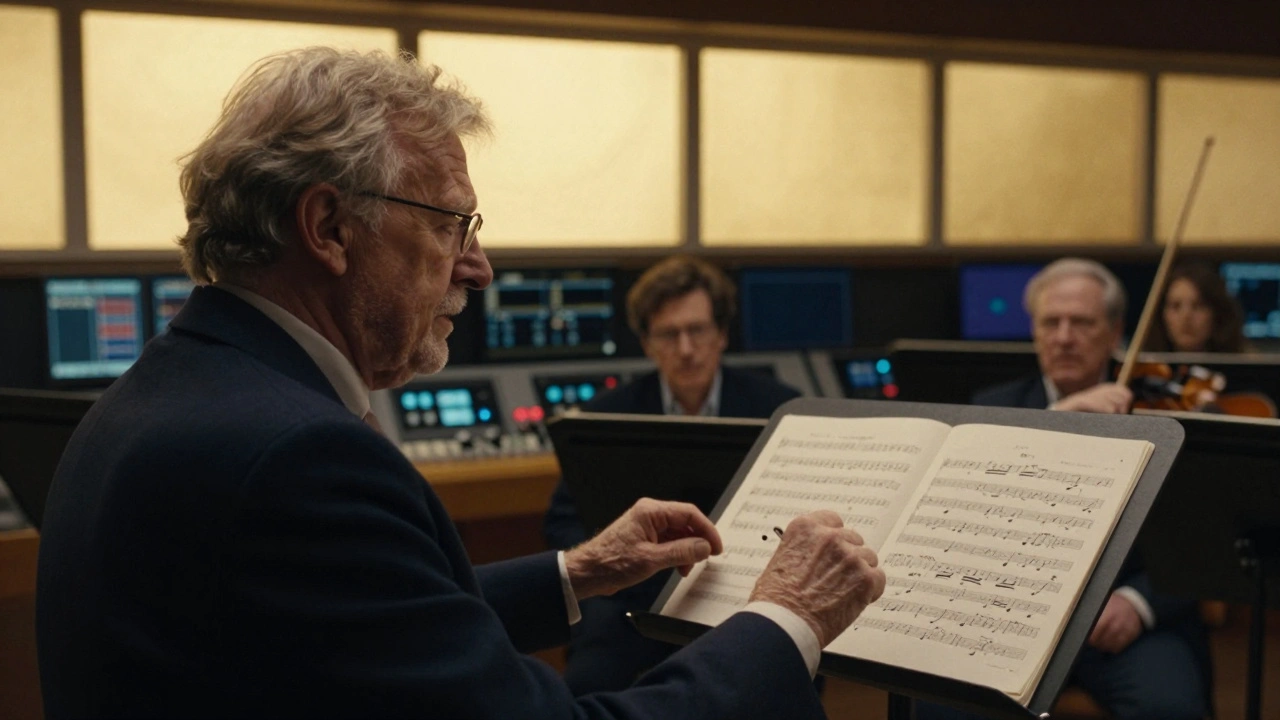
Some of the most unforgettable moments in cinema don’t come from dialogue or visuals-they come from music. A single theme can make a scene legendary, turn a character iconic, or haunt you long after the credits roll. But behind those scores are rarely lone geniuses working in isolation. Most groundbreaking film music is the result of a deep, often lifelong, partnership between a director and a composer. These aren’t just professional collaborations-they’re creative marriages that shape careers, redefine genres, and sometimes even change how we experience movies.
John Williams and Steven Spielberg: The Sound of Wonder
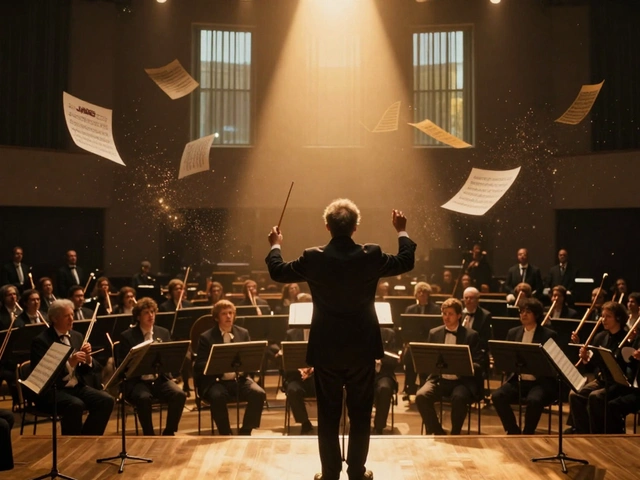
When Steven Spielberg made Jaws in 1975, he didn’t just need a scary soundtrack-he needed a primal, unstoppable force. John Williams delivered two simple notes: dun-dun. That motif became more than background music; it became a cultural shorthand for impending danger. What started with Jaws turned into a 50-year partnership that includes E.T., Indiana Jones, Schindler’s List, and Lincoln. Williams didn’t just write music for Spielberg’s films-he gave them emotional architecture. The soaring strings of E.T. aren’t just pretty; they make the alien feel human. The adventurous brass of Indiana Jones isn’t just energetic; it defines the hero’s spirit. Their partnership worked because Spielberg trusted Williams to think beyond the frame. Williams didn’t wait for cues-he anticipated the emotional arc before the edit was locked.
Hans Zimmer and Christopher Nolan: Building Soundscapes, Not Scores
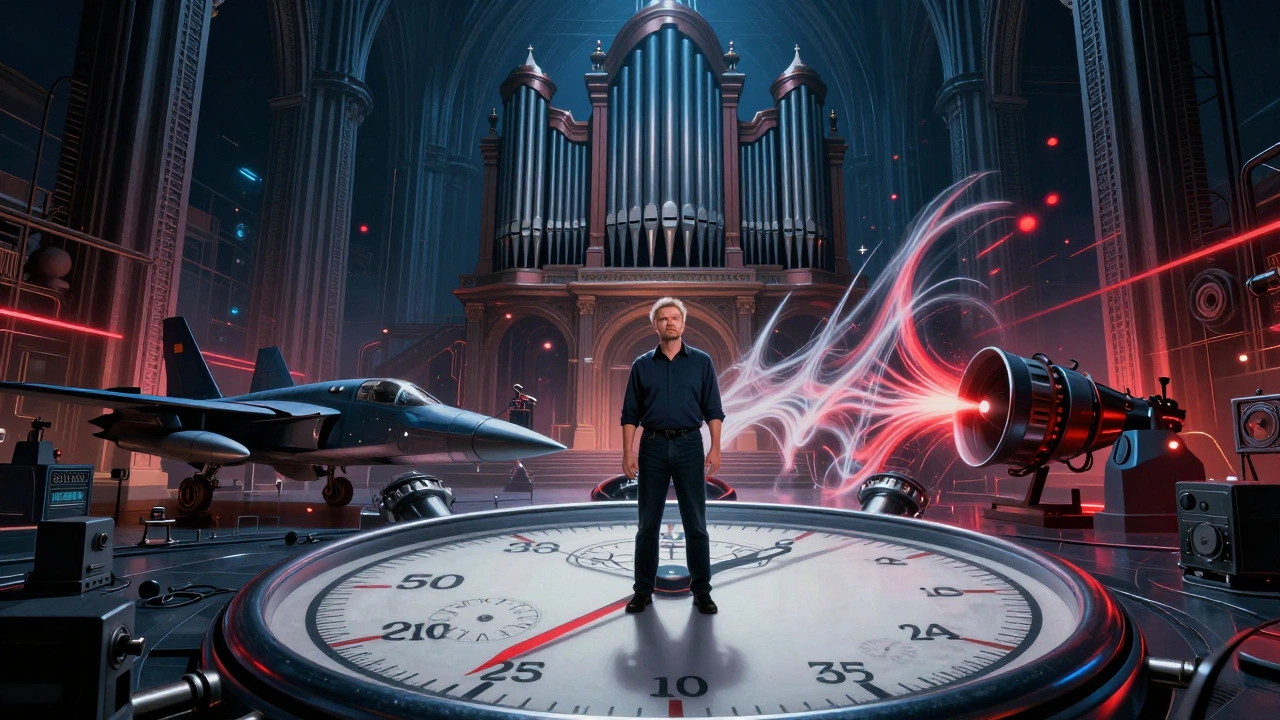
Where Williams used orchestras to evoke emotion, Hans Zimmer reimagined what a film score could be. With Christopher Nolan, he turned sound into a physical presence. In Inception, the slowed-down version of Edith Piaf’s Non, Je Ne Regrette Rien wasn’t just a clever trick-it became the heartbeat of the film’s time-bending logic. In Dunkirk, Zimmer used a ticking stopwatch as the core rhythm, layered with dissonant horns and low-frequency drones. The score didn’t accompany the action-it *drove* it. Nolan didn’t ask for themes. He asked for tension, pressure, urgency. Zimmer responded by building instruments that didn’t exist before. He used a 70-foot pipe organ, modified synthesizers, and even recorded a real fighter jet’s engine to create the sonic texture of war. Their collaboration isn’t about melody-it’s about physics. And it changed how modern blockbusters use music: not as decoration, but as a structural element.
Ennio Morricone and Sergio Leone: The Wild West Reimagined
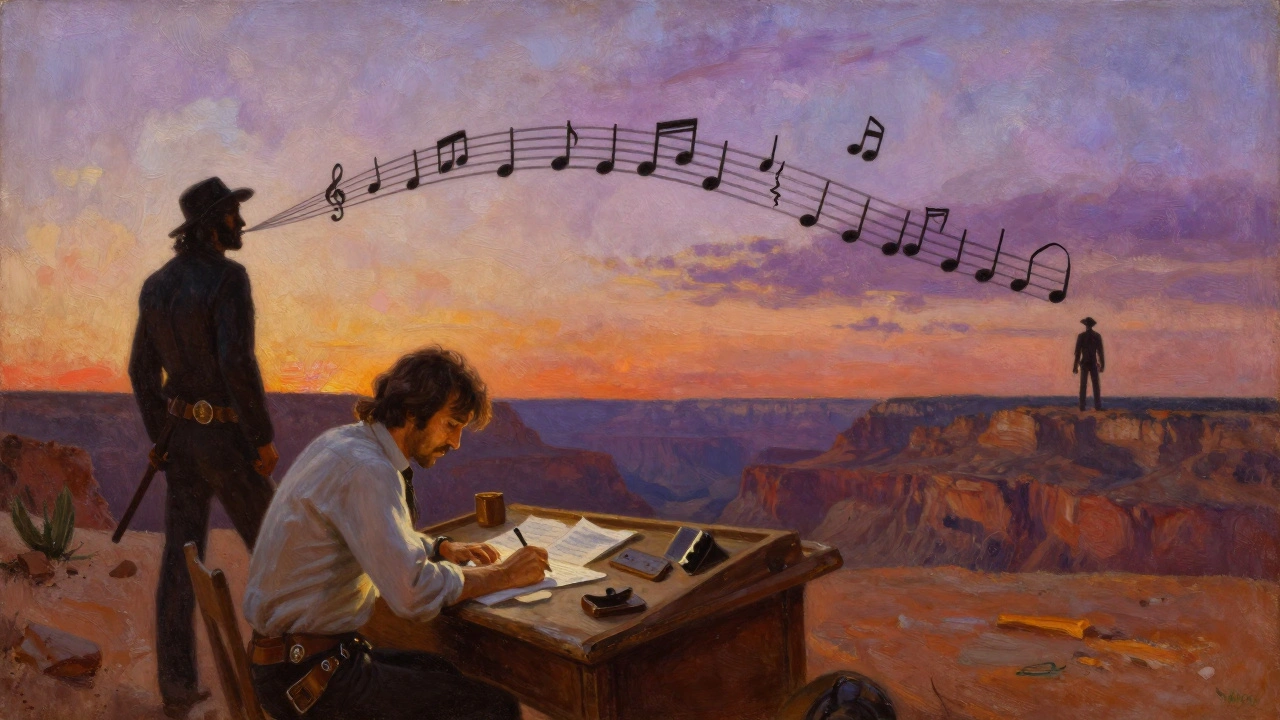
Before Leone and Morricone, Westerns were about cowboys, six-shooters, and dusty towns. Then came A Fistful of Dollars in 1964. Morricone’s score used whistling, electric guitars, whip cracks, and choir chants. He didn’t write a Western theme-he invented a new language. The haunting yodel of The Good, the Bad and the Ugly wasn’t just memorable; it made the antihero feel mythic. Leone didn’t give Morricone storyboards-he gave him ideas. A character’s loneliness. The silence before a shootout. The weight of a decision. Morricone would often record music before filming began, and Leone would shoot to the score. This reversed the usual process: music didn’t follow the picture-it shaped it. Their partnership gave birth to the Spaghetti Western genre, and it proved that a composer could be as essential as the cinematographer or the lead actor.
Danny Elfman and Tim Burton: Gothic Whimsy Made Audible
Tim Burton’s films are visually unmistakable-crooked houses, pale faces, oversized eyes. But what makes them feel like Burton’s world isn’t just the sets. It’s Danny Elfman’s music. From Beetlejuice’s bouncy, circus-like theme to Edward Scissorhands’s melancholic lullaby, Elfman’s scores are as eccentric as Burton’s characters. Elfman, a former punk rocker, brought a theatrical, almost cartoonish energy to film scoring. He didn’t just match the visuals-he amplified their weirdness. In Batman (1989), he used brass and choir to make Gotham feel like a gothic cathedral of crime. In Corpse Bride, he turned a stop-motion romance into a musical ghost story. Their partnership worked because Burton didn’t want realism-he wanted emotional exaggeration. Elfman gave him music that felt like it was being played by a haunted orchestra in a carnival that never closed.
Max Steiner and John Ford: The Birth of the Hollywood Score
Before there were Zimmer or Williams, there was Max Steiner. In 1933, he scored King Kong-the first film to use a fully orchestrated, continuous score. Before Steiner, music in movies was either live piano or occasional cues. He treated film like opera, weaving themes around characters and emotions. His work on Stagecoach (1939) with director John Ford didn’t just support the story-it became its soul. The sweeping strings in the opening sequence didn’t just set the scene; they made the American West feel epic, lonely, and sacred. Ford didn’t just hire Steiner-he relied on him to define the emotional tone before a single shot was filmed. Their partnership laid the foundation for everything that came after. Steiner proved that music could carry narrative weight, not just fill silence.
Why These Partnerships Last
What separates these duos from fleeting collaborations? It’s not talent alone. It’s trust, shared language, and mutual respect. Spielberg didn’t just pick Williams because he was good-he picked him because he *understood* his vision. Nolan didn’t choose Zimmer because he was trendy-he chose him because Zimmer could turn abstract ideas into sonic experiences. These directors didn’t say, "Make it scary" or "Make it sad." They said, "I want the audience to feel like they’re falling through time" or "I want this character to feel invisible." The composers didn’t just write notes-they translated feelings into sound.
Modern filmmakers often hire composers late in the process, after the edit is locked. But the great partnerships happen early. The music isn’t an afterthought-it’s part of the blueprint. When a director and composer start talking before the script is finished, the score becomes a character. It breathes with the story. It changes shape as the film evolves. That’s why these partnerships define careers: because they’re not about composing for film. They’re about co-creating cinema.
What Happens When the Partnership Ends
Not every great pairing lasts forever. When a director and composer part ways, the change is often felt immediately. After Star Wars: The Force Awakens, J.J. Abrams chose John Williams to return-but the absence of a new collaborator meant the score felt nostalgic, not revolutionary. Similarly, when David Fincher stopped working with Trent Reznor and Atticus Ross after The Social Network, his later films lost that signature electronic unease. The music didn’t get worse-it just stopped evolving with the director’s vision. These partnerships thrive on growth. When one stops listening, the magic fades.
What You Can Learn From These Duos
Even if you’re not making movies, these partnerships teach you something vital: great work rarely comes from one person. The best results happen when two voices speak the same language but come from different worlds. A director sees images. A composer hears emotions. When they align, the result isn’t just a film-it’s a feeling you can’t forget.
Which director-composer partnership has had the most lasting impact on film music?
John Williams and Steven Spielberg have arguably had the most lasting impact. Their 50-year collaboration produced some of the most recognizable themes in cinema history-from the ominous two-note motif of Jaws to the triumphant brass of Indiana Jones. Williams didn’t just score films; he created sonic identities that shaped generations of audiences and influenced countless composers. Their partnership proved that music could define a film’s emotional core, not just enhance it.
Can a film succeed without a strong director-composer relationship?
Yes, but it’s rare. Many films have strong visuals, performances, or scripts without iconic music. But those that become culturally enduring almost always have a score that resonates deeply. Music connects emotionally in ways dialogue and images can’t. A film like Parasite or Mad Max: Fury Road works brilliantly without a traditional theme, but even they rely on carefully crafted sound design that functions like a score. The absence of a true musical partnership often leaves a film feeling emotionally flat, even if technically perfect.
How do modern composers adapt when working with directors who don’t know music?
Modern composers often become translators. They use reference tracks-songs or scores the director loves-to build a shared vocabulary. Instead of saying, "Use a minor key," they might say, "Make it feel like this Radiohead song." They also create rough demos early so the director can feel the emotion before the final recording. The best composers don’t wait for technical instructions-they ask, "What do you want the audience to feel here?" and build from there.
Are there any current director-composer duos rising to iconic status?
Yes. Jordan Peele and Michael Abels have created a powerful partnership with scores for Get Out, Us, and Nope. Abels blends classical orchestration with African spiritual motifs and unsettling electronic textures, giving Peele’s social horror films a unique sonic identity. Similarly, Denis Villeneuve and Hans Zimmer’s work on Dune has redefined epic sci-fi scoring. These pairs are building legacies by treating music as an essential narrative layer, not just background noise.
Why do some directors reuse the same composer across multiple films?
Because they’ve built a shared creative language. A director who’s worked with the same composer for years doesn’t need to explain everything-they can say, "More tension, less melody," and the composer knows exactly what that means. It’s like a duet where both musicians know each other’s rhythms. Reusing a composer also creates continuity in tone across a director’s body of work, helping audiences recognize their style even before they see the title.




Comments(6)