Picture this: you just spent three years developing a high-budget action thriller. You want it to be everywhere at once-on the big screen, on Netflix, and on Amazon Prime Video simultaneously. But here is the harsh reality of the modern entertainment landscape: that dream usually costs more than your entire production budget. This is where the concept of exclusive Pay-1 windows comes into play. It is not just industry jargon; it is the battlefield where streamers fight for dominance.
In 2026, the days of simple licensing deals are long gone. We are now in an era defined by aggressive exclusivity and complex windowing strategies. Studios no longer just sell movies; they sell access. And streamers? They are paying billions to ensure that when a blockbuster drops, it lands exclusively in their ecosystem first. If you are trying to understand why your favorite movie isn't available on every platform, or why some films seem to vanish from theaters weeks after release, you need to look at how these exclusive windows work.
The Anatomy of a Pay-1 Window
To get this right, we first need to define what a "Pay-1" actually is. In traditional distribution, a Pay-1 refers to the initial premium video-on-demand (PVOD) window where consumers pay a significant fee-typically $19.99 to $39.99-to rent or buy a new release shortly after its theatrical run ends. Historically, this window was short, lasting about 17 to 45 days, before the movie dropped to lower-tier subscriptions or cable VOD.
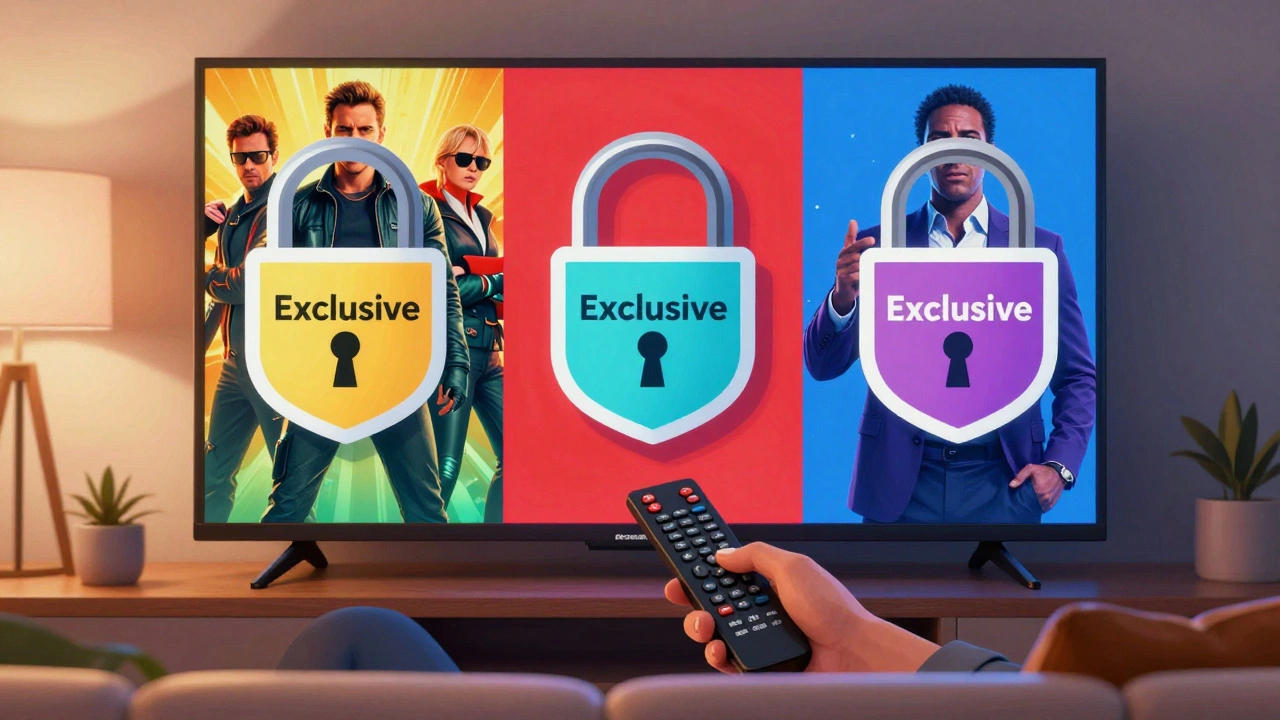
However, the definition has shifted dramatically with the rise of major streaming platforms. Today, an exclusive Pay-1 window often means the period during which a film is available *only* on one specific service, either as part of a subscription bundle or via a premium add-on. For example, when a studio like Warner Bros. or Universal signs a deal with a streamer, they might grant that streamer the exclusive rights to the digital rental market for the first 60 days post-theatrical. During this time, no other competitor can offer that title. This creates a scarcity model that drives immediate revenue and subscriber acquisition.
The key attribute here is exclusivity. Without it, the value proposition crumbles. If I can rent "Avatar 3" on Disney+, Hulu, and Max simultaneously, I am going to choose whichever platform offers the cheapest price or the most convenient interface. But if it is only on Disney+ for the first month, and I am a Disney+ subscriber, I am locked in. That lock-in effect is worth millions to these companies.
What exactly is a Pay-1 window?
A Pay-1 window is the initial period after a film's theatrical release where it becomes available for premium digital rental or purchase. Traditionally, this involves higher prices ($20-$40) compared to standard VOD. In the streaming era, it often refers to the exclusive period where a film is available only on one specific platform before moving to wider distribution.
Why Streamers Are Fighting Over These Rights
You might wonder why companies with hundreds of billions in cash reserves are willing to go to war over single titles. The answer lies in subscriber retention and acquisition. In 2026, the streaming market is saturated. Everyone has a smartphone, and everyone has at least one streaming app. Growth has slowed, so the focus has shifted from getting new users to keeping existing ones from canceling.
Exclusive content is the primary tool for this. When a streamer secures the exclusive Pay-1 rights to a highly anticipated franchise installment, they create a "must-have" reason for consumers to subscribe. Let’s say Paramount+ secures the exclusive digital rights to the next "Mission: Impossible" film. Fans who want to watch it at home without waiting for the standard PVOD window on other services will likely subscribe to Paramount+ for that month. Even if they cancel afterward, the streamer gains valuable data and temporary revenue.
Furthermore, these rights serve as marketing leverage. A streamer can advertise "Watch the latest Bond film exclusively here," creating a buzz that elevates the entire platform. It positions the service not just as a library of old shows, but as a premier destination for current events in cinema. This psychological shift is crucial for brands trying to compete with giants like Netflix or Disney+.
Consider the case of Apple TV+. Apple does not have the largest library, but it aggressively pursues exclusive rights to award-season contenders and high-profile dramas. By securing exclusive Pay-1 windows for films like "Killers of the Flower Moon" or similar prestige titles, Apple signals quality. Consumers associate the platform with cinematic excellence, even if they don't watch every title. This brand equity is intangible but incredibly valuable in a crowded market.
The Studio Perspective: Maximizing Revenue vs. Building Partnerships
For studios, the decision to grant exclusive Pay-1 rights is a balancing act. On one hand, they want to maximize revenue from every possible channel. Selling rights exclusively to one streamer might mean a higher upfront fee, but it limits exposure. On the other hand, partnering with a major streamer can provide financial stability in an unpredictable box office environment.
In recent years, we have seen studios like Sony Pictures Entertainment adopt a flexible approach. Instead of sticking rigidly to traditional theatrical windows, Sony has negotiated deals with various streamers, sometimes granting exclusive digital rights to different titles based on genre and target audience. For instance, action-heavy films might go to a platform with a strong male demographic, while family-friendly animations might land on a service known for children's content.
This strategy allows studios to tailor their distribution to match consumer behavior. Data analytics play a huge role here. Studios know exactly who watches what, when, and on which devices. By leveraging this data, they can negotiate better terms with streamers. If a studio knows that a particular horror franchise performs exceptionally well on a specific platform due to its user base, they can command a higher price for those exclusive rights.
However, there is a risk. Relying too heavily on exclusive deals can alienate audiences who prefer choice. If a fan is deeply invested in a platform like Amazon Prime Video, they might skip a movie simply because it is exclusive to a competitor. Studios must weigh the immediate financial gain against potential long-term brand damage. Some argue that over-exclusivity fragments the market, making it harder for films to achieve cultural ubiquity.
Impact on Theaters and Traditional Distribution
The rise of exclusive Pay-1 windows has inevitably impacted traditional cinemas. For decades, the theatrical window was sacrosanct-a 90-day period where only theaters could show new releases. That norm has eroded significantly. Today, many films have shortened theatrical runs, sometimes as brief as 17 days, before hitting exclusive digital platforms.
Cinemas argue that this devalues the theatrical experience. Why wait two months to see a movie at home when you can rent it digitally within weeks? Moreover, if the digital version is exclusive to a streamer, theaters lose out on the secondary revenue streams that come from extended runs. This has led to tensions between exhibitors and distributors. Some theater chains have threatened to boycott films with shortened windows, though such moves have had limited success given the power dynamics favoring studios and streamers.
Yet, theaters are adapting. Many are focusing on event cinema-IMAX screenings, live broadcasts of sports and concerts, and curated classic film series. They are positioning themselves as destinations for immersive experiences rather than just places to watch movies. Exclusive Pay-1 windows complement this by offering convenience for those who prefer home viewing, effectively segmenting the audience based on preference rather than forcing a one-size-fits-all model.
From a consumer standpoint, this fragmentation can be frustrating. Imagine wanting to watch a newly released documentary. You check Netflix-it’s not there. You check Hulu-nothing. Finally, you find it on Max, but only if you subscribe to their premium tier. This "subscription fatigue" is real. Consumers are increasingly resistant to maintaining multiple subscriptions just to access content. As a result, some streamers are experimenting with ad-supported tiers that include exclusive Pay-1 titles, lowering the barrier to entry while still generating revenue through advertising.

Navigating the Future: Trends and Predictions
Looking ahead, the landscape of exclusive Pay-1 windows will continue to evolve. One emerging trend is the bundling of services. Companies like Disney, Warner Bros. Discovery, and Comcast are exploring ways to bundle their streaming platforms together, potentially including exclusive Pay-1 rights across all included services. This could reduce friction for consumers while maintaining exclusivity within a larger corporate ecosystem.
Another possibility is the rise of transactional models within subscriptions. Instead of paying a flat monthly fee, users might pay per title for exclusive releases, similar to how concert tickets work. This hybrid model could appeal to casual viewers who don’t want to commit to a full subscription but are willing to pay for premium content. Platforms like Apple TV+ and Amazon Prime Video are already testing variations of this, allowing users to rent newer releases at a premium even if they are subscribers.
Regulatory scrutiny is also increasing. Governments around the world are watching the consolidation of media rights closely. There are concerns that excessive exclusivity could stifle competition and limit consumer choice. Antitrust investigations into major tech and media conglomerates may lead to regulations that force broader distribution of certain titles, particularly those funded by public incentives or tax breaks.
Despite these challenges, the core dynamic remains unchanged: content is king, and exclusivity is the crown jewel. Streamers will continue to compete fiercely for the rights to the biggest films, knowing that these titles drive engagement, retention, and brand perception. For studios, the key is finding the right balance between maximizing revenue and maintaining broad audience reach. And for consumers, the hope is that increased competition leads to better deals, more choices, and perhaps, a return to simpler distribution models.
Practical Takeaways for Industry Professionals
If you are working in film distribution, marketing, or content strategy, understanding exclusive Pay-1 windows is essential. Here are some actionable insights:
- Data-Driven Negotiations: Use viewer analytics to identify which platforms align best with your target audience. Tailor your exclusivity offers accordingly to maximize value.
- Hybrid Models: Consider combining exclusive digital rights with simultaneous theatrical releases for select markets. This can satisfy both cinephiles and home viewers, expanding your total addressable market.
- Consumer Communication: Be transparent about availability. Confusion over where and when a film is available can lead to negative sentiment. Clear messaging helps manage expectations and reduces churn.
- Partnership Diversification: Don’t rely on a single streamer for all your titles. Diversifying partnerships mitigates risk and ensures broader exposure across different demographics.
By staying agile and responsive to market trends, professionals can navigate the complexities of exclusive Pay-1 windows effectively. The goal is not just to secure the highest price, but to build sustainable relationships that benefit all parties involved-studios, streamers, theaters, and ultimately, the audiences who love cinema.
How do exclusive Pay-1 windows affect movie theaters?
Exclusive Pay-1 windows often shorten the theatrical run of films, reducing the time they are available exclusively in cinemas. This can decrease box office revenue for theaters, especially for mid-budget films that rely on longer runs. However, theaters are adapting by focusing on premium formats like IMAX and event programming to differentiate themselves from home viewing options.
Are exclusive streaming rights worth the cost for studios?
Yes, in many cases. Exclusive rights can command higher upfront fees and provide predictable revenue streams compared to volatile box office returns. Additionally, partnerships with major streamers can offer marketing support and global distribution capabilities that smaller distributors lack. However, studios must carefully evaluate each deal to ensure it aligns with their long-term brand strategy.
Will exclusive windows disappear in the future?
Unlikely. Exclusivity remains a powerful tool for differentiation in a saturated market. While regulatory pressures and consumer demand for choice may lead to more flexible models, the fundamental incentive for streamers to secure unique content will persist. Expect evolution rather than elimination, with hybrid approaches becoming more common.
How can consumers save money with exclusive Pay-1 titles?
Consumers can rotate subscriptions, subscribing only to platforms with desired exclusive titles for a month or two. Sharing accounts (where permitted), utilizing free trials, and opting for ad-supported tiers can also reduce costs. Keeping track of release schedules helps plan subscriptions strategically around must-watch films.
What role does data analytics play in negotiating these rights?
Data analytics provide insights into viewer preferences, engagement patterns, and demographic alignments. Studios use this information to negotiate better terms by demonstrating the potential value of a title to a specific platform’s audience. Streamers also analyze data to predict which exclusives will drive the most subscriber growth and retention.