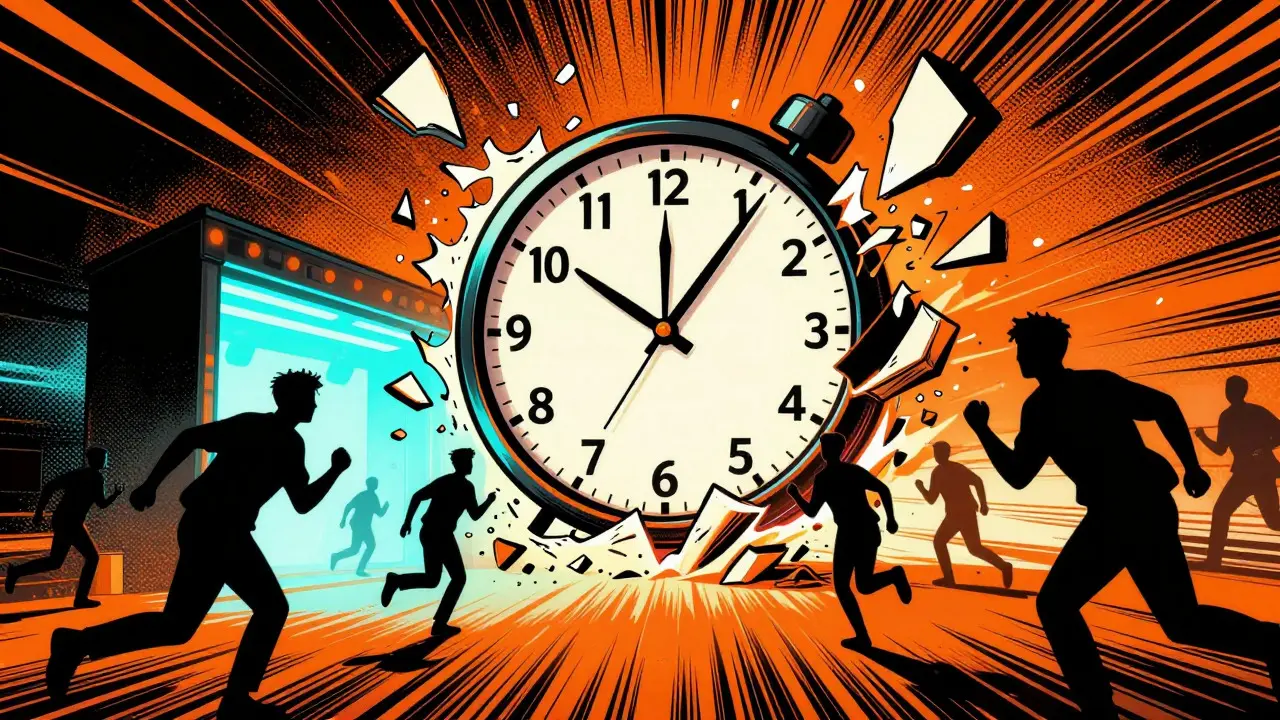
Walk into a movie theater on a random Tuesday night, and you might see the same blockbuster that has been playing for six weeks. Now, imagine walking in for a specific date-say, a 4K restoration of a classic or a director’s cut with a Q&A-and knowing it disappears from the schedule after just three days. That is the core of event cinema. It is not just about showing a movie; it is about creating urgency. In 2026, as streaming competition intensifies, theaters are using limited-time engagements to turn casual viewers into dedicated attendees who pay more for the privilege of being there "now."
What Defines an Event Cinema Engagement?
At its simplest, an event cinema engagement is a screening scheduled for a specific, short window rather than an open-ended run. Unlike standard theatrical releases that stay on the marquee until box office numbers drop below a certain threshold, these events have a hard start and end date. This scarcity drives behavior. When people know a film will only be shown for 72 hours, they stop waiting to see if their friend is free next weekend. They buy tickets today.
This strategy relies heavily on the concept of Premium Screenings, which often include added value beyond the film itself. Think of live orchestral scores, behind-the-scenes documentaries, or exclusive merchandise. The goal is to make the theater visit feel like a unique cultural experience rather than just a content consumption habit. By limiting the time, the theater transforms a commodity (a movie) into an event (a moment you cannot miss).
The Economics of Scarcity and Premium Pricing
Why do theaters take the risk of limiting showings? Because the average ticket price for an event can be 30% to 50% higher than a standard matinee. A regular $15 ticket becomes a $22 or $25 entry when bundled with a special experience. For independent cinemas, this margin difference is vital. It allows them to justify higher operational costs, such as hiring extra staff or upgrading projection equipment for those specific nights.
Consider the case of IMAX screenings. These are inherently limited by the number of IMAX-equipped screens in a city. If a major franchise releases a film, the IMAX version is often treated as an event. Audiences understand that seeing it in IMAX is a special treat, not a default option. This psychological shift allows distributors to command higher prices without losing volume, because the demand is driven by exclusivity rather than convenience.
| Feature | Standard Release | Event Cinema Engagement |
|---|---|---|
| Duration on Marquee | 2-8 weeks (variable) | 1-7 days (fixed) |
| Average Ticket Price | $14 - $16 | $20 - $30+ |
| Primary Driver | Convenience and availability | Urgency and exclusivity |
| Target Audience | General public | Fans, cinephiles, collectors |
| Marketing Focus | Broad reach, trailers | Niche communities, social media hype |
Strategic Use Cases for Distributors
Distributors use limited-time engagements for several distinct reasons. First, it helps clear out back catalog titles. Instead of leaving old films gathering dust on digital shelves, they release them in select theaters for a week. This generates fresh revenue from physical admissions and keeps the brand relevant. Second, it supports award season campaigns. When a film is nominated for major awards, a limited re-release creates buzz and reminds the industry that the film is still culturally significant.
Third, it serves as a test market. Before committing to a wide release, studios might screen a new film in key cities for one weekend. If the per-screen average exceeds expectations, they expand. If not, they pivot to streaming. This data-driven approach reduces financial risk. In 2026, with production costs rising, this precision in distribution is more critical than ever.
The Role of Technology in Enhancing Events
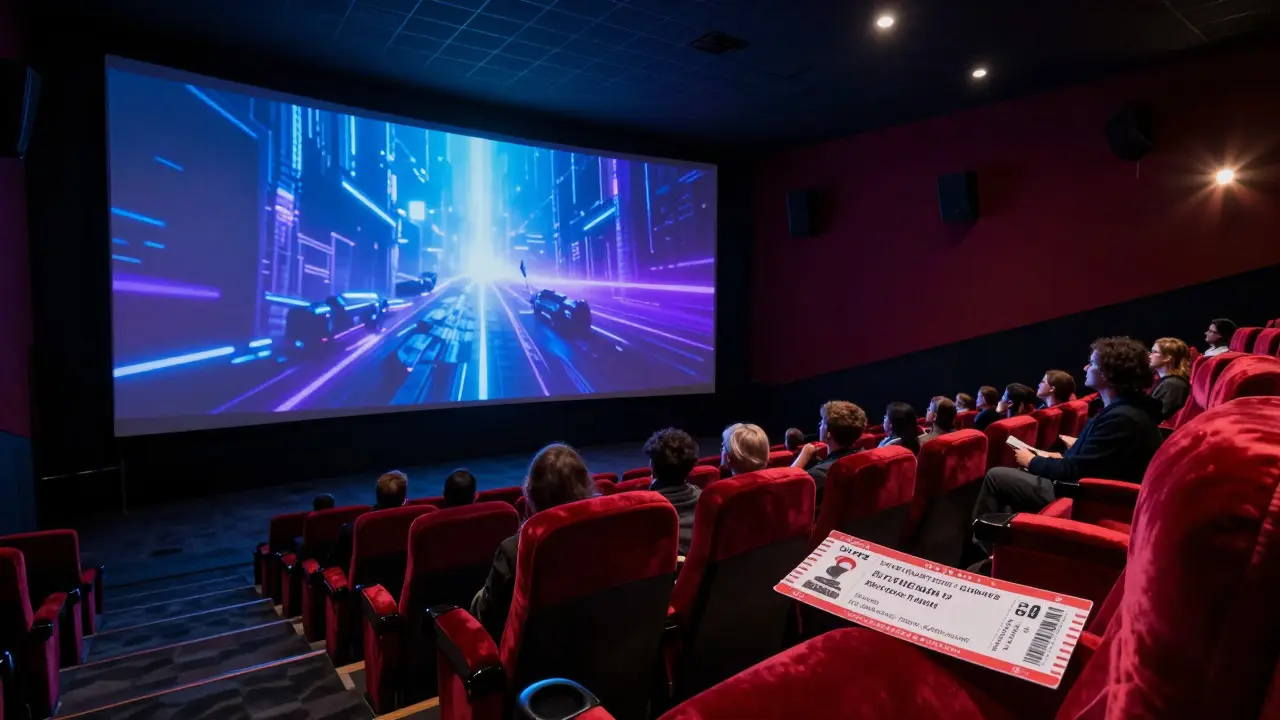
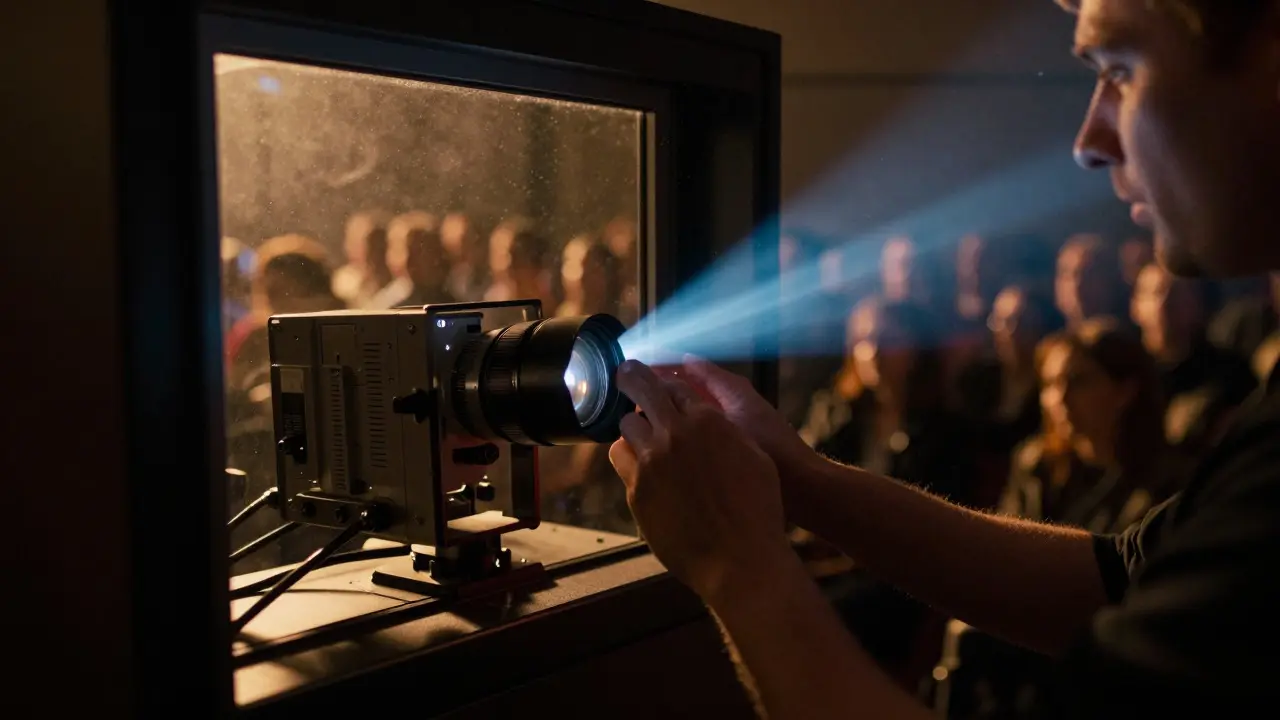
Technology plays a massive role in making these events appealing. High Frame Rate (HFR) projection, Dolby Atmos sound, and 4K laser projection are no longer luxuries but expectations for premium experiences. When a theater advertises an event, they are selling the technical superiority of the format. A fan watching a sci-fi epic at home on a TV will always prefer the scale of a 30-foot screen with immersive audio.
Additionally, digital marketing tools allow for hyper-targeted advertising. Social media platforms enable theaters to reach specific demographics within a five-mile radius. They can post countdowns, share user-generated content from previous events, and offer early-bird discounts. This creates a feedback loop where anticipation builds before the doors even open. The technology doesn't just show the film; it sells the experience of watching it.
Risks and Challenges of Limited Runs
It is not all smooth sailing. The biggest risk is overestimating demand. If a theater books a large auditorium for a niche event and only half the seats fill, the revenue per seat drops significantly. Fixed costs like staffing and utilities remain the same regardless of attendance. Therefore, accurate forecasting is essential. Many theaters now use dynamic seating models, starting with smaller rooms and expanding only if waitlists form.
Another challenge is audience fatigue. If every movie is an "exclusive event," the term loses its meaning. Viewers become desensitized to the urgency. To combat this, theaters must curate carefully. Not every title deserves the event label. It should be reserved for films with genuine cultural weight, technical innovation, or strong fan bases. Quality control is key to maintaining the prestige of the program.
Best Practices for Implementing Event Strategies
If you are running a cinema or managing a distribution slate, here are practical steps to maximize success:
- Curate with Intent: Choose films that have a built-in audience or a strong visual hook. Avoid generic dramas unless they have a famous director attached.
- Create Bundles: Pair the ticket with a small perk, like a digital poster, a drink discount, or access to a pre-show talk. This adds perceived value.
- Leverage Local Partnerships: Work with local bookstores, coffee shops, or art galleries to cross-promote. This taps into community networks that broad advertising misses.
- Use Real-Time Data: Monitor ticket sales in the first 48 hours. If momentum is low, adjust marketing spend or add incentives immediately.
- Document the Experience: Encourage attendees to share photos and videos. User-generated content is the most powerful marketing tool for future events.
Future Trends in Event Cinema
Looking ahead, we can expect hybrid formats to become more common. Imagine a live concert film streamed globally but also shown in theaters with a synchronized live chat feature. Or interactive experiences where audience votes influence minor plot points during the screening. These innovations blur the line between cinema and entertainment events. The core principle remains the same: create a reason to leave the house. In a world where content is everywhere, the theater wins by offering something that cannot be replicated at home.
Frequently Asked Questions
How long does a typical event cinema engagement last?
Most event cinema engagements last between one and seven days. Some high-profile premieres may extend to two weeks, but the goal is to maintain scarcity. Shorter runs create higher urgency and better per-screen averages.
Are event cinema tickets more expensive than regular ones?
Yes, typically by 30% to 50%. The higher price reflects the premium nature of the experience, which may include better projection formats, exclusive content, or additional amenities. The value proposition is the uniqueness of the occasion.
Which types of films work best for limited-time engagements?
Films with strong visual appeal, such as blockbusters in IMAX or 4K, perform well. Classics undergoing restorations, award-winning indie films, and live-action concert movies also thrive. The common thread is a reason for fans to seek out a specific viewing experience rather than just the story.
How do theaters market these limited events effectively?
They use targeted social media campaigns, email newsletters to loyal customers, and partnerships with local influencers. Creating a sense of community around the event, such as hosting pre-screening discussions or collector meetups, also drives attendance. Scarcity messaging is central to all promotional materials.
Can event cinema strategies apply to small independent theaters?
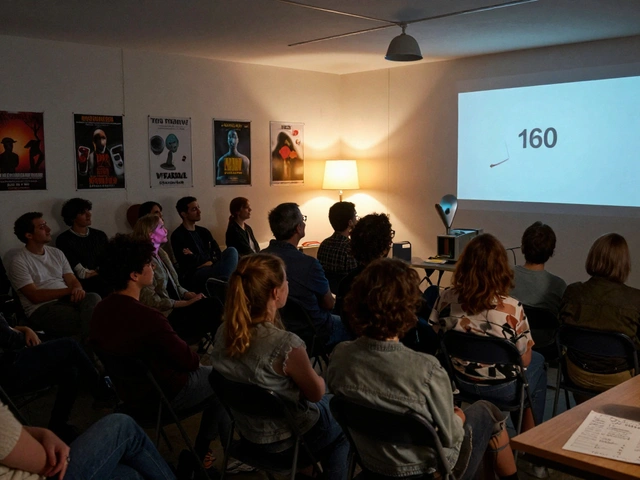
Absolutely. Independent theaters often excel at this model because they have closer relationships with their audiences. They can host niche events, such as silent film screenings with live music or foreign language festivals, that larger chains might overlook. Their agility allows them to react quickly to trending topics or local interests.