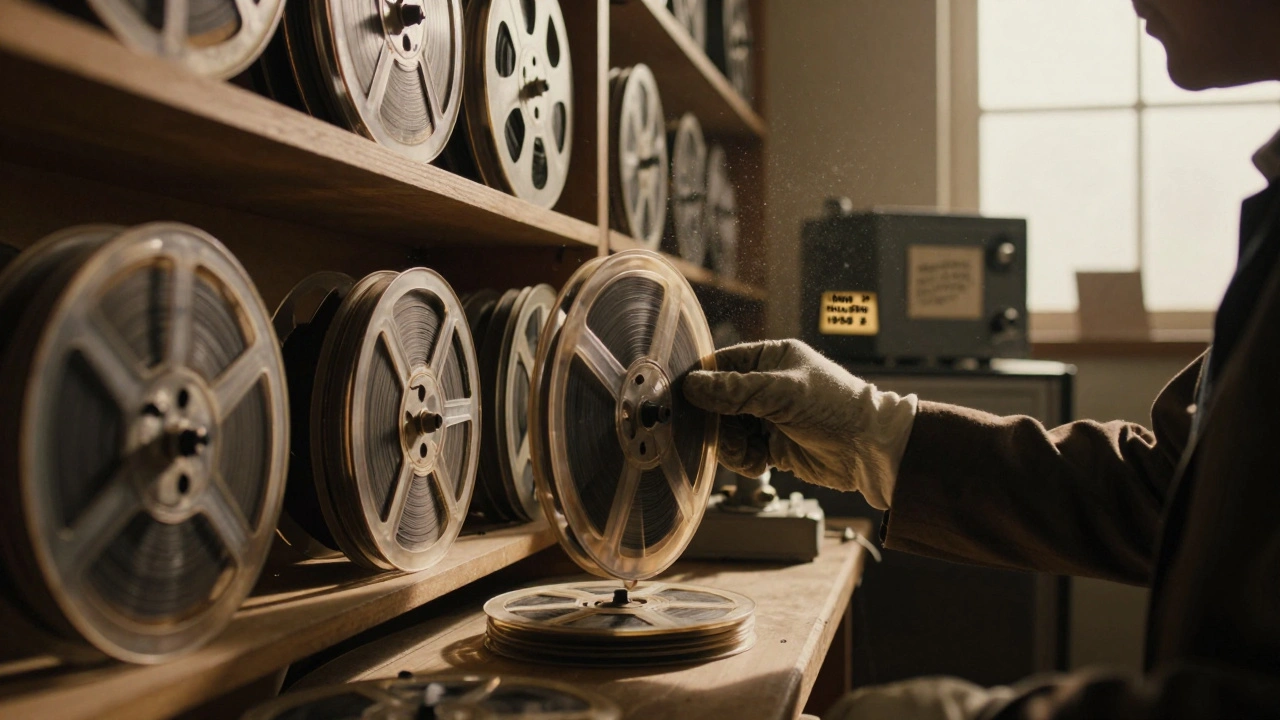
For decades, queer films were erased, buried, or destroyed-not because they weren’t important, but because they were seen as dangerous, shameful, or too risky to keep. A single reel of a 1920s silent film starring a same-sex couple might have been tossed into a furnace. A lesbian drama from the 1970s could vanish because no studio wanted to claim it. Today, a quiet but urgent movement is working to recover what was lost and protect what remains. This isn’t just about saving old movies. It’s about reclaiming identity, rewriting history, and making sure future generations know that queer stories have always existed.
What’s at Stake in Queer Film Preservation?
More than 70% of silent-era LGBTQ+ films are gone. That’s not a guess-it’s based on research from the George Eastman Museum and the UCLA Film & Television Archive. Many of these films were never distributed widely. They were shown in underground clubs, private screenings, or as part of traveling vaudeville acts. Once the reels wore out or were deemed worthless, they were discarded. Even films that survived often had key scenes cut-homosexual kisses removed, gender-nonconforming characters re-edited into straight roles.
Take The Captive (1915), one of the earliest known films with openly queer themes. It was banned in several states and eventually lost. Only a single frame survives. Or Victor/Victoria (1933), a French film with a transgender lead, which disappeared after its original distributor went bankrupt. These aren’t obscure footnotes-they’re foundational texts in queer cinema that shaped how LGBTQ+ people saw themselves.
Key Archives Leading the Way
Today, a handful of institutions are doing the heavy lifting. The GLBT Historical Society in San Francisco holds over 12,000 items related to queer film, including personal letters from filmmakers, production stills, and unedited footage from the 1980s AIDS activist movement. Their collection includes the only known copy of Word Is Out (1977), one of the first documentaries made by and for gay people.
The BFI National Archive in London has restored more than 200 LGBTQ+ films since 2010, including Desert Hearts (1985), which was nearly lost due to vinegar syndrome-a chemical decay that eats away at old film stock. Their team uses cold storage, digital scanning, and color correction techniques to bring these films back to life.
In New York, the Cinema Eye Honors partners with independent archivists to fund restoration projects. They’ve helped preserve Paris Is Burning (1990) and The Times of Harvey Milk (1984), both of which were on the verge of disintegration. Without their intervention, these films might have vanished by 2030.
How Film Degradation Threatens Queer History
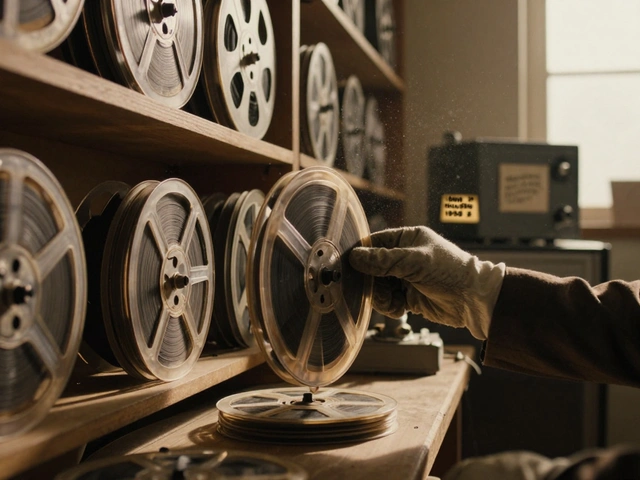
Film doesn’t just break-it decays. Nitrate film, used before 1951, is highly flammable and turns to powder over time. Even acetate film, the kind used from the 1950s to the 1990s, suffers from “vinegar syndrome.” When this happens, the film smells like vinegar and shrinks, warps, and becomes unreadable. Once it’s gone, it’s gone forever.
There’s a brutal timeline: 80% of films made before 1950 are lost. For queer films, the loss rate is higher. Why? Because they weren’t preserved by major studios. They weren’t considered valuable. Many were made on shoestring budgets by amateur filmmakers, LGBTQ+ collectives, or underground distributors who didn’t have the resources to store them properly.
Even digital files aren’t safe. Early digital formats like MiniDV tapes, DATs, and early hard drives are now obsolete. The software needed to read them doesn’t exist anymore. A 1995 lesbian short film stored on a floppy disk? It’s unreadable unless someone still has the machine-and the knowledge-to open it.
Community-Led Efforts: The Unsung Heroes
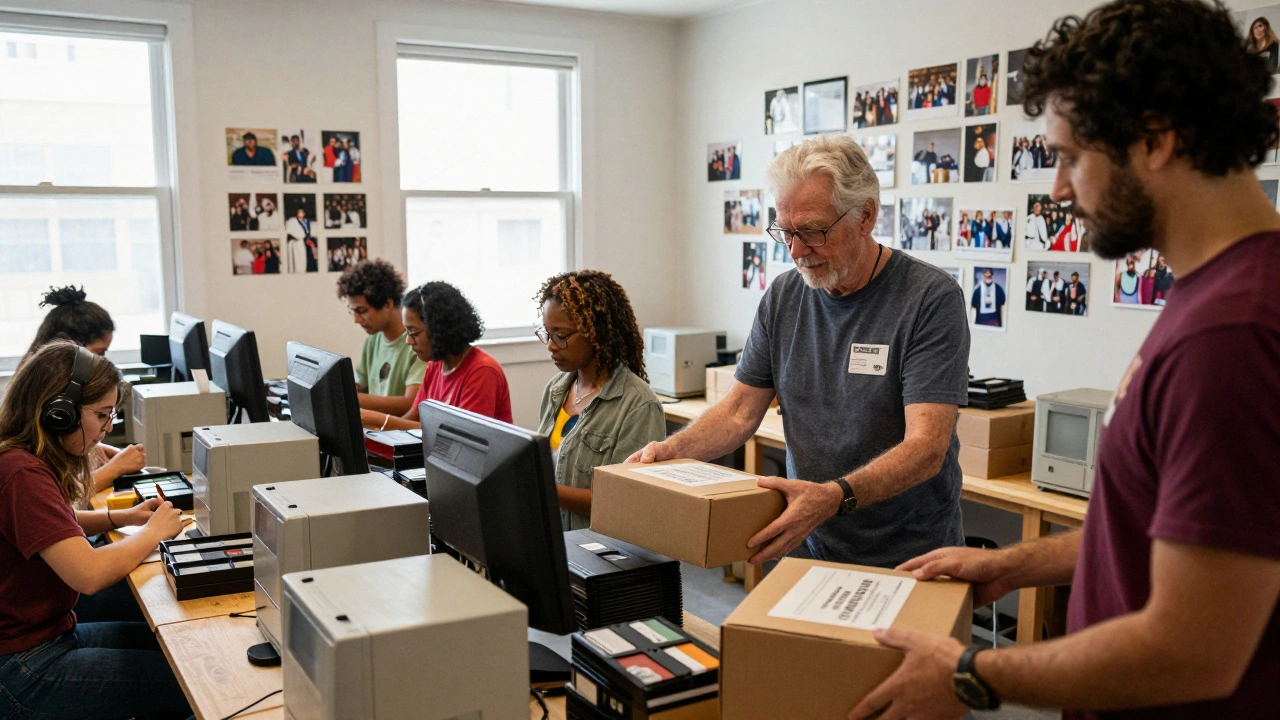
While institutions get funding and headlines, the real heartbeat of queer film preservation comes from grassroots efforts. In Portland, a group of volunteers runs the Queer Film Rescue Project. They collect VHS tapes, Super 8 reels, and digital files from aging LGBTQ+ elders who don’t know how to preserve their own work. One woman, 78, handed them a box of home movies from her 30-year relationship with her partner. The footage showed them dancing at pride parades, cooking together, arguing over bills-ordinary moments that are now priceless historical records.
Similar projects exist in Chicago, Atlanta, and even small towns. In Asheville, a local theater collective digitized 40 hours of footage from the 1990s drag scene, including performances by performers who died during the AIDS crisis. They didn’t wait for permission. They didn’t ask for grants. They just started scanning.
These efforts are messy. They’re underfunded. But they’re the reason we still have access to My Own Private Idaho (1991) in its original cut, or the full-length version of Looking for Langston (1989), which was edited down by distributors who thought it was “too gay.”
The Role of Technology in Saving What’s Left
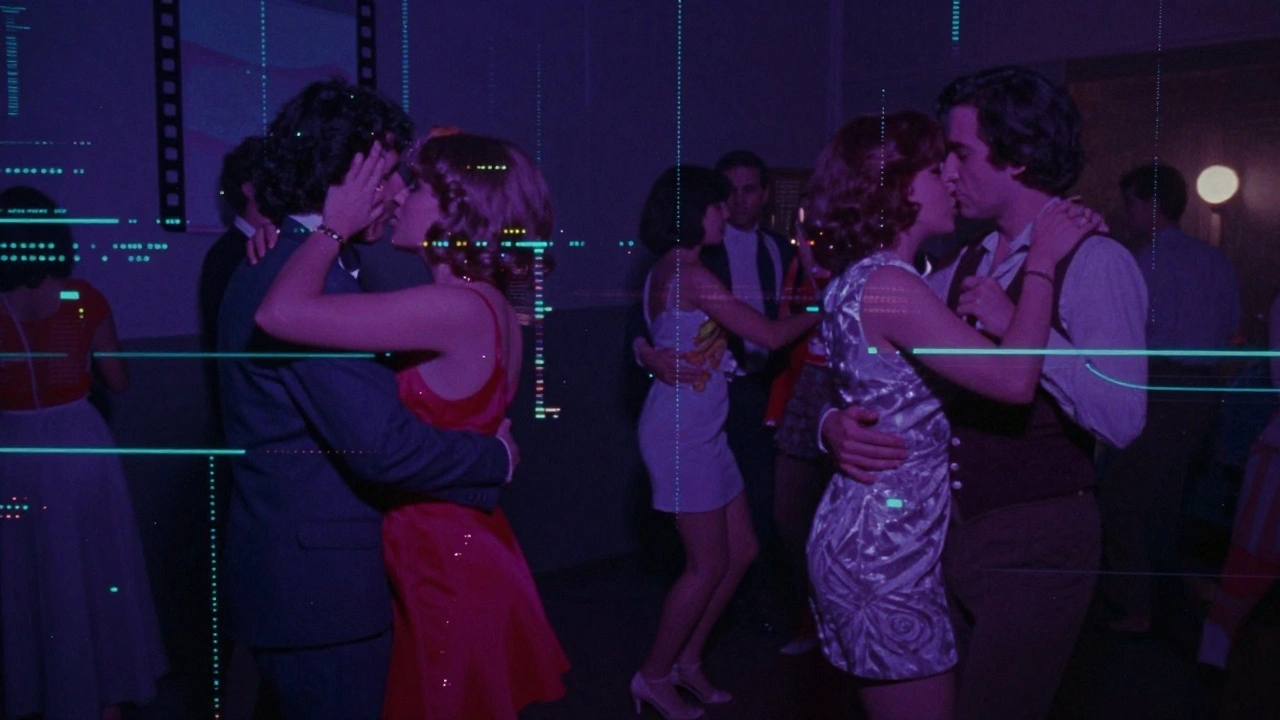
Digital restoration has changed everything. High-resolution scanners can recover images from moldy, shrunken film. AI tools now help color-correct faded frames and even reconstruct missing scenes by analyzing surviving footage. The LGBTQ+ Film Archive Initiative at the University of Michigan used machine learning to reconstruct a 1969 underground film called Gay Power from 12 scattered reels. The AI matched frame patterns, audio cues, and even clothing details to rebuild the film with 94% accuracy.
But technology alone isn’t enough. It needs context. Who filmed this? Why? Who was in the frame? Without oral histories, notes, or letters, restored films can feel hollow. That’s why archivists now pair digital restoration with interviews. They record elders talking about what they saw in the theater, who showed up, who got arrested after the screening. These stories turn pixels into people.
Why This Matters Beyond Film
Queer film isn’t just entertainment. It’s evidence. It’s proof that LGBTQ+ people lived, loved, resisted, and created long before Stonewall. It’s proof that we were never invisible-we were just made to be forgotten.
When a young queer person watches a restored 1950s film where two men hold hands in a park, it’s not nostalgia. It’s validation. It says: You are not new. You are not alone. Your ancestors were here, and they fought to be seen.
And when we lose these films, we lose more than images. We lose the ability to trace our roots. We lose the tools to challenge the lie that queer identity is a trend. We lose the power to say: This is who we’ve always been.
How You Can Help
You don’t need to be a film expert to help preserve queer cinema. Here’s how you can contribute:
- Find old home videos or film reels in your family’s attic. If they’re labeled “gay,” “drag,” “pride,” or “1980s,” save them. Don’t throw them out.
- Donate to organizations like the Outfest UCLA Legacy Project or the GLBT Historical Society.
- Volunteer to digitize tapes at local queer centers. Many need help with basic scanning.
- Support independent queer filmmakers who are archiving their own work. Buy their DVDs. Share their online collections.
- Ask your local library or museum if they have a queer film collection. If not, push for one.
Every reel you save, every interview you record, every dollar you donate keeps a piece of our history alive.



Comments(5)