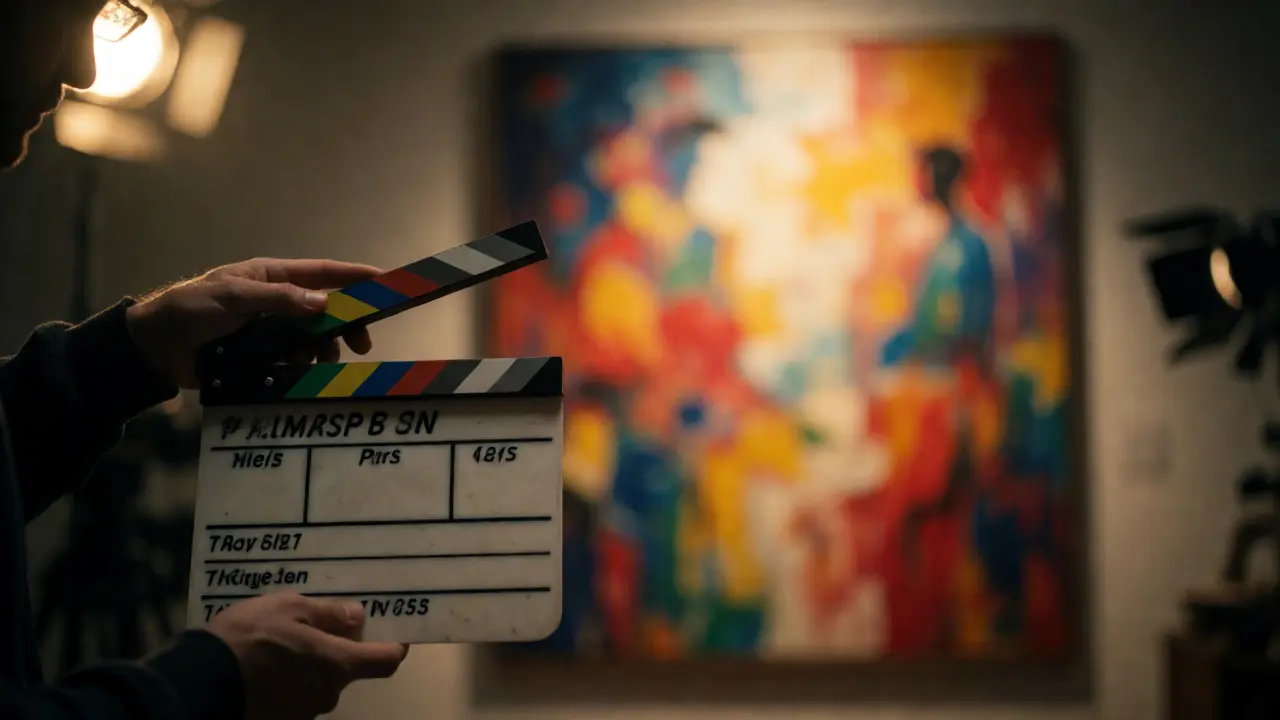
You spent months editing your indie feature. The color grade is perfect, the sound mix is crisp, and the story lands exactly how you wanted. Then a distributor’s lawyer calls with one question that can kill your deal before it starts: "Do you have clearance for the painting in the background of Scene 4?" If you didn’t track it during production, you’re now facing a choice between reshooting, blurring out the art, or losing the sale. This isn’t just bureaucratic red tape; clearance is the process of securing permission to use copyrighted works like paintings, sculptures, logos, and brand marks in your film. Skipping this step doesn’t just risk fines-it risks your entire release window.
Why Visual Rights Matter More Than You Think
Most filmmakers focus heavily on music rights because they know those licenses are expensive and complex. But visual assets-artwork hanging on walls, logos on t-shirts, billboards in city shots-are often overlooked until post-production. Under US copyright law, any original work fixed in a tangible medium is automatically protected. That includes a street artist’s mural or a designer’s logo. Using them without permission constitutes infringement, even if it’s only visible for two seconds.
The stakes vary by context. A fleeting glimpse of a Nike swoosh on a runner’s shoe might fall under de minimis use (a legal concept meaning the usage is so trivial it doesn’t require permission), but a close-up shot of a Warhol print used as a plot device definitely does not. The difference lies in prominence, duration, and commercial impact. If the artwork helps tell the story or draws attention, you need a license. If it’s accidental background noise, you might get away with it-but "might" is a dangerous word in legal contracts.
Distinguishing Between Art and Trademark Clearance
Filmmakers often confuse copyright and trademark issues, but they require different approaches. Copyright protects creative expression like paintings, photographs, and illustrations. To clear copyright, you need permission from the creator or their estate. On the other hand, Trademark protects brand identifiers like logos and slogans that indicate source. Here, you aren’t just asking for permission to copy; you’re ensuring you don’t cause consumer confusion about sponsorship or endorsement.
For example, showing a Coca-Cola bottle involves both. The label design is copyrighted; the logo is trademarked. You typically need a trademark disclaimer or specific permission if the brand appears prominently. Conversely, a generic chair design might be patented but not copyrighted, while a unique sculpture is almost always copyrighted. Knowing which right applies saves time when contacting rights holders.
The Fair Use Defense: Your Safety Net?
Many directors hope to rely on fair use to avoid paying licensing fees. It’s a flexible doctrine, but it’s also unpredictable. Courts look at four factors:
- Purpose and Character: Is your use transformative? A documentary analyzing a painting has a stronger claim than a fictional drama using it as set dressing.
- Nature of the Work: Creative works get more protection than factual ones.
- Amount Used: Did you show the whole piece or just a detail?
- Market Effect: Does your use hurt the market value of the original?
Relying solely on fair use is risky for commercial films. Distributors rarely accept fair use arguments for prominent visual elements because they don’t want to litigate. They prefer signed releases. Use fair use only for news reporting, criticism, or commentary where the artwork is the subject of analysis, not just decoration.
Step-by-Step Clearance Process
Start early. Ideally, your location scout or production designer flags potential issues before shooting begins. Once you’ve identified the asset, follow these steps:
- Identify the Rights Holder: For living artists, contact them directly or through their gallery. For deceased artists, check estates or licensing agencies like VAGA (Visual Artists Rights Act) in New York. For logos, find the corporate legal department or marketing team.
- Gather Evidence: Take high-res photos of the artwork in its current state. Note dimensions, condition, and any existing labels.
- Contact and Negotiate: Send a formal request explaining the project scope, distribution plans, and how the image will appear. Be transparent. Some artists charge flat fees; others take a percentage of profits.
- Secure Written Permission: Verbal agreements don’t hold up. Get a signed release form specifying territory, term, and media types.
- Document Everything: Keep copies of emails, invoices, and contracts in your production binder.
Common Pitfalls and How to Avoid Them
One major mistake is assuming public domain status incorrectly. In the US, works published before 1928 are generally public domain, but newer rules apply to unpublished works or those with renewed copyrights. Always verify the publication date. Another trap is ignoring moral rights. In some jurisdictions, artists can object to derogatory treatment of their work. Even in the US, the Visual Artists Rights Act grants certain protections against distortion.
Also, beware of "background clutter." If a scene features multiple artworks, each requires individual clearance unless they’re clearly incidental. Blurring out logos in post-production is a common fix, but it looks amateurish if done poorly. Better to remove the item physically during filming if possible.
Costs and Budgeting for Clearances
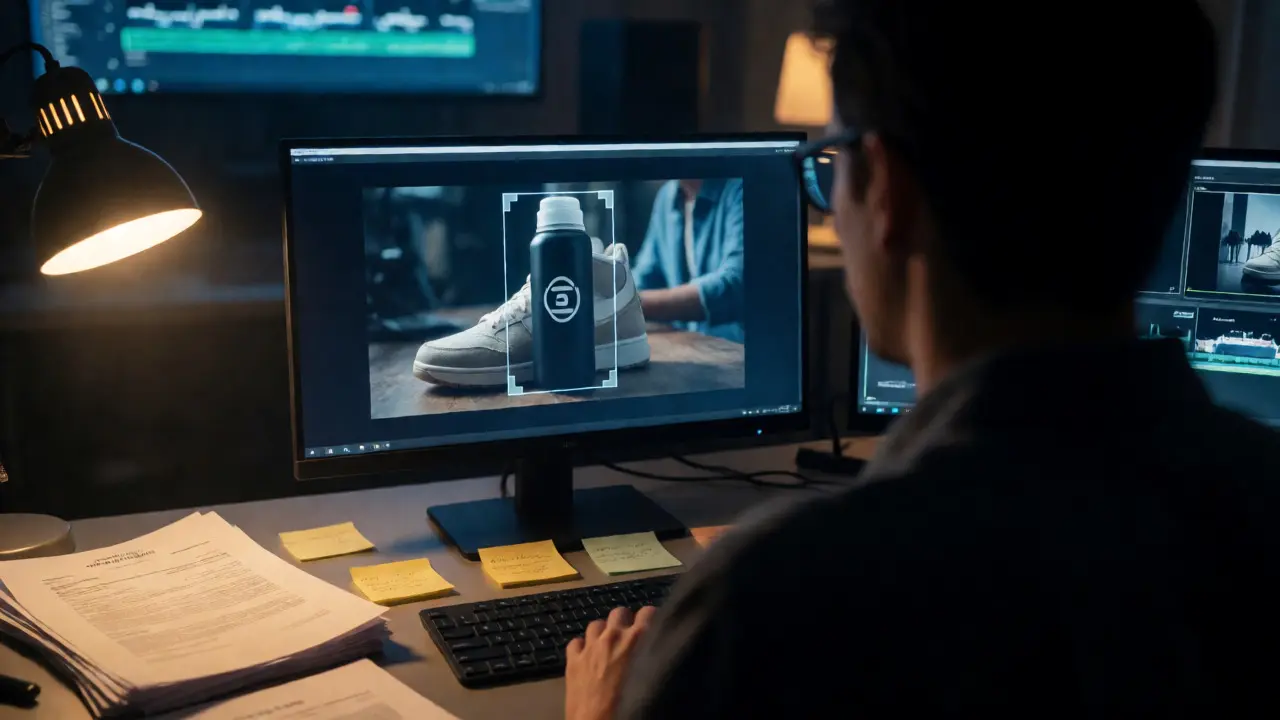
Budgeting for clearances varies wildly. A small indie film might spend $500-$2,000 per major artwork, while a blockbuster could pay tens of thousands for iconic pieces. Logos often cost less if the brand sees positive exposure, sometimes resulting in free placement deals. However, luxury brands may demand significant fees to protect exclusivity.
| Asset Type | Typical Cost Range | Timeframe |
|---|---|---|
| Local Artist Painting | $200 - $1,000 | 1-2 Weeks |
| Well-Known Logo | $0 - $5,000+ | 2-6 Weeks |
| Museum Collection Piece | $1,000 - $10,000+ | 1-3 Months |
| Public Domain Art | $0 | N/A |
When to Blur vs. License
If the budget doesn’t allow for licensing, consider alternatives. Digital blurring is cheap but visually distracting. Physical removal is best but requires set changes. Substitution-using a fake brand created specifically for the film-is a popular trick seen in movies like Wayne’s World. Create a fictional logo that evokes the real thing without infringing on it. This avoids legal headaches entirely and gives you total control over the prop.
Do I need clearance for graffiti on a building?
Yes, if the graffiti is an original artistic work. Graffiti artists hold copyright just like painters. However, if the graffiti is temporary or part of a larger architectural structure, arguments for fair use or de minimis use might apply, especially if it's fleeting background footage. Always try to identify the artist.
What happens if I forget to clear a logo?
The brand owner can sue for trademark infringement. More commonly, distributors will refuse to release the film until the issue is resolved. This could mean delaying your premiere, cutting scenes, or digitally removing the logo, all of which cost money and time.
Is background music considered art clearance?
No, music falls under separate copyright categories involving sync licenses and master use licenses. While related, art/logos involve visual reproduction rights, whereas music involves audio synchronization rights. Both must be cleared independently.
Can I use a famous painting if it's in a museum?
Not necessarily. Museums often own the physical object but not the copyright. You need permission from the copyright holder (artist or estate) AND possibly the museum for filming rights within their space. Check the museum's filming policy separately.
How long do clearances last?
This depends on the contract. Standard film licenses often cover perpetuity (forever) for all media, but some agreements limit the term to 5 or 10 years. Always negotiate for perpetual rights if your budget allows, to avoid renegotiating later.



Comments(7)