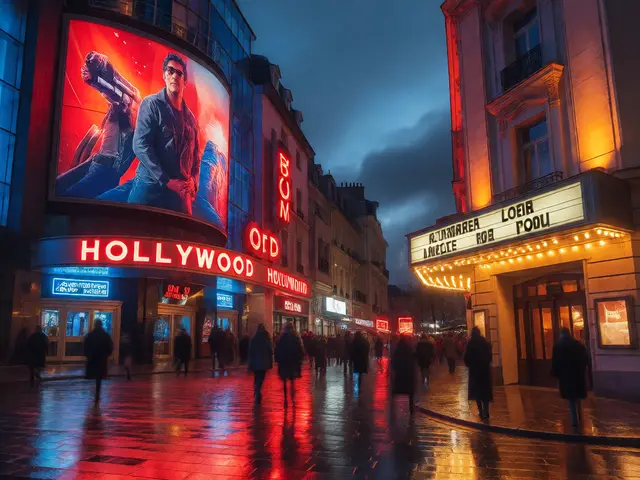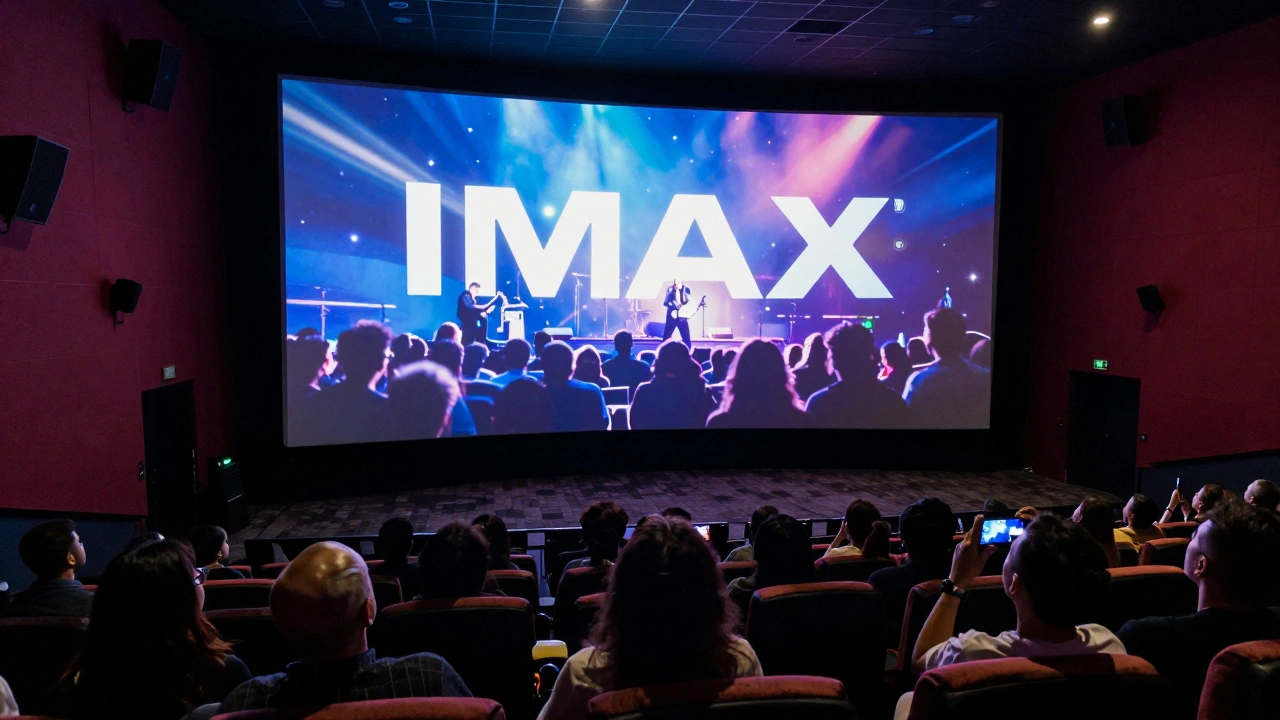
The movie theater isn't dying; it's just changing its menu. For years, industry analysts warned that streaming services would kill the traditional box office. But if you look at the numbers from 2024 through early 2026, a different story emerges. While standard blockbuster releases have plateaued or dipped slightly, a new category is surging: Event Cinema, specialized theatrical experiences that include live broadcasts, curated classics, and interactive formats. This shift isn't just a blip; it's a structural change in how audiences decide to leave their homes.
You might wonder why anyone would pay $15 for a ticket when they can watch almost anything on Netflix or Disney+ at home. The answer lies in the concept of "value beyond the screen." Event cinema offers something streaming cannot replicate: shared presence. When thousands of people laugh, gasp, or cheer simultaneously in a darkened room, the emotional impact multiplies. This social friction is exactly what drives foot traffic back to multiplexes.
The Rise of Non-Traditional Screenings
To understand the current landscape, we need to separate "movies" from "events." A standard Marvel release is still a movie. But a live broadcast of the Met Opera, a fan-led screening of Spirited Away with cosplay contests, or an interactive mystery dinner paired with a film are events. These formats rely on scarcity and community rather than just novelty.
In 2025, operators like AMC, a major North American cinema chain known for integrating dine-in options and special event programming and Regal Cinemas, one of the largest theater chains in the United States, focusing on large-format screens and premium experiences reported that non-traditional bookings accounted for nearly 18% of their total attendance. That number sounds small until you realize these events often command higher ticket prices and lower concession waste because attendees stay longer and engage more deeply.
- Live Broadcasts: Real-time transmission of concerts, sports finals, or theater performances.
- Curated Classics: Restored versions of older films shown with introductions by experts or fans.
- Interactive Experiences: Films where audience participation influences the outcome or atmosphere.
- Niche Community Screenings: Events tailored to specific fandoms, such as anime conventions or horror marathons.
This diversity allows theaters to operate year-round, not just during summer blockbuster season. It turns the cinema into a cultural hub rather than a passive viewing booth.
Why Audiences Are Returning to Theaters
Let’s be honest: home viewing has never been better. 8K TVs, surround sound systems, and endless libraries make staying in incredibly convenient. So why go out? The primary driver is social signaling. Attending an event cinema screening is a status activity. You’re not just watching a film; you’re participating in a cultural moment. Posting about it on social media becomes part of the experience.
Consider the success of The Last of Us, a popular video game adaptation that saw increased interest due to high-profile theatrical tie-ins and live Q&A sessions-inspired gatherings. Fans didn’t just want to see the show; they wanted to discuss theories, meet other fans, and feel the collective energy. Theaters provided that space. Similarly, live opera broadcasts from La Scala in Milan draw crowds who would never attend a physical opera house but love the art form. They get the spectacle without the travel cost.
Another factor is curatorial trust. With so much content available online, choice paralysis is real. People don’t know what to watch. Event cinema solves this by offering pre-selected, high-quality experiences. If a local indie theater announces a restored print of Blade Runner with commentary from a film scholar, you trust that it’s worth your time. Streaming algorithms guess what you might like; event cinema tells you what you should experience.

Revenue Models Beyond Ticket Sales
The financial model for event cinema differs significantly from traditional blockbusters. Standard movies rely on volume: millions of tickets sold at moderate prices. Event cinema relies on margin and engagement. Tickets are often priced higher-sometimes double the regular rate-but the perceived value matches the price tag.
More importantly, concessions play a bigger role. In a two-hour action movie, viewers might grab popcorn and leave. At a three-hour live concert broadcast, they order multiple rounds of drinks and food. Theatres have started pairing screenings with themed menus. Imagine watching a Japanese anime festival while eating authentic ramen prepared by a local chef. The synergy boosts average spend per customer by up to 40% compared to standard showings.
| Factor | Traditional Blockbuster | Event Cinema |
|---|---|---|
| Ticket Price Range | $12 - $18 | $20 - $35+ |
| Average Concession Spend | $8 - $12 | $15 - $25 |
| Frequency of Attendance | Low (once every few months) | Medium-High (monthly for niche fans) |
| Primary Value Driver | Novelty & Spectacle | Community & Exclusivity |
| Operational Cost Impact | High staff turnover needed | Loyal volunteer/fan base helps operations |
This economic shift means theaters can survive even if overall box office totals decline. They become less dependent on Hollywood’s release schedule and more reliant on building local communities.
Challenges Facing the Event Cinema Model
It’s not all smooth sailing. Scaling event cinema is harder than rolling out a new superhero film. First, there’s the issue of logistics. Live broadcasts require precise timing, high-bandwidth internet connections, and backup systems. A technical glitch during a live concert can ruin the experience instantly. Unlike a recorded movie, you can’t pause and fix it later.
Second, licensing complexity remains a hurdle. Rights holders for music, sports, and classic films are often fragmented. Securing permission to screen a restored version of a 1970s cult classic might involve negotiating with five different entities across three countries. This administrative burden discourages smaller independent theaters from experimenting with diverse programming.
Third, there’s the risk of audience fatigue. If every weekend feels like an "event," the term loses meaning. Consumers need variety, but they also need consistency. Too many gimmicky interactive screenings can alienate casual viewers who just want to sit quietly and enjoy a film. Finding the right balance between innovation and tradition is critical for long-term sustainability.
The Role of Technology in Enhancing Experience
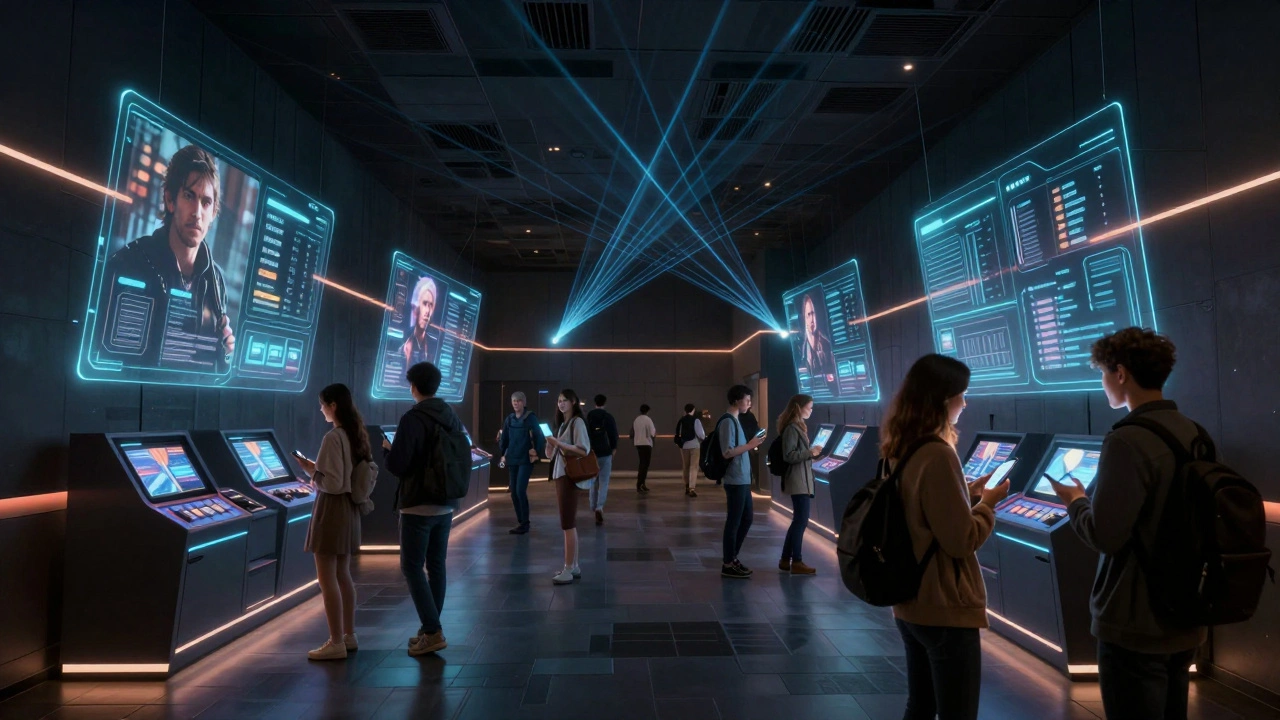
Technology isn’t replacing the human element; it’s amplifying it. Modern projection systems now support laser brightness levels that make colors pop in ways digital projectors couldn’t achieve before. Sound systems like Dolby Atmos create immersive environments where you hear footsteps above your head, adding tension to horror films or grandeur to orchestral pieces.
Beyond hardware, software plays a key role. Apps allow users to customize their experience: ordering food ahead of time, joining virtual queues for merchandise, or accessing exclusive behind-the-scenes content via QR codes during intermissions. Some theaters experiment with augmented reality overlays, letting viewers point their phones at the screen to see character stats or hidden details. While these features aren’t mainstream yet, they hint at future possibilities where the boundary between physical and digital blurs seamlessly.
Additionally, data analytics help theaters tailor offerings. By tracking which types of events attract repeat customers, managers can adjust programming dynamically. If a sci-fi convention screening draws huge crowds but low concession sales, they might partner with a nearby tech store for cross-promotions next time. This agility keeps the business model responsive to consumer behavior.
Future Outlook: What Lies Ahead?
Looking toward late 2026 and beyond, several trends seem inevitable. One is the growth of hybrid models. Theaters will increasingly host both live-streamed global events and locally produced content. Local filmmakers may use cinema spaces for premieres, followed by Q&As, fostering regional talent development. This decentralization reduces reliance on major studio releases.
Another trend is personalization. As AI improves, recommendations won’t just suggest movies-they’ll suggest experiences. "You liked the live jazz night last month; here’s an upcoming acoustic guitar showcase with similar vibes." This targeted approach increases conversion rates and customer loyalty.
Finally, expect more collaboration between brands and theaters. Fashion shows, automotive launches, and product unveilings are moving into cinematic settings. Why launch a new phone in a sterile conference hall when you can do it in a 1,000-seat auditorium with dramatic lighting and synchronized applause? These partnerships bring fresh revenue streams and keep venues relevant in broader cultural conversations.
Ultimately, event cinema represents a return to basics: connection, shared emotion, and memorable moments. In a world saturated with digital noise, stepping into a quiet theater filled with strangers united by curiosity remains powerful. Whether it’s laughing at a comedy roast, crying at a restored drama, or cheering for a live sporting victory, the magic happens when we stop consuming alone and start experiencing together.
What exactly is event cinema?
Event cinema refers to special theatrical screenings that go beyond standard movie releases. This includes live broadcasts of concerts or sports, curated classic films with expert introductions, interactive experiences, and niche community gatherings. The focus is on creating a unique, shareable experience rather than just showing content.
Is event cinema profitable for theaters?
Yes, often more so than traditional screenings. Higher ticket prices, increased concession spending, and stronger audience engagement lead to better margins. Additionally, these events attract loyal fans who visit regularly, stabilizing income outside peak seasons.
How does event cinema differ from streaming?
Streaming offers convenience and personalization, allowing individual viewing anytime. Event cinema emphasizes social interaction, exclusivity, and sensory immersion. You experience emotions collectively with others, enhanced by superior audio-visual technology and curated programming.
Can small independent theaters benefit from event cinema?
Absolutely. Independent theaters thrive on community connections. Hosting local filmmaker Q&As, themed retrospectives, or niche genre nights builds dedicated followings. However, licensing rights for certain content can be complex, requiring careful negotiation.
What technologies enhance the event cinema experience?
Key technologies include laser projection for vibrant visuals, Dolby Atmos for immersive sound, mobile apps for seamless ordering and engagement, and emerging AR tools for interactive layers. Reliable high-speed internet is crucial for live broadcasts to prevent disruptions.