
Imagine standing in a crowded hotel lobby in Berlin or Cannes. You have a reel of your film on a tablet, a stack of business cards, and a nervous energy that only filmmakers know. Around you, hundreds of producers, sales agents, and distributors are moving fast, checking watches, and making deals that will determine if your movie sees the light of day outside your home country. This is the European Film Market, also known as EFM when it happens at Cannes, or its counterparts like the Berlinale Co-Production Market. It is not just a place; it is a mechanism. It is where art meets commerce, and where your passion project gets a ticket to the world.
If you are looking for international distribution connections, you need more than just a good script. You need a strategy. The market is saturated. Every year, thousands of projects compete for the attention of a few hundred key buyers. The difference between getting ignored and getting signed often comes down to preparation, timing, and knowing exactly who holds the keys to specific territories.
The Landscape of European Markets
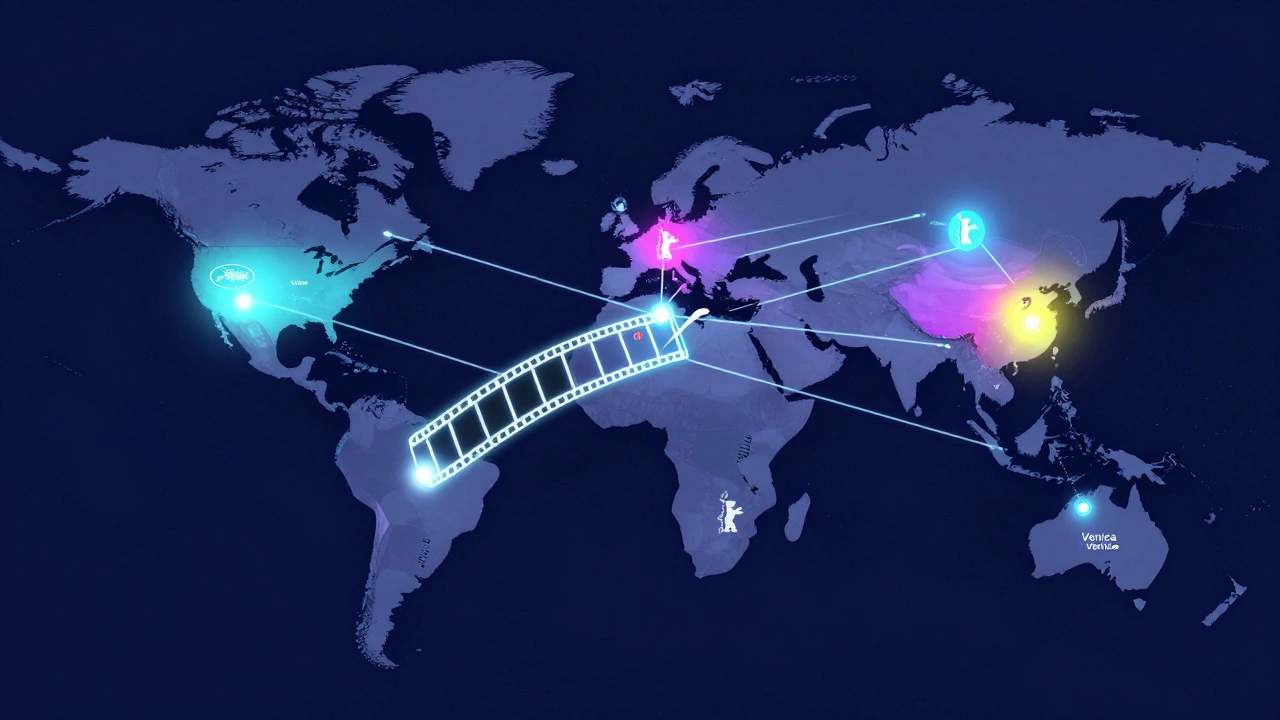
To navigate this terrain, you first need to understand the map. The term "European Film Market" often refers specifically to the market held during the Cannes Film Festival, but the ecosystem includes several major hubs, each with a distinct flavor and audience.
| Market Name | Location & Timing | Primary Focus | Best For |
|---|---|---|---|
| Cannes EFM | Cannes, France (May) | High-end commercial films, prestige dramas, star-driven projects | Films with A-list talent or high production value seeking global wide release |
| Berlinale Co-Production Market | Berlin, Germany (Feb) | Co-productions, emerging voices, social themes | Projects needing funding partners and cross-border collaboration |
| Marché du Film (Venice) | Venice, Italy (Sept) | Auteur cinema, artistic risk-taking | Art-house films aiming for festival circuit success before distribution |
| Eurimages / CPH:DOX | Various / Copenhagen | Documentaries and niche genres | Non-fiction storytellers seeking specialized distributors |
Each of these markets serves a different purpose. If your film is a big-budget thriller with a recognizable lead actor, Cannes is your playground. If you are developing a story that requires funding from three different countries, Berlin might be your best bet. Understanding this distinction saves you time and money. You do not want to pitch a gritty documentary to a distributor looking for family-friendly animation.
Identifying Key Players in the Chain
Who actually buys your film? It is not usually one person. The chain of International Distribution involves several layers, each with their own priorities.
- Sales Agents: These are your primary partners. They represent your film to the world. They negotiate rights for TV, streaming, theatrical, and video-on-demand across different regions. A good sales agent has relationships with buyers in over 100 territories. Look for agents who specialize in your genre. If you make horror, find an agent who knows the horror landscape in Asia and Latin America.
- Territory Distributors: These companies buy the rights to show your film in specific countries. A distributor in France may have no influence in Japan. You need to identify which distributors are active in your target markets. For example, MK2 is a powerhouse in France, while Arrow Films dominates the UK cult classic scene.
- Streaming Platforms: Netflix, Amazon Prime, and Mubi are now major players. They often acquire rights directly or through sales agents. Their interest depends on data-what similar films performed well in their region?
- Festival Programmers: While they don't distribute your film commercially, their selection can trigger distribution deals. A premiere at Sundance or Toronto can double the value of your film in the eyes of buyers.
Your job is to connect with the right people at the right level. Sending a generic email to a CEO rarely works. Instead, target acquisition executives or programmers who have publicly expressed interest in your genre.
Preparation: What Buyers Actually Want
Before you step into any meeting, you need materials that speak the language of business. Buyers are busy. They spend minutes, not hours, evaluating a project. Your package must be concise and compelling.
- The Trailer: This is non-negotiable. It should be under two minutes. Show the tone, the stakes, and the emotional core. Do not reveal the ending. Use music that sets the mood, not just loud noise.
- The Look Book: A visual document that shows the aesthetic of your film. Include concept art, stills from previous work, and mood boards. This helps buyers visualize the final product, especially if the film is still in development.
- The Synopsis: Keep it to one page. Start with a logline-a single sentence that captures the essence of the story. Then expand into a brief summary. Avoid jargon. Write clearly and emotionally.
- Comparables (Comps): List three recent films similar to yours in theme or style. Include their box office performance or streaming numbers. This shows buyers that there is a market for your idea. For instance, "Think *Parasite* meets *Get Out*" tells a buyer exactly what kind of tension and social commentary to expect.
- Casting Attachments: If you have actors attached, highlight them. Even if they are not global superstars, regional stars can open doors in specific territories.
Remember, you are selling a dream, but you must back it up with facts. Buyers need to see that you understand the market. Show them you have done your homework.
Networking Strategies That Work
Networking is not about handing out cards. It is about building relationships. Here is how to do it effectively without being intrusive.
Targeted Meetings: Schedule meetings in advance. Use platforms like FilmFreeway or direct contact through LinkedIn. Be specific in your request. "I would love to discuss my drama series with you" is better than "Can we chat?" Prepare questions for them. Ask about their current slate, their challenges, and what they are looking for next. This shows genuine interest.
Leverage Festivals: Attend smaller festivals alongside the big markets. Events like SXSW, Tribeca, or Locarno offer less crowded environments where you can have deeper conversations. Producers and distributors often use these events to scout new talent away from the chaos of Cannes.
Join Industry Groups: Organizations like the European Audiovisual Observatory provide resources and networking opportunities. Joining local chapters or online forums can connect you with peers who might introduce you to key players.
Follow Up: After every interaction, send a personalized email within 24 hours. Reference something specific from your conversation. This keeps you top of mind. If they showed interest, follow up again in a month with new updates-perhaps a completed trailer or a new cast member.
Navigating Co-Production Treaties
One of the most powerful tools in international distribution is co-production. By partnering with producers from other countries, you can access tax incentives, grants, and local distribution networks. The European Convention on Cinematographic Co-Production facilitates this by allowing films made by multiple European countries to be considered national productions in each partner country.
This means your film might qualify for funding in Germany, France, and Poland simultaneously. To take advantage of this, you need to structure your deal early. Identify potential co-producers who have experience navigating these treaties. They can help you meet the requirements for "cultural tests" that unlock public funding.
For example, if you are a US producer collaborating with a French partner, you might need to ensure that certain crew members are French or that shooting takes place in France. These details matter. Get legal advice early to avoid pitfalls later.

Common Pitfalls to Avoid
Even experienced filmmakers make mistakes. Here are some common errors that can derail your distribution efforts.
- Pitching Too Early: Do not approach distributors until you have a solid plan. If your budget is unclear or your casting is weak, they will pass. Wait until you have enough momentum to generate interest.
- Ignoring Data: Art is subjective, but distribution is data-driven. Ignore viewer demographics, streaming trends, and box office history at your peril. Buyers want to know who will watch your film.
- Being Unavailable: In the age of digital communication, buyers expect quick responses. If you take weeks to reply to an email, you lose credibility. Set up a system to manage inquiries efficiently.
- Overpromising: Do not promise things you cannot deliver. If you say your film will be ready by June, make sure it is. Missing deadlines damages your reputation permanently.
Next Steps for Your Project
Start by auditing your current materials. Is your trailer polished? Is your look book professional? If not, invest time in improving them. Next, research the top five distributors in your target genres. Find out who they are representing and what gaps exist in their catalogues.
Then, choose one market to attend. Don't try to do everything at once. Focus on building a few strong relationships rather than scattering your energy. Finally, consider hiring a consultant or mentor who has navigated this path before. Their insights can save you months of trial and error.
What is the best time to approach distributors?
The best time is when you have a completed film or a very advanced stage of production with key elements locked, such as cast and director. Ideally, aim for 6-12 months before your desired release date to allow for marketing and scheduling.
Do I need a sales agent to sell internationally?
While not strictly mandatory, a sales agent is highly recommended. They have established relationships, understand complex contracts, and can negotiate better terms than most independent producers. They typically take a commission of 10-15%.
How much does it cost to participate in the EFM?
Costs vary widely. Accreditation fees are relatively low, but travel, accommodation, and event tickets in cities like Cannes or Berlin can add up quickly. Budget at least $3,000-$5,000 for a week-long trip, excluding flights.
Can I sell my film directly to streaming platforms?
Yes, many platforms accept submissions directly. However, they receive thousands of pitches daily. Having a sales agent or a festival premiere significantly increases your chances of being noticed and securing a favorable deal.
What role do festivals play in distribution?
Festivals act as launchpads. A successful festival run generates buzz, critical acclaim, and audience engagement. This social proof makes your film more attractive to distributors, who see reduced risk in acquiring it.






Comments(9)