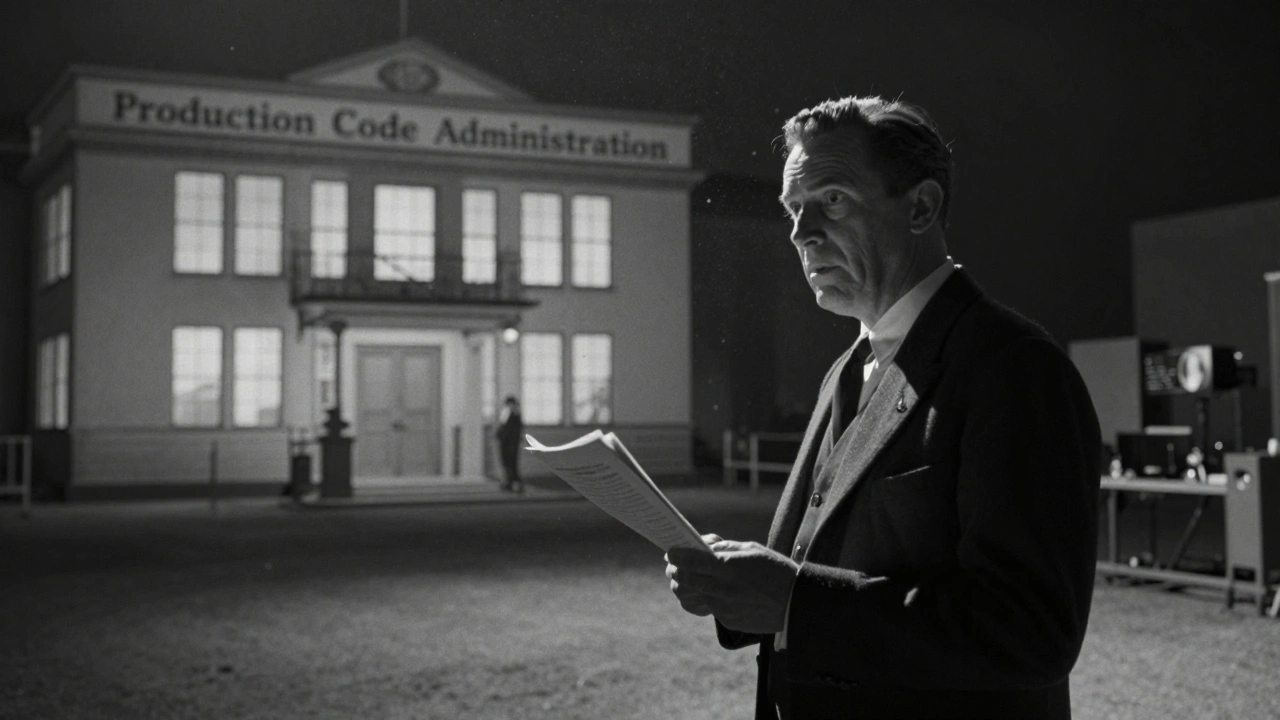
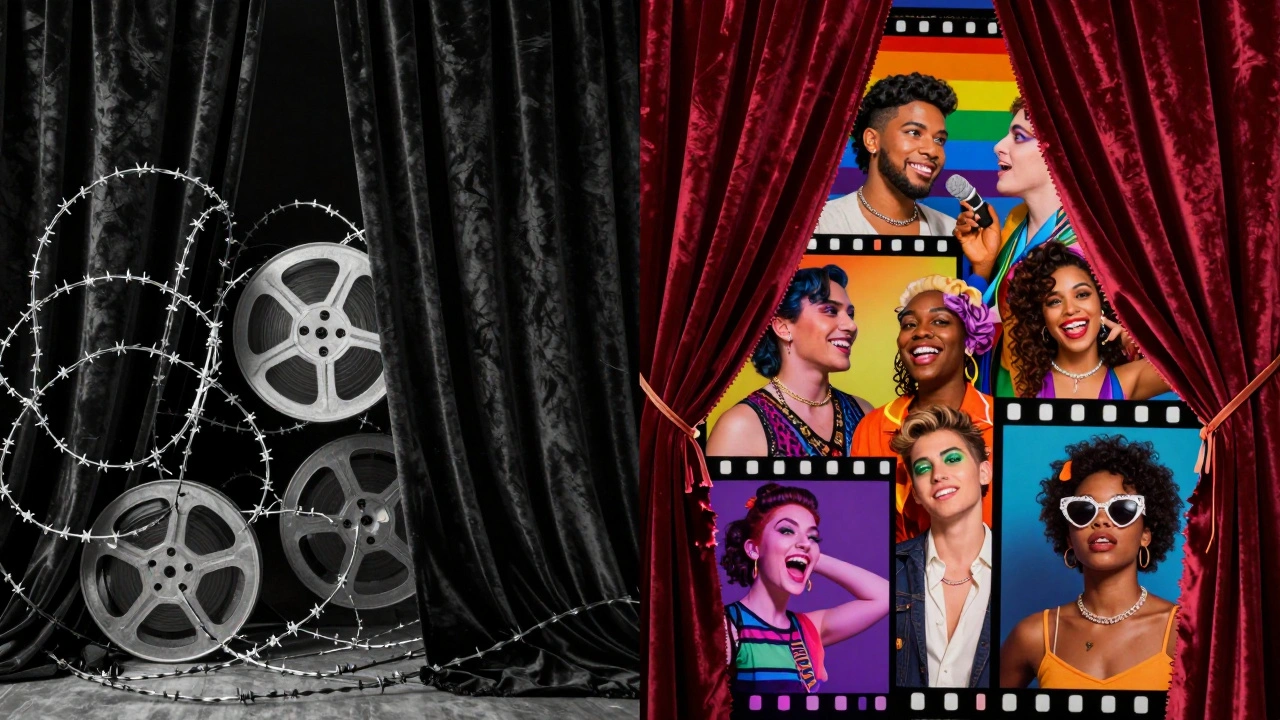
Before the Stonewall riots of 1968 and the subsequent relaxation of censorship codes, queer existence in cinema was not erased-it was hidden in plain sight. Directors, writers, and actors who identified as gay or lesbian could not openly discuss their lives without risking blacklisting, career suicide, or legal prosecution. Instead, they developed a sophisticated language of subtext, symbolism, and stylistic excess to tell stories that resonated with their own experiences while passing the strict moral guidelines of the Production Code.
This era of coded cinema is a period in film history where LGBTQ+ themes were expressed through metaphor, ambiguity, and stylistic devices rather than explicit representation is often misunderstood as mere absence. In reality, it was a vibrant, creative resistance. The resulting films are masterclasses in visual storytelling, where a lingering glance, a specific costume choice, or an ambiguous relationship carried more weight than any dialogue could have allowed at the time. Understanding this history requires looking past the surface plot to see the shadows where these stories truly lived.
The Shadow of the Hays Code
To understand why coding was necessary, you have to look at the rules that governed Hollywood from 1934 to 1968. The Motion Picture Production Code, commonly known as the Hays Code, is a set of industry guidelines for self-censorship that banned the depiction of 'sexual perversion,' which included homosexuality. This wasn't just a suggestion; studios risked losing their distribution deals if they violated these norms. Homosexuality was legally classified as a mental illness in many parts of the United States until 1973, making open representation not just professionally dangerous, but socially taboo.
The Code mandated that crime must not be presented sympathetically and that relationships outside heterosexual marriage were forbidden. This forced filmmakers to create narratives where queer characters existed only as villains-often met with swift, punitive deaths-or as invisible presences defined by what they were *not*. However, artists found loopholes. They used historical settings, foreign locales, or abstract genres to explore desire and identity. The result was a body of work where the tension between what was shown and what was felt created a unique cinematic energy that still captivates audiences today.
Camp as Communication
If the Hays Code built the walls, camp aesthetics is an artistic style characterized by exaggeration, irony, theatricality, and a love of the artificial, often used by queer artists to signal identity provided the ladder over them. Camp is not just about being funny or over-the-top; it is a survival mechanism. By embracing artifice, drag, and melodrama, queer creators created a shared language that insiders understood but outsiders dismissed as mere entertainment or bad taste.
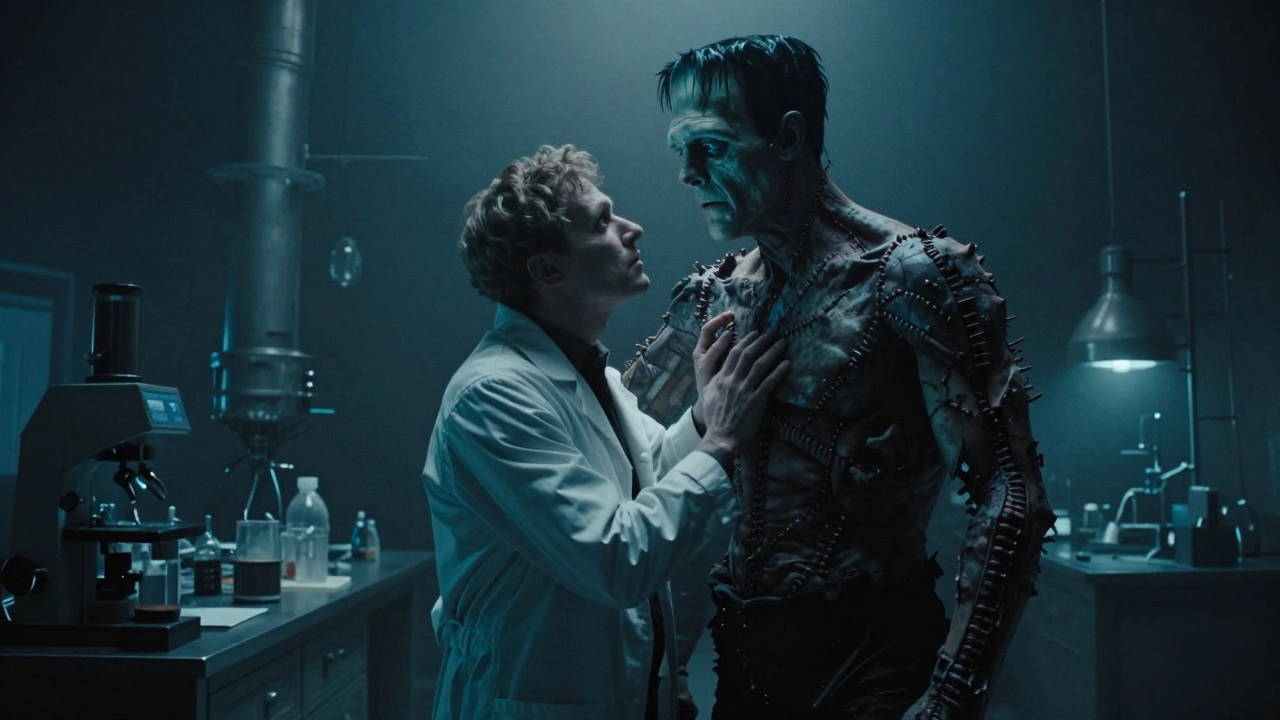
Consider the work of James Whale is a British film director known for his gothic horror classics, whose personal life and aesthetic sensibilities influenced his groundbreaking films. His 1931 classic Frankenstein and its 1935 sequel Bride of Frankenstein are filled with homoerotic undertones. The relationship between Henry Frankenstein and his monster is intimate and obsessive, framed in ways that challenge traditional masculine norms. The famous scene where Mary Shelley writes on the beach next to her husband, ignoring him for her creation, mirrors same-sex desire through intellectual and emotional intimacy. Whale didn't need to say "gay" because the atmosphere screamed it to those who knew how to listen.
Key Figures of Coded Cinema
Several directors became masters of this double-speak, embedding their identities into some of the most iconic films of the 20th century.
- George Cukor is a prolific American director who navigated Hollywood's anti-gay sentiment by focusing on female-centric dramas and witty comedies: Known as "the lady director," Cukor excelled at portraying complex female relationships. In The Women (1939), the all-female cast allows for a world where male perspectives are absent, creating space for female solidarity and subtle romantic tensions. His ability to direct strong female performances made him indispensable, protecting him from the worst of the blacklist despite rumors about his sexuality.
- Donna Deitch is a filmmaker associated with the New Queer Cinema movement, though her early work reflects the transition from coded to explicit storytelling: While later than the peak of the Hays Code, her work illustrates the shift. However, earlier figures like Elia Kazan is a controversial director whose testimony before the House Un-American Activities Committee complicated his legacy among queer and leftist artists represent the darker side of this era. Many queer artists were also leftists, facing a double jeopardy of political and sexual persecution.
- Michael Powell is a British director who collaborated with Emeric Pressburger to create visually stunning films that often featured intense male bonding and spiritual transcendence: In The Red Shoes (1948) and Black Narcissus (1947), Powell used lush visuals and repressed desires to explore themes of obsession and isolation. The male ballet dancers in The Red Shoes move with a grace and intensity that challenged post-war gender norms, suggesting a world where physical beauty and emotional vulnerability coexisted.
Actors Living Double Lives
While directors controlled the vision, actors had to perform within the constraints of their public personas. Stars like Rudolph Valentino is an Italian-born actor whose sensual screen presence sparked panic among conservative critics and established the archetype of the exotic lover in the 1920s faced intense scrutiny. His death led to riots and hysteria, proving that even implied sexuality was explosive. Later, actors like Kirk Douglas is a legendary actor who publicly came out decades after his peak fame, revealing how many stars hid their identities behind rugged masculinity and Susan Sontag is a writer and activist who supported underground queer cinema and challenged mainstream cultural norms (though primarily a writer, her influence shaped the discourse) operated in a climate where one wrong interview could end a career.
Many actors adopted cover stories. Some married women to maintain appearances, while others relied on tight-lipped publicists. This pressure created a performance style marked by restraint and intensity. When a character finally broke down, the audience felt the weight of years of suppressed truth. This emotional authenticity, born from personal secrecy, gave these performances a depth that transcended the scripts they were given.
| Aspect | Pre-Liberation (Coded) | Post-Liberation (Explicit) |
|---|---|---|
| Narrative Approach | Metaphor, allegory, and subtext | Direct portrayal of identity and relationships |
| Character Fate | Often tragic, punished, or ambiguous | Diverse outcomes, including happy endings |
| Visual Style | Camp, expressionist, symbolic | Realistic, documentary-style, varied |
| Audience Engagement | Decoding required; insider knowledge valued | Immediate recognition; broader accessibility |
| Censorship Risk | High; constant threat of cuts or bans | Low; rating systems replace content bans |
The Turning Point: From Code to Critique
The collapse of the Hays Code in the late 1960s did not immediately lead to honest representation. Instead, it opened the door for exploitation films and pornographic depictions of homosexuality. It took the rise of independent filmmaking and the AIDS crisis of the 1980s to push queer cinema toward genuine complexity. Films like My Own Private Idaho (1991) and Paris Is Burning (1990) moved beyond coding to claim space directly. Yet, the techniques of coded cinema remain relevant. Modern films still use subtext to explore nuance, proving that the art of saying more by showing less is timeless.
Understanding this history is not just an academic exercise. It changes how we watch old movies. You start to see the fear, the hope, and the resilience in every frame. You realize that these artists were not just making entertainment; they were preserving their humanity in a world that sought to erase it. Their coded stories are a testament to the power of creativity under oppression, reminding us that visibility is a privilege earned through struggle, not a right guaranteed by law.
What is meant by "coded" in queer film history?
"Coded" refers to the use of metaphors, symbols, and stylistic choices to imply LGBTQ+ identities or themes without explicitly stating them. This was necessary due to censorship laws like the Hays Code, which banned the depiction of homosexuality. Audiences familiar with queer culture could "decode" these signals, while censors saw only innocent plots.
Why was the Hays Code so restrictive regarding queer content?
The Hays Code, enforced from 1934 to 1968, reflected the moral standards of its time, which viewed homosexuality as sinful and illegal. Studios adhered to it to avoid government intervention and maintain broad audience appeal. Violating the code could result in films being banned or stripped of crucial scenes, damaging box office returns.
How did camp aesthetics help queer filmmakers?
Camp aesthetics, characterized by exaggeration and irony, allowed filmmakers to express queer sensibilities in a way that was dismissible by straight audiences as "bad taste" or "comedy." This provided a protective layer, enabling artists to explore gender fluidity and non-normative relationships without facing immediate censorship or backlash.
Who are some key directors associated with coded cinema?
Key figures include James Whale (Frankenstein), George Cukor (The Women), and Michael Powell (The Red Shoes). These directors used genre conventions and visual styles to embed queer themes into their work, creating films that resonate deeply with LGBTQ+ viewers while remaining accessible to mainstream audiences.
Did coded cinema disappear after the Hays Code ended?
No, coded elements persist in modern cinema, though they are no longer strictly necessary for survival. Contemporary filmmakers often use subtext for artistic effect, adding layers of meaning to their narratives. Additionally, the legacy of coded cinema influences how queer stories are told, emphasizing nuance and emotional depth over explicit declaration.