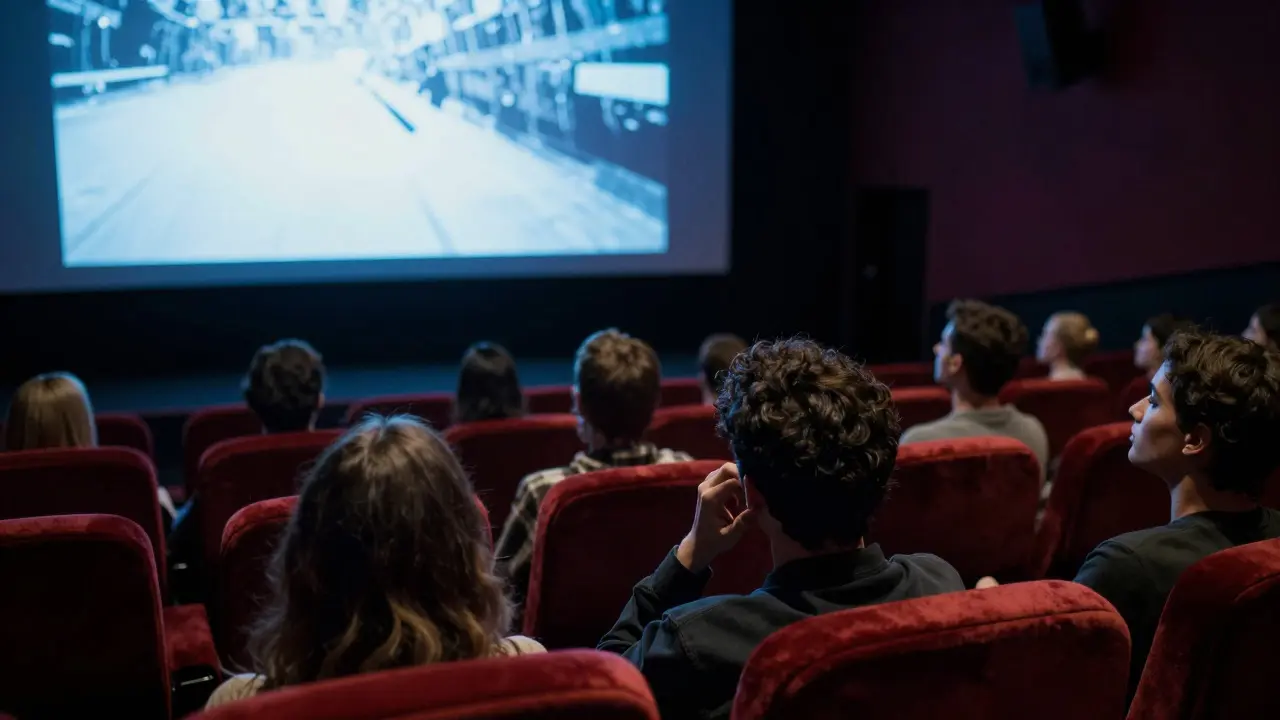
Imagine sitting in a dark room, expecting a standard horror movie, only to be hit with twelve minutes of uncut footage that challenges your definition of endurance. This is the reality of extreme cinema is a subgenre of experimental film that pushes boundaries of visual, auditory, and psychological tolerance through shock value, duration, and visceral imagery. While fans crave this intensity, the line between artistic expression and exploitation often blurs, raising serious questions about how these films should be shown. The core issue isn't just about taste; it's about power dynamics between the filmmaker, the curator, and the audience. When you screen a film like Human Centipede or Cannibal Holocaust, you aren't just playing video. You are creating an environment where consent can feel ambiguous. If the marketing promises "shock" but doesn't specify the type of discomfort, have you really informed the viewer? This guide breaks down the practical and moral frameworks needed to host responsible screenings of transgressive works.
Understanding the Ethical Landscape
To navigate this space, we need to define what makes a film "transgressive." It’s not just gore. Transgression involves breaking social norms, challenging aesthetic expectations, or inducing physical reactions. The ethical weight comes from the *context* of the screening. A festival setting with clear signage operates differently than a surprise pop-up event in a bar basement. The primary ethical conflict lies in **informed consent**. In traditional cinema, the ticket price and genre label serve as the contract. But in extreme cinema, the "contract" is often vague. Does "horror" cover intestinal protrusions? Does "experimental" cover four hours of static noise? Without clear definitions, audiences may feel ambushed rather than engaged. This lack of clarity can lead to trauma responses that linger long after the credits roll.
The Role of Trigger Warnings vs. Spoilers
There is a heated debate among cinephiles about whether trigger warnings ruin the experience. Purists argue that if you want to see a shocking film, you should walk in blind. However, there is a crucial difference between a *spoiler* (which reveals plot points) and a *trigger warning* (which prepares the body for specific stimuli). Consider the distinction:
- Spoilers: "The protagonist dies in the first act." This changes narrative engagement.
- Trigger Warnings: "Contains flashing lights, loud sudden noises, and extended scenes of animal death." This preserves narrative surprise while managing physiological risk.
Curatorial Responsibility and Contextualization
Films do not exist in a vacuum. They are products of their time, place, and cultural context. Screening a 1980s Italian giallo film without context might look like mindless violence to a modern audience. Providing a brief pre-screening introduction or a printed program note can transform a potentially offensive viewing into a critical analysis.
This doesn't mean you need to give a lecture. A simple two-minute talk by the director, a scholar, or a knowledgeable curator can frame the work. For example, discussing the influence of B-movie production budgets on the makeup effects in Re-Animator helps viewers appreciate the craft rather than just reacting to the blood. This contextual layer turns passive consumption into active intellectual engagement, which is often the true goal of art-house programming.
Audience Demographics and Venue Selection
Where you show the film matters as much as what you show. An open-air community cinema has different accessibility and escape options than a small, windowless theater.
| Venue Type | Pros | Cons | Ethical Risk Level |
|---|---|---|---|
| Dedicated Art House Theater | Controlled environment, professional staff, high credibility | Higher cost, limited capacity | Low |
| University Student Union | Youthful audience, academic context, low cost | Potential for mixed-age groups, less formal atmosphere | Medium |
| Pop-up Bar/Club Event | High energy, niche crowd, flexible scheduling | Poor sightlines, alcohol influence, limited egress | High |
Post-Screening Care and Community Building
The ethics don't end when the projector stops. Many attendees of extreme cinema screenings leave feeling shaken, exhilarated, or confused. Providing a space for decompression is part of the hospitality. This could be as simple as having water available, dimming the lights slowly instead of snapping them on, or offering a short Q&A session where questions can range from technical to philosophical.
Building a community around these films also serves an ethical function. When viewers share the experience with others who understand the context, the isolation of the shock response is mitigated. Online forums and local meetups allow fans to process the material collectively, turning a potentially traumatic event into a shared cultural reference point.

Common Pitfalls to Avoid
Even well-intentioned curators make mistakes. Here are the most common ethical slip-ups:
- The "Surprise" Element: Never market an extreme film as a "surprise." Transparency is the cornerstone of consent.
- Ignoring Physical Needs: Ensure the venue is accessible for people with mobility issues, as anxiety can exacerbate physical limitations.
- Over-reliance on Irony: Don't assume the audience shares your ironic detachment. Some viewers take the material seriously, and that reaction is valid.
- Lack of Exit Strategy: Always have a clear way for people to leave mid-film without judgment. Staff should be briefed on this protocol.
FAQ
Do trigger warnings ruin the immersion of extreme cinema?
Not necessarily. Specific physiological warnings (like flashing lights) prepare the body without spoiling the plot. Narrative spoilers ruin immersion, but safety warnings preserve agency. Most regular attendees prefer knowing what physical sensations to expect so they can focus on the story.
Is it ethical to screen uncensored versions of international films?
Yes, provided the audience understands the cultural context. Uncensorship is often a form of artistic integrity. However, you must clearly state that the version is unedited and provide context on why the original was cut in other regions. This prevents accusations of censorship bias while respecting the director's vision.
How do I handle an audience member who leaves upset?
Have a designated "quiet zone" outside the theater. Train staff to offer water, a blanket, or simply a calm presence without forcing conversation. Acknowledge their reaction as valid. Most upset viewers just need a moment to transition back to normalcy. Avoid asking them to explain why they were upset unless they initiate it.
What is the difference between extreme cinema and torture porn?
Extreme cinema usually uses shock to provoke thought, critique society, or explore human limits. Torture porn relies solely on pain for gratification without deeper thematic resonance. The distinction is subjective, but curators can help clarify it by providing context about the filmmaker's intent and the film's reception history.
Should children ever attend extreme cinema screenings?
Generally, no, unless it is a curated educational event with parental supervision and strict age limits. The rating systems exist for a reason. If you must screen something intense for younger teens, ensure it is heavily contextualized and paired with a debriefing session led by a mental health professional or educator.