Turning a true story into a movie is never just about entertainment. It’s a high-stakes negotiation between artistic license and factual responsibility. When you adapt nonfiction for the screen, you are not merely retelling events; you are shaping public memory. The line between compelling drama and misleading propaganda is thinner than most people realize, and crossing it can damage both the subject’s legacy and the filmmaker’s credibility.
The core challenge lies in transforming dry facts into emotional beats without distorting the truth. A reader of a biography expects nuance; a viewer of a biopic demands immediacy. Bridging that gap requires specific ethical choices regarding who gets a voice, how timelines are compressed, and which details are sacrificed for pacing. This guide breaks down the practical frameworks writers and directors use to make those calls with integrity.
Defining the Ethical Framework
Ethics in adaptation isn’t about rigid rules; it’s about intent. Before you touch the script, you need to define your primary obligation. Are you writing for the subject? For the audience? Or for the historical record? Most successful adaptations balance these by adopting a "spirit over letter" approach. This means capturing the essence of the person or event rather than documenting every minute detail verbatim.
Historical accuracy is often cited as the gold standard, but it’s a moving target. In cinema, historical accuracy refers to the fidelity of visual and narrative details to documented records. However, strict adherence can result in a static, lecture-like film. Instead, think of accuracy as a spectrum. You might keep the major plot points factually correct while altering minor background details to serve the theme. The key is transparency. If you change a significant fact, acknowledge it in the credits or marketing materials. Audiences forgive creative compression when they feel informed, not deceived.
Navigating Character Representation
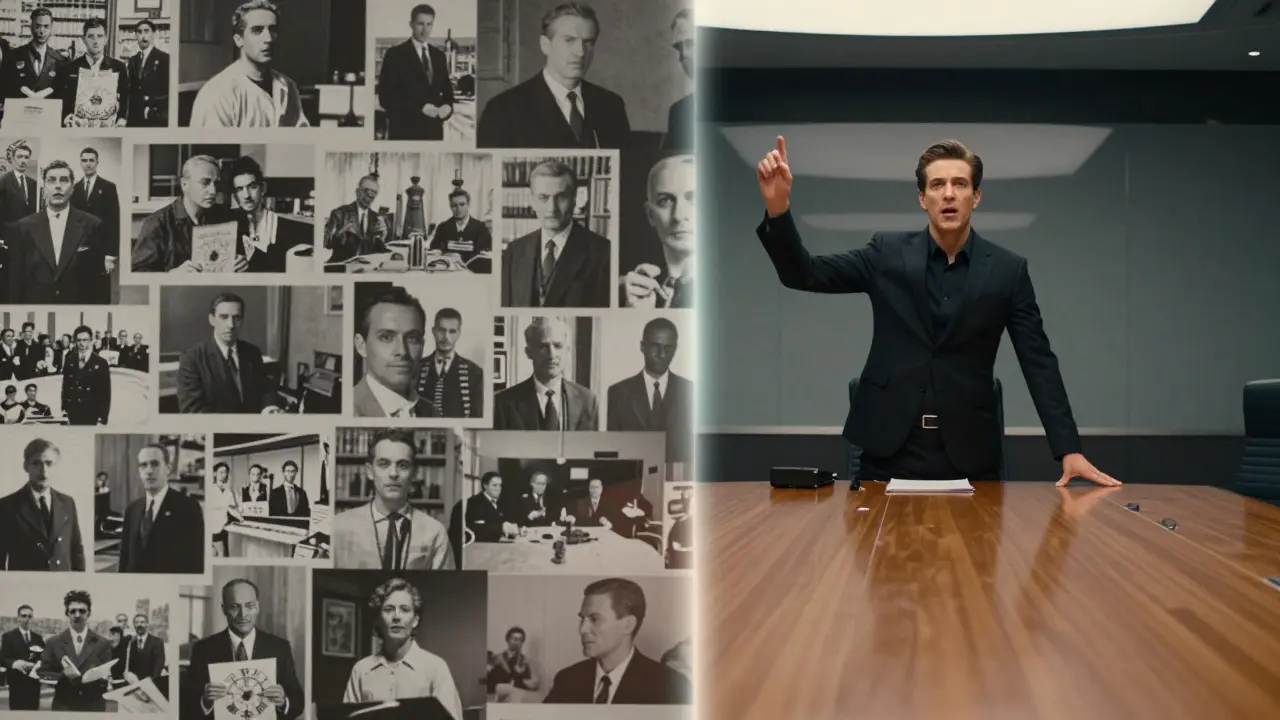
Characters are where ethical breaches happen most frequently. When adapting a real person, you face the dilemma of portraying them as they were or as they wanted to be remembered. This is particularly tricky with controversial figures. Consider the case of Steve Jobs, whose life was adapted into a film by Danny Boyle. The script condensed his entire career into three board meetings. While critics argued this lost the complexity of his personal life, fans appreciated the focus on his professional ethos. The ethical choice here was thematic consistency over chronological completeness.
To handle character representation ethically, follow these steps:
- Identify the Core Truth: What is the one defining trait of this person that cannot be ignored? Is it their resilience, their arrogance, or their generosity?
- Check for Bias: Who wrote the source material? Was it a memoir by the subject, or a critical biography? Both have blind spots. Cross-reference with at least two independent sources.
- Respect Agency: If the subject is alive, consult them. Even if they don’t approve everything, showing respect builds trust. If they are deceased, consider the impact on family members.
Avoid the trap of making complex people into caricatures. Villains in history rarely wake up wanting to be evil. They usually believe they are doing the right thing. Showing that internal logic makes the character human and reduces the risk of reductive storytelling.
Structuring Time and Events
Time is the enemy of the nonfiction adapter. Real life is messy, slow, and full of dead air. Cinema needs momentum. This forces you to compress decades into two hours. The ethical question is: what do you cut, and does cutting it change the meaning?
For example, in the adaptation of The Righteous Gentles (a hypothetical title representing common WWII narratives), filmmakers often merge multiple characters into one to streamline the cast. This is acceptable if the merged character still represents the collective experience accurately. However, merging a victim with a perpetrator can distort the moral landscape. Always ask: does this structural choice preserve the cause-and-effect relationship of the original events?
Use the "Three Act Structure" as a filter, not a cage. Place key factual milestones at the turning points of your acts. If a crucial historical event doesn’t fit neatly into Act Two, consider whether it’s essential to the theme. If it is, restructure the act. If it isn’t, cut it. The goal is to ensure that the *feeling* of the timeline matches the reality, even if the dates are shifted.
Visualizing the Unseen
Nonfiction books rely on description; films rely on image. How do you visualize abstract concepts like grief, political tension, or economic collapse? This is where cinematic language becomes an ethical tool. Misusing visuals can mislead. For instance, using modern slang in a period piece breaks immersion and signals a lack of research. Similarly, choosing costumes that reflect fashion trends from the wrong decade can subtly alter the perceived status of a character.
Work closely with your production designer. Every prop, set, and costume should pass the "fact-check test." If a character is shown drinking a brand of soda that didn’t exist until ten years later, it’s a small error, but it accumulates. These micro-details build the world’s authenticity. When the world feels real, the audience trusts the story more, even when you take liberties with dialogue.
Comparison: Fidelity vs. Freedom
Understanding the trade-offs between different adaptation styles helps in making conscious choices. Here is a comparison of two common approaches:
| Approach | Focus | Risk | Best For |
|---|---|---|---|
| Strict Documentarian | Factual precision, archival footage, minimal dramatization | Pacing issues, low emotional engagement | Legal cases, scientific breakthroughs, recent events |
| Dramatized Biopic | Emotional arc, thematic resonance, invented scenes | Historical distortion, fan backlash | Cultural icons, long lives, personal tragedies |
| Allegorical Adaptation | Symbolic representation, metaphorical setting | Obscurity, losing the specific context | Political allegories, universal themes, ancient history |
Notice how the "Dramatized Biopic" carries the highest risk of distortion but offers the highest potential for mass appeal. Your choice depends on your target audience. If you are aiming for a festival crowd that values nuance, lean toward the documentarian style. If you want a wide theatrical release, the dramatized approach is more viable, provided you maintain ethical guardrails.
Practical Checklist for Writers
Before finalizing your script, run it through this ethical checklist. It’s not about perfection; it’s about awareness.
- Source Verification: Have you cross-referenced all major plot points with at least two reliable sources?
- Stakeholder Review: Have you shared the outline with someone knowledgeable about the subject matter or community?
- Disclaimer Clarity: Does the opening credit clearly state if the film is "inspired by" or "based on" true events?
- Bias Check: Read the script aloud. Do any characters sound like stereotypes rather than individuals?
- Thematic Consistency: Does every changed scene serve the central theme of the book/film?
Using this checklist doesn’t guarantee you’ll avoid criticism, but it ensures your choices are intentional. Intentionality is the hallmark of ethical adaptation. When audiences see that you’ve done the work, they are far more forgiving of creative liberties.
Common Pitfalls to Avoid
Even experienced writers stumble. One frequent mistake is the "Hollywood Ending." Real life often ends ambiguously, but audiences crave resolution. If you force a happy ending on a tragic true story, you risk trivializing the suffering. Conversely, forcing a bleak ending on a hopeful story can feel cynical. Trust the source material’s tone.
Another pitfall is ignoring the cultural context. Adapting a story from a different culture requires sensitivity. Don’t assume universal reactions to specific events. Research how the local community perceives the history. This prevents accidental offense and adds depth to the narrative. Finally, avoid over-explaining. Let the visuals speak. If you need a voiceover to explain why a character did something, your scene construction might be weak. Strong ethical adaptations show, they don’t tell.
Frequently Asked Questions
How much can you change a true story legally?
Legally, unless you have signed a specific contract restricting changes, you can alter most aspects of a public domain or published nonfiction work. However, defamation suits are possible if living people are portrayed negatively without basis. For deceased individuals, the main risk is reputational damage to their estate, which can lead to legal action if the portrayal is deemed libelous.
What is the difference between 'based on' and 'inspired by'?
'Based on' implies a direct adaptation with significant factual overlap. 'Inspired by' suggests the source material sparked the idea, but the film takes substantial creative liberties. Using 'inspired by' gives you more freedom but sets lower expectations for accuracy among purists.
Should I consult the subject before adapting their life?
Yes, if they are alive. Consultation builds goodwill and provides insider details that enhance authenticity. However, remember that their perspective is subjective. Use their input as one data point among many, not the sole truth. If they demand veto power, negotiate carefully, as this can stifle artistic vision.
How do I handle gaps in historical records?
Fill gaps with plausible invention based on known patterns of behavior. If a diary entry is missing for a week, infer what likely happened based on the surrounding events. Keep these inventions subtle and consistent with the character’s established traits. Avoid inventing dramatic twists that contradict the overall tone of the verified history.
Is it unethical to merge characters in a nonfiction film?
Not inherently. Merging characters is a standard technique to manage casting and pacing. It becomes unethical only if the merger obscures important distinctions, such as combining a witness and a suspect. As long as the merged character serves the narrative truth and doesn’t erase unique voices, it is an accepted practice.