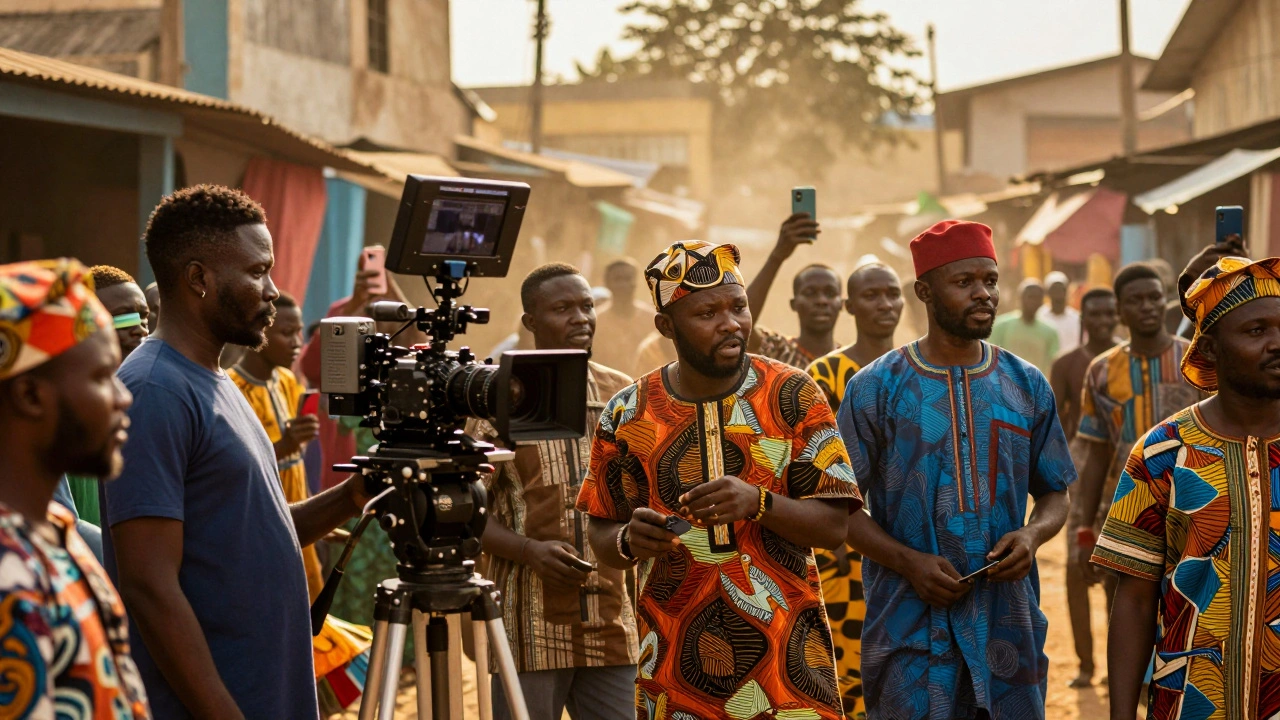
The golden age of independent cinema is no longer centered in Los Angeles or London. If you look closely at the box office charts and festival lineups in 2026, a different story emerges. Filmmakers in Lagos, Nairobi, Bangkok, and Jakarta are bypassing traditional gatekeepers entirely. They are building sustainable ecosystems that blend local cultural specificity with global distribution strategies. This shift isn't just about artistic expression; it's a robust economic movement reshaping how stories reach audiences worldwide.
For decades, the narrative around 'emerging markets' was passive-viewers waiting for Hollywood content. Today, these regions are active producers. The infrastructure has matured. Local streaming platforms have gained market share, international festivals prioritize regional premieres, and financing models have diversified beyond foreign aid. Understanding this landscape requires looking past stereotypes and examining the specific mechanisms driving growth in Africa and Southeast Asia.
The African Renaissance: From Festivals to Streaming Powerhouses
Africa’s film industry, often collectively referred to as Nollywood is the Nigerian film industry, recognized globally for its high volume of production and distinct storytelling style, has evolved significantly. While Nigeria remains the engine room, producing thousands of titles annually, other nations are carving out unique identities. Kenya’s film sector, known as Kenwood is Kenya's growing film industry, characterized by strong documentary traditions and narrative dramas focusing on social issues, has seen a surge in quality productions that attract both local viewers and international co-productions.
The key driver here is digital accessibility. With mobile penetration exceeding 70% in many Sub-Saharan countries, filmmakers are releasing directly to consumers via mobile-first platforms. Services like Showmax and Netflix Africa have localized their libraries aggressively. In 2025 alone, investment in African original content increased by nearly 40%. This isn't just charity; it's a strategic move to capture a demographic that is young, tech-savvy, and hungry for relatable narratives.
Festivals play a crucial role in this ecosystem. The FESPACO festival in Burkina Faso remains the spiritual home of African cinema, but newer events like the Cape Town International Film Festival and Durban ICC provide vital networking hubs. These events facilitate deals between local producers and global distributors. For an independent filmmaker in Accra, success now means securing a slot at Sundance while simultaneously launching a direct-to-consumer campaign on local social media channels.
- Distribution Shift: Moving from DVD piracy to legitimate mobile subscriptions.
- Financing: Rise of venture capital funds specifically targeting African creative industries.
- Talent Retention: Improved production facilities reduce the need for post-production abroad.
Southeast Asia: Digital Natives and Hybrid Models
In Southeast Asia, the independent film scene is deeply intertwined with the region's rapid digital adoption. Countries like Indonesia, Thailand, and the Philippines have massive online populations. Indonesian cinema, often called Indosiar is The Indonesian film industry, which has experienced exponential growth due to domestic audience support and government incentives, has become a powerhouse. Films like The Night Comes for Us paved the way, but recent indie hits prove that niche genres can thrive commercially.
Thailand offers a fascinating case study in hybrid distribution. Thai indie filmmakers often release movies theatrically first to build buzz, then quickly pivot to Video-on-Demand (VOD) platforms like Viu and iQIYI. This strategy maximizes revenue streams. The government also supports this through tax rebates for local productions. In 2026, several new incentive packages were introduced to attract co-productions with Western partners, bringing technical expertise while retaining creative control locally.
The Philippines, with its deep-rooted love for cinema, has seen a resurgence in micro-budget indies. Directors are using smartphones and affordable mirrorless cameras to produce feature-length films. These projects often debut on Facebook Watch or YouTube Premium before finding theatrical homes. This reverse pipeline challenges the traditional hierarchy. It proves that audience validation can come from social media engagement metrics rather than critic reviews.
| Factor | Africa (Focus: Nigeria/Kenya) | Southeast Asia (Focus: Indonesia/Thailand) |
|---|---|---|
| Primary Distribution | Mobile-first streaming, TV syndication | Theatrical followed by VOD/OTT |
| Key Platforms | Showmax, Netflix Africa, IROKOtv | Viu, iQIYI, Disney+ Hotstar |
| Financing Source | Private equity, crowdfunding, grants | Government rebates, corporate sponsorship |
| Production Cost Trend | Low budget, high volume | Moderate budget, higher production value |

Financing the Future: Beyond Traditional Grants
Funding independent films used to mean chasing European grants or relying on wealthy patrons. That model is crumbling. In both Africa and Southeast Asia, new financial instruments are emerging. Crowdfunding platforms tailored to creative industries allow diaspora communities to invest directly in projects. For example, a Filipino director might raise $50,000 from overseas Filipinos who want to see authentic stories told.
Equity crowdfunding is also gaining traction. Investors can buy small stakes in film projects, sharing in the profits if the movie succeeds. This democratizes access to capital. However, it comes with risks. Unlike bondholders, equity investors lose money if the film flops. Therefore, transparency in budgeting and marketing plans is essential. Producers must demonstrate clear paths to profitability, whether through box office returns, licensing fees, or merchandise sales.
Corporate sponsorships have evolved too. Brands are no longer just slapping logos on posters. They are integrating products into narratives seamlessly. A smartphone brand might fund a tech-thriller set in Jakarta, ensuring the device is central to the plot. This product placement feels less intrusive when it aligns with the story’s themes. It provides crucial funding without compromising artistic integrity.
Challenges: Infrastructure and Censorship
Despite the optimism, significant hurdles remain. Internet infrastructure varies wildly across these regions. In rural parts of Kenya or Indonesia, bandwidth limitations can hinder streaming quality. Filmmakers must optimize files for lower resolutions, affecting visual fidelity. Post-production facilities are concentrated in major cities like Lagos, Nairobi, Bangkok, and Manila. Indie filmmakers in smaller towns face logistical nightmares transporting hard drives or sending data securely.
Censorship is another critical issue. Governments in several Southeast Asian and African nations maintain strict controls on content deemed politically sensitive or culturally inappropriate. Independent filmmakers often walk a tightrope. They use metaphor, allegory, and subtle humor to bypass censors. Self-censorship is common, which can dilute the impact of socially relevant stories. Navigating these regulations requires legal expertise and diplomatic skill.
Piracy remains a persistent threat. Despite the rise of affordable streaming services, illegal downloads and torrent sites still dominate in some areas. Combating this requires education and convenience. If legal options are cheaper and easier than pirated ones, audiences will choose them. Pricing strategies must reflect local purchasing power. A subscription fee that works in New York may be prohibitive in Nairobi. Tiered pricing models are becoming standard practice.

Global Integration: Co-Productions and Festival Circuits
No market exists in isolation. African and Southeast Asian filmmakers are increasingly collaborating with international partners. Co-productions allow access to larger budgets and wider distribution networks. A French-Brazilian-Nigerian co-production, for instance, can qualify for funding from all three countries’ film commissions. This pooling of resources reduces financial risk and enhances production quality.
Festivals serve as the marketplace for these collaborations. Cannes, Berlinale, and Toronto are important, but regional festivals like Busan (South Korea), Singapore International Film Festival, and Cairo International Film Festival are equally vital. They offer specialized markets where buyers scout for content. Networking at these events can lead to distribution deals spanning multiple continents. For an indie filmmaker, attending these festivals is not optional; it’s part of the business plan.
Streaming giants are also facilitating global integration. Netflix and Amazon Prime Video actively acquire rights to non-English language content. Their algorithms recommend diverse titles to global audiences. A hit indie film in Vietnam can suddenly find millions of viewers in Europe or North America. This instant globalization creates opportunities but also pressures filmmakers to cater to broader tastes. Balancing local authenticity with universal appeal is a constant challenge.
Practical Steps for Emerging Filmmakers
If you’re an aspiring filmmaker in these regions, start by mastering your local tools. You don’t need expensive equipment to tell compelling stories. Smartphones with good lenses, free editing software, and natural lighting can produce professional-looking results. Focus on script development. A strong story transcends technical limitations.
Build a network early. Connect with other filmmakers, producers, and distributors. Attend local screenings and workshops. Join online communities focused on independent cinema. Collaboration is key. Share resources, crew members, and knowledge. Collective strength helps overcome individual constraints.
Understand your audience. Who are they? What do they care about? How do they consume media? Tailor your marketing strategy accordingly. Use social media to engage directly with viewers. Create behind-the-scenes content, interviews, and teasers. Build anticipation before release. Engagement metrics matter to distributors and investors.
Finally, be resilient. Rejection is part of the process. Not every film will win awards or make money. Learn from each project. Adapt to changing technologies and market conditions. Stay curious and keep creating. The future of independent cinema belongs to those who persist.
What are the biggest challenges for independent filmmakers in Africa?
Key challenges include inconsistent internet infrastructure, limited access to advanced post-production facilities outside major cities, censorship laws, and widespread piracy. Additionally, securing sustainable financing beyond one-off grants remains difficult for many creators.
How is Southeast Asia’s film industry different from Africa’s?
Southeast Asia generally has more established government support systems, including tax rebates and dedicated film zones. The region also sees a stronger emphasis on theatrical releases before moving to digital platforms, whereas African markets often leapfrog directly to mobile-first streaming due to higher smartphone penetration relative to cinema attendance.
Can independent films from these regions succeed globally?
Yes, absolutely. Streaming platforms like Netflix and Amazon Prime actively acquire non-English content. Films such as Parasite (though South Korean, it set a precedent) and various Nigerian thrillers have found massive international audiences. Authentic storytelling combined with high production values resonates universally.
What role do film festivals play in these emerging markets?
Festivals act as crucial marketplaces for distribution deals, co-production partnerships, and talent discovery. Events like FESPACO, Busan, and TIFF provide visibility and credibility. They connect local filmmakers with global buyers, critics, and fellow artists, fostering cross-cultural exchange and commercial opportunities.
How can filmmakers finance their projects without traditional studios?
Options include equity crowdfunding, diaspora investment, corporate sponsorships integrated into narratives, and grants from cultural foundations. Some filmmakers also use pre-sales to distributors or secure loans against future revenues. Diversifying income sources is essential for sustainability.