Who Are the New Faces Taking Over the Big Screen?
Every year, a handful of actors step out of obscurity and into the spotlight with such force that you wonder how you never noticed them before. These aren’t just lucky breakout roles-they’re performers who’ve spent years grinding, studying, and waiting for their moment. In 2025, the film industry is being reshaped by a new wave of talent that’s bold, diverse, and unafraid to break the mold. You won’t find them on billboards yet, but you’ll recognize them the second they appear on screen.
Why These Actors Stand Out
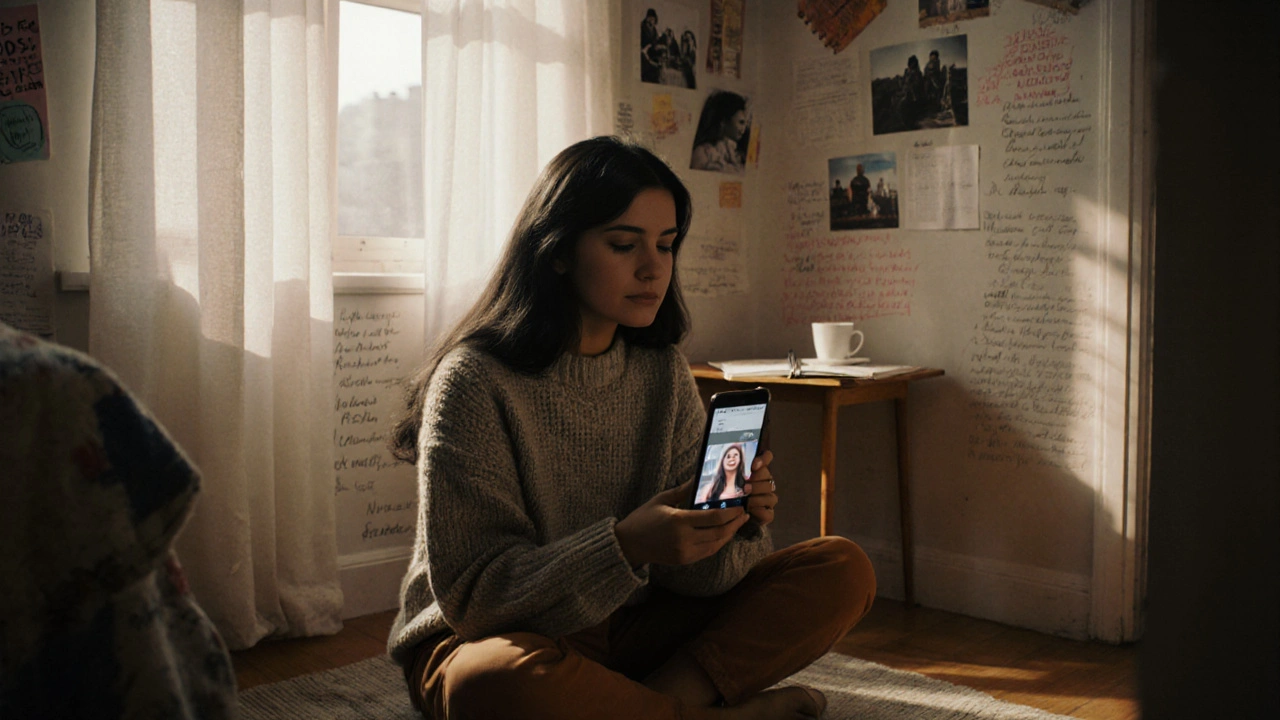
It’s not just about looks or a viral TikTok clip. The most compelling emerging actors bring something raw and specific to their roles. They don’t just act-they embody. Take Maya Singh is a 24-year-old actress who landed her first major role in the indie drama "The Quiet Edge," delivering a performance so restrained it won her the Independent Spirit Award for Best Breakthrough Performance. She didn’t have a single prior credit. No agent. No training from a famous school. She worked as a barista in Brooklyn and auditioned for roles using her phone camera in her apartment. Her breakthrough came from a 30-second self-tape that caught the eye of a casting director on a rainy Tuesday morning.
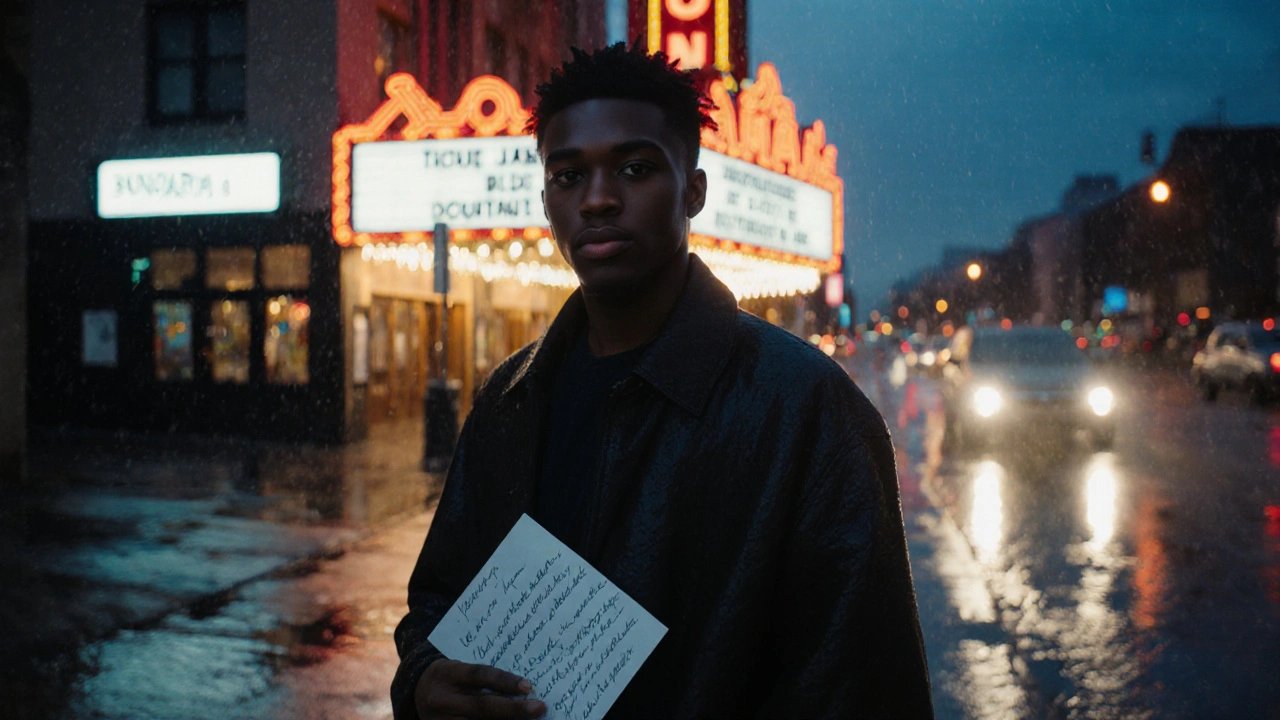
Then there’s Jalen Carter is a non-binary actor from Detroit who portrayed a transgender teen in "The Last Light," a film that premiered at Sundance and later streamed on Netflix. Their performance was described by Variety as "the most authentic portrayal of gender identity in cinema since "Moonlight". Jalen didn’t audition with a resume-they showed up with a handwritten letter about their own experience and read the scene with zero preparation. The director said it felt like watching a real person relive their life.
Where They’re Coming From
These actors aren’t coming from Hollywood’s usual pipeline. You won’t find them in LA acting studios or NYU film programs. Instead, they’re rising from community theaters in Ohio, improv troupes in Austin, TikTok skits in Manila, and youth programs in Atlanta. The industry’s old gatekeepers are losing control. Streaming platforms, indie producers, and social media have become the new casting rooms.
Take Aisha Ndiaye is a Senegalese-American actress who started posting short films on Instagram at 17. One of her videos-a 90-second monologue about grief and silence-got 12 million views. A producer saw it, reached out, and cast her in "Echoes of Home," a Netflix limited series that became a global hit in early 2025. She had never been to a formal audition. Her entire acting education came from watching old French cinema on YouTube and practicing lines in front of her mirror.
The Roles They’re Getting
These actors aren’t just playing sidekicks or love interests. They’re leading complex, emotionally layered stories that used to go to established stars. In 2025, you’ll see Leo Tran is a 22-year-old Vietnamese-American actor headlining a sci-fi thriller called "Neon Ghost," where he plays a hacker who discovers his memories were implanted. The film’s budget was under $5 million, but it grossed over $120 million worldwide. He didn’t have a demo reel. He had a 20-minute YouTube vlog where he talked about growing up in a refugee family and how he learned English by watching Star Wars.
Rosa Mendez is a 26-year-old Latina actress who plays a detective in "Bloodline," a gritty crime drama that’s already been greenlit for a second season. Her character doesn’t have a tragic backstory or a romantic subplot-she’s just good at her job. And that’s rare. Hollywood has spent decades forcing women of color into roles defined by trauma or sexuality. Rosa’s character is defined by competence.
What’s Different This Time
There’s a shift happening behind the scenes, too. Directors are choosing actors based on authenticity over polish. Casting directors are looking for people who can bring lived experience-not just technique. Studios are no longer waiting for actors to have 10 years of TV credits before giving them a lead role.
Back in 2020, it took an actor an average of 7.3 years to go from their first audition to their first leading film role. In 2025, that number is down to 2.1 years. Why? Because audiences are demanding more real stories. And the people telling those stories are no longer just white men in their 40s with Ivy League degrees. They’re young, global, and diverse. And they’re casting people who look and sound like the world we actually live in.
How to Spot the Next Big Name
If you want to know who’s next, stop watching award shows. Start watching film festivals like Sundance, Tribeca, and Locarno. Look for films that cost less than $2 million and got no marketing budget. Check out short film platforms like Vimeo Staff Picks and FilmFreeway. Follow indie directors on Instagram-they often post behind-the-scenes clips of their new discoveries.
Pay attention to actors who:
- Have no IMDb page-or just one credit
- Are in films that screened at small festivals but got no press
- Do their own stunts or write their own scenes
- Post raw, unedited audition tapes on social media
- Speak multiple languages or come from underrepresented communities
These aren’t gimmicks. They’re signs of someone who’s building something real.
What This Means for the Future of Film
The old model of stardom-studio contracts, photo shoots, red carpets-is fading. The new model is built on connection, not celebrity. These emerging actors aren’t trying to be famous. They’re trying to be seen. And audiences are responding.
When Maya Singh is appeared on the cover of Rolling Stone in May 2025, she didn’t pose in a designer gown. She wore her mother’s old sweater and sat on the floor of her childhood bedroom. The caption read: "She didn’t wait for permission. She just started." That’s the new standard. It’s not about who you know. It’s about what you do with the camera on.
Who to Watch in 2025
Here are five names you’ll hear more of this year:
- Maya Singh - Indie drama and psychological thrillers
- Jalen Carter - LGBTQ+ narratives and character-driven dramas
- Aisha Ndiaye - International co-productions and streaming series
- Leo Tran - Sci-fi and genre-bending films
- Rosa Mendez - Crime, noir, and procedural dramas
They’re not the next Leonardo DiCaprio or Emma Stone. They’re something new. And that’s exactly what cinema needs.
How do emerging actors get discovered today?
Most are found through social media, film festivals, or self-submitted tapes. Casting directors now scroll through TikTok, Instagram Reels, and Vimeo to find raw, unpolished talent. A single authentic performance can go viral and land an audition. Many of today’s breakout stars never had an agent until after their first role.
Do these actors have formal training?
Some do, but many don’t. The new generation values lived experience over technique. Actors like Jalen Carter and Aisha Ndiaye learned by doing-acting in community plays, making short films with friends, or studying performances online. Formal training isn’t gone, but it’s no longer a requirement.
Why are streaming platforms helping new actors rise faster?
Streaming services need fresh content fast and aren’t tied to traditional star systems. They’re willing to take risks on unknown actors because they can test audience reaction quickly. A show like "Echoes of Home" or "Neon Ghost" can become a hit without a single A-list name attached.
Are these actors getting paid well?
It varies. Many start with union-scale pay on indie films-around $1,000 to $5,000 for a lead role. But if the film becomes a hit, residuals and future roles can multiply their earnings quickly. Maya Singh’s salary for her next film jumped from $8,000 to $250,000 after "The Quiet Edge" went viral.
Can I find their work online?
Yes. Most of their early work is on YouTube, Vimeo, or streaming platforms like Netflix, Hulu, and Apple TV+. Look for films that premiered at Sundance, SXSW, or Tribeca in 2024. Many are still available to stream for free or with a subscription.
What’s Next?
These actors aren’t just the future of film-they’re already here. Their rise isn’t an accident. It’s a response to a tired system that kept great stories locked away. Now, the camera is pointing at the people who were always telling the truth, even when no one was listening.
If you want to see where cinema is going, stop watching the same names on the marquee. Look for the quiet ones. The ones who don’t smile for the camera. The ones who just show up-and say something real.




Comments(6)