For decades, the gatekeepers of cinema were a small, homogeneous group. If you wanted your film reviewed, you had to appeal to a specific demographic that dominated major publications. But the landscape has shifted dramatically. Today, emerging critics are reshaping how we talk about movies, bringing fresh perspectives that challenge old norms. This isn't just about who gets hired; it’s about changing what questions we ask when a movie ends.
The Shift from Gatekeeping to Community
Historically, Film Criticism is the practice of analyzing, interpreting, and evaluating films for public consumption. For a long time, this meant writing for legacy newspapers like The New York Times or The Hollywood Reporter. These outlets set the standard, but they also created a bottleneck. If a critic didn’t fit a certain mold-often defined by race, gender, age, or geographic location-they struggled to get their voice heard at the top level.
Now, the center of gravity has moved. Digital platforms have lowered the barrier to entry. You don’t need a letter of recommendation to start a podcast or a YouTube channel. This democratization has allowed a wave of new voices to emerge. They aren’t just filling seats; they are expanding the vocabulary of criticism itself. When a female critic analyzes a blockbuster, she might focus on narrative structure in ways her male predecessors ignored. When a non-Western critic reviews an American indie, they bring cultural context that domestic reviewers often miss.
Why Diversity Changes the Conversation
Diversity in criticism isn’t a buzzword; it’s a functional tool for better analysis. Consider the concept of Cultural Context, which refers to the social, historical, and political background that influences how a story is perceived. A homogenous panel of critics might all react to a film based on their shared experiences. A diverse panel will identify nuances that others overlook.
- Narrative Bias: Emerging critics often point out whose stories are being told and whose are being silenced. This shifts the review from "Is this fun?" to "Who is this for?"
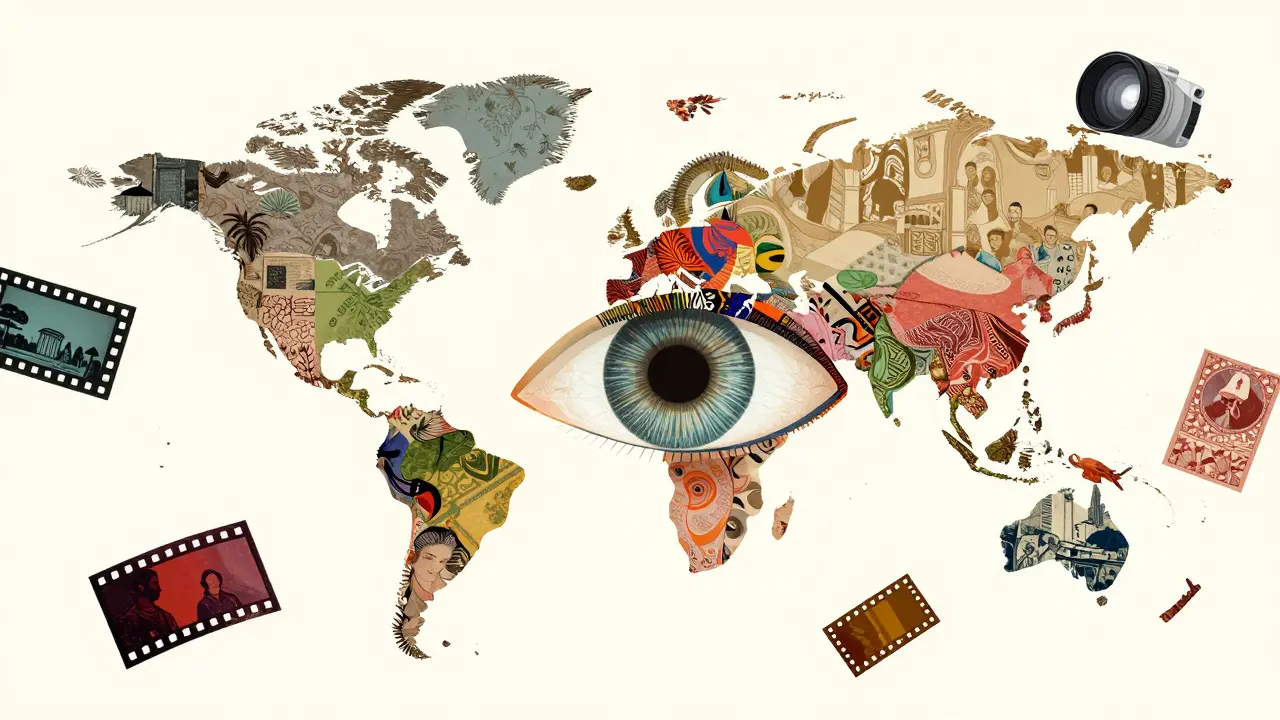
- Aesthetic Standards: Different cultures value different cinematic techniques. A critic from South Korea might prioritize pacing and visual poetry differently than a critic from France. Including these views creates a richer global dialogue.
- Accessibility: Newer critics frequently discuss accessibility features like subtitles, audio descriptions, and inclusive casting, making the industry more accountable.
This doesn’t mean every critic agrees. In fact, the friction between established and emerging voices is where the most interesting debates happen. It forces the industry to defend its choices rather than assuming them.
Identifying the New Voices
So, who are these emerging critics? They aren’t a monolith. They come from various backgrounds and use different mediums. Here is a breakdown of the key players driving this change in 2026:
| Feature | Traditional Institutions | Emerging Independent Voices |
|---|---|---|
| Primary Platform | Newspapers, Magazines | Podcasts, Social Media, Personal Blogs |
| Focus Area | Major Studio Releases, Awards Season | Indie Films, Global Cinema, Niche Genres |
| Tone | Formal, Authoritative | Conversational, Interactive, Personal |
| Feedback Loop | One-way (Reader comments) | Two-way (Live chats, direct DMs) |
| Speed of Review | 1-3 Days after Premiere | Same Day or Real-Time |
Notice the speed factor. Emerging critics often release their thoughts within hours of a screening. This immediacy captures the raw emotional reaction before the polished consensus forms. It’s messy, yes, but it’s authentic.
The Role of Digital Platforms
You can’t talk about modern criticism without mentioning YouTube and Podcasting. These platforms have become the new front pages. A video essay on Vimeo can reach thousands of viewers instantly. A podcast episode featuring three critics from different continents can spark a debate that lasts for weeks.
These formats allow for deeper dives. A newspaper review is limited by word count. A 45-minute podcast segment allows a critic to unpack a single scene, discuss the director’s previous work, and interview an actor. This depth was rarely possible in print. It encourages audiences to engage with film as a complex art form rather than just entertainment.
Challenges Facing New Critics
It’s not all smooth sailing. Emerging critics face real hurdles. The biggest one is sustainability. How do you pay the rent if you’re reviewing independent films that no one watches? Many rely on a mix of freelance gigs, teaching, and crowdfunding. There is also the issue of credibility. Some traditionalists still dismiss online critics as "fan boys" or "influencers." Overcoming this bias requires consistent quality and professional ethics.
Another challenge is burnout. The pressure to be available 24/7 for content creation is intense. Traditional critics had deadlines; digital critics have algorithms. Staying relevant means constantly producing, which can lead to shallow takes if not managed carefully.
How to Support Diverse Voices
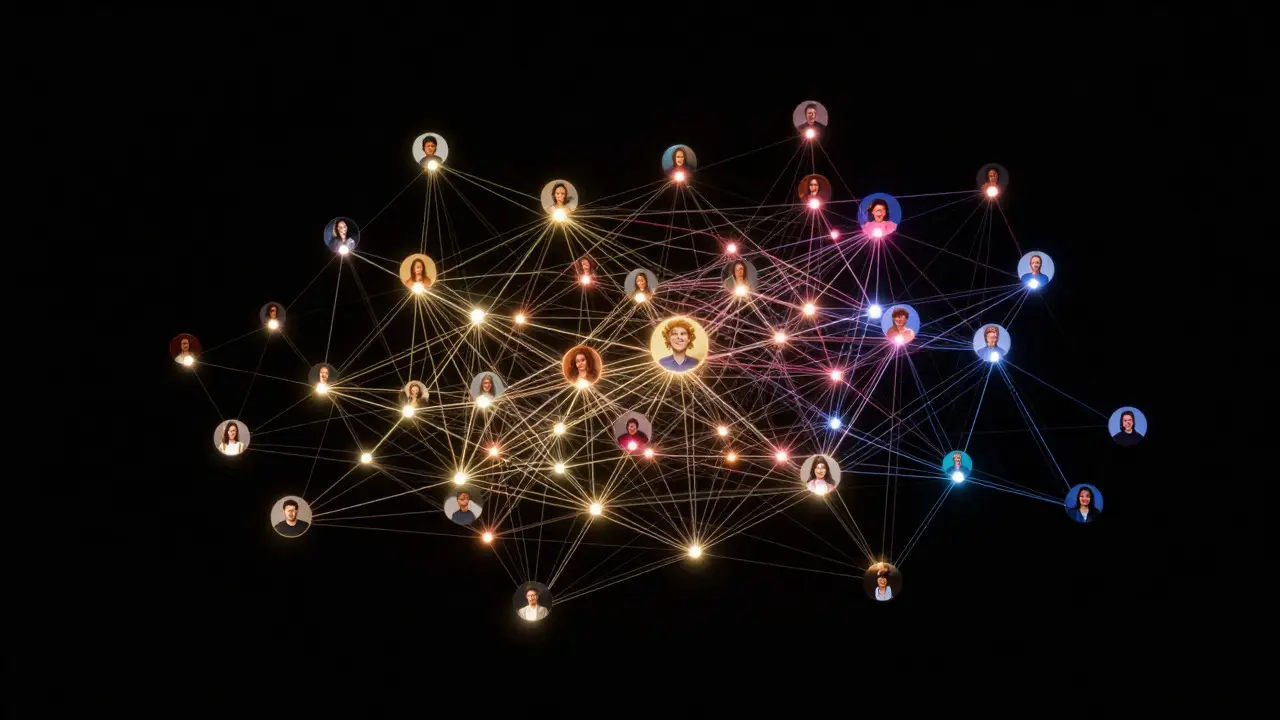
If you want to see more diversity in film criticism, you have to actively seek it out. Algorithms tend to show you what you already like. To break the echo chamber, try these steps:
- Follow critics outside your comfort zone. If you usually watch action movies, find a critic who specializes in documentary or arthouse cinema.
- Support independent publications. Subscribe to newsletters or Patreon pages of smaller critics. Your direct support keeps them independent from studio PR pressures.
- Engage respectfully. Comment sections can be toxic. Positive engagement encourages critics to keep going. Constructive feedback helps them refine their craft.
- Share their work. Visibility is currency. Sharing a thoughtful review on social media helps it reach a wider audience.
By doing this, you help build a sustainable ecosystem where diverse voices can thrive without needing to conform to outdated standards.
The Future of Critical Discourse
Where is this heading? We are moving toward a decentralized model of authority. No single critic holds the power to make or break a film’s box office performance anymore. Instead, a collective consensus forms from hundreds of voices. This is healthier for the industry because it reduces the risk of a single bad review tanking a movie unfairly.
We are also seeing more collaboration. Critics are teaming up with filmmakers, historians, and sociologists to create multi-faceted analyses. The line between criticism and scholarship is blurring. This is a good thing. It elevates the conversation and gives audiences more tools to understand what they are watching.
The era of the solitary, authoritative critic is ending. In its place is a vibrant, noisy, and diverse chorus. And that’s exactly what cinema needs right now.
Who are considered emerging film critics?
Emerging film critics are those who have gained significant influence in the last five to ten years, often through digital platforms like podcasts, YouTube channels, or independent blogs, rather than traditional newspaper columns. They typically bring diverse cultural perspectives and engage directly with audiences through social media.
Does diversity in criticism actually change how people watch movies?
Yes. When critics highlight different aspects of a film-such as cultural context, accessibility, or underrepresented narratives-it trains audiences to look for these elements themselves. It expands the criteria used to judge a film beyond just plot and production values, leading to a more nuanced viewing experience.
Are online reviews as credible as newspaper reviews?
Credibility depends on the individual critic, not the platform. Many top-tier online critics possess deep expertise and rigorous ethical standards comparable to print journalists. However, because there is less editorial oversight, readers should always check a critic’s track record and potential biases before taking their opinion as absolute truth.
How can I find critics who cover international cinema?
Look for festivals that focus on global films, such as Sundance or Cannes, and follow the critics covering those events. Additionally, many dedicated film magazines and podcasts specialize in world cinema. Searching for terms like "global film criticism" or following specific regional film associations can also lead you to specialized voices.
What is the impact of social media on film criticism?
Social media has accelerated the cycle of critique, allowing for immediate reactions and broader discussions. It has also given rise to viral moments that can significantly impact a film's reception. While this can lead to oversimplification, it also democratizes the conversation, allowing fans and experts to debate ideas in real-time.