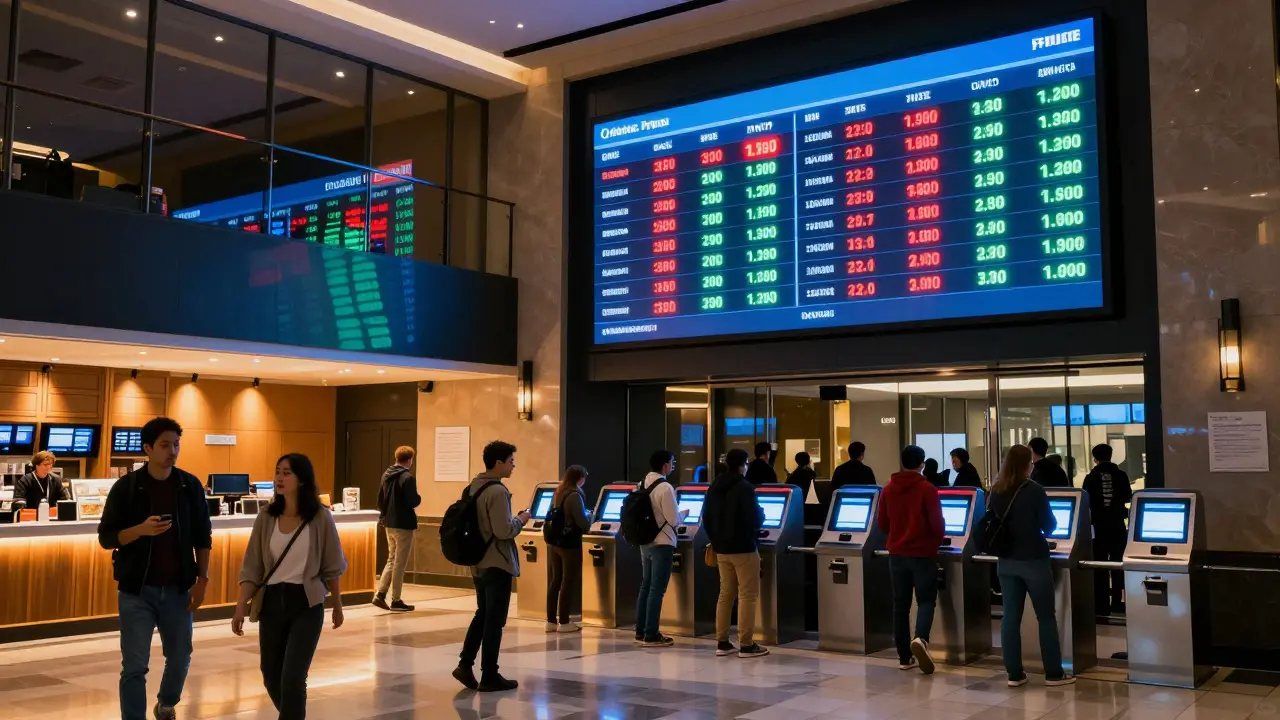
Imagine walking into a cinema and seeing the price of a ticket change every hour. That is no longer science fiction; it is becoming reality for major chains in North America. Dynamic pricing is a strategy where ticket costs fluctuate based on real-time demand, time of day, and seat availability. Much like airline tickets or Uber surges, this model aims to maximize revenue per screen. But does it actually help movies make more money, or does it scare off the casual viewer? The answer lies in understanding how film attendance interacts with variable costs.
How Dynamic Ticketing Works in Cinemas
Traditional theater pricing uses fixed tiers: standard, premium (IMAX/Dolby), and matinee discounts. Dynamic pricing replaces these static rules with algorithms. These systems analyze historical data, current bookings, and even weather forecasts to adjust prices in real-time. A Tuesday afternoon showing might cost $8, while a Friday night premiere could spike to $18. The goal is simple: charge less when seats are empty and more when they are full.
This approach mirrors the logic used by airline carriers, who have perfected yield management over decades. For theaters, the challenge is different because the product-watching a movie-is less elastic than travel. You cannot easily swap a flight for a train, but you can watch a movie on streaming if the theater price feels too high. This substitution effect is the primary risk for exhibitors adopting variable rates.
The Impact on Weekend Box Office
Weekends drive the majority of box office revenue. Historically, theaters kept prices flat to encourage volume. However, recent trials show that dynamic pricing can increase average ticket price without significantly reducing headcount during peak hours. When demand is high, consumers are willing to pay a premium for convenience and social experience. In these scenarios, attendance remains stable, but revenue per attendee rises sharply.
Conversely, during off-peak times like mid-week mornings, lower prices attract price-sensitive viewers who might otherwise stay home. This fills seats that would remain empty, generating incremental revenue. The net effect on total attendance is often neutral or slightly positive, but the financial outcome for the theater chain improves due to higher margins on premium slots.
Risks of Alienating Core Audiences
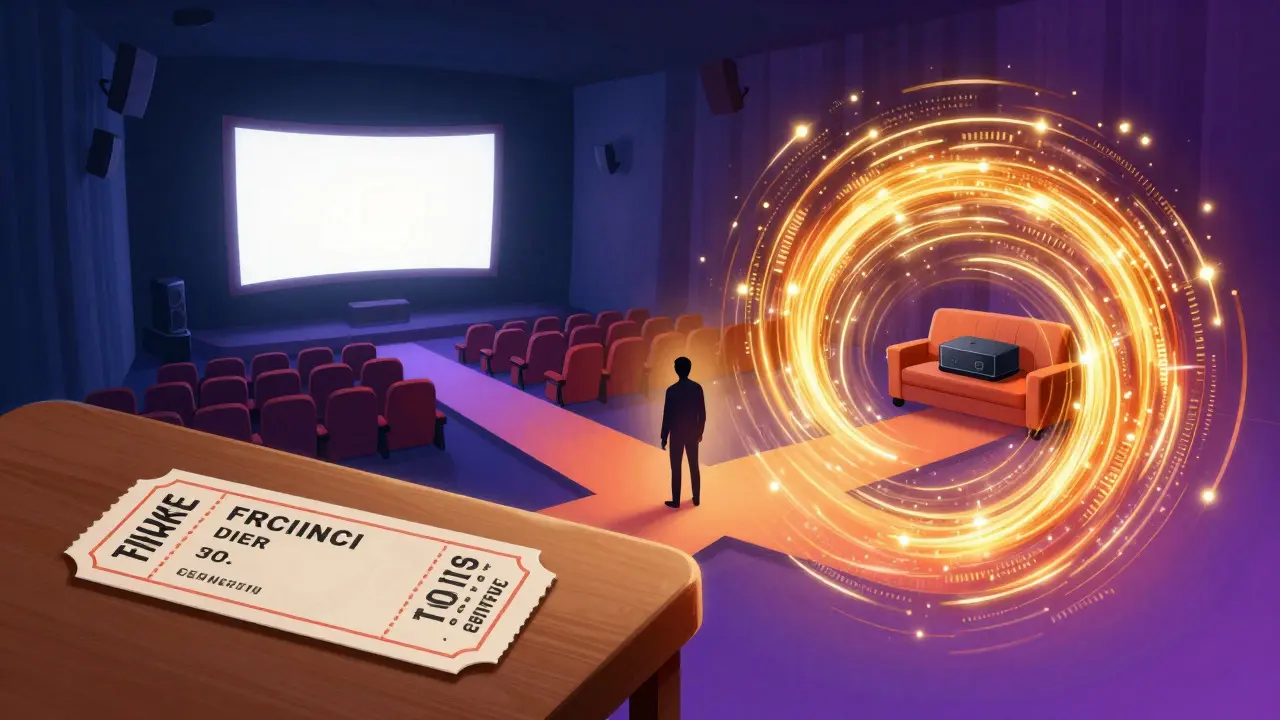
The biggest threat to dynamic pricing is consumer trust. Moviegoers expect consistency. If a customer sees a $15 ticket online but pays $20 at the box office, frustration builds. This perception of unfairness can erode brand loyalty. Studies on consumer behavior suggest that transparency is key. If the algorithm’s logic is opaque, customers assume exploitation rather than optimization.
Furthermore, frequent attendees-the core demographic for blockbusters-are most sensitive to price hikes. These individuals visit theaters monthly or more. If their regular habit becomes financially unpredictable, they may shift to streaming services, which offer predictable subscription costs. Losing this segment hurts long-term attendance more than it helps short-term revenue.
Comparing Fixed vs. Dynamic Models
To understand the trade-offs, we need to look at the structural differences between traditional and variable pricing models.
| Feature | Fixed Pricing | Dynamic Pricing |
|---|---|---|
| Price Stability | High | Low |
| Revenue Potential (Peak) | Moderate | High |
| Seat Utilization (Off-Peak) | Low | Higher |
| Consumer Trust | High | Variable |
| Complexity of Implementation | Low | High |
Fixed pricing offers simplicity. Customers know exactly what they will pay, which reduces friction at checkout. Dynamic pricing requires robust digital infrastructure. Theaters must invest in real-time data feeds and user interfaces that clearly display why a price changed. Without this transparency, the complexity becomes a liability rather than an asset.
Strategies for Successful Implementation
Success depends on execution. Theaters should not apply dynamic pricing uniformly across all films. Blockbusters with massive hype tolerate higher variance, while niche indie films rely on consistent low prices to build community. A hybrid approach works best: use dynamic adjustments for premium formats like IMAX and keep standard screens closer to fixed rates.
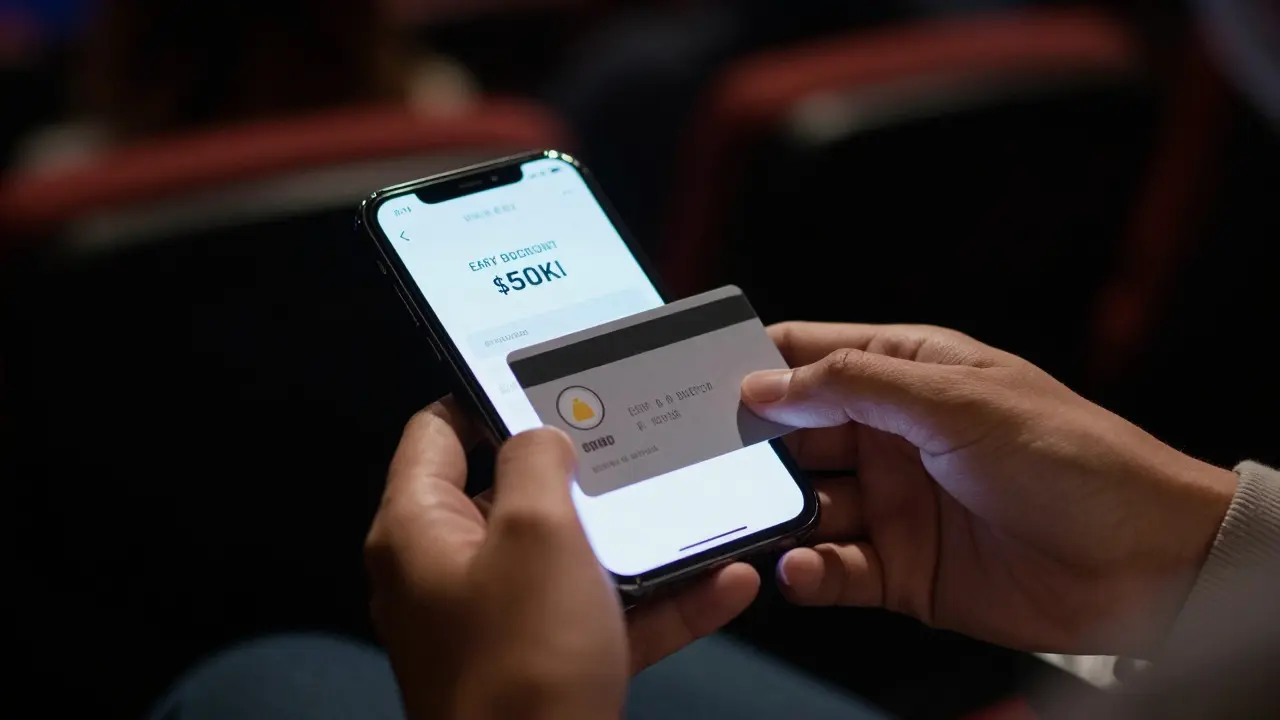
Additionally, loyalty programs can mitigate negative reactions. If members earn points regardless of ticket price, the perceived value increases. This buffers the impact of price spikes. Marketing communications must also emphasize the benefit of early booking. Showing that locking in a low price early saves money encourages proactive planning rather than last-minute regret.
Long-Term Trends in Theater Economics
The shift toward dynamic pricing reflects a broader trend in entertainment economics. As production costs rise, studios and exhibitors seek new revenue streams. Variable ticketing is one lever, but it is part of a larger ecosystem that includes advertising partnerships, food-and-beverage upsells, and exclusive screening events. The ultimate goal is not just to sell tickets, but to maximize the lifetime value of each patron.
Will this model replace fixed pricing entirely? Probably not. Most consumers prefer predictability. However, dynamic elements will likely become standard for premium experiences. Theaters that balance flexibility with fairness will capture the highest share of film attendance in the coming decade. Those that fail to communicate value clearly will see audiences drift back to living rooms.
Does dynamic pricing always increase box office revenue?
Not necessarily. It increases revenue per seat sold during peak times, but can reduce total attendance if prices exceed consumer willingness to pay. The net effect depends on demand elasticity and market competition.
How do movie theaters determine dynamic prices?
They use algorithms that analyze historical sales data, current seat availability, time of day, day of week, and external factors like local events or weather. The system adjusts prices in small increments to optimize yield.
Is dynamic pricing fair to consumers?
Fairness is subjective. Consumers generally accept variable pricing if it is transparent and offers opportunities to save money by booking early. Opaque or sudden price hikes are often viewed as unfair.
Which types of movies benefit most from dynamic pricing?
Blockbuster releases with high initial demand benefit most, as there is significant room to raise prices during opening weekends. Niche films with steady, low demand may see little benefit and risk alienating dedicated fans.
How does dynamic pricing affect streaming adoption?
If theater prices become too volatile or high, some viewers may delay watching until the film is available on streaming. However, if the theater experience remains superior in quality and social value, many will still pay the premium.






Comments(5)