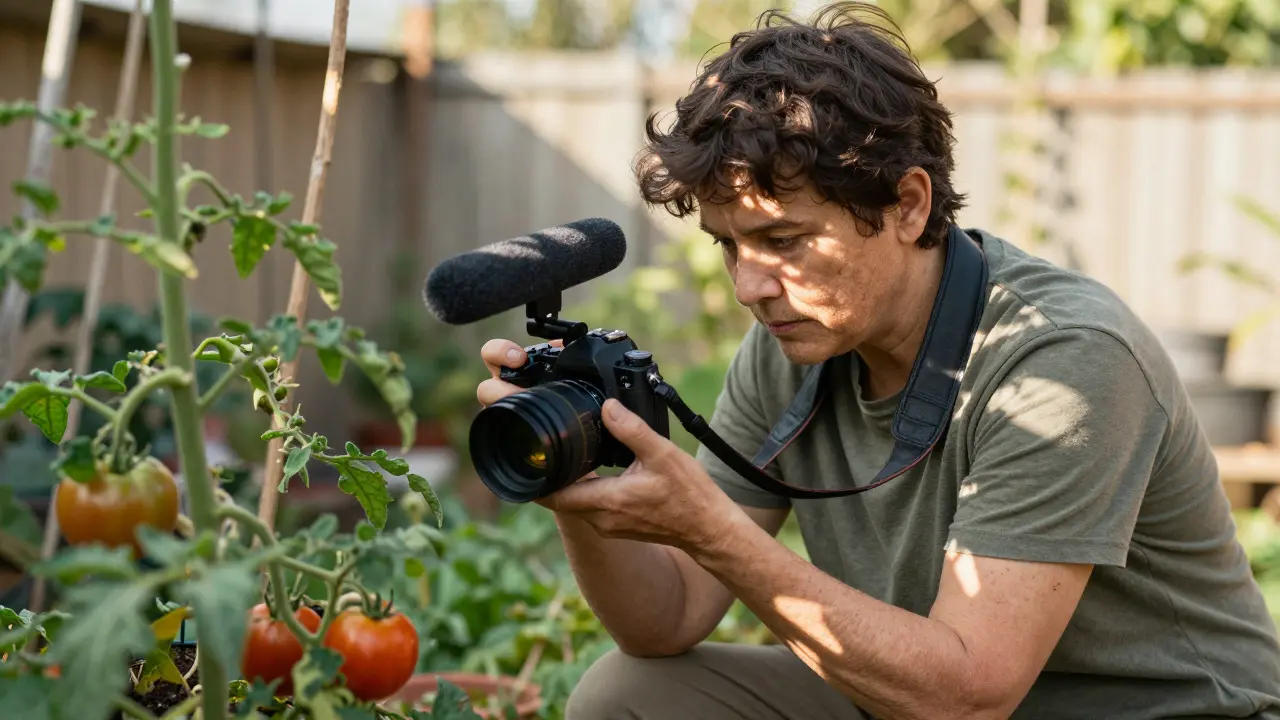
Most directors don't start with a feature-length epic. They start with a five-minute piece about their grandmother's garden or a local street musician. That small project is where the real learning happens. Documentary short films are concise non-fiction narratives that serve as the primary practical training ground for new directors to master storytelling, technical execution, and budget management. Unlike scripted fiction, which allows you to control every variable, documentaries force you to adapt to reality in real-time. This unpredictability builds a resilience that scripted work often misses.
If you are looking to break into the industry, skipping this stage is risky. Features are expensive, long, and unforgiving of mistakes. Shorts are cheap, fast, and forgiving. They let you fail quickly and learn faster. Here is why this format remains the most effective bootcamp for anyone serious about a career in cinema.
The Economics of Learning: Why Shorts Beat Features for Beginners
The biggest barrier for emerging filmmakers is money. A low-budget feature can still cost tens of thousands of dollars before you even press record. A documentary short, however, can be made for almost nothing. You need a camera, a microphone, and time. That’s it. This low financial risk changes how you approach the craft. You stop worrying about whether the shot will pay off its cost and start focusing on whether it works emotionally.
This economic freedom accelerates your learning curve. When the stakes are lower, you experiment more. You try different lighting setups without fear of wasting a day's shoot. You test editing rhythms without worrying about losing weeks of post-production fees. The result is a filmmaker who has actually done the work, not just theorized about it. Studios and festivals look for this hands-on evidence. A reel full of shorts proves you can execute a vision from start to finish.
Mastering the Art of Adaptation
In scripted fiction, the story is written before you pick up the camera. In documentary, the story emerges while you are filming. This is the core skill that separates competent shooters from great directors. You must learn to listen. Your subject might say something profound at minute forty, but your original plan was to end at minute thirty. Do you keep rolling? Yes. You have to trust your instincts over your outline.
This process teaches you structural flexibility. You learn that a strong beginning isn't always necessary if the middle is powerful. You learn that silence can be louder than dialogue. These are nuances that textbooks rarely teach. They are learned through the friction of working with real people who don't follow scripts. By the time you move to longer projects, you will already know how to pivot when things go wrong, which is essentially what every production day involves.
Technical Skills Without the Technical Debt
Shorts allow you to focus on specific technical aspects without getting overwhelmed by the complexity of a feature. For example, you can spend an entire project mastering sound design. Because the runtime is short, you can afford to re-record audio multiple times until it feels right. On a feature, you might get one chance to get it right in the field. With a short, you have the luxury of iteration.
Similarly, visual language becomes easier to refine. You have fewer scenes to cover, so each frame matters more. You learn composition, color grading, and pacing in a concentrated way. These skills transfer directly to larger projects. If you can make a three-minute sequence feel cinematic, you can definitely handle a twenty-minute scene. The constraints of the short form actually sharpen your eye because there is no room for filler.
| Factor | Documentary Short | Feature Film |
|---|---|---|
| Budget Risk | Low (often under $5k) | High (often $100k+) |
| Time to Completion | 1-3 months | 1-3 years |
| Learning Focus | Specific skills (sound, edit, interview) | Management, logistics, sustained narrative |
| Error Tolerance | High (easy to reshoot/re-edit) | Low (costly fixes) |
| Career Signal | Proof of concept and style | Proof of endurance and scale |
Narrative Structure in Limited Time
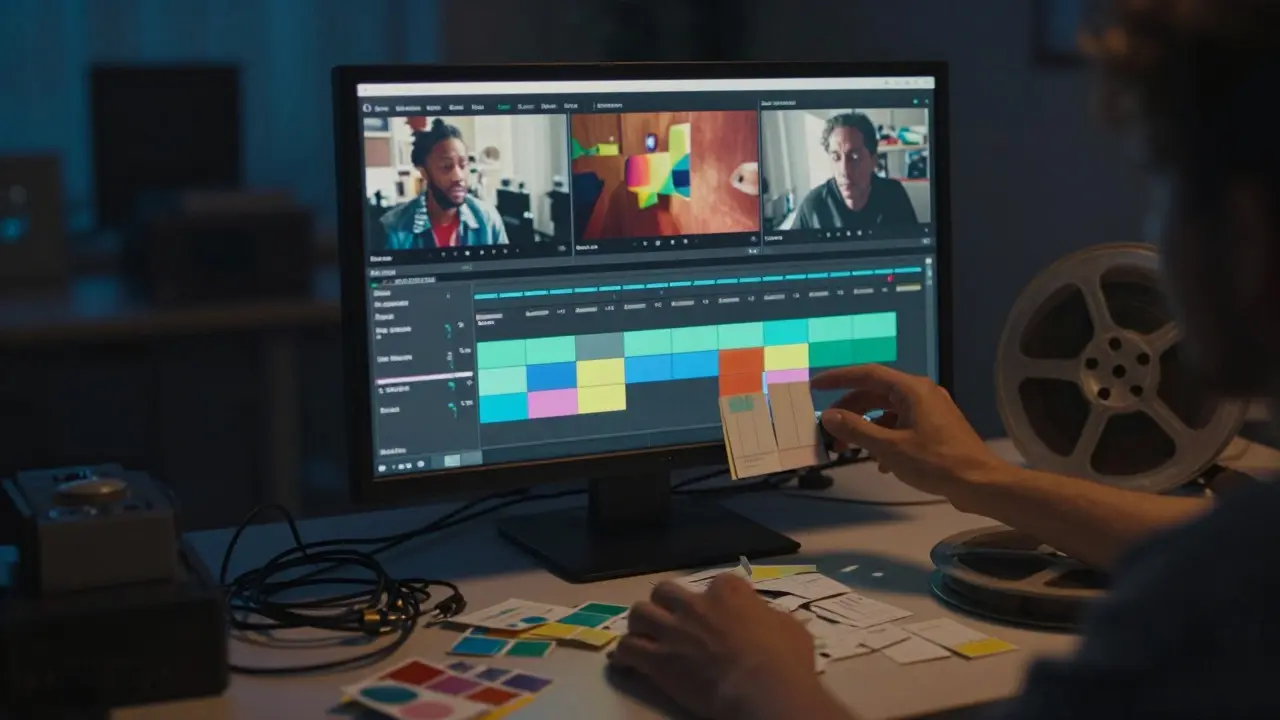
One of the hardest parts of filmmaking is knowing what to cut. In a feature, you can hide weak moments behind other strong ones. In a short, every second counts. You have to identify the core truth of your story and strip away everything else. This discipline is invaluable. It teaches you that less is more. You learn to trust the audience to fill in gaps rather than over-explaining.
This brevity also forces clarity. You cannot have subplots that meander. You cannot have characters who wander aimlessly. Every element must serve the central theme. This tightness creates a punchy, engaging viewing experience that stands out in festival programs. Audiences appreciate efficiency. Directors who master this economy of storytelling find that their features benefit from the same precision, even if they have more time to breathe.
Building a Portfolio That Gets Noticed
Festivals like Sundance, Tribeca, and Hot Docs have dedicated sections for short documentaries. These are not consolation prizes; they are launchpads. A well-made short can attract producers, agents, and collaborators who are looking for fresh voices. It serves as a tangible proof of competence. Instead of sending a resume that says "Director," you send a link to a piece of art that demonstrates your voice, your technical ability, and your thematic interests.
Moreover, shorts are easier to distribute. They fit into online platforms, social media clips, and educational curricula. This visibility keeps your work in front of potential audiences and partners. You build a community around your work before you even start your next big project. This network is often more valuable than any single award. It is the foundation upon which a sustainable career is built.
Common Pitfalls to Avoid
While shorts are a great training tool, they come with their own traps. The most common mistake is treating them as mini-features. Don't try to cram too much into ten minutes. Keep the scope narrow. Another pitfall is neglecting sound. Many beginners think video is the most important part, but bad audio ruins a good image instantly. Invest in a decent microphone early on.
Also, avoid relying solely on narration to explain the story. Let the visuals do the work. Use interviews sparingly and only when they add value. Finally, don't skip the editing phase. Rushing the edit because you want to release the film quickly results in a choppy, uneven final product. Take the time to refine the rhythm. A polished short looks professional; a rough one looks amateur, regardless of the subject matter.
Next Steps for Aspiring Filmmakers
If you are ready to start, here is a practical path forward. First, choose a subject close to home. Access is easier, and you understand the context better. Second, write a simple treatment. One page is enough. Define your goal and your main question. Third, gather your gear. You don't need the latest cinema camera; you need reliable audio and stable footage. Fourth, shoot. Get comfortable with the equipment and the process of directing people who aren't actors. Fifth, edit ruthlessly. Cut until it hurts, then cut a bit more. Finally, share it. Put it online, submit it to local festivals, and ask for feedback. The cycle begins again, but now you are sharper, faster, and more confident. This iterative process is the true engine of growth in documentary filmmaking.
How long should a documentary short be?
Most festival guidelines define a short film as anything under 40 minutes, but the sweet spot for emerging filmmakers is between 5 and 15 minutes. This length is long enough to develop a character or theme but short enough to maintain tension and respect the viewer's time. It also makes distribution and sharing much easier.
Do I need a crew for my first short?
Not necessarily. Many successful documentary shorts are made by solo filmmakers. Working alone gives you complete creative control and reduces logistical headaches. However, having one trusted friend to help with sound or holding lights can be incredibly helpful. The key is to keep the team small to stay agile and focused.
What is the best camera for a beginner documentary short?
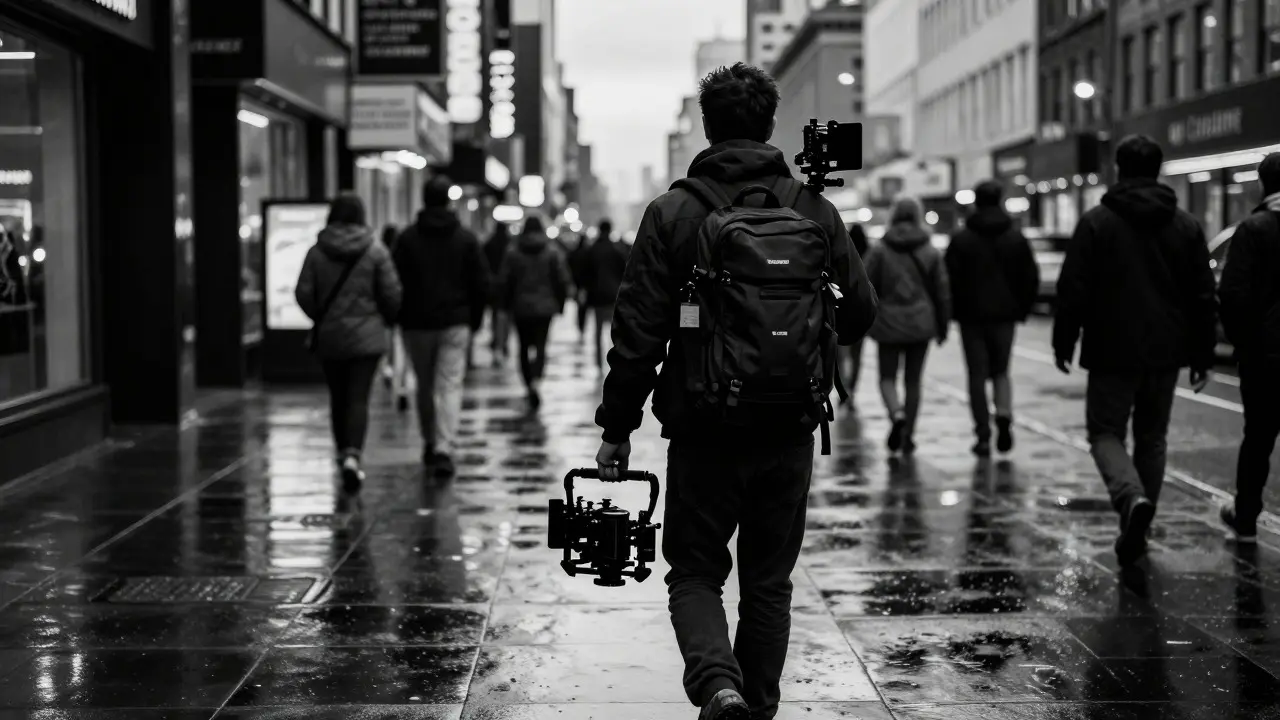
Any modern smartphone or entry-level mirrorless camera is sufficient. Image quality matters less than stability and audio. Prioritize a gimbal or tripod for smooth shots and invest in an external shotgun microphone. Clear audio is the number one indicator of professionalism in low-budget work.
How do I find subjects for my documentary?
Start with people you already know or communities you are part of. Personal connection makes it easier to gain trust and access. Look for stories that resonate with you personally. Passion is contagious, and subjects are more likely to open up to someone who genuinely cares about their story. Local news, community boards, and social media groups are also good places to discover unique local stories.
Can a short film lead to a feature opportunity?
Absolutely. Many major directors started with shorts that caught the attention of producers and studios. A strong short demonstrates your unique voice and ability to tell a compelling story efficiently. It acts as a portfolio piece that proves you can deliver a finished product. Producers often use shorts to gauge a director's potential before investing in a larger project.


Comments(9)