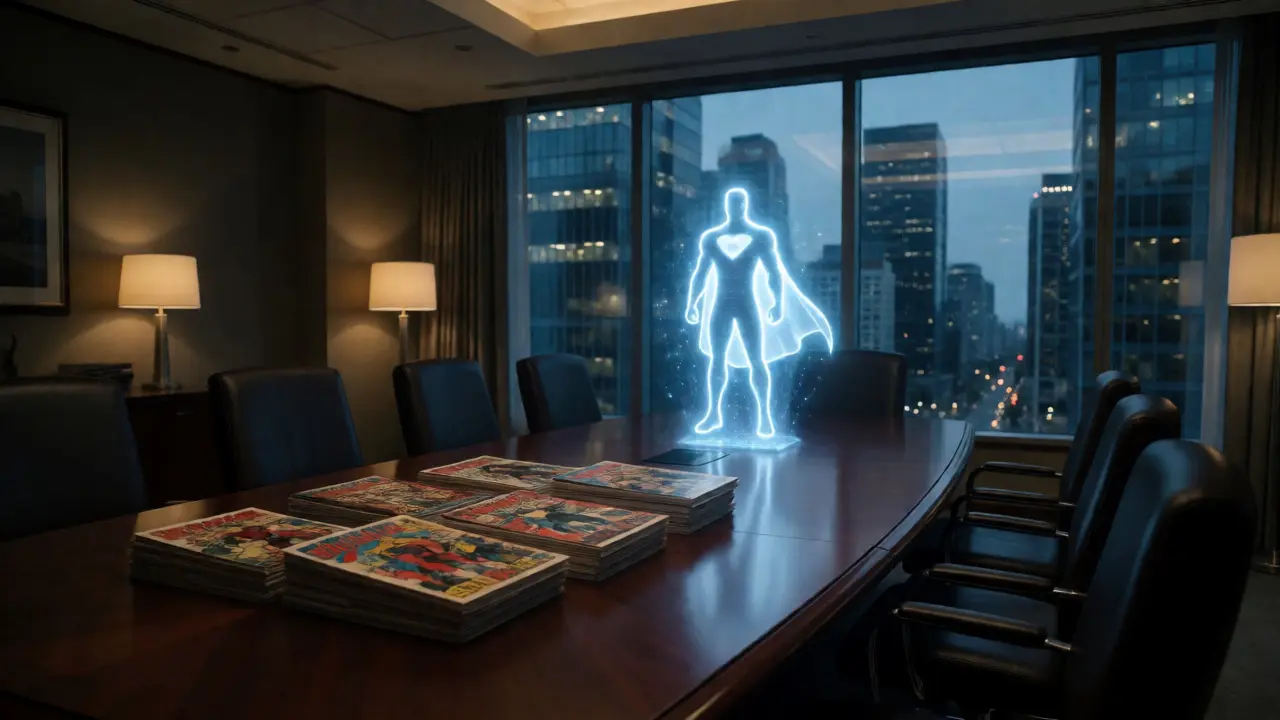
You open a newspaper or scroll through your feed, and there it is: another Intellectual Property (IP) announcement. Marvel’s next phase, DC’s reboot, maybe a new Star Wars series. It feels like Hollywood has run out of original ideas, but that’s not quite right. Studios aren’t just grabbing random comics; they are executing a high-stakes manufacturing process. Turning a two-dimensional drawing into a billion-dollar cinematic universe isn’t magic-it’s engineering.
If you’ve ever wondered why some adaptations flop while others dominate the box office for a decade, you need to look under the hood. The journey from a niche comic panel to a global merchandising empire involves specific steps, critical decisions, and significant financial risks. Let’s break down how studios actually build these franchises.
The Acquisition Phase: Buying the Right Toy
It starts with a contract. Before a single script page is written, a studio must secure the rights to the Intellectual Property. This isn’t as simple as walking into a store. Rights are often fragmented across decades. A character might have movie rights owned by one company, TV rights by another, and merchandise rights by a third.
Studios look for three things during this phase:
- Cultural Resonance: Does the property have a built-in fanbase? Think Spider-Man versus a lesser-known indie comic.
- Visual Potential: Can the art style translate to screen? Abstract concepts are hard to film; dynamic action panels are easier.
- Expansion Capacity: Is there enough lore for ten movies? A self-contained story doesn’t make a franchise.
Once the deal is signed, the clock starts ticking. Rights agreements often have "use-it-or-lose-it" clauses. If a studio buys the rights to a character but doesn’t produce a film within five years, those rights revert to the creator. This pressure forces rapid development, sometimes at the cost of quality.
Development Hell: Scripting and World-Building
This is where most projects die. Writers enter what industry insiders call "development hell." They aren’t just adapting a plot; they are translating a medium. Comics rely on internal monologue and static images. Films rely on dialogue and motion. You can’t just copy-paste scenes.
Successful adapters focus on the spirit of the source material, not every detail. Take Iron Man. The comics featured long technical explanations about armor mechanics. The movie stripped that down to focus on Tony Stark’s ego and charm. That shift made the character accessible to non-comic readers.
During this stage, producers also hire a "franchise architect." Unlike a traditional director who focuses on one movie, an architect plans the narrative arc across multiple films. They decide which characters appear when, which villains serve as endgame threats, and how Easter eggs connect. Kevin Feige at Marvel Studios is the prime example of this role, treating the entire slate as one long season of television.
Pre-Production: Designing the Look
With a greenlit script, the visual team takes over. This is crucial for IP because fans judge authenticity based on visuals. Costume designers, concept artists, and VFX supervisors work together to create a cohesive aesthetic.
| Element | Comic Origin Challenge | Film Solution Strategy |
|---|---|---|
| Costumes | Bright colors, spandex, unrealistic fabrics | Tactical realism, textured materials, functional gear |
| Locations | Abstract backgrounds, floating cities | Practical sets blended with digital extensions |
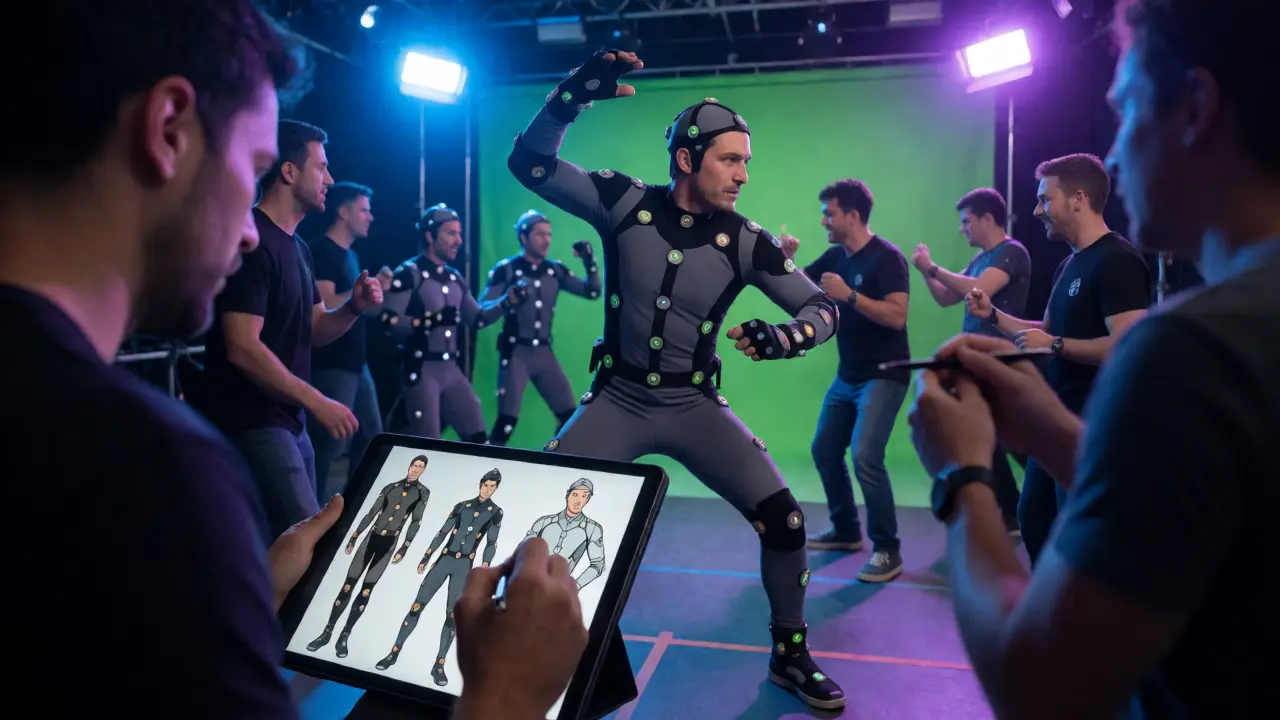
| Action | Static poses, speed lines | Choreographed stunts, motion capture, slow-motion emphasis |
For example, the Batman suit evolved from rubber suits in the 1960s to tactical armor in Christopher Nolan’s trilogy, and finally to a more comic-accurate but gritty design in recent iterations. Each choice signals the tone of the franchise to the audience.
Production: Balancing Fan Service and Accessibility
Filming an IP-heavy movie is a balancing act. Too much fan service, and new viewers get confused. Too little, and core fans feel betrayed. Directors use a technique called "layered storytelling." Surface-level plots appeal to casual audiences, while background details reward hardcore fans.
Casting plays a massive role here. Studios don’t just pick famous actors; they pick actors who embody the archetype. Robert Downey Jr. wasn’t just playing Iron Man; he was channeling the character’s wit and vulnerability. When casting works, the actor becomes synonymous with the IP, boosting marketing power exponentially.
Special effects teams also face unique challenges. They must render characters that exist only in drawings. Motion capture technology, pioneered in films like Avatar, allows actors’ performances to drive CGI characters. This preserves emotional nuance, which is often lost in purely animated creations.
Marketing: Building the Hype Machine
Before the movie hits theaters, the marketing campaign begins. For IP franchises, marketing isn’t just advertising; it’s community engagement. Trailers drop key frames from iconic comic panels. Social media campaigns encourage fan theories. Merchandise launches alongside the trailer release.
Studios track sentiment closely. If early reactions to a costume reveal are negative, reshoots might happen. This responsiveness is rare in traditional cinema but common in franchise filmmaking. The goal is to validate the audience’s investment in the IP before they buy a ticket.
Distribution and Monetization: The Long Tail
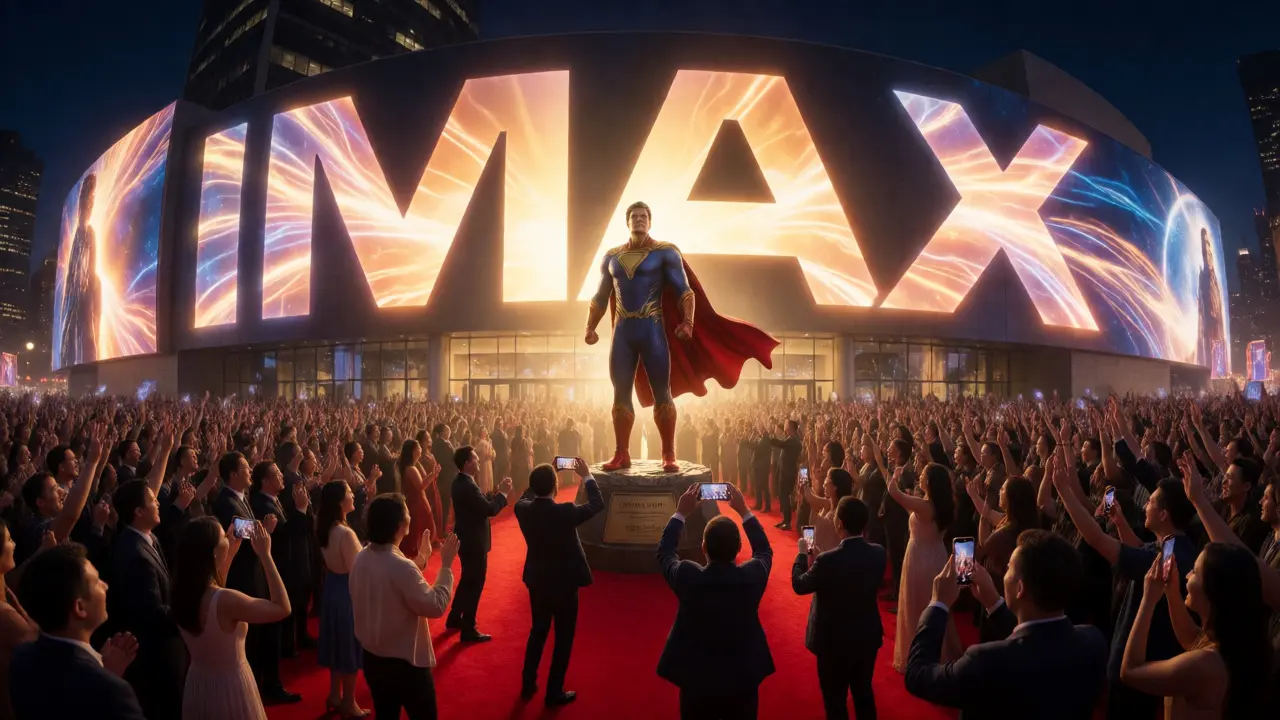
A blockbuster premiere is just the beginning. The real money lies in the long tail. After theatrical release, IP generates revenue through streaming rights, home video sales, and extensive merchandise lines. Action figures, clothing, video games, and theme park attractions all contribute to the bottom line.
Streaming platforms have changed this model. Disney+ and other services now prioritize exclusive content tied to existing IPs. A show like The Mandalorian serves as both standalone entertainment and a commercial for Star Wars merchandise. This ecosystem ensures that even if a movie underperforms slightly, the broader brand remains profitable.
Risks and Pitfalls: Why Some Franchises Fail
Not every adaptation succeeds. Common failure points include:
- Overloading Lore: Trying to explain too much backstory in the first film.
- Inconsistent Tone: Switching between comedy and drama without clear direction.
- Ignoring Source Material: Changing core character traits alienates the base.
- Franchise Fatigue: Releasing too many interconnected projects too quickly.
The collapse of certain universes, like the early Dark Universe monster movies, shows what happens when studios rush expansion without establishing individual identity first.
Future Trends: Interactive and Transmedia Storytelling
The future of IP adaptation is moving beyond film. Video games, interactive experiences, and virtual reality are becoming integral parts of the narrative. Characters may evolve differently in games than in movies, creating branching canon. Studios are experimenting with transmedia strategies where the story unfolds across multiple platforms simultaneously.
As AI tools assist in pre-visualization and script analysis, the development phase may speed up. However, the human element-understanding why people love these stories-remains irreplaceable. Technology helps execute the vision, but empathy drives the connection.
Why do studios prefer adapting existing IP over original scripts?
Studios prefer IP because it reduces financial risk. Existing fanbases guarantee a minimum level of interest, making marketing easier and opening night attendance more predictable. Original scripts lack this built-in audience, requiring higher marketing spend to generate awareness.
How long does it take to adapt a comic into a movie?
The process typically takes 3 to 5 years. This includes securing rights (6-12 months), script development (1-2 years), pre-production (6-9 months), filming (3-6 months), and post-production/VFX (1-2 years). Delays often occur due to scheduling conflicts or creative rewrites.
What is "franchise fatigue"?
Franchise fatigue occurs when audiences become overwhelmed by the volume of interconnected content. Symptoms include declining box office returns despite heavy marketing. It results from releasing too many sequels or spin-offs without allowing time for audience anticipation to rebuild.
Do comic book adaptations always follow the source material?
No, successful adaptations often deviate significantly. Filmmakers change origins, powers, and relationships to suit cinematic pacing and modern sensibilities. Faithfulness to the spirit of the character matters more than literal adherence to plot points.
How do streaming services impact IP franchises?
Streaming services allow for deeper character exploration through limited series. They extend the lifespan of an IP by keeping it relevant between major film releases. This creates a continuous engagement loop rather than episodic attention spikes.